Home cardio machines are now part of everyday life: a treadmill, exercise bike or cross trainer lets you train whatever the weather. But dust, sweat and thousands of load cycles soon show up as squeaks, a jerky belt and the first rust on fixings.
Regular cleaning and lubrication make the machine last longer and your workouts safer. Below is how to find the source of a noise, what to treat and with what, and what to leave alone.
What you will need
Important: Switch the machine off and unplug it before any work. Never apply lubricant to the running belt surface, pedals, handrails or grips, as feet and hands will slip. For the treadmill deck use only the type of lubricant the manufacturer allows.
Step 1
Find the source of the problem
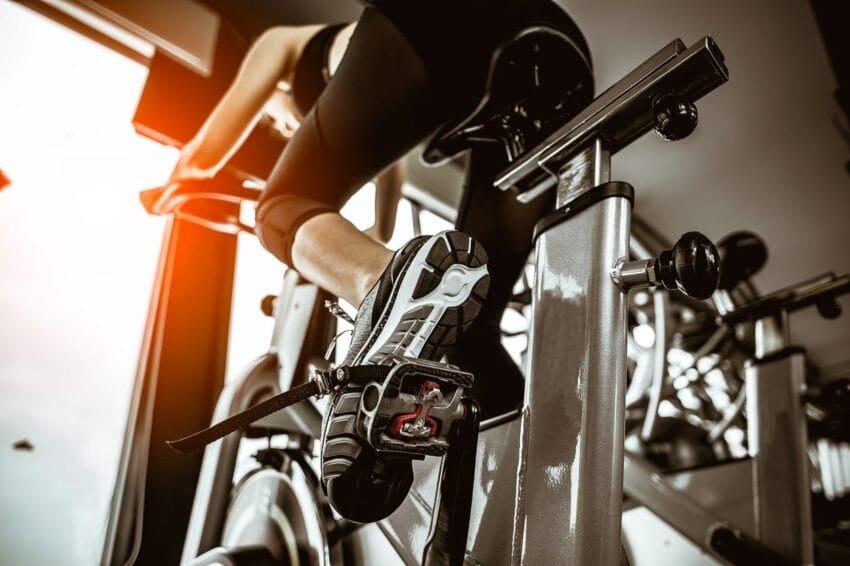
If the treadmill or bike starts squeaking, knocking or running unevenly, do not ignore it: noise often warns of a loose fixing or worn part. Inspect the machine and turn the moving parts slowly by hand to locate the sound.
Tighten any loose bolts before lubricating.
Step 2
Clean off dust and sweat
Sweat contains salts that attack metal and paint. Wipe the frame, handrails and console with a damp cloth and mild detergent, then dry.
Vacuum the dust from under the treadmill belt and around the motor: dust is the most common cause of overheating and wear.
Step 3
Lubricate the treadmill deck
There should be a thin layer of lubricant between the belt and the deck, otherwise the motor is overloaded and the belt jerks. If the manual allows silicone, slacken the belt, lift one edge and apply WD-40 Specialist Silicone to the deck under the belt, towards the centre.
Restore the tension and run the treadmill at the lowest speed for a few minutes to spread it.
Step 4
Treat joints and moving parts
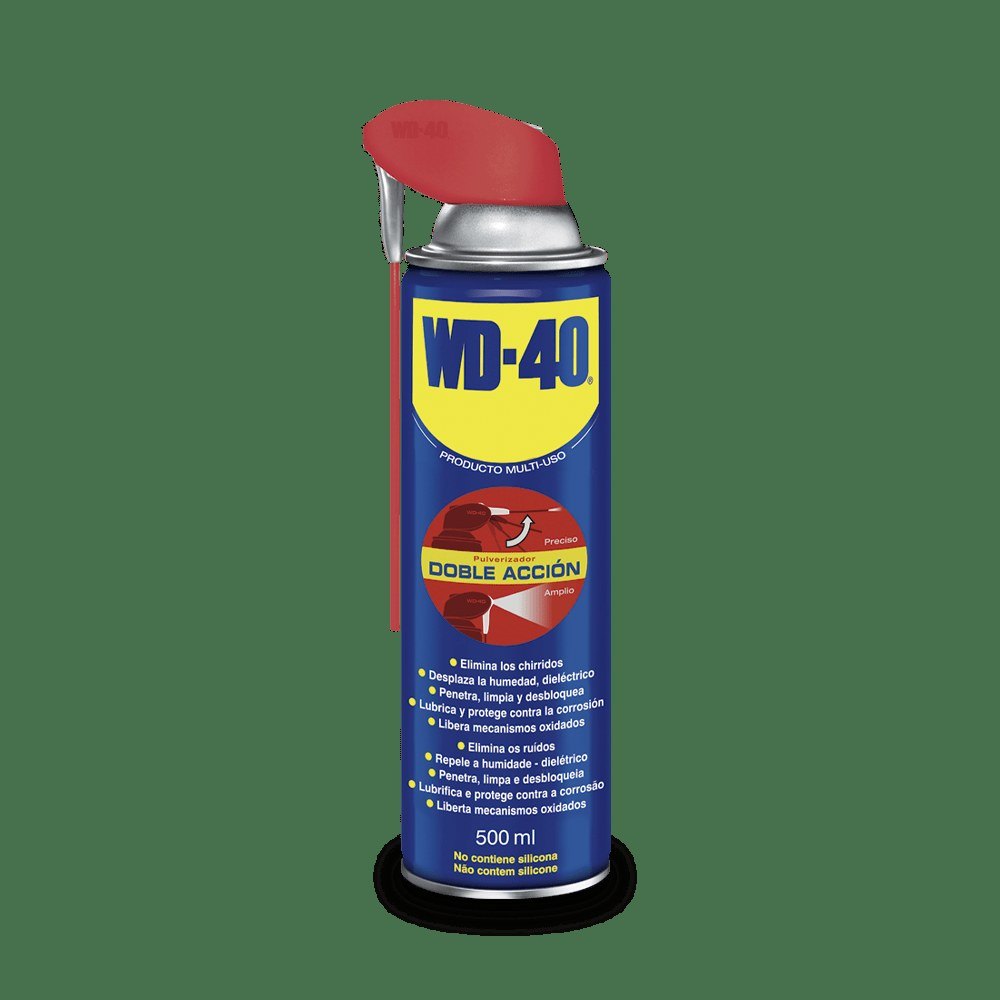
On exercise bikes and cross trainers the lever pivots, pedal spindles and adjustment mechanism are the usual squeakers. Apply WD-40 Smart Straw through the precision straw to the joints and work them several times. It penetrates the gaps, stops squeaks and drives out moisture.
On heavily loaded metal-to-metal pivots also apply WD-40 Specialist White Lithium Grease, which lasts longer under load.
Step 5
Protect adjusters and fixings
Seat posts, height pins, seat rails and frame bolts gradually seize because of sweat and moisture. Treat them with WD-40 Smart Straw, move them back and forth a few times and wipe off the excess.
Protect nearby metal dumbbells and bars from rust in the same way.
Step 6
Clean the electrical contacts
If the console sometimes cuts out or the heart rate sensor shows nonsense, oxidised connectors may be to blame. Disconnect the console cable and sensor contacts and treat them with WD-40 Specialist Contact Cleaner.
Reconnect once fully dry, which takes a few minutes.
Tip: Keep the machine away from windows and damp cellars, in a dry room on a rubber mat: less condensation and dust from below means fewer squeaks and a longer motor life.
What next
Clean the machine every few workouts, lubricate the joints every one to three months and the treadmill deck on the schedule in the manual. Gym bag zips and locker locks are also easy to treat with WD-40 Smart Straw.
These uses come from the experience of WD-40 users in many countries. Always follow the instructions and warnings on the product label.
More guides in «How to use».