Winter is rarely stable: a thaw, wet snow and then minus ten overnight. Water gets into keyholes, onto handles and door rubbers, and then freezes. In the morning the key will not turn, the gate will not open, the car doors are frozen shut and the roller shutters are stuck solid.
Most of this is easy to prevent by driving moisture out of mechanisms and protecting rubber in advance. Half an hour in autumn, before the first frosts, is enough.
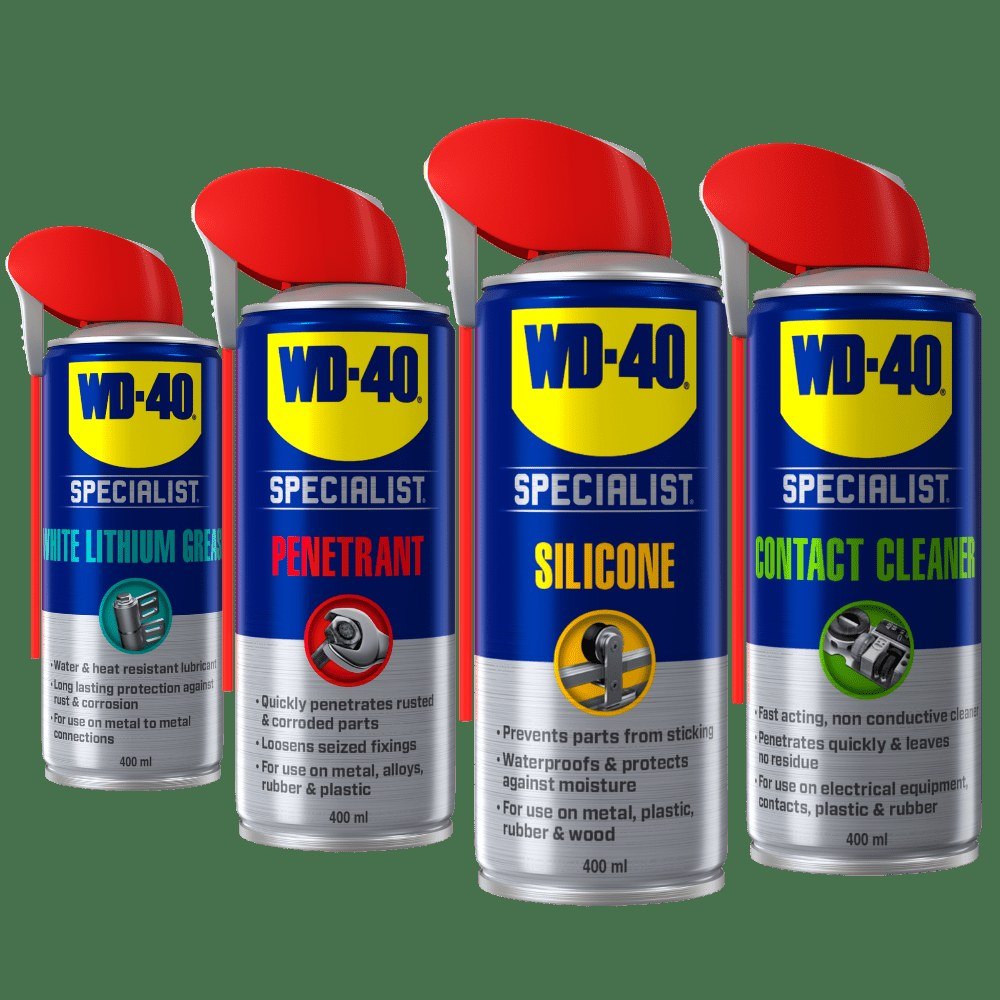
What you will need
Important: Do not apply products to the windscreen, wiper blades, brakes or tyres. Treat mechanisms when they are clean and dry, ideally on a dry day above freezing. If a lock is already frozen, do not force the key: warm it first.
Step 1
Stop locks freezing
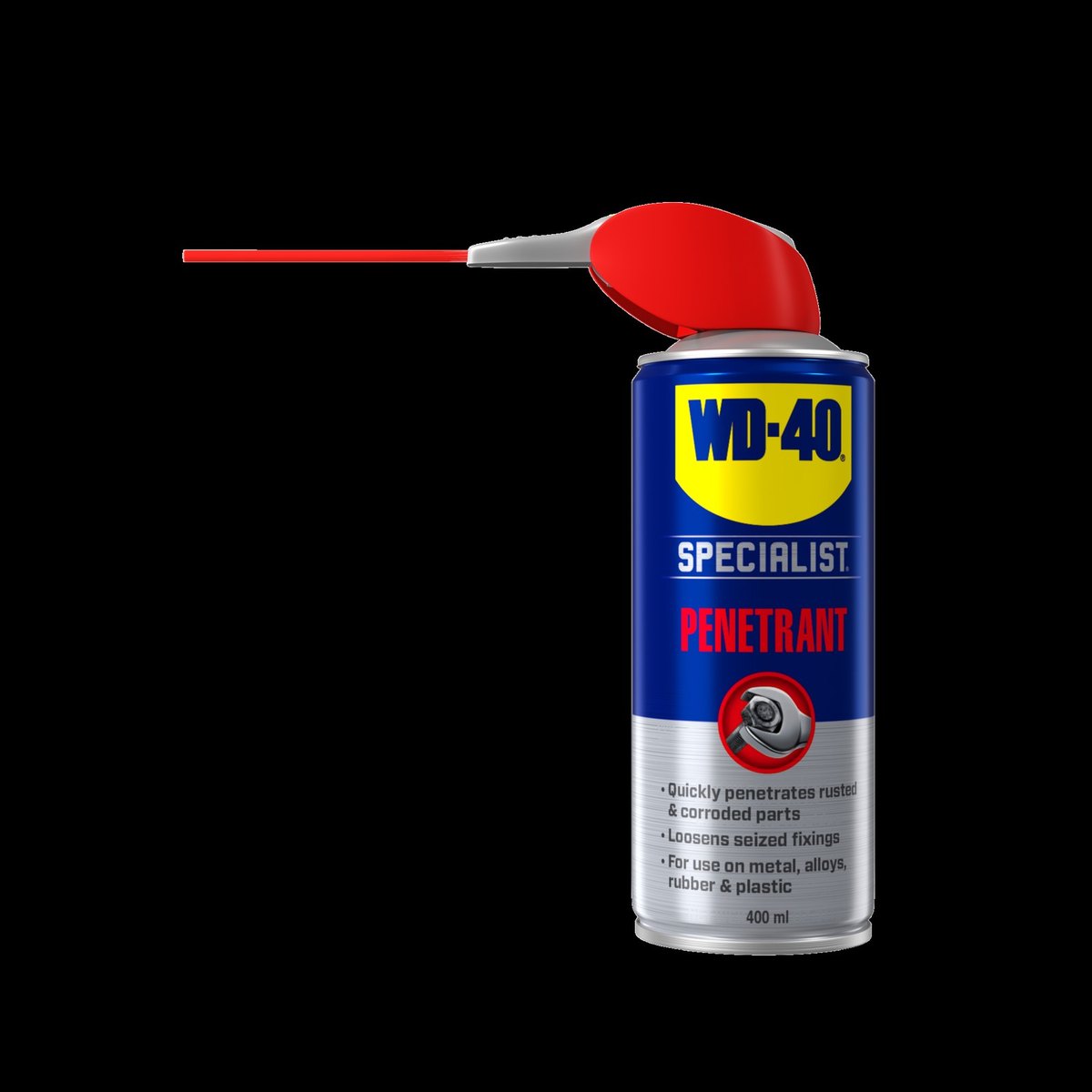
A lock freezes because water has got into the cylinder. Put the straw into the keyhole and give a short burst of WD-40 Specialist Penetrant. It creeps deep into the mechanism and displaces moisture, so there is nothing left to freeze. Turn the key a few times to spread it.
Treat the locks on front and garage doors, gates, padlocks, and the car door and boot locks this way.
Step 2
Look after handles and latches
Outdoor handles and latches ice up after wet snow or freezing rain. Apply a little penetrant where the handle enters the mechanism and press it several times. With less moisture inside, ice cannot lock the handle. Wipe any excess off the outside.
Step 3
Treat rubber seals
Put a small amount of WD-40 Specialist Silicone on a dry microfibre cloth and wipe the rubber seals of car doors, front doors, windows and the boot lid. Silicone leaves a water-repellent film, so the rubber does not freeze to the body or frame and stays supple for longer.
Step 4
Protect gates and garage doors
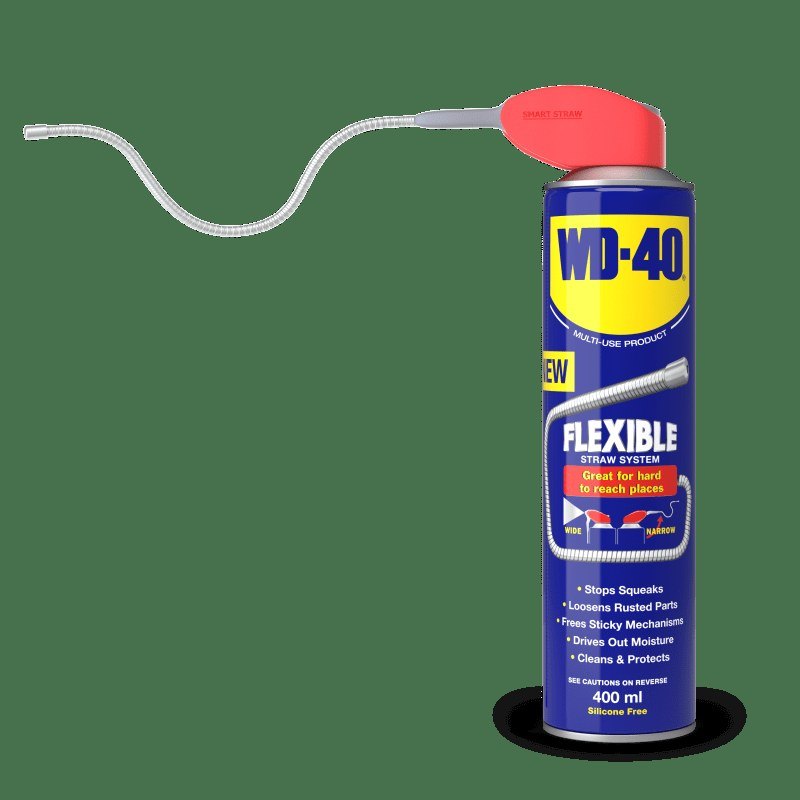
Treat the hinges, runners, bolts and closers of gates and garage doors generously with WD-40 Multi-Use. It penetrates every gap in the mechanism, displaces moisture and protects metal from corrosion. Open and close the gate a few times and wipe off the excess.
Step 5
Do not forget roller shutters
External roller shutters often freeze in their side channels. Clear dust and leaves from the channels, then use the straw of WD-40 Smart Straw to treat them and raise and lower the shutter several times. Plastic slats are better treated with silicone, which is safe on plastic.
Tip: If a car or gate lock has frozen anyway, warm the key with a lighter or in your hand, insert it gently and turn without jerking. Once it has thawed, always treat the lock with penetrant to drive out the meltwater, or it will freeze again the next night.
What next
Repeat the treatment several times over winter, especially after thaws and car washes. Keep WD-40 Smart Straw at home and a small can in the car so frost protection is always to hand.
These uses come from the experience of WD-40 users in many countries. Always follow the instructions and warnings on the product label.
More guides in «How to use».