A circular saw should be cleaned and lubricated after every use. Dust and chips clog the mechanisms, resin sticks to the blade and moving parts start to bind without lubrication. A step-by-step guide to keeping your saw in shape.
How the saw works
A motor inside the housing drives the blade directly or via a pulley and belt. The blade rises above the table, its height is set with a handwheel or lever and it usually tilts up to 45°. A guard covers the blade from above and a rip fence gives straight cuts.
What you need
- Brush
- Vacuum cleaner with a narrow nozzle
- Clean cloth
- WD-40 Multi-Use Product
- WD-40 Specialist Dry PTFE Lubricant (for rails)
Step 1
Cleaning
After each job remove dust and chips: large pieces with a brush, then a vacuum with a narrow nozzle. Use compressed air carefully as it can push dust deeper into the mechanism. Empty the dust bag if the saw is connected to a vacuum. From time to time remove the blade guard and the throat plate to vacuum inside the housing.

Step 2
External lubrication
Lubricate the grooves of the side rails, the blade height handwheel or levers, the sliding carriage (if any) and the blade tilt mechanism. A dry lubricant that does not attract dust works best on rails.
Step 3
Internal lubrication
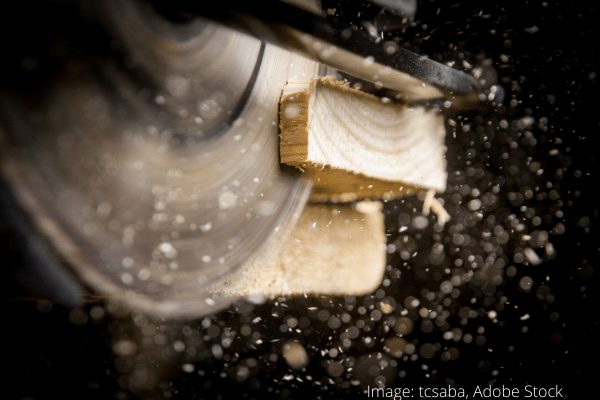
If the design allows, open the housing. Clean and lubricate the worm-screw blade lift carefully. Treat the blade shaft drive with WD-40 Multi-Use Product.
Step 4
Blade and riving knife
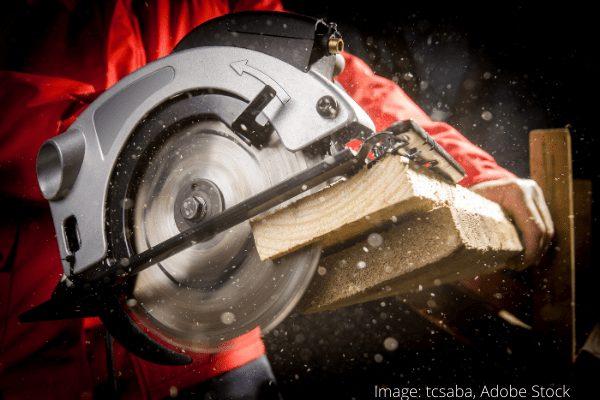
Remove the blade with two spanners, lubricate the arbor thread and clean burnt wood and resin from the blade. Check every tooth: broken or bent teeth mean the blade must be replaced. The riving knife must be exactly in line with the blade and square to the table. After reassembly check the blade angle with a digital protractor.
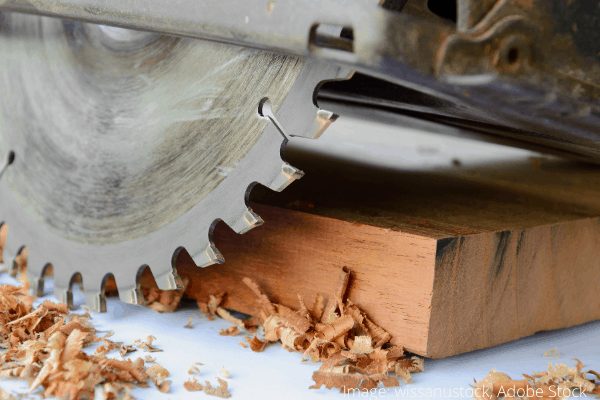
Regular cleaning and lubrication extend the life of the saw and keep cuts accurate. To protect metal parts from moisture and rust between jobs, use
WD-40 400 ml.