A garden gate stands out in rain, snow and sun all year round. In autumn leaves and mud stick to it, in winter frost grips the hinges and latch, and after the spring thaw rust appears on the metal. If the gate is rarely used in the cold months, by spring it squeaks, is hard to open and the key barely turns in the lock.
You can put it right in half an hour. Clean the gate, remove rust from the hinges and lock, lubricate the moving parts and protect the metal from moisture. Ideally do this twice a year: in spring and before the first frosts.
What you will need
Important: Do not force a seized gate open or lever a jammed key round with a tool, as the key can snap inside the lock. Let the product work first.
Step 1
Clean the gate
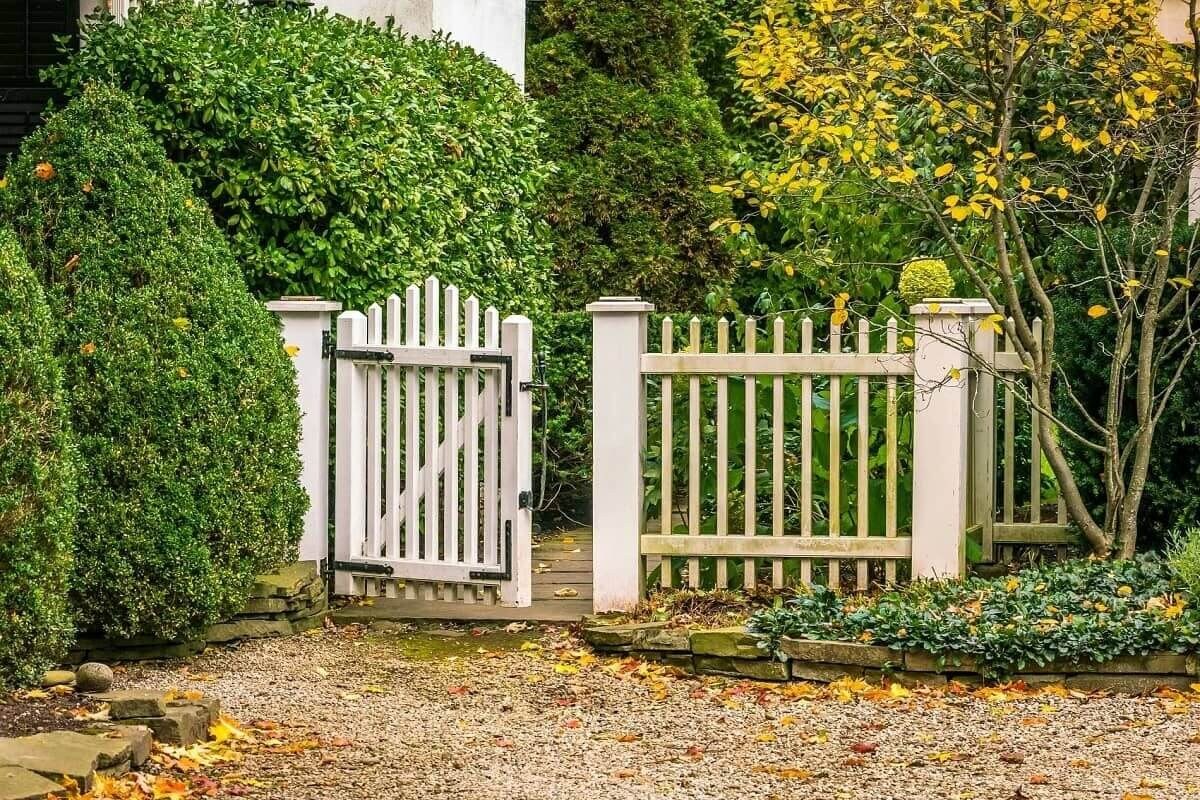
Sweep or blow away leaves, cobwebs, dust and dirt from the gate, hinges and frame. Pay special attention to the bottom, where damp dirt collects and corrosion starts.
Wash the gate with warm soapy water and a brush or scouring pad, rinse with clean water and let it dry completely. There is no point lubricating wet metal.
Step 2
Remove rust from hinges and metalwork
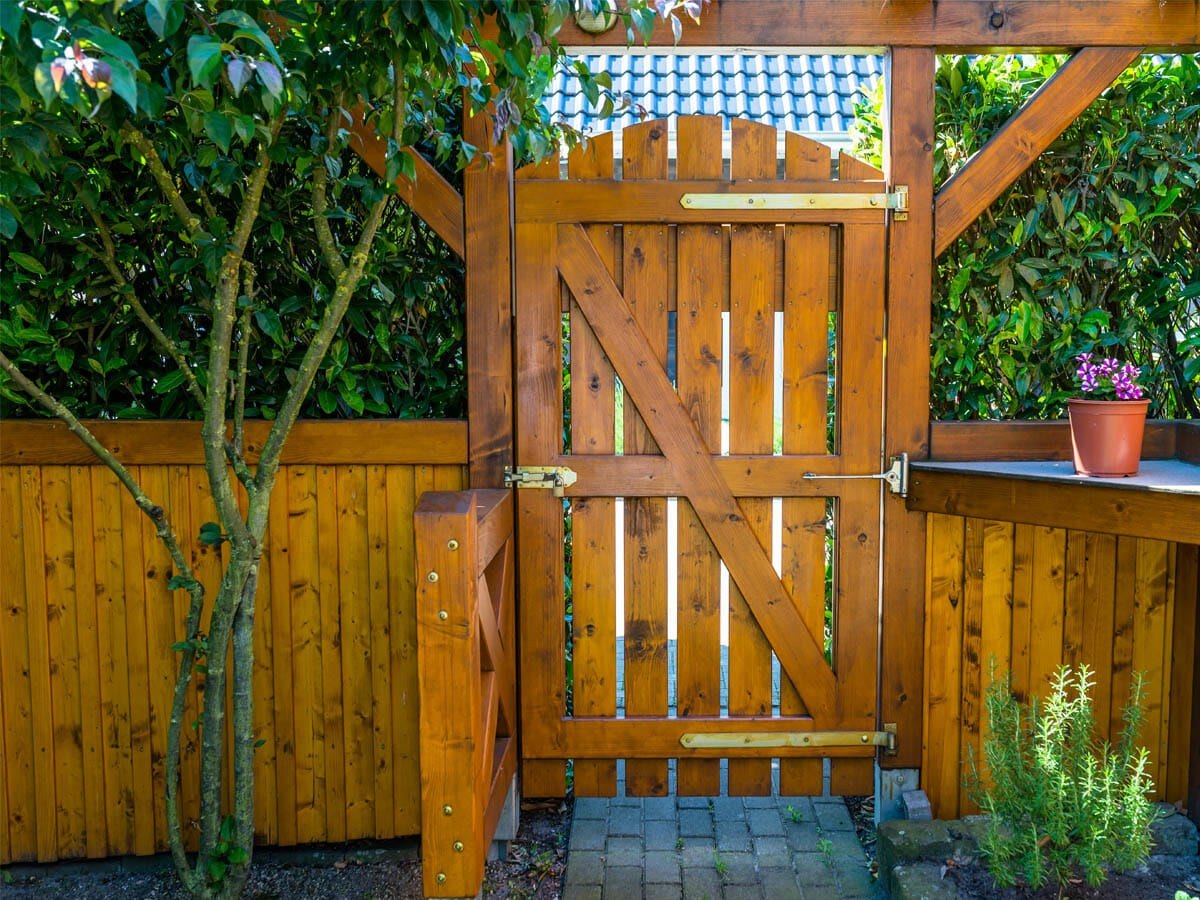
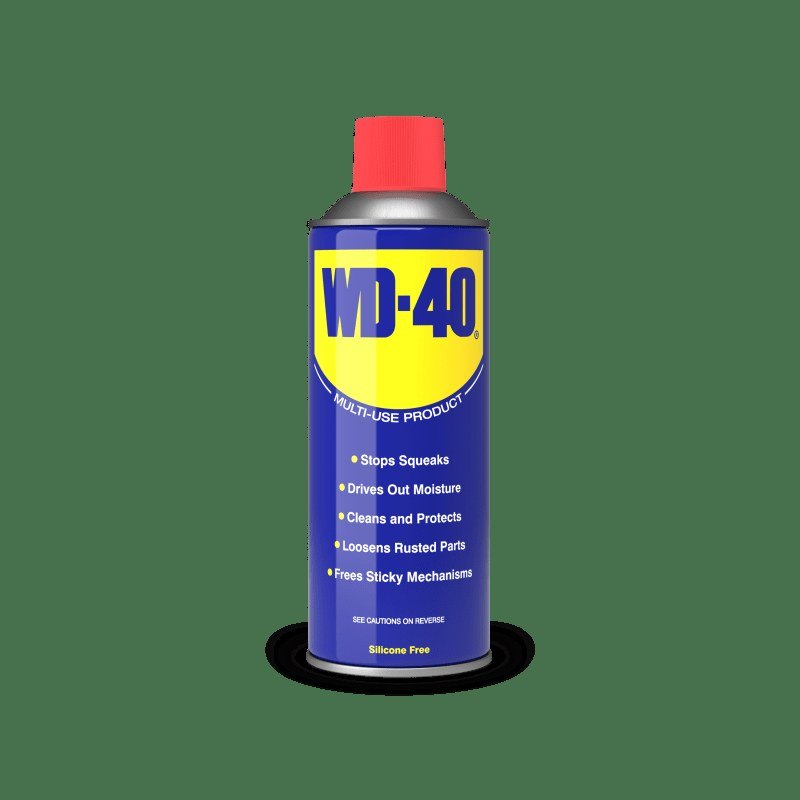
Spray WD-40 Multi-Use onto rusty areas, starting with the hinges, latch and fixings. It gets under the rust and drives out moisture.
After a few minutes, scrub these areas with a scouring pad or brush to remove loose rust. Wipe off any leftover product with a cloth.
Step 3
Free the lock and latch
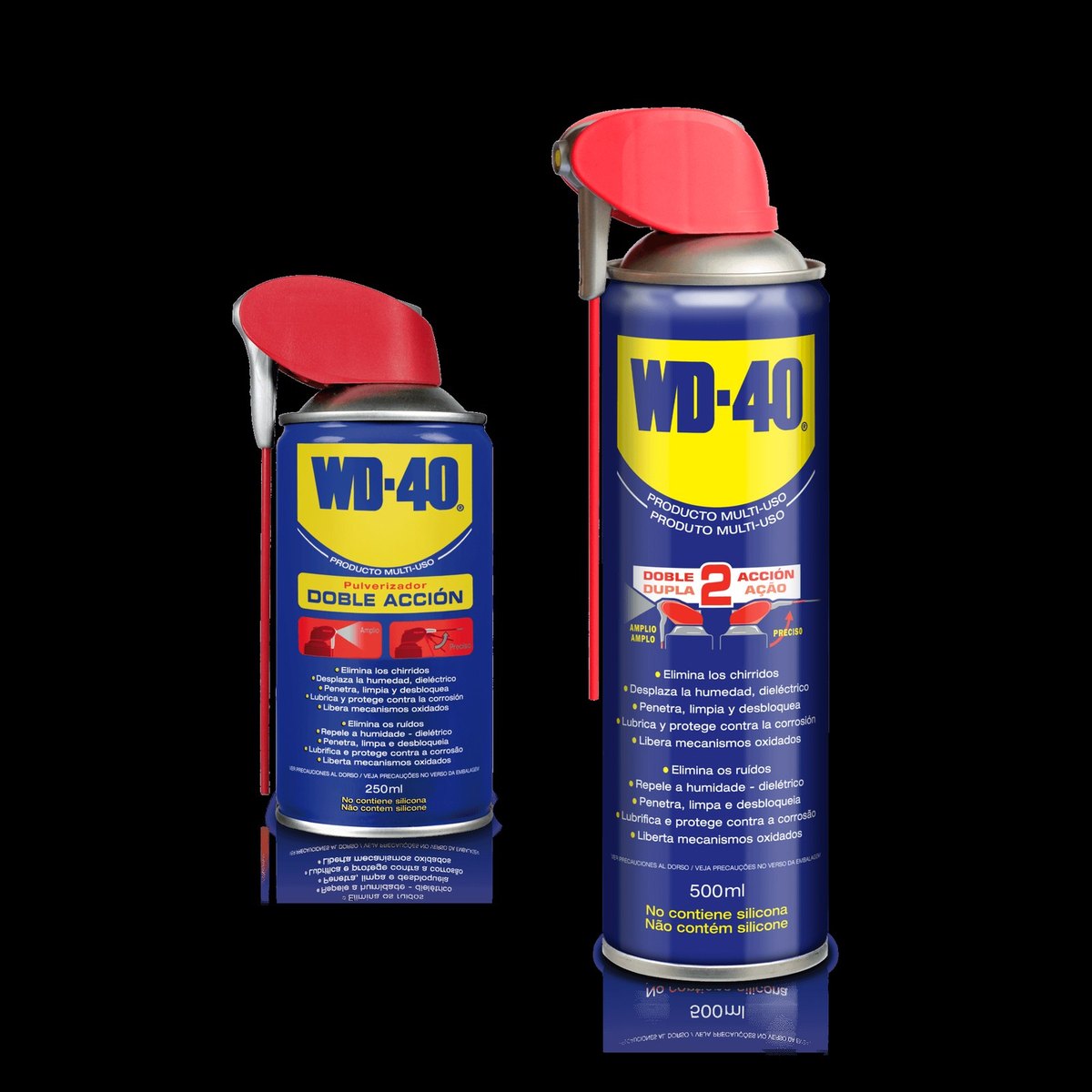
If the key is stiff, spray into the keyhole through the straw of WD-40 Smart Straw. For a lock that has completely seized, WD-40 Specialist Penetrant works better.
Wait a few minutes, then gently turn the key both ways several times. Open and close the gate a few times to work the mechanism in. Treat the latch and catch the same way.
Step 4
Lubricate the hinges
Apply WD-40 Specialist White Lithium Grease into the hinge gaps and onto the pins. It is thick, does not wash off in rain and lasts a long time, protecting the hinge from water and corrosion.
Swing the gate fully open several times so the grease spreads. Wipe off the excess straight away with a lint-free cloth so dust and sand do not stick to it.
Step 5
Check the fit and protect the metal
Check that the gate has not dropped and that the latch lines up with its keep. Tighten any loose hinge bolts and adjust the keep plate if needed.
Finally, lightly treat the metal parts of the gate and its fixings with WD-40 Multi-Use: the thin film drives out moisture and slows new rust. Do this in dry weather.
Tip: Before the first frosts, always treat the keyhole: moisture inside freezes in winter and locks the mechanism solid. If the lock does freeze, do not force the key; warm the lock body and, once thawed, treat the mechanism with WD-40.
What next
Repeat this service in spring and autumn, and check the hinges and lock after heavy rain and thaws. The same approach works for driveway gates, shed bolts and metal fence gates, and WD-40 Smart Straw is handy for quick jobs around the garden.
These uses come from the experience of WD-40 users in many countries. Always follow the instructions and warnings on the product label.
More guides in «How to use».