Cleaning the tumble dryer is rarely top of the chores list, but it should not be put off for long. Every cycle sheds lint from clothes, which gradually clogs the filter, the condenser and the air ducts. The dryer takes longer, uses more electricity, and dust and lint near the heating elements increase the risk of fire.
The good news is that a full clean takes under an hour and needs no special tools. Here are five steps to get your dryer working efficiently again.
What you will need
Important: Unplug the dryer and let it cool before cleaning. Keep lubricants out of the drum and off the filter and sensors; apply them only precisely to the seals and hinges, and wipe off any excess straight away.
Step 1
Clean the lint filter
The lint filter usually sits at the bottom of the door opening or on the inside of the door. If you cannot find it, check the manual. It traps most of the lint, so clean it after every cycle.
Remove the fluff by hand or with a brush. Every few weeks rinse the mesh in warm water, as fabric softener residue forms a film that blocks airflow. Refit the filter only when completely dry.

Step 2
Clean the condenser
In condenser dryers the condenser is usually removable and sits at the bottom front behind a flap. Open the flap, release the catches and pull the unit out. Rinse it under warm running water until no lint remains between the fins, then let it dry.
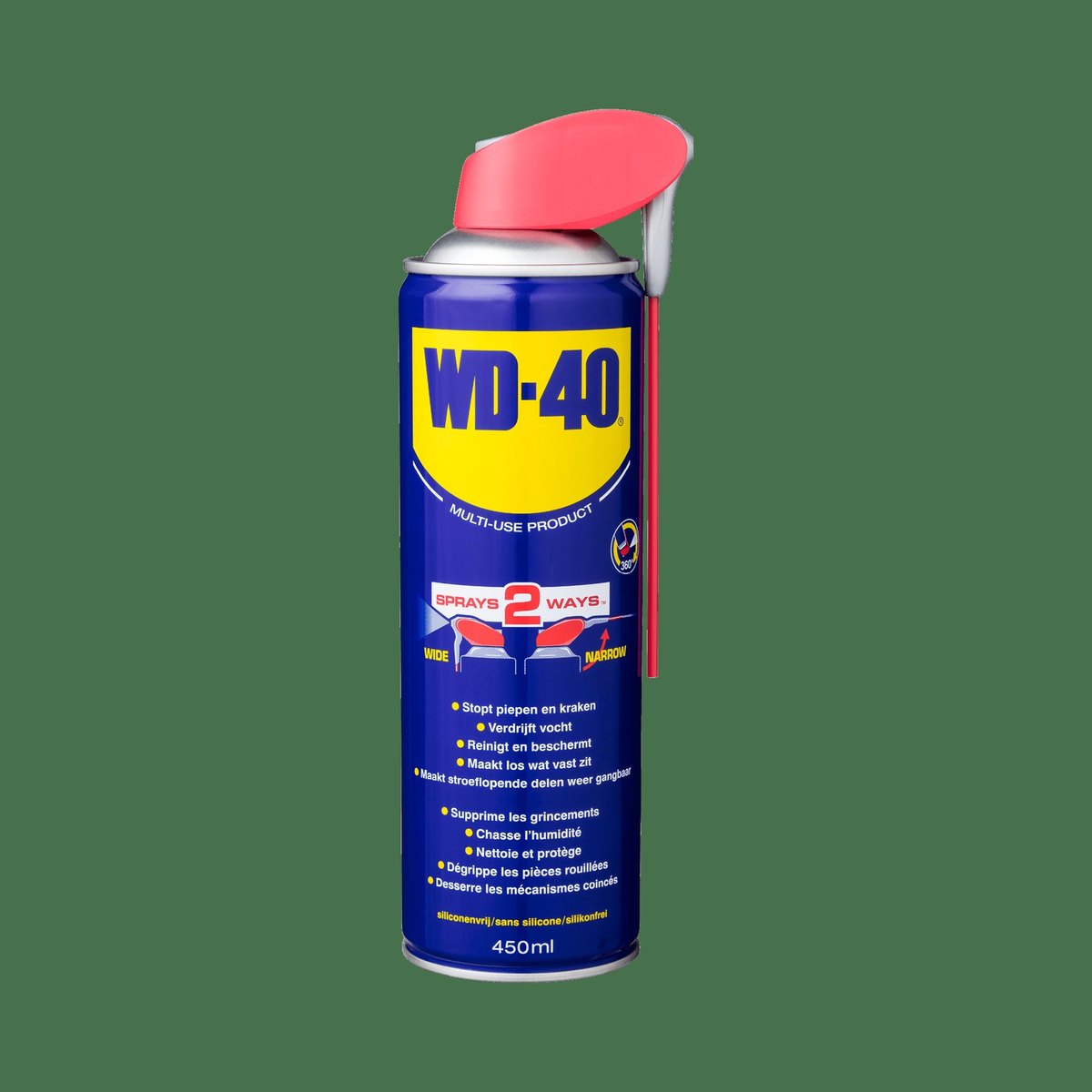
Some condensers are fixed in place; use a dryer cleaning brush and a vacuum cleaner instead. Before refitting, treat the condenser's rubber seals with WD-40 Specialist Silicone: it keeps the rubber from drying out and helps maintain a good seal.
Step 3
Wipe the drum and sensor
Wipe the inside of the drum with a well wrung cloth dipped in warm water with a little detergent, then dry it. Many dryers have a moisture sensor that adapts the programme to the load, usually metal strips near the filter. Find them in the manual and wipe them gently: a dirty sensor makes the dryer stop too early or run too long.
Step 4
Clean the door seal
Moisture and mould collect easily on the door seal. Clean it with a sponge and soapy water, then wipe it dry. Afterwards apply a little silicone to the rubber with a cloth: the seal stays supple, wears less and the door closes tightly. If the seal is cracked, replace it.
Step 5
Stop a squeaky door
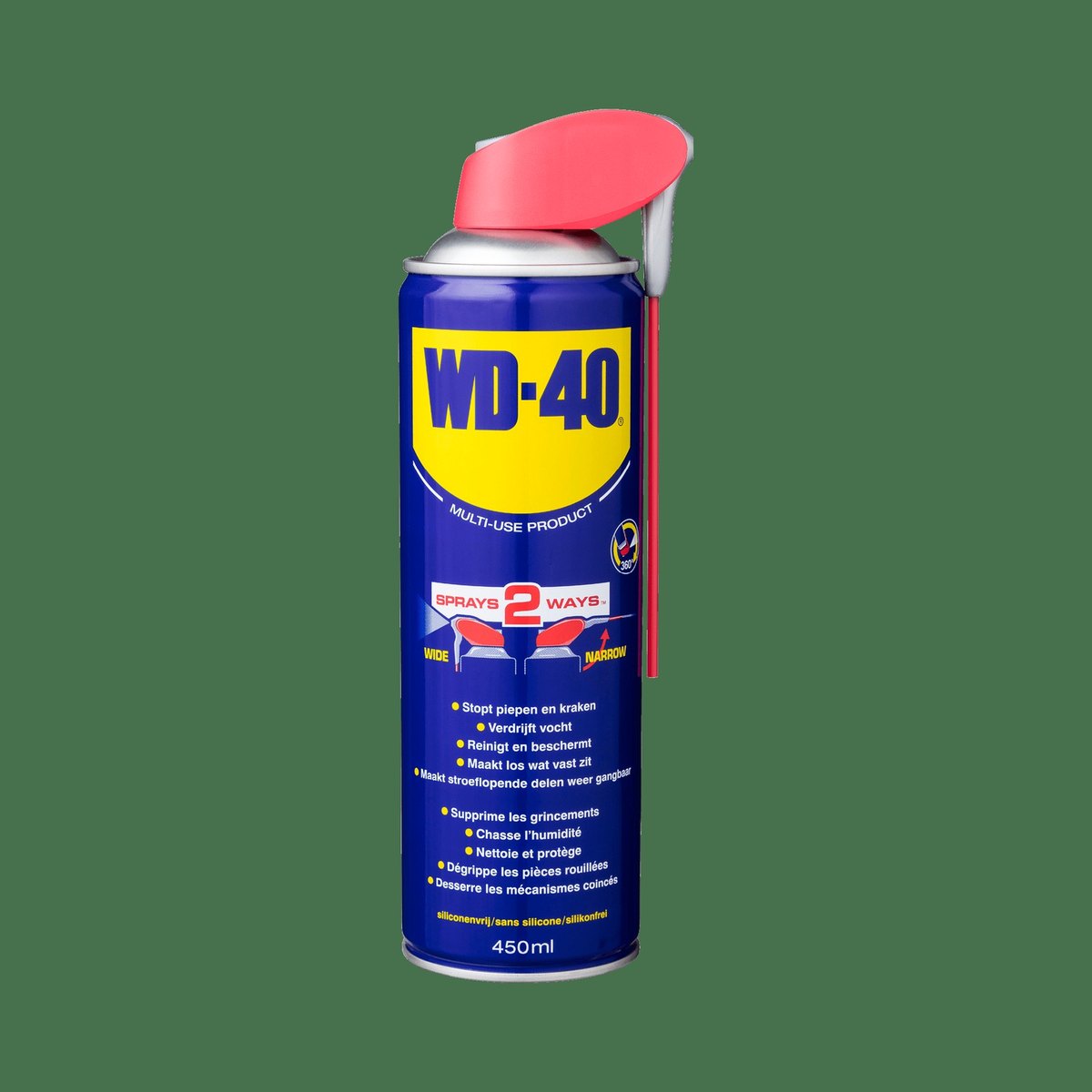
If the door squeaks when opening or closing, the hinges need lubricating. Flip up the thin straw on WD-40 Smart Straw and apply precisely to the hinges so nothing gets into the drum. Open and close the door a few times and wipe off the excess with a dry cloth.
Tip: Every few months vacuum the ventilation grilles on the casing, and on a vented dryer check the exhaust hose is not clogged with lint. Leave space between the dryer and the wall for air to circulate.
What next
Clean the lint filter after every cycle and the drum and condenser every 1-2 months. Your dryer will dry faster, use less energy and last longer. A washing machine needs similar care, especially its door seal and drain filter.
These uses come from the experience of WD-40 users in many countries. Always follow the instructions and warnings on the product label.
More guides in «How to use».