Stainless steel in the kitchen only looks spotless for a few days after cleaning. The fridge door, cooker hood, bin, sink and tap soon collect fingerprints, greasy specks and water marks. Hard tap water adds white streaks on top.
Stainless steel resists corrosion thanks to a thin protective film on its surface. Because that film is so thin, the metal needs gentle cleaning: no abrasives and no steel wool. A thin coat of lubricant lifts greasy marks, restores an even shine and slows down new fingerprints.
What you will need
Important: Treat only cold surfaces: never apply lubricant to a hob that is on or hot, or near an open flame. Rinse the sink and anything that touches food with water and washing-up liquid afterwards.
Step 1
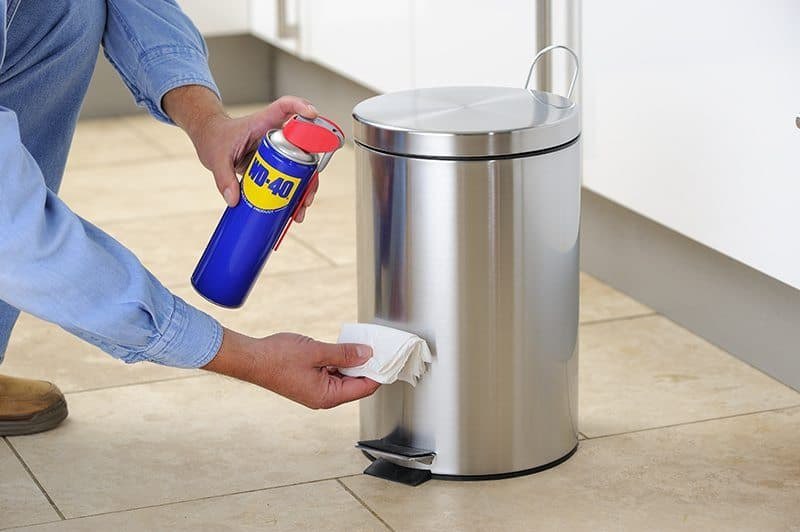
Spray lubricant onto a cloth
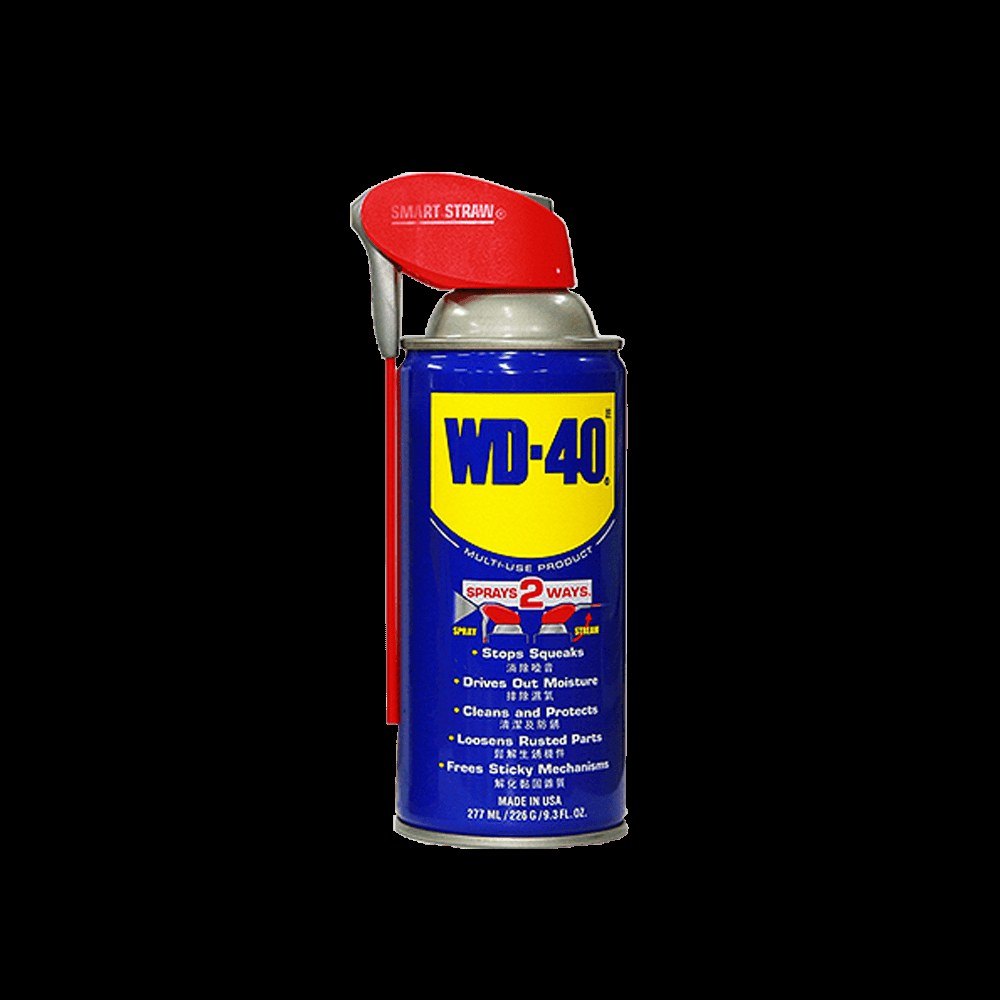
For everyday care, spray a little WD-40 Multi-Use onto a soft microfibre cloth rather than directly onto the surface. This gives a thin, even layer with no drips. The WD-40 Smart Straw makes it easy to dispense small amounts.
Step 2
Wipe along the grain
Gently wipe the fridge door, cooker hood, bin or panels. Follow the direction of the brushed finish rather than wiping in circles, so you do not leave fine scratches or streaks.
Do not press hard, to avoid damaging the steel's protective film. If fingerprints remain, go over the area again.
Step 3
Deal with stubborn marks
Where the surface is heavily soiled, spray the lubricant directly onto the mark and leave it for a few minutes. Then work it gently with a soft sponge or brush and wipe with the cloth.
Never use metal scourers or harsh abrasives: stainless steel can start to rust in the scratches.
Step 4
Clean the sink
Empty the sink, spray lubricant onto a clean cloth and wipe the whole bowl, paying attention to stains and deposits around the drain. For a heavily stained sink, let the product work for a few minutes.
Afterwards always rinse the sink with water and washing-up liquid and dry it.
Step 5
Buff to a shine
With the second clean, dry cloth, wipe off excess lubricant and buff the surface along the grain. The thin film left on doors and hoods helps keep the shine longer and makes new fingerprints less visible.
Tip: Scratched stainless steel is more vulnerable to corrosion. If doors or outdoor fittings are already scratched, wipe them regularly with a cloth and
WD-40 Multi-Use: it displaces moisture and protects the weakened spots.
What next
Wipe stainless steel once a week and stubborn marks will never have time to build up. If rust spots have already appeared, see our guide to removing rust from stainless steel, and quieten squeaky cupboard doors with the same WD-40 Multi-Use.
These uses come from the experience of WD-40 users in many countries. Always follow the instructions and warnings on the product label.
More guides in «How to use».