A lubricated chain does not mean the whole bike is protected. Bolts, spokes, nipples, cables, derailleurs, pedals and bare areas of the frame face rain and puddle spray every day, and road salt and de-icers in winter. Moisture sits in threads and gaps, and within a few months orange spots appear and bolts refuse to budge.
A thin protective layer of WD-40 Multi-Use displaces moisture and leaves a film that slows corrosion. The job takes 20-30 minutes and matters most in autumn, before winter storage and after rides on wet roads.
What you will need
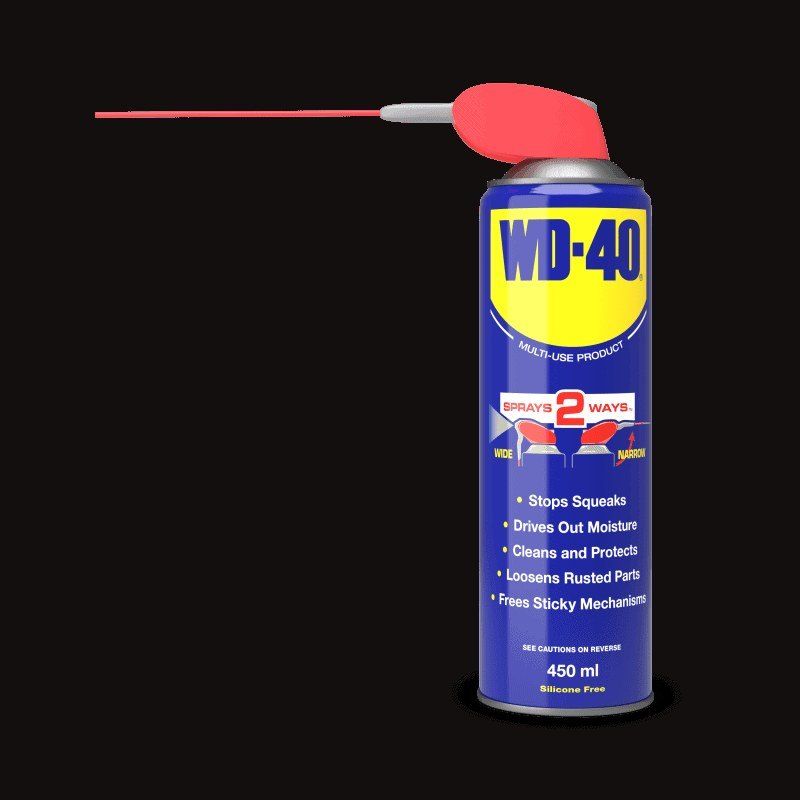
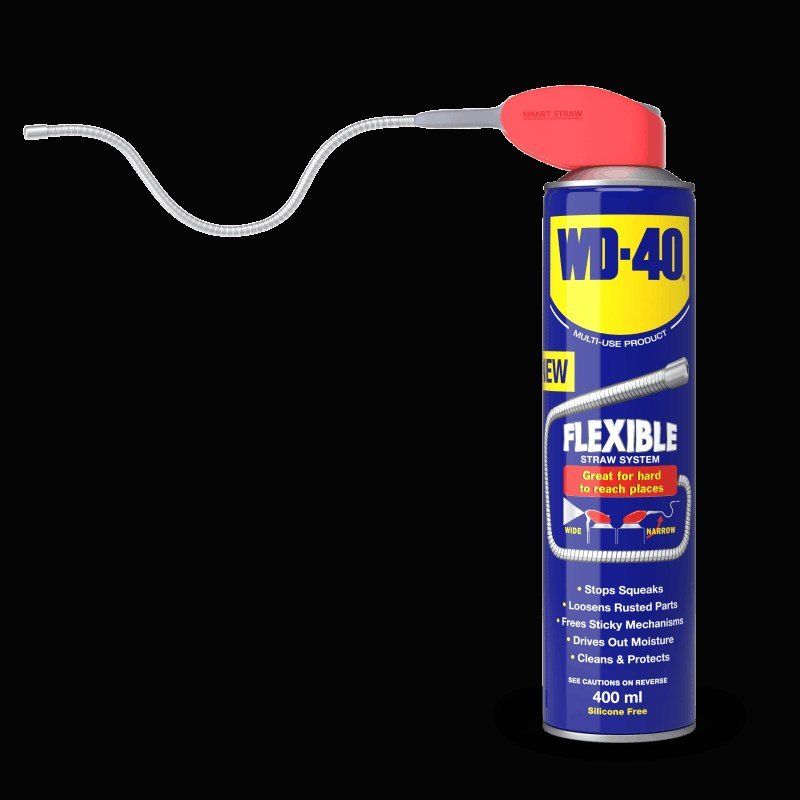
- WD-40 Multi-Use 400 ml or WD-40 Smart Straw for precise application
- A bike stand or a spot where the bike stands securely
- A hose or a bucket of water and a soft brush
- Mild bike or car shampoo
- Dry towels or microfibre cloths
Important: Keep the product off brake discs, pads, rim braking surfaces and tyres. Cover them with a cloth before spraying, and remove any overspray straight away with a cleaner that leaves no film.
Step 1
Wash the bike
Put the bike in a stand so you can reach every part. Rinse off sand and mud with a gentle stream from the hose, taking care around the bottom bracket and hub bearings. Apply a mild shampoo, brush the frame, fork, wheels and derailleurs, then rinse with clean water after a few minutes.
Step 2
Dry it thoroughly
Wipe the bike with dry towels, paying attention to tube joints, bolts and the area under the seat tube where water collects. Leave it to dry for another 15-20 minutes somewhere warm. The less moisture left behind, the better the protection.
Step 3
Apply a protective layer to the metal
Spray WD-40 Multi-Use from 15-20 cm onto bare and chrome metal parts: mounting bolts, spokes and nipples, fork, handlebar, pedals, seat post, brackets and cables where they leave their housings. A painted metal frame can take a thin coat for extra shine and dirt resistance.
Step 4
Treat the tight spots
For threaded joints, derailleur springs, jockey wheel axles and locks, the straw of WD-40 Smart Straw works best. Apply it precisely and work the mechanisms back and forth a few times so the product spreads inside. This also cures light squeaks and restores smooth movement.
Step 5
Remove the excess
After a few minutes, wipe the treated surfaces with a clean cloth. The metal should keep a barely noticeable film, not drips. Excess attracts dust, so do not skip this step. Check once more that there is nothing on the brakes or tyres.
Tip: Take a pocket-sized
WD-40 100 ml on long rides or tours. After getting caught in the rain, a quick spray on bolts and cables stops moisture before it can do any harm.
What next
Repeat the treatment monthly during the season, after every wet ride and always before winter storage. If you ride through salted roads in winter, protect the metal weekly. Look after the chain separately with dedicated chain products.
These uses come from the experience of WD-40 users in many countries. Always follow the instructions and warnings on the product label.
More guides in «How to use».