Cleaning up is the least enjoyable part of a barbecue. Yet a grill cleaned after every use lasts longer, heats more evenly and does not smoke with old fat. Carbon and grease on the grate make food stick, and in a gas grill they also clog the burners.
Give it a thorough clean at least twice a year: at the start of the season and before winter storage. A damp autumn followed by frost quickly turns an unprotected body into rusty sheet metal.
What you will need
- wire brush (a soft brass one for gas grills)
- sponge, microfibre cloths, paper towels
- bicarbonate of soda, white vinegar, washing-up liquid
- bucket of warm water
- WD-40 Multi-Use to protect the body
- WD-40 Smart Straw for wheels, hinges and screws
Important: Never apply WD-40 to the grate or any surface that touches food, or to a hot grill. Before cleaning a gas grill, close the cylinder valve and disconnect the hose.
Step 1
Clean the grate
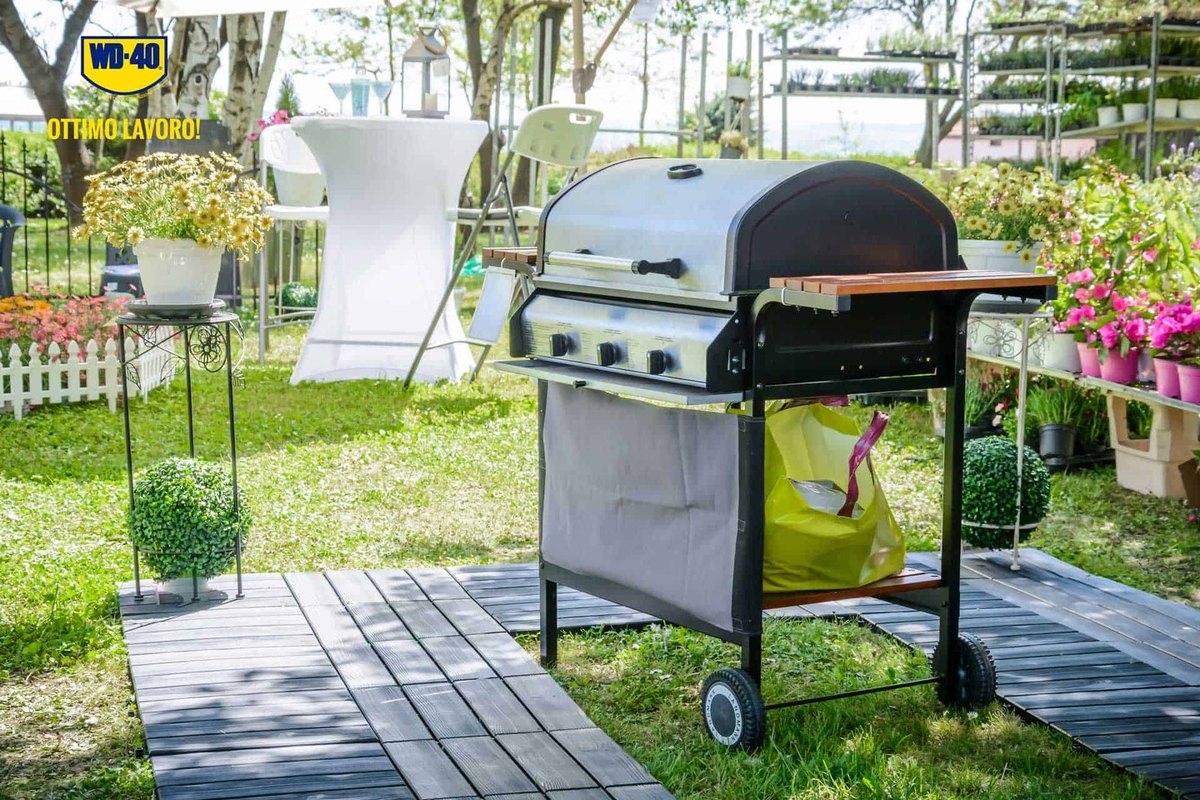
The grate is easiest to clean while still warm: a wire brush removes food residue with little effort. For baked-on carbon, mix bicarbonate of soda with a little water into a thick paste, spread it on the grate for 10 to 15 minutes, then scrub with the brush and rinse thoroughly.
Another method: lay wet newspaper over the cold grate or wrap it in a damp cloth overnight. In the morning the deposits come off easily with a sponge or a ball of foil.
Step 2
Remove the ash and clean the bowl
Wait until the charcoal is completely out and cold, then remove all ash and food scraps: left behind, they cause unpleasant smoke next time. Wash the bowl with warm water and detergent and dry it. Scrub any burnt-on spots with the wire brush.
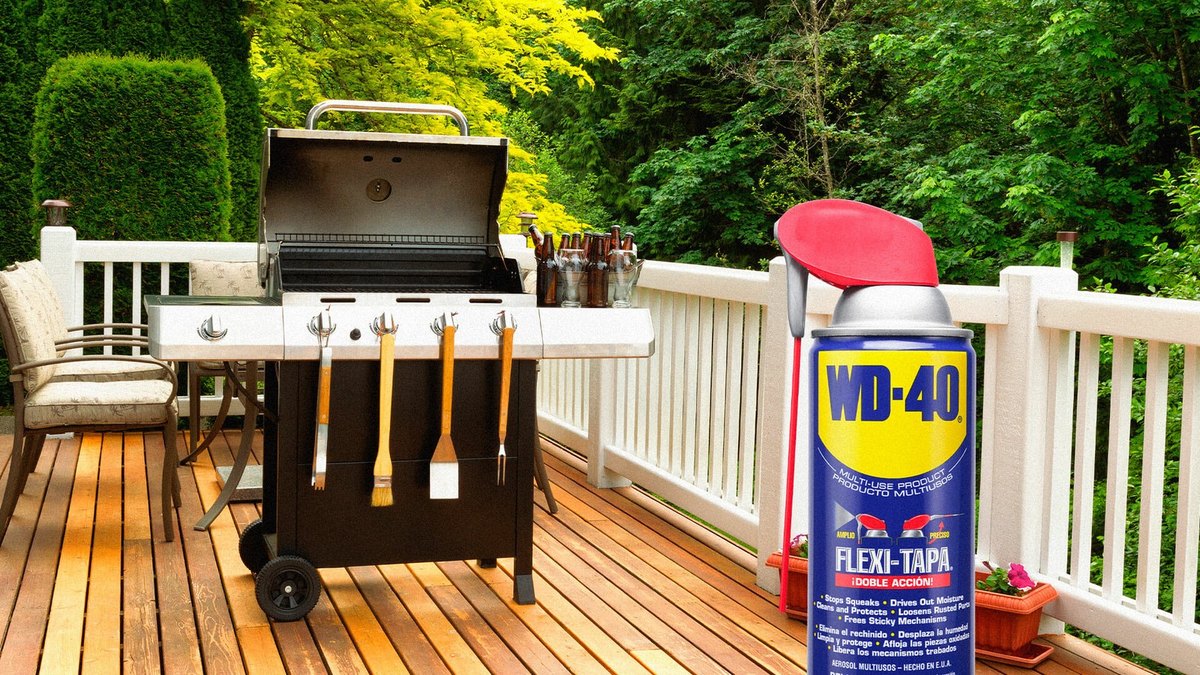
In a gas grill, remove the grates and scrape fat from the walls and corners with a soft wire brush. The interior can be washed with a solution of warm water and vinegar.
Step 3
Wash the grease tray
Soak up most of the fat with paper towels. Soak the tray for 15 minutes in hot water with washing-up liquid, wipe with a sponge, rinse and dry it before putting it back.
Step 4
Protect the body from rust
Wash the painted exterior from top to bottom with a soft sponge and warm soapy water, avoiding abrasives that could scratch the paint. Rinse and dry.
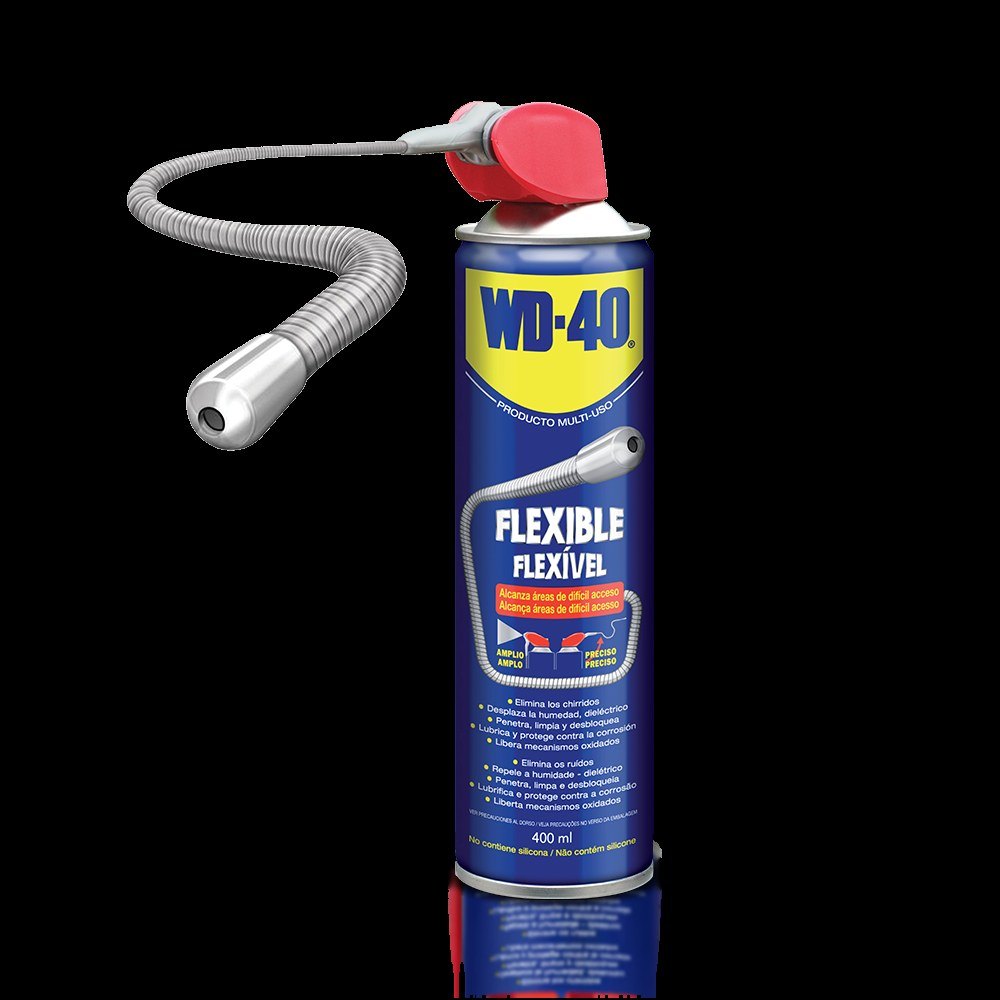
Spray WD-40 Multi-Use onto a dry cloth and spread it over the outside of the body and lid. It leaves a thin protective film, displaces moisture and stops rust forming during winter storage. Do not treat the grate or the cooking chamber.
Step 5
Lubricate wheels, hinges and fasteners
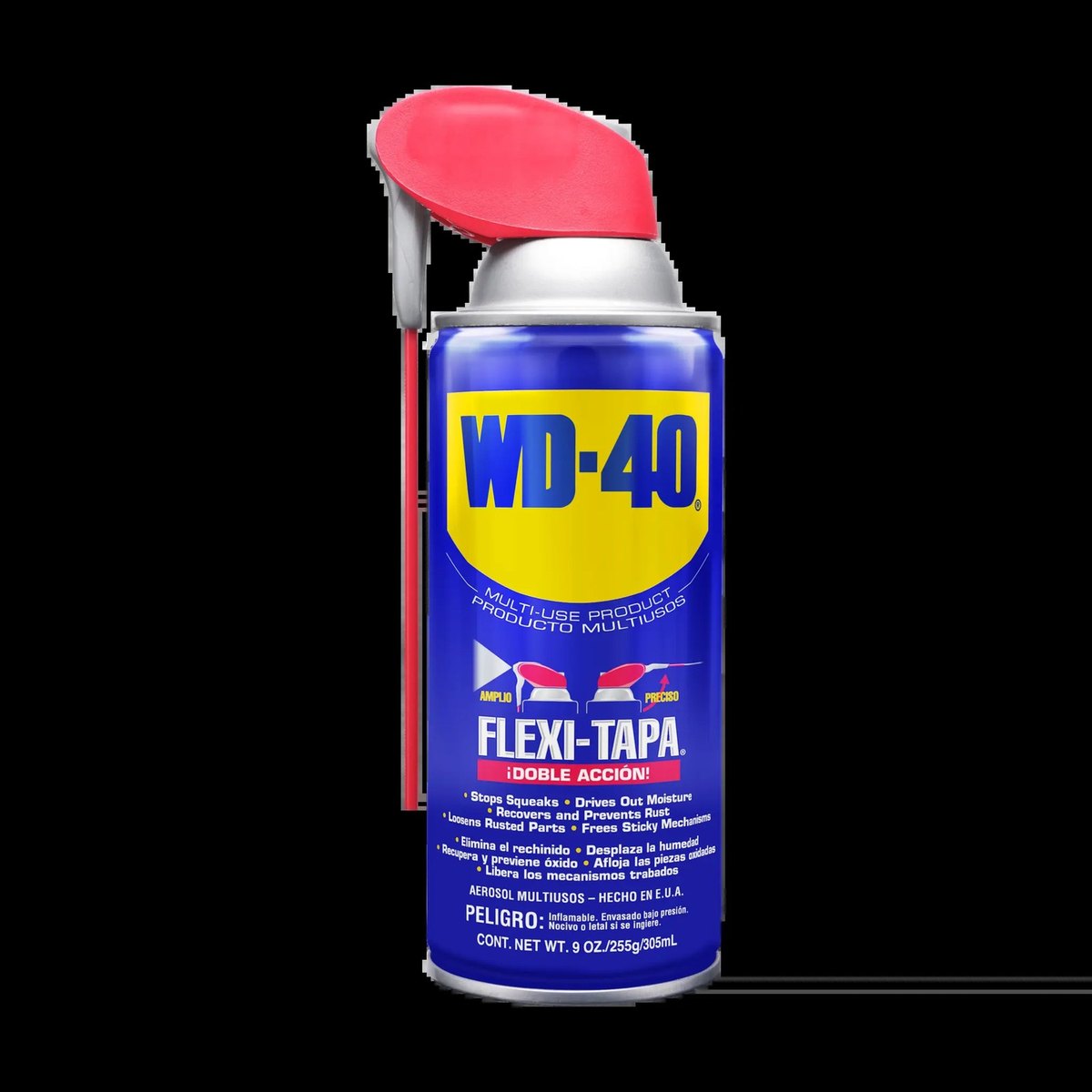
After a season, the wheels, lid hinges and air vents start to squeak and stick. Spray WD-40 Smart Straw through the thin straw onto the wheel axles and hinges, work them a few times and wipe off the excess. Treat the body screws and bolts too, so they do not seize and the grill can be taken apart easily.
Tip: Before each cook, brush the hot grate with vegetable oil or rub it with half a lemon. Meat and vegetables will not stick, and cleaning takes far less time.
What next
Brush the grate and remove the ash after every use, and give the grill a full clean with a protective coat of WD-40 Multi-Use on the body in spring and autumn. Over winter, cover it and store it somewhere dry.
These uses come from the experience of WD-40 users in many countries. Always follow the instructions and warnings on the product label.
More guides in «How to use».