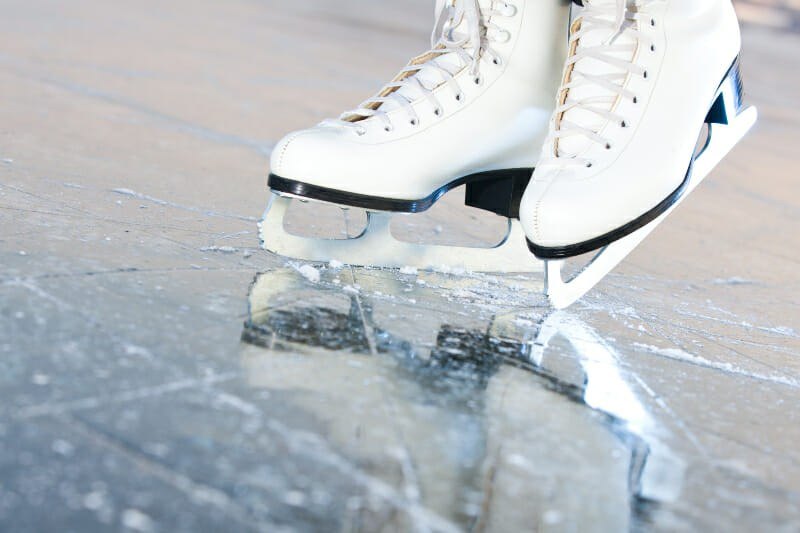
In winter the ice rink becomes a favourite outing, and skates are exposed to water, ice shavings and temperature swings every time you skate. Dirt and rust spoil the glide, and a damaged blade can cause a fall.
Looking after skates at home is easy: clean the boots, deal with rust promptly, keep an eye on sharpness and store them properly. Here is how to do it step by step.
What you will need
- microfibre cloth or an old cotton T-shirt
- warm soapy water
- shoe deodoriser or white vinegar in a spray bottle
- fine-grit sandpaper
- screwdriver or skate key
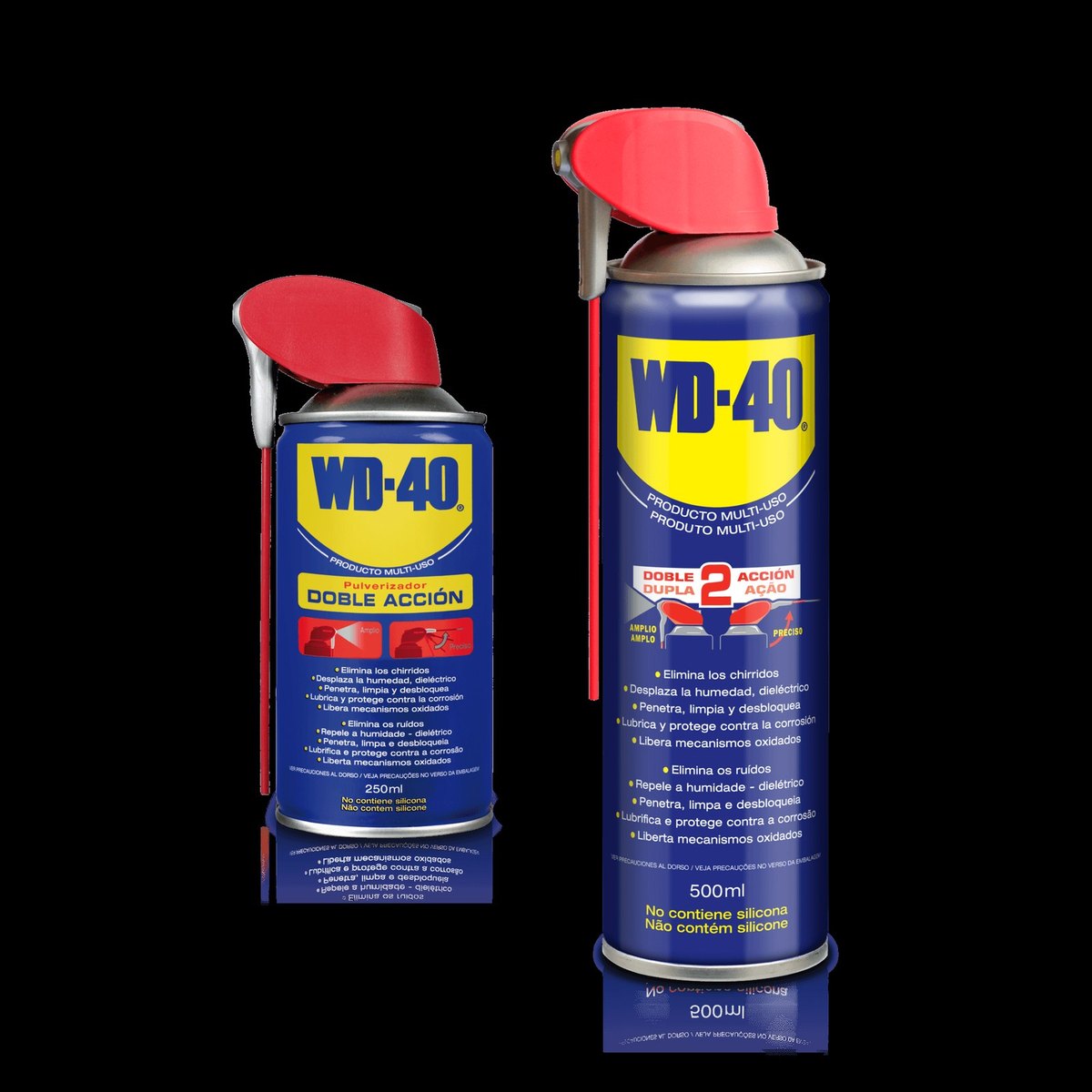
- WD-40 Multi-Use
- WD-40 100 ml for your kit bag
- leather care product and fabric blade covers
Important: A deeply rusted blade loses strength, which is dangerous on the ice. If the rust is deep or you are unsure about the blades, have a professional check them. Wipe the blades dry before skating so no product is left on them.
Step 1
Clean the boots
After long storage, skates gather dust that damages the boot material. Wipe all surfaces with a microfibre cloth dampened in warm soapy water. Do not soak leather boots, or the leather will dry out and crack. Laces can go in the washing machine with your normal load.
Unpleasant odours can be tackled with a shoe deodoriser or white vinegar in a spray bottle, which also slows bacteria. Remove the insoles after skating and dry them separately. Once the boots are dry, treat them with a matching polish or clear wax for water-repellent protection.
Step 2
Remove rust from the blades
Light rust spots can be removed at home. Spray a little WD-40 Multi-Use onto the blade and gently rub the rust with fine sandpaper in circular motions, gradually increasing the pressure. Keep away from the blade edges so you do not spoil the sharpening.
Finish by wiping the blade with a cloth to remove product and rust residue.
Step 3
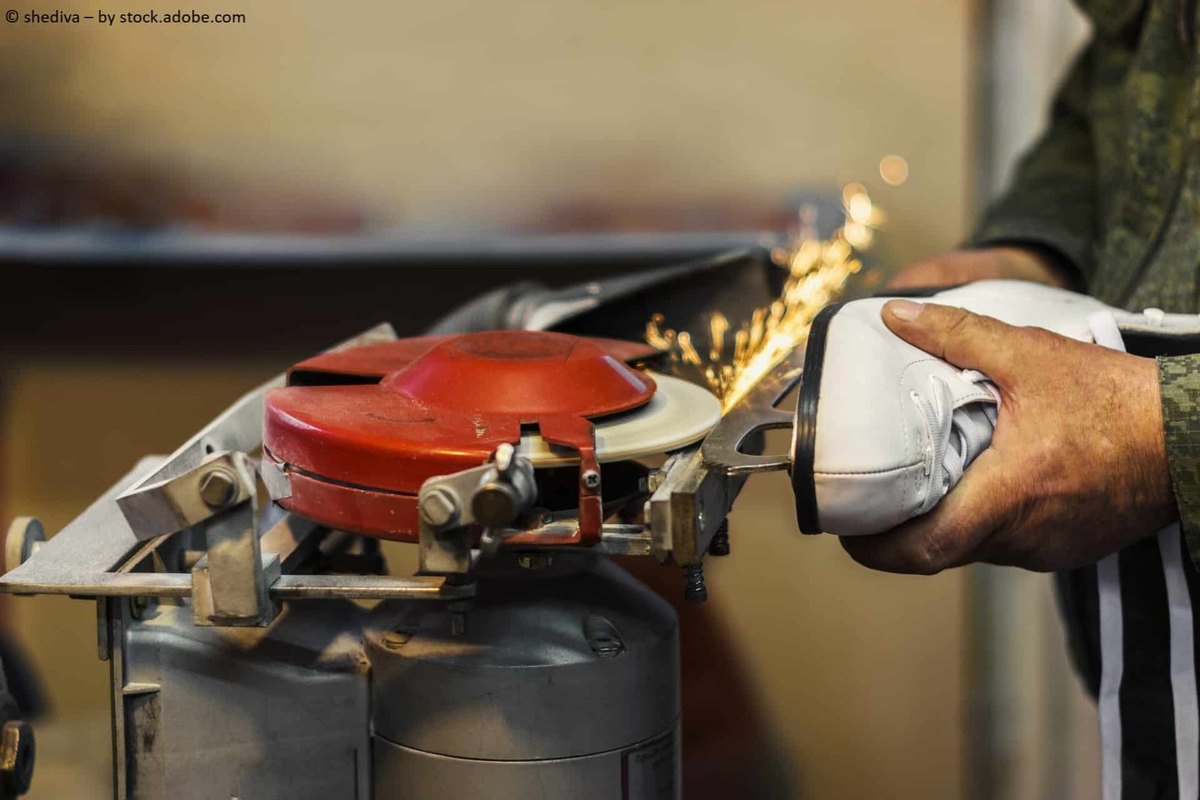
Check the sharpening
With frequent use, blades go dull and grip the ice less well. Professional sharpening is the safest option: even a few millimetres out makes a noticeable difference on the ice.
If you sharpen at home, use a dedicated hand-held skate sharpener and follow its instructions exactly. Hold the skate securely, for example in a vice with soft jaws.
Step 4
Tighten the blade mountings
Before each session, check that the blade is firmly fixed to the boot. A loose mounting means a risk of falls and injury. Use the key supplied with the skates.
If screws are seized and the blade needs replacing, apply a little WD-40 Smart Straw through the thin straw, wait a few minutes and undo them.
Step 5
Protect the blades after skating
Blades get wet every time, so dry them thoroughly after skating. Then rub in a thin layer of WD-40 Multi-Use with microfibre: it displaces moisture and leaves a water-repellent film that slows corrosion. Wipe off the excess.
A small WD-40 100 ml can fits neatly in a kit bag alongside a cloth.
Step 6
Store the skates properly
Keep skates somewhere clean and dry, away from sharp or heavy objects. Fit rubber guards only on completely dry blades and do not store skates in them for long: trapped moisture causes rust. Fabric covers are better for storage.
Before off-season storage, take out the insoles and give the blades a protective coat.
Tip: After an outdoor rink, where the area near the entrance is often treated with de-icing salt, wipe the blades with a damp cloth first and then dry them: salt speeds up rusting dramatically.
What next
Dry and protect the blades after every session, clean the boots every few weeks and check the sharpening at the start of the season. Your skates will last for many winters.
These uses come from the experience of WD-40 users in many countries. Always follow the instructions and warnings on the product label.
More guides in «How to use».