Shelves collect everything: dust on bookshelves, sticky grease and soot in the kitchen, price label and tape residue in cupboards, rusty rings from tins and corroded fixings on metal racking in the pantry or garage. An ordinary damp cloth only deals with part of it.
Each kind of dirt needs its own approach. Here is a simple routine for getting shelves of any type clean without damaging the finish.
What you will need
- a soft brush or duster
- warm water with washing-up liquid
- microfibre cloths and paper towels
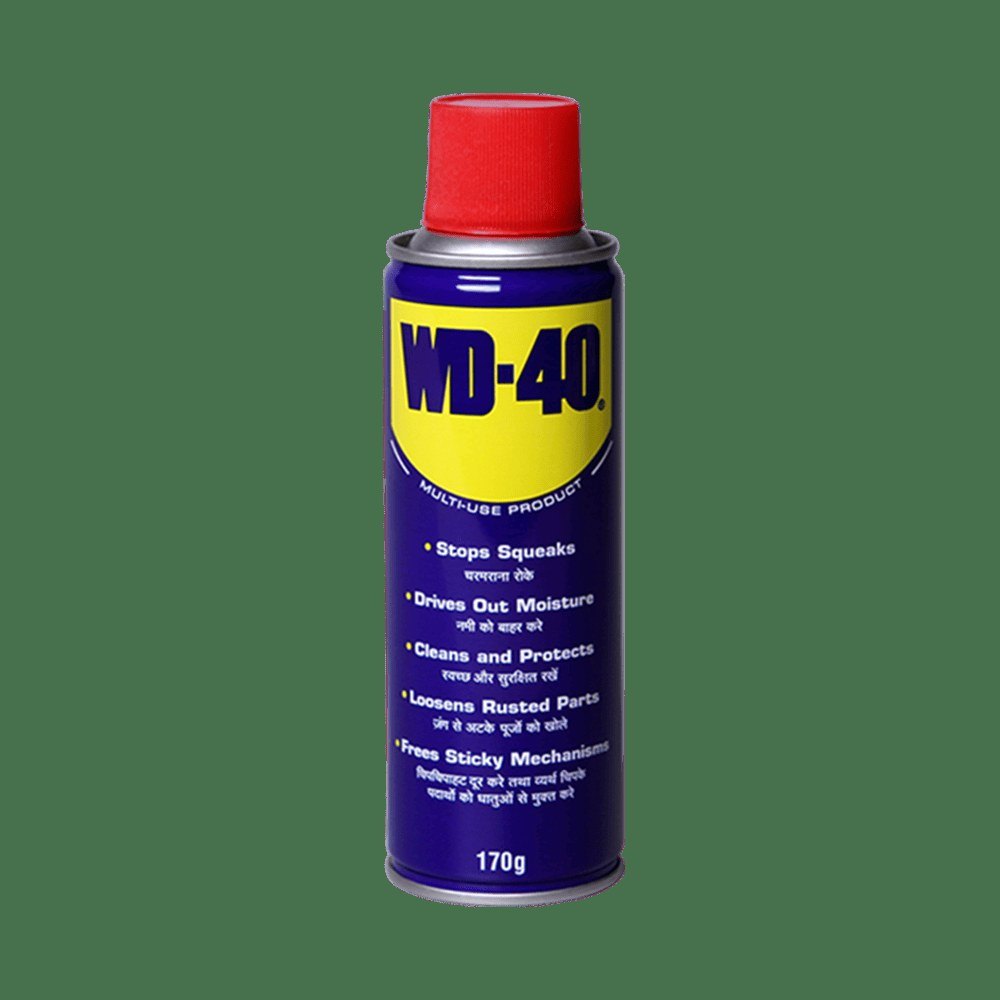
- WD-40 Multi-Use for adhesive residue, greasy marks and rust
- WD-40 Smart Straw for precise treatment of fixings
- a screwdriver to dismantle racking
Important: WD-40 is not intended for food-contact surfaces: in the kitchen, always wash the shelf with soapy water afterwards, and only put food and crockery on a clean, dry surface. Test lacquered and painted shelves on a hidden spot first.
Step 1
Empty the shelves and dust them
Take everything off the shelves and set aside anything spoilt or unwanted. Brush the dust off from the top shelf downwards so dirt does not fall on areas you have already cleaned. Lay newspaper on the floor under the unit if you like.
Step 2
Wash kitchen shelves
Wipe the shelves with a cloth dipped in warm water and washing-up liquid, which cuts kitchen grease well. Leave a damp cloth on old sticky marks for a few minutes, then wash them off.
If label glue remains on edges or doors, put a little WD-40 Multi-Use on a paper towel, rub the mark, then always wash the area with soapy water and dry it.
Step 3
Remove glue and marks in cupboards
Cupboards and shelves for household items often carry tape marks, price labels and grease stains. Spray a little WD-40 on the mark, wait 2-5 minutes for the adhesive to soften and wipe it off with a paper towel. Finish with a soapy damp cloth so no film remains.
Step 4
Sort out metal racking
Metal racking in the pantry, on the balcony or in the garage often has rust marks and seized bolts. Dismantle it if possible. Wipe off light rust and dirt with a cloth and WD-40 Multi-Use, and use the straw of WD-40 Smart Straw on bolts, nuts and brackets: seized fixings come undone more easily and the metal is protected from moisture.
Badly rusted screws and nails are best replaced.
Step 5
Look after bookshelves
Wooden and laminated bookshelves only need wiping with a barely damp microfibre cloth and drying straight away, as excess water damages chipboard and veneer. Use a furniture care product for polishing. Dust the top edges of books before putting them back.
Step 6
Reassemble and restock
Once everything is dry, reassemble the racking, tighten the fixings and put your things back. Keep heavy items low down and stand jars and damp containers on coasters so they do not leave rings.
Tip: In a garage or on a balcony, where winters are damp and cold, wipe metal shelves and fixings with a cloth lightly sprayed with WD-40 after cleaning. The thin film repels moisture, so rust takes far longer to appear.
What next
Dust shelves weekly, wash kitchen shelves monthly and do a full clean with racking dismantled in spring and autumn. Keep WD-40 Smart Straw with your tools: it also helps with cupboard door hinges and squeaky drawers.
These uses come from the experience of WD-40 users in many countries. Always follow the instructions and warnings on the product label.
More guides in «How to use».