After winter a terrace looks tired: weeds push up between the slabs, green algae coats the joints, the barbecue has left grease stains and the metal feet of furniture and pots leave rusty rings. In a damp spring, moss and algae spread especially quickly.
A thorough terrace clean takes one weekend, and then you can enjoy it all season. Below is the sequence for slabs, concrete and timber decking.
What you will need
- a broom, dustpan, stiff brush and scraper
- a bucket, warm water, soft soap, bicarbonate of soda and white vinegar
- a pressure washer (if you have one)
- for timber: a wood cleaner and a decking stain or wax
- WD-40 Smart Straw to protect metal fixings and furniture
- for grease stains on dense tiles: WD-40 Specialist Degreaser (on request)
Important: Do not apply WD-40 to surfaces people walk on, as they will become slippery. Test any product on a hidden area first, especially on natural stone and coated tiles. Wear gloves and glasses, and keep vinegar away from lawns and plants.
Step 1
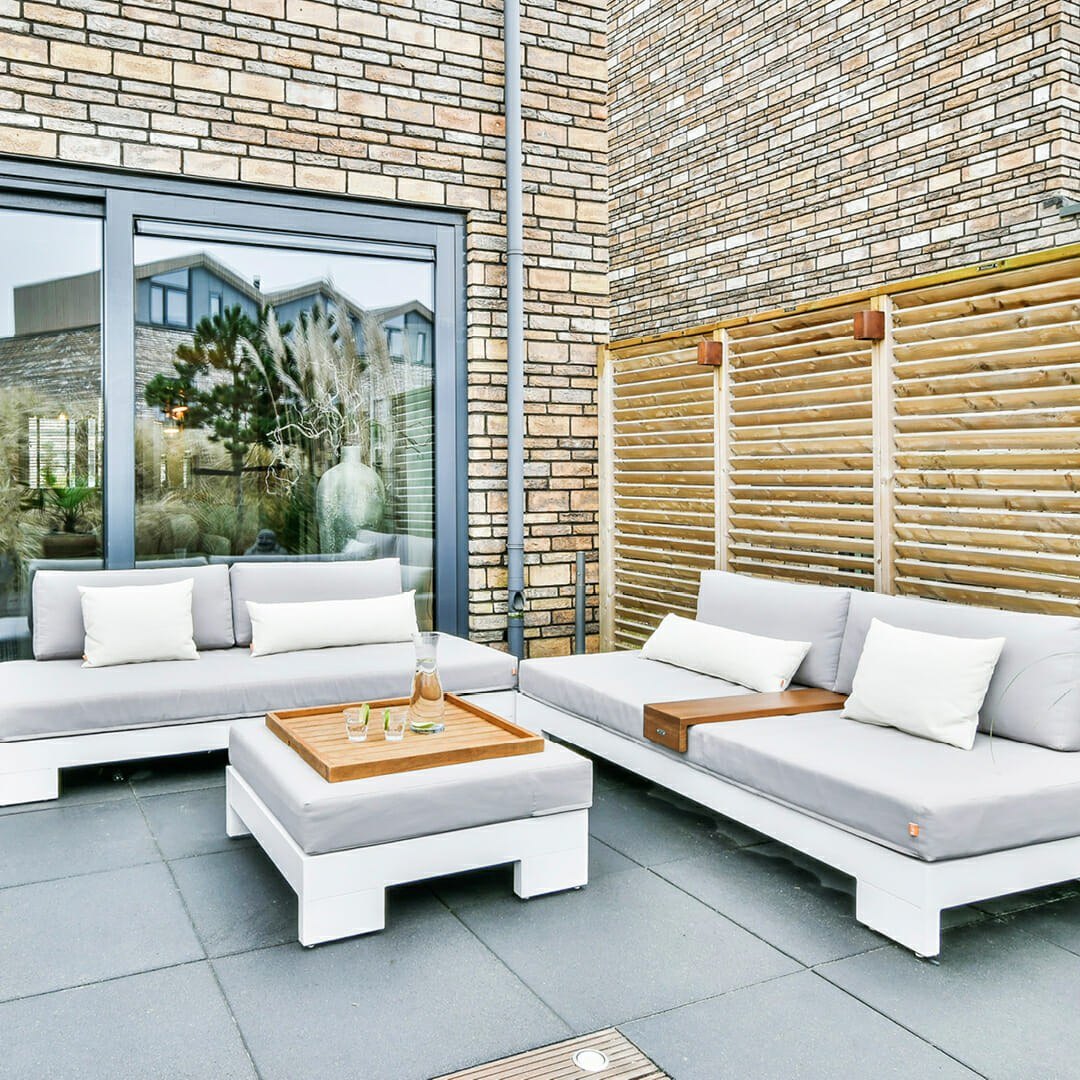
Clear and sweep the terrace
Move furniture, pots, watering cans and mats off the terrace. Sweep up leaves, twigs, sand and small stones thoroughly. Remove weeds between the slabs with a scraper or a joint knife: if the roots stay, they will soon be back.
Step 2
Remove grease stains
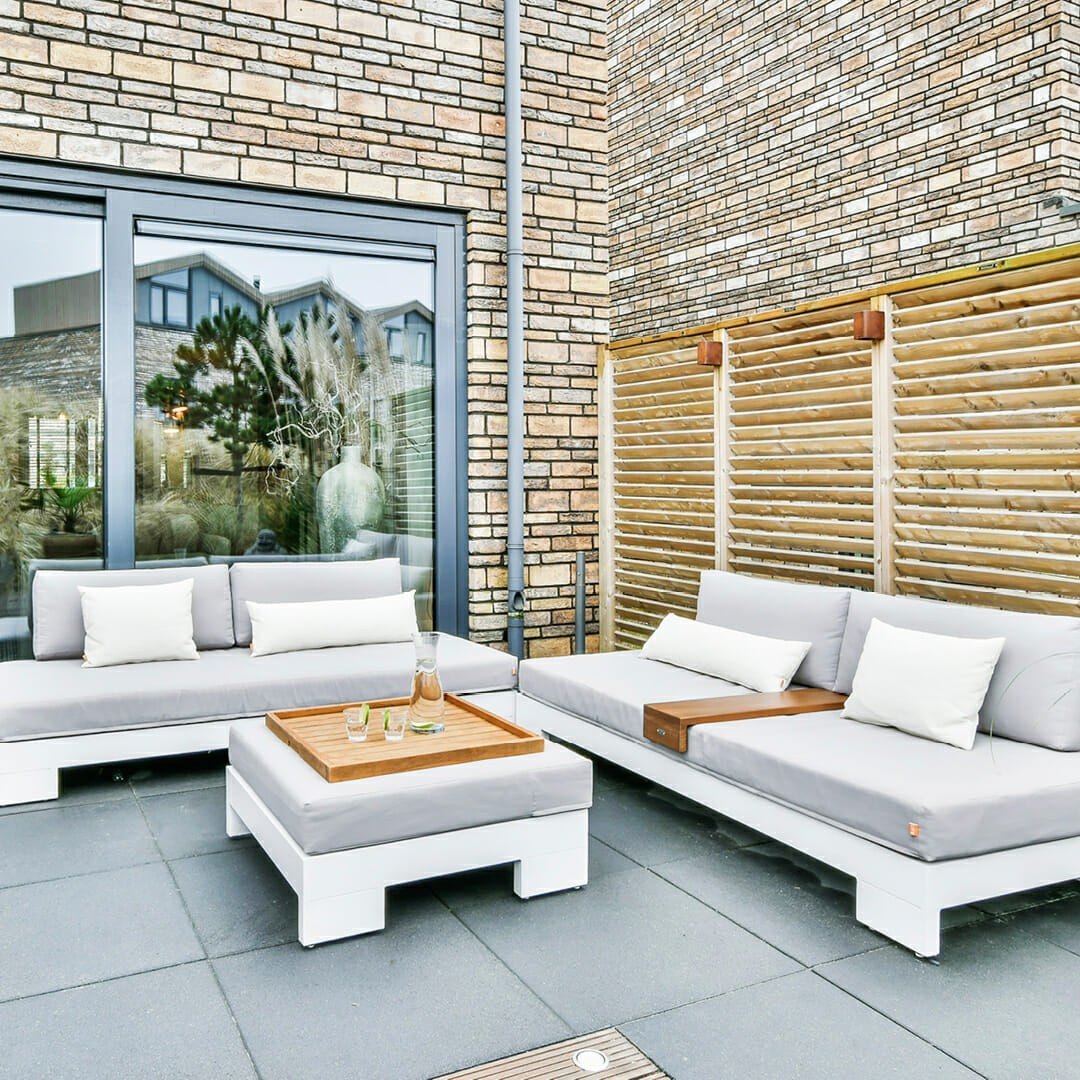
Scrub barbecue, cooking oil or engine oil stains with a tablespoon of soap per litre of warm water, leave for a few minutes and rinse. On a fresh stain, sprinkle bicarbonate of soda, leave it for a few hours to absorb the grease, then rinse with water.
For old stains on dense, non-porous tiles, use WD-40 Specialist Degreaser: apply, leave for a few minutes, wipe and rinse thoroughly with water.
Step 3
Get rid of moss and green algae
Scrape thick moss off at the base, then go over it with a stiff brush. A vinegar and water solution works well on green algae: pour it on with a watering can, leave it for a day or two and scrub clean. Another option is a mix of soda, soap and warm water.
A pressure washer gives the fastest result, but keep the nozzle at a distance on old joints and soft stone so you do not wash out the jointing.

Step 4
Care for timber decking
Wash timber with a mild cleaner and a brush along the grain, and use a dedicated wood cleaner for deeper cleaning. Once fully dry, apply a decking stain or wax: it keeps the colour, prevents cracking and reduces slipperiness.
Step 5
Protect metal from rust
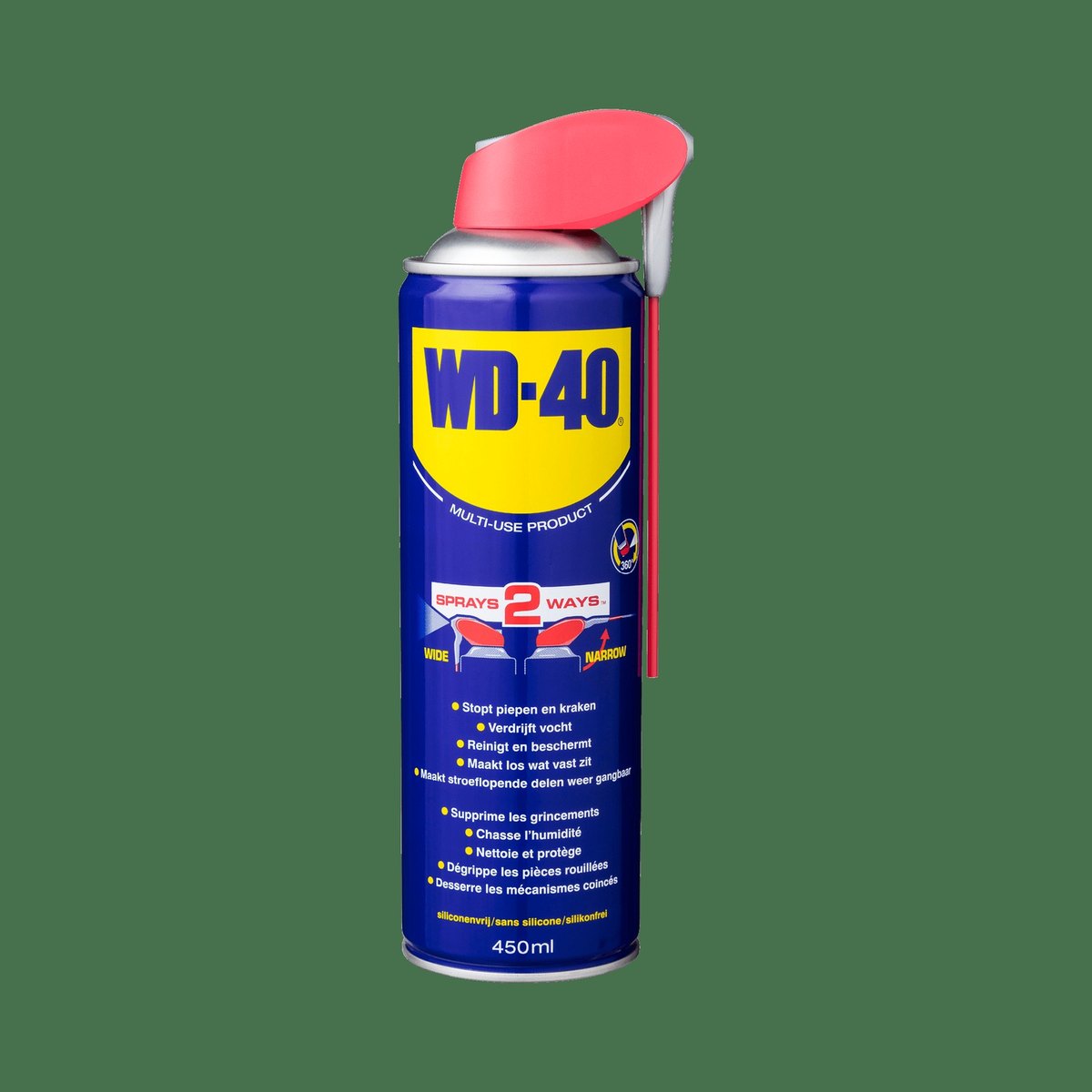
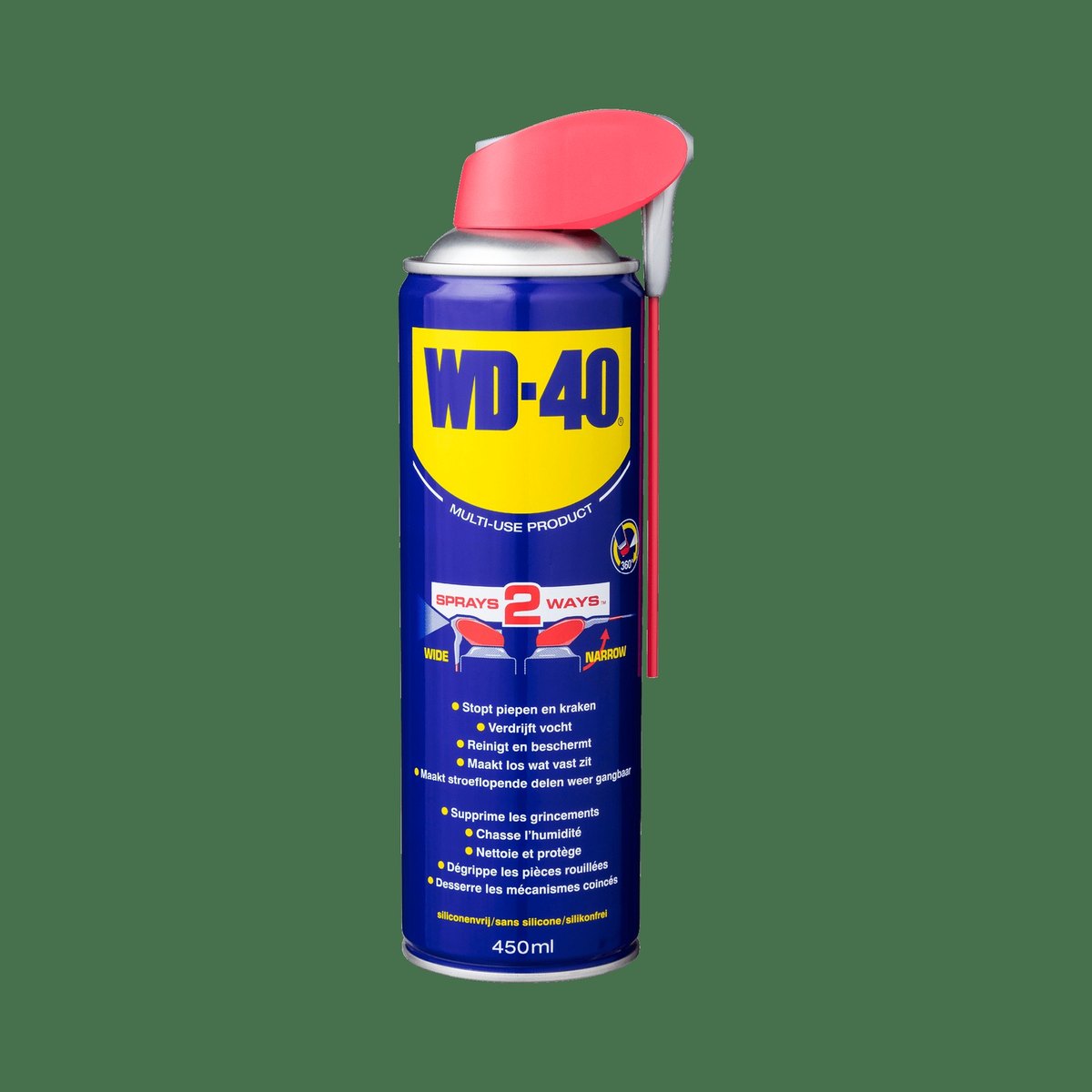
Decking screws, metal furniture legs and railing or canopy fixings rust quickly and leave orange marks on the slabs. Apply WD-40 Smart Straw through the straw, precisely and sparingly, and wipe off the excess straight away. Put plastic pads under the metal feet of pots and furniture.
Step 6
Seal porous surfaces
Concrete, natural stone and unpolished tiles soak up dirt and water. Once cleaned and dry, brush on a water-repellent sealer, wipe off the excess, leave it to dry for 24 hours and apply a second coat if needed.
Tip: Do the big clean in spring once dry weather sets in, and a quick one in autumn before the frosts. In autumn also treat metal furniture and fixings with WD-40 before storing them, so they come through a damp winter without rust.
What next
During the season, a weekly sweep and wiping fresh stains straight away is enough. Refresh metal furniture and screws with WD-40 Multi-Use every few months and the terrace will stay tidy until autumn.
These uses come from the experience of WD-40 users in many countries. Always follow the instructions and warnings on the product label.
More guides in «How to use».