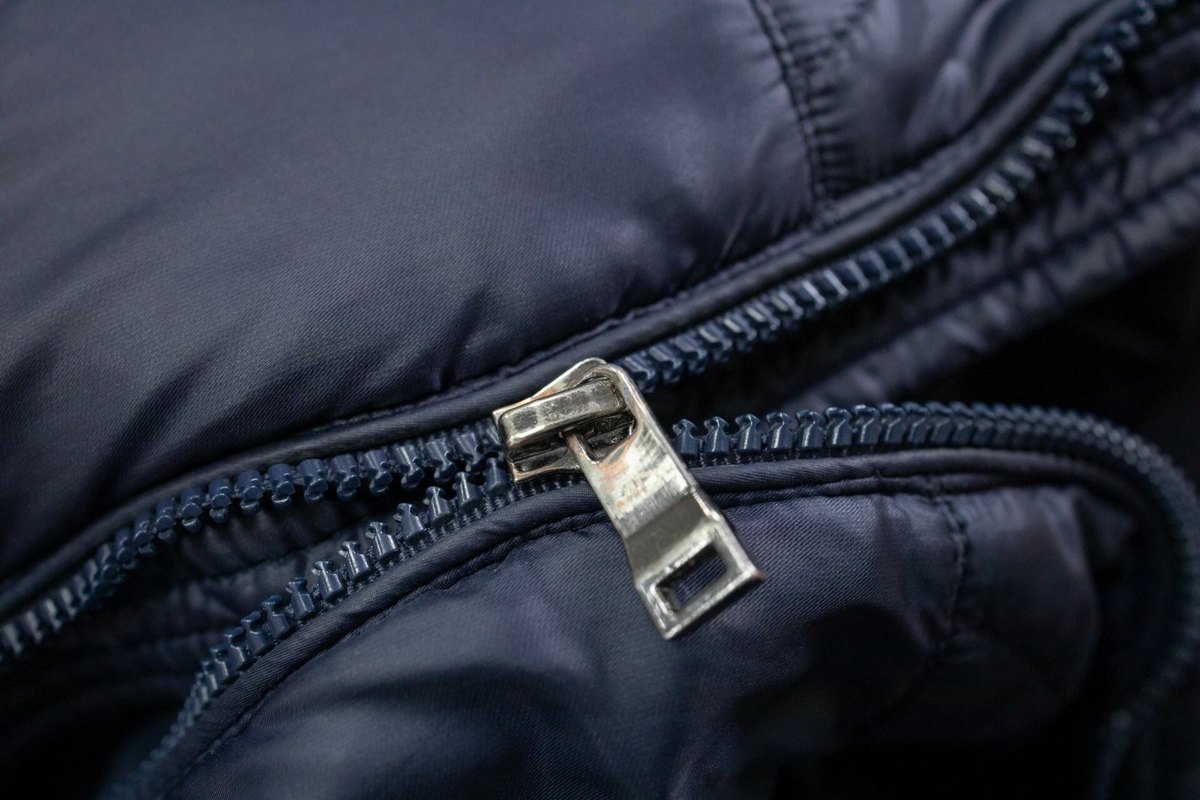
A zip always jams at the worst moment: on a jacket in freezing weather, on a rucksack on a hike or on a tent in the rain. There are several causes: fabric caught in the slider, teeth clogged with dirt and sand, metal rusted by moisture, or a slider that has spread and no longer closes the teeth.
Soap, wax or petroleum jelly sometimes help, but they do nothing for rust and have to be applied again and again. Below is how to free the zip and get it running smoothly.
What you will need
Important: WD-40 can mark light fabric, leather or suede. Apply it to a cloth or precisely to the teeth with a towel underneath, and test on a hidden area first.
Step 1
Free any trapped fabric
Check whether lining or thread is caught in the slider. If so, gently pull the fabric away from the slider while easing it back in small movements. Do not yank it, or you may break the teeth.
Brush sand and dirt out of the teeth with a dry brush.
Step 2
Protect the item
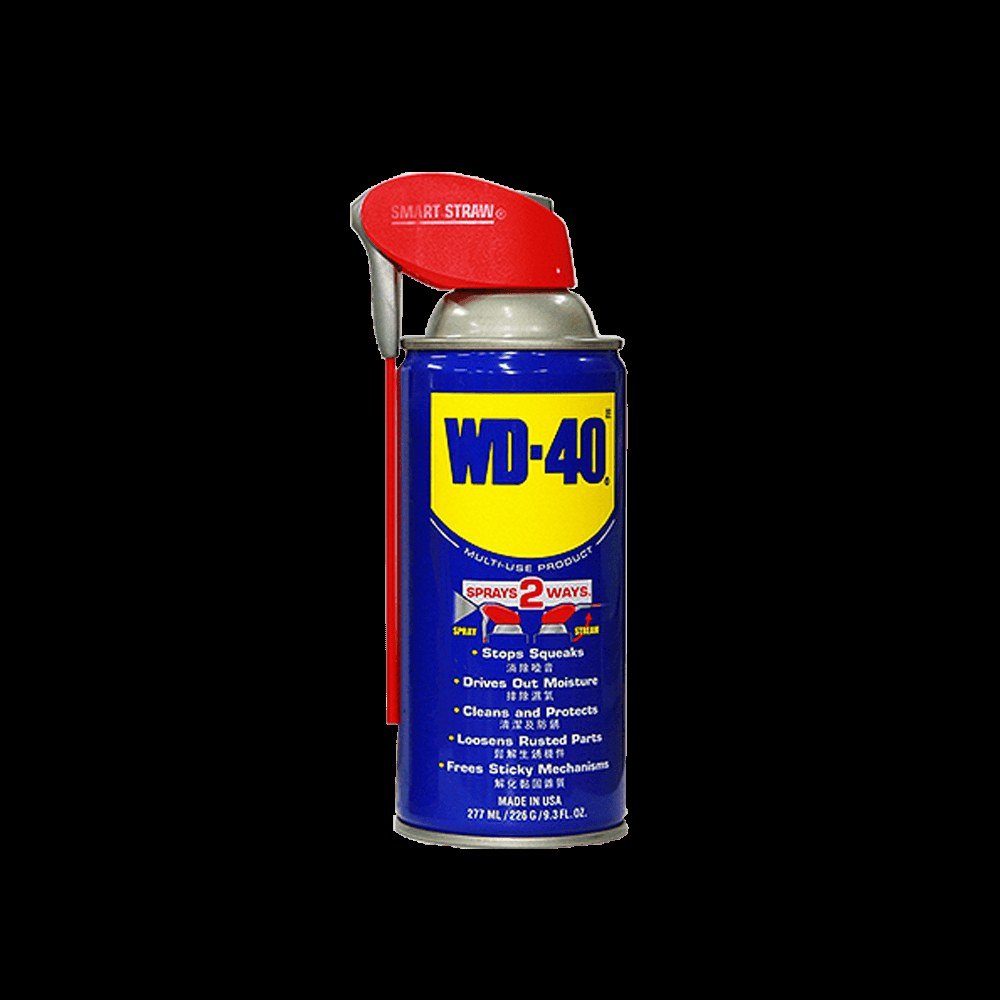
Place a folded towel under the zip on the inside and cover the fabric next to it so the product does not reach the material.
For small zips on wallets and bags it is safer to apply the product to a cloth than to spray.
Step 3
Apply lubricant
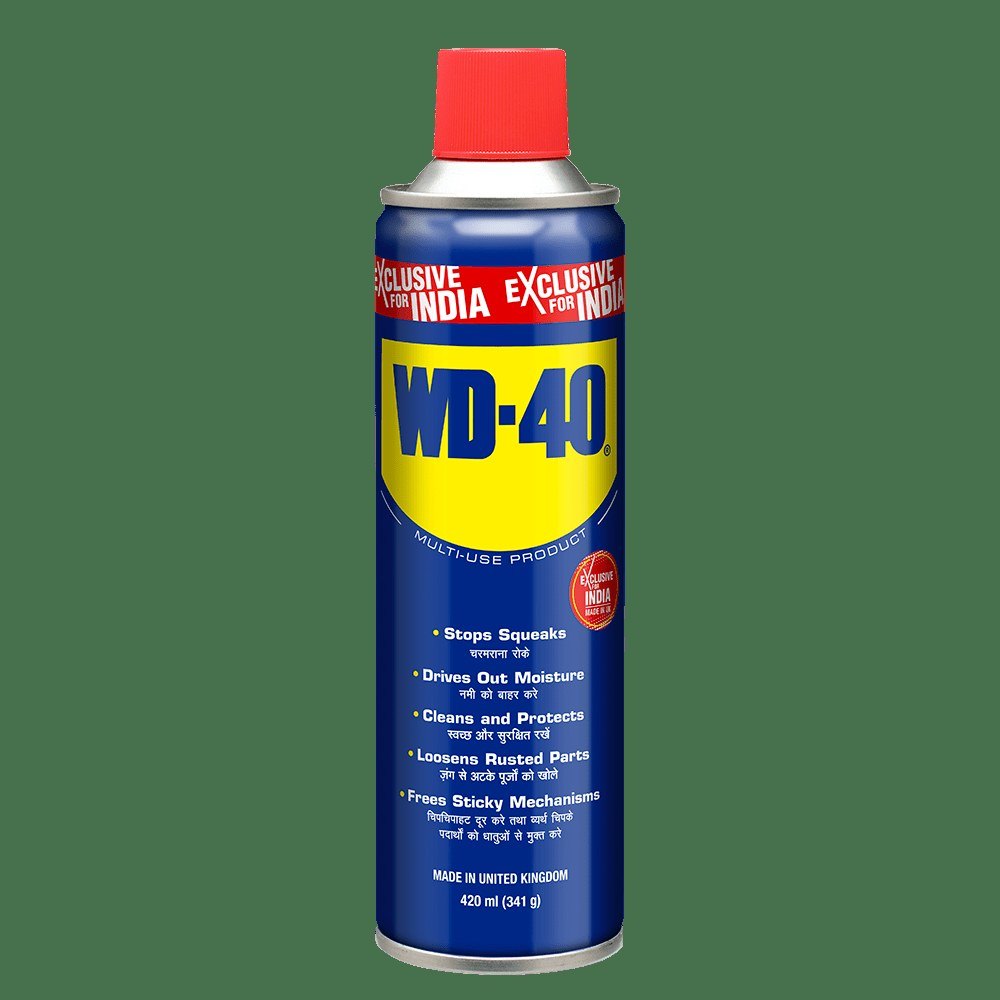
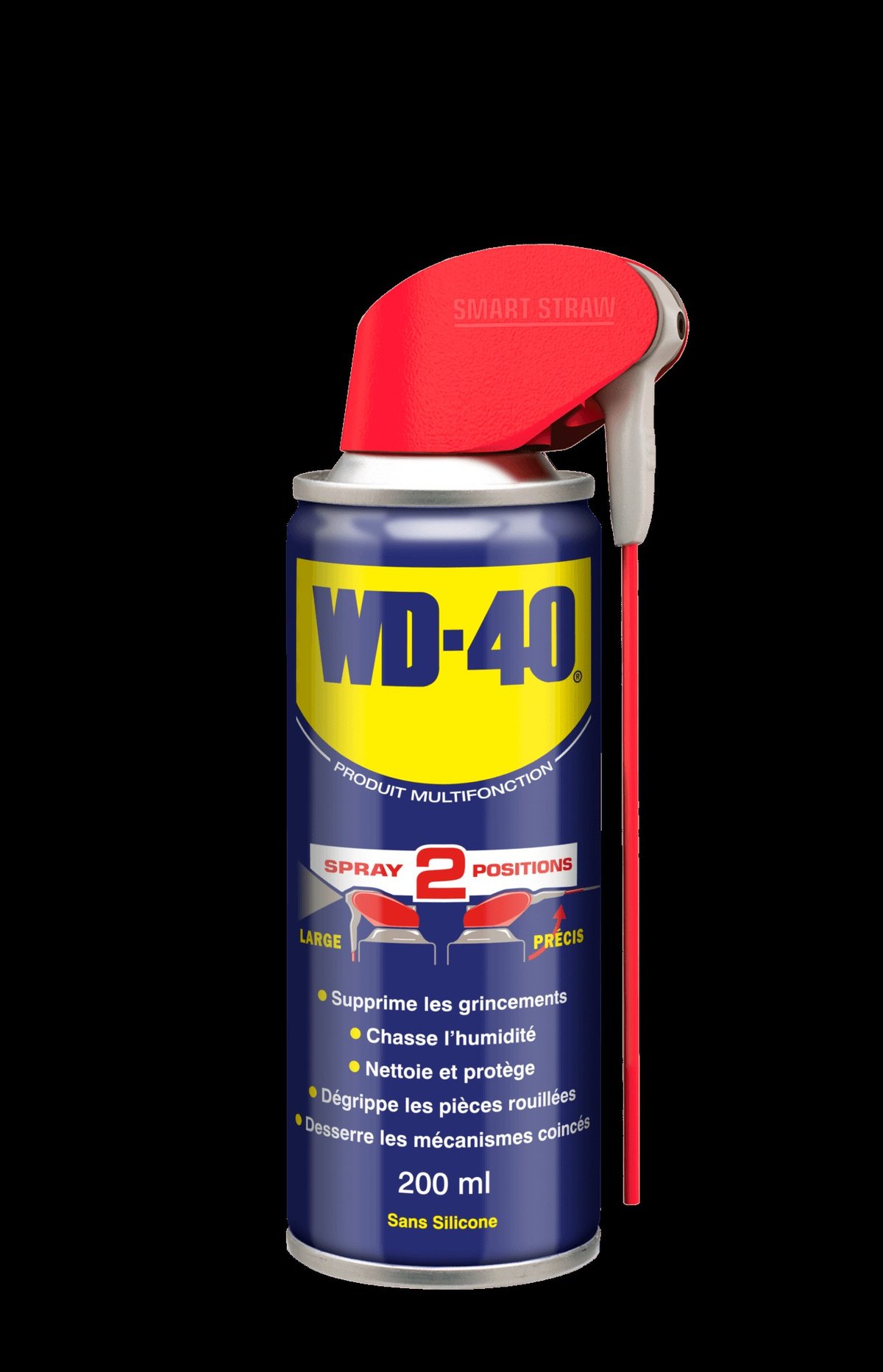
Treat a metal zip with WD-40 Smart Straw: raise the straw and give short bursts directly onto the teeth and slider, or onto a cloth and then run it along the zip. It works under rust, displaces moisture and lubricates.
For plastic zips on tents, covers and sportswear, WD-40 Specialist Silicone is the better choice, as it is safe on plastic and repels water.
Step 4
Work the slider
Wait a few minutes for the product to act, especially on rusty teeth. Then slowly move the slider up and down, gradually increasing the travel.
If the zip is still stiff, repeat.
Step 5
Wipe off excess and rust
Wipe the teeth with a clean cotton cloth: loosened rust particles come away with the product. Let the zip dry before use.
Step 6
Tighten or replace the slider
If the slider moves but the teeth part behind it, it has spread. Gently squeeze its side plates with pliers, a little at a time and alternating sides, testing after each squeeze.
If the slider is cracked, replace it with a new one of the same size: remove the end stop, fit the new slider and sew the stop back on with matching thread.
Tip: After the winter season or a camping trip, clean and lightly lubricate zips on jackets, rucksacks and tents before storing them. They will not rust by next time.
What next
Lubricate zips at the first sign of stiffness and always after contact with sea water or road salt. A compact WD-40 100 ml fits easily in a rucksack or glovebox.
These uses come from the experience of WD-40 users in many countries. Always follow the instructions and warnings on the product label.
More guides in «How to use».