A motorhome or caravan is a little home on wheels, so it needs looking after both as a vehicle and as a living space. This is especially true if it stands outdoors all year in rain, snow and sun.
Owners usually do the big service before laying up for winter, in spring when bringing it back into use, before long trips and after returning. The six steps below cover the bodywork, seals, electrics, tyres and interior.
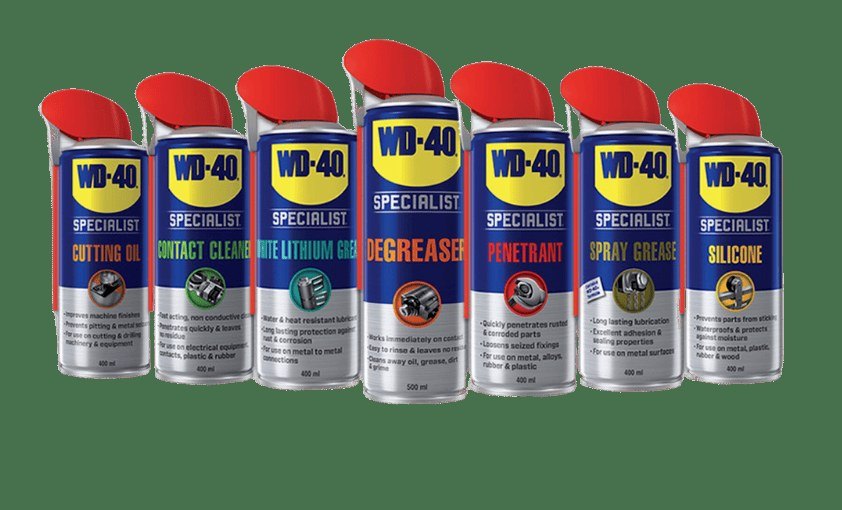
What you will need
Important: Do not spray
WD-40 Multi-Use on tyres, brakes or rubber seals: use silicone lubricant for rubber. Switch off the power and unplug the 230 V hook-up before working on contacts.
Step 1
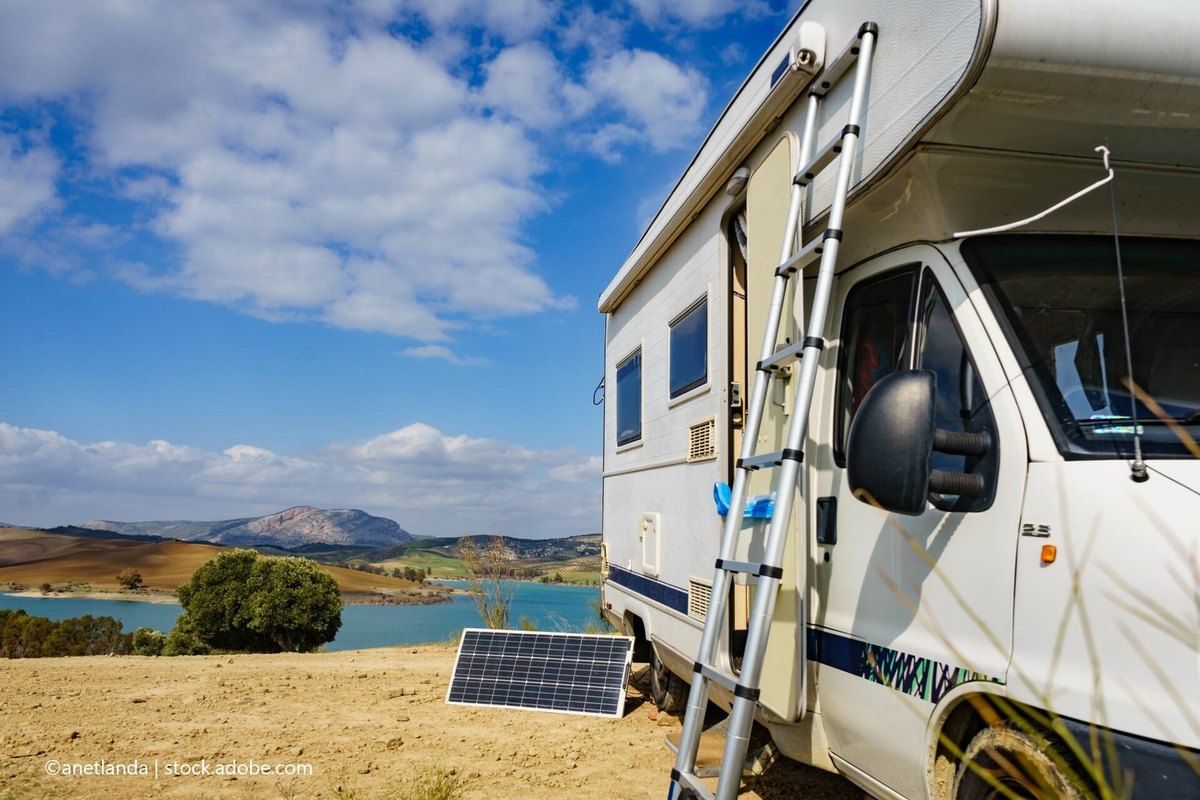
Wash the body and roof
Wash the vehicle only where it is permitted so dirty water does not soak into the ground. Wet the body with a hose first, then scrub with a telescopic brush and warm soapy water, rinse and dry with microfibre. Depending on the finish, a pressure washer can damage paint or decals, so it is better avoided.
You cannot clean the roof properly without a telescopic brush. After washing, check every surface for dents, cracks and rust and inspect the roof and rooflight seals.
Step 2
Remove stubborn dirt, clean wheels and chrome
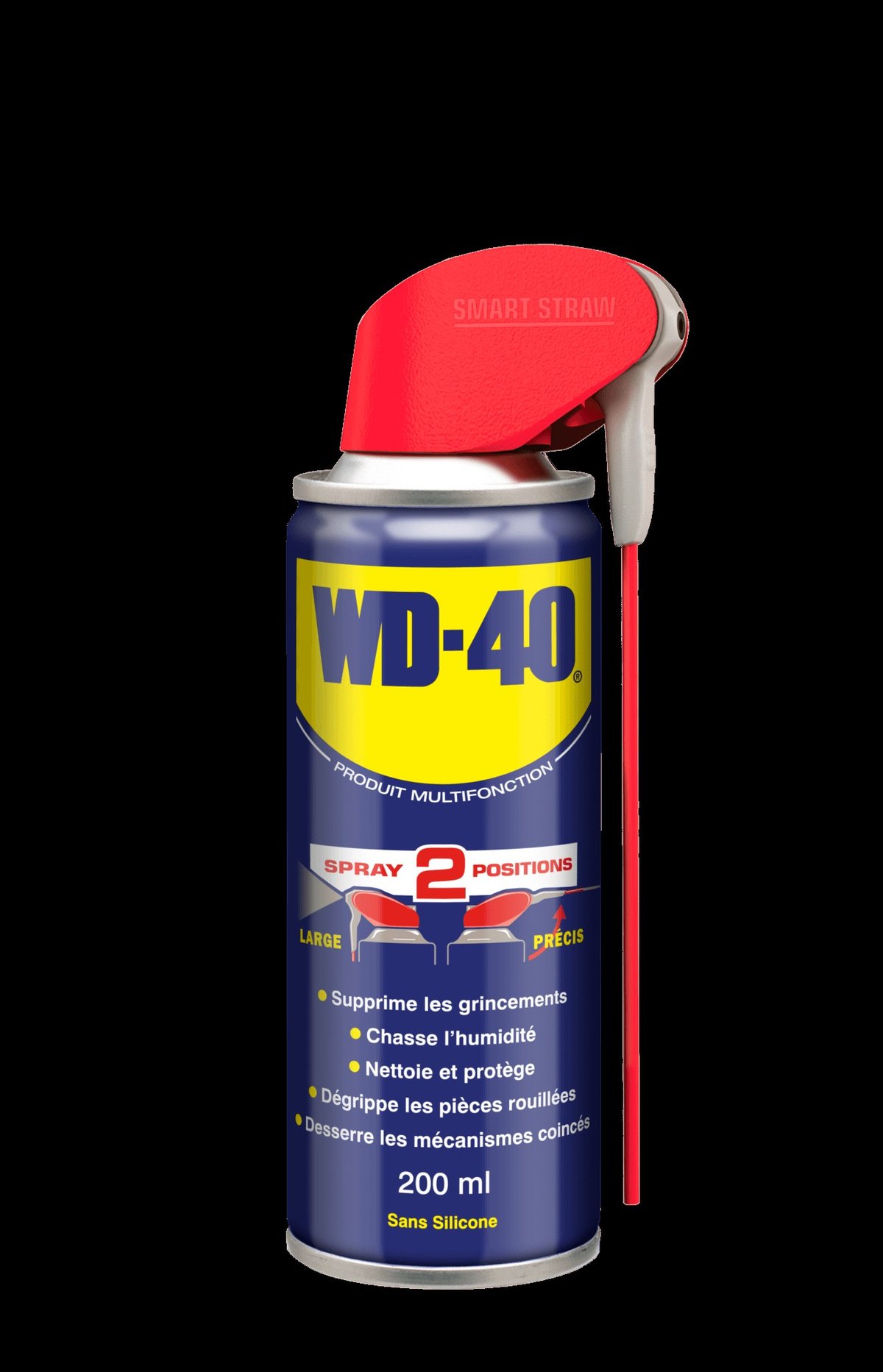
Treat tar, bug splatter and ingrained dirt on the body, wheels and chrome with WD-40 Multi-Use: spray onto a microfibre cloth or the surface, let it work briefly, buff it in and wipe off the excess. Do the same for door handles, mirrors and other chrome trim.
Make sure no product gets onto the tyres or brake discs.
Step 3
Look after the seals
After every long trip and after winter, check the seals on doors, windows, rooflights and storage lockers. Spray the rubber with WD-40 Specialist Silicone using the extension straw and spread it with a cloth: silicone keeps rubber supple and stops it cracking, freezing shut and squeaking.
Treat locker door hinges with WD-40 Specialist White Lithium Grease: it stays on metal for a long time and protects against moisture.
Step 4
Clean contacts and electrics
With the power off, clean the hook-up inlet, tow socket, light contacts and leisure battery terminals with WD-40 Specialist Contact Cleaner: it removes dirt and oxidation and restores conductivity. Replace damaged connectors straight away.
External metal parts of electrical fittings can then be protected from condensation with a thin coat of WD-40 Multi-Use.
Step 5
Check the tyre pressures
After standing for a long time, tyre pressures drop, which lengthens braking distances, worsens cornering and increases the risk of a blowout. Check the pressures with the tyres cold: recommended values are usually shown on the fuel flap or in the door frame. Inspect the sidewalls for cracks.
Step 6
Clean and lubricate the interior
After cleaning, spray cupboard door hinges, drawer runners and seat rails with WD-40 Multi-Use, move the mechanisms back and forth a few times and wipe off the excess. Squeaks disappear and everything moves smoothly. The same product removes black scuff marks from the floor.
Before winter, air the interior well and leave cupboards open to prevent mould.
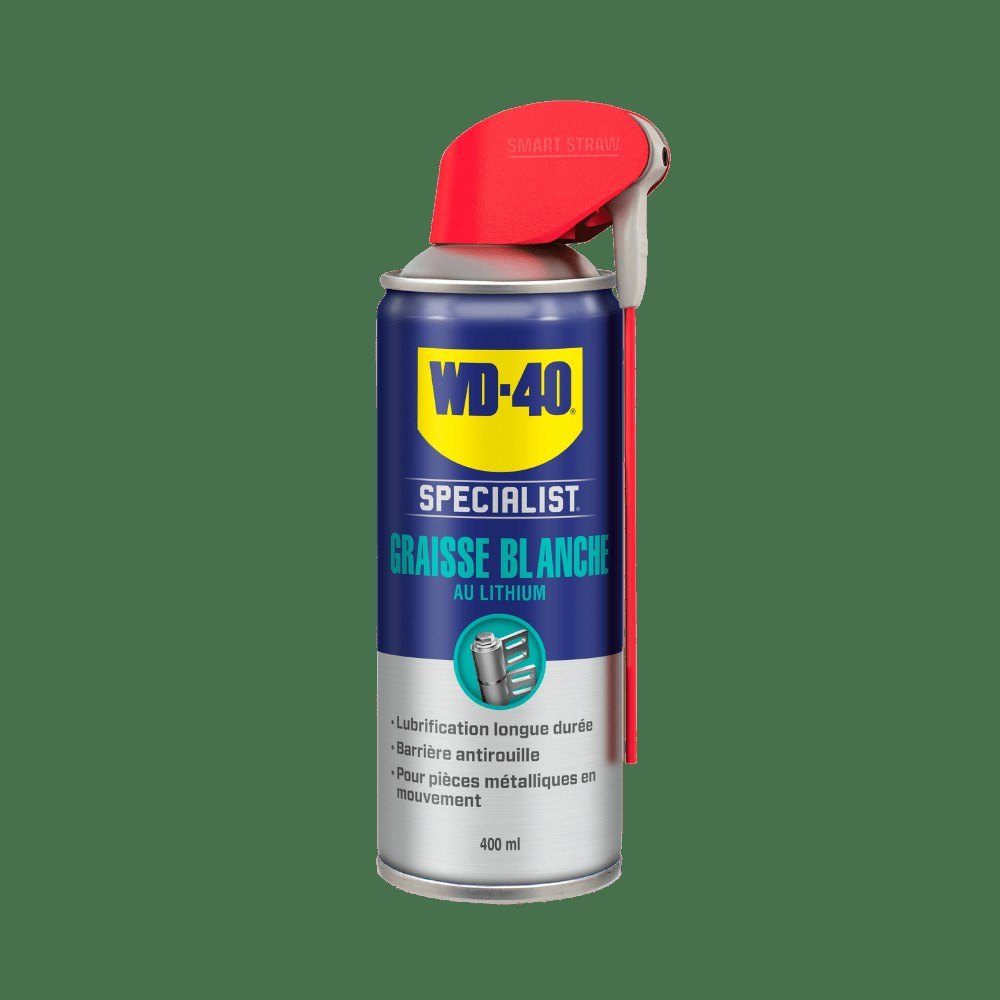
Tip: Before winter storage, coat cleaned battery terminals with a thin layer of white lithium grease: they will stay free of corrosion until spring.
What next
Wash the motorhome every few months and always before and after winter, and check the tyres and lights before every trip. If you tow a trailer or caravan, remember to service the tow hitch and overrun coupling too.
These uses come from the experience of WD-40 users in many countries. Always follow the instructions and warnings on the product label.
More guides in «How to use».