After a day on the water a reel collects sand, mud, bait residue and, after sea fishing, salt. All of this works its way into bearings and gears and slowly turns a smooth retrieve into a gritty one. Saltwater reels wear noticeably faster and need more careful attention, but even on rivers and lakes dirt and moisture take their toll.
Care comes in two parts: a quick service after every trip and a thorough clean at the end of the season. If your reel is expensive and complex, do not dismantle it further than described below.
What you will need
Important: Do not lubricate the drag washers: lubricant there changes the drag setting and can cause a line break while playing a fish.
Step 1
Remove and soak the spool
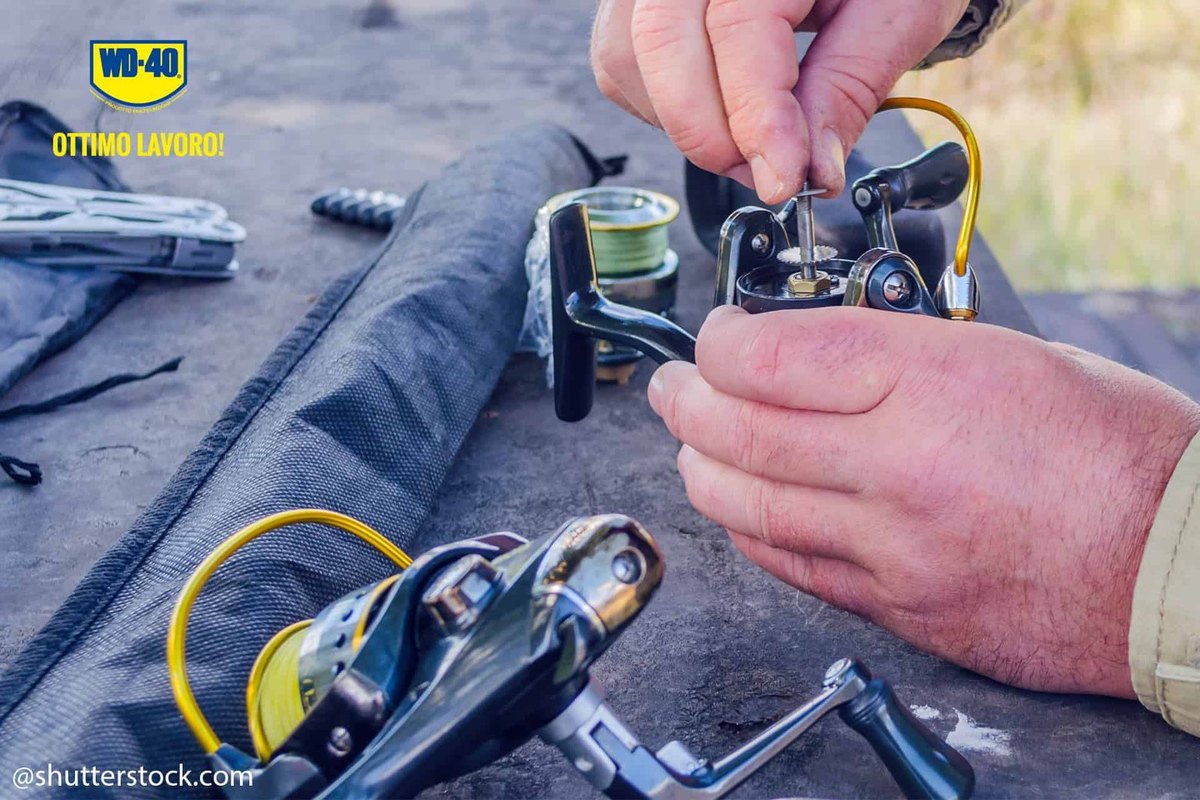
Undo the central screw or drag knob and take off the spool. Inspect it outside and on the back face that sits against the mechanism, and brush away sand, weed and bait residue.
You can leave the spool in distilled water for a few hours, even with line on it, to draw out salt and fine dirt. Then rinse, wipe thoroughly with microfibre and finish drying with paper towels.
Step 2
Wipe the body and lubricate visible moving parts
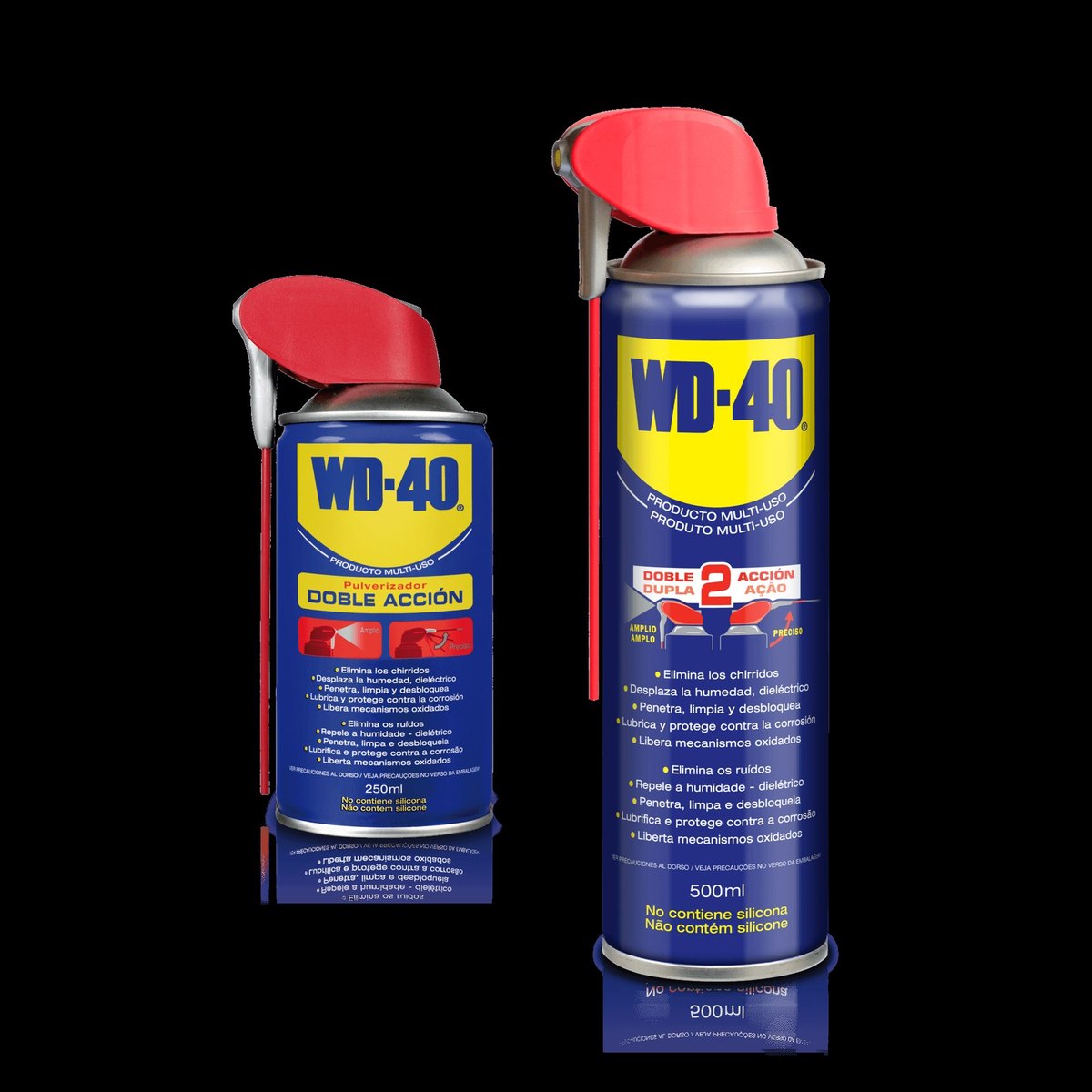
After every trip the minimum is to wipe the body with a microfibre cloth lightly dampened with water. For regular use that is enough.
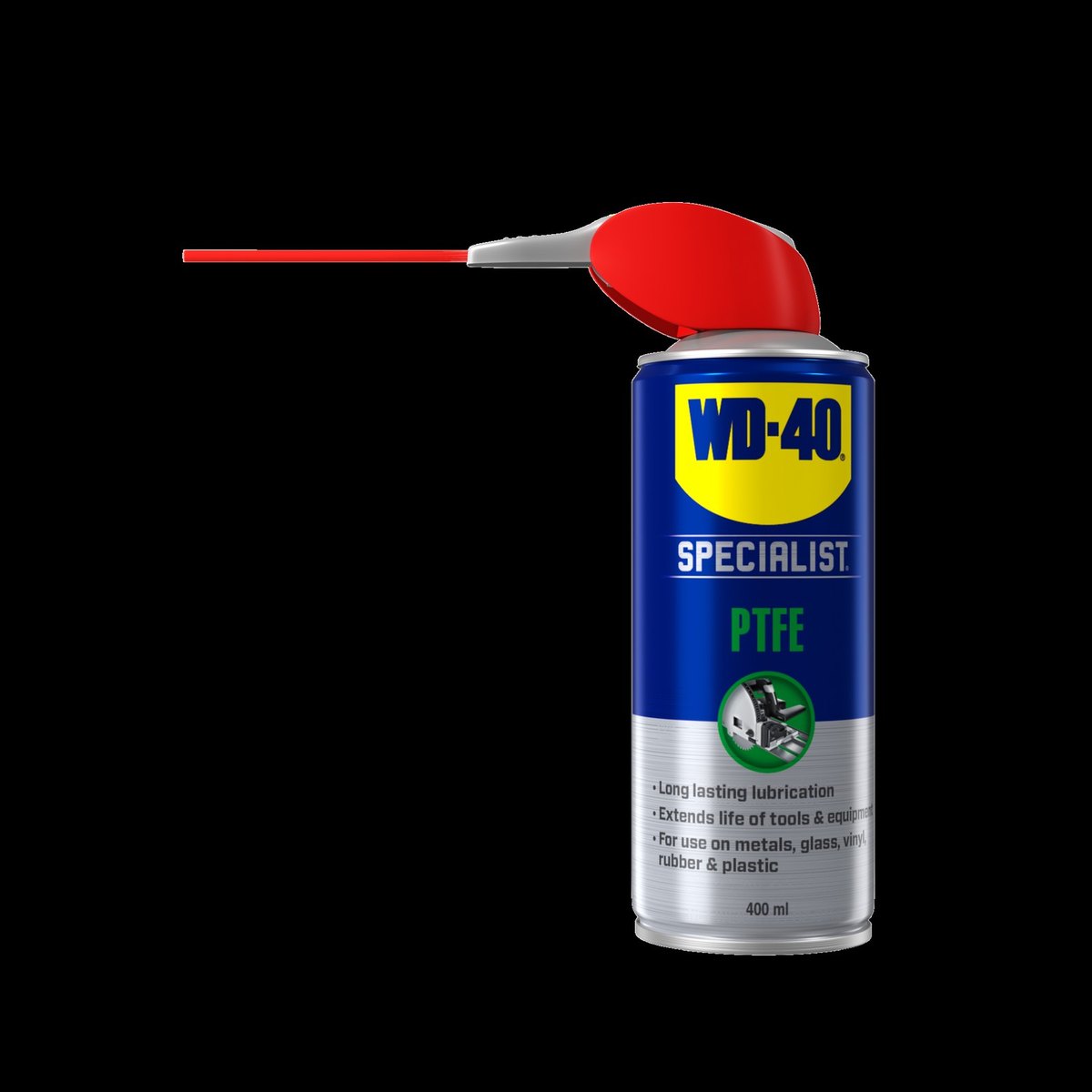
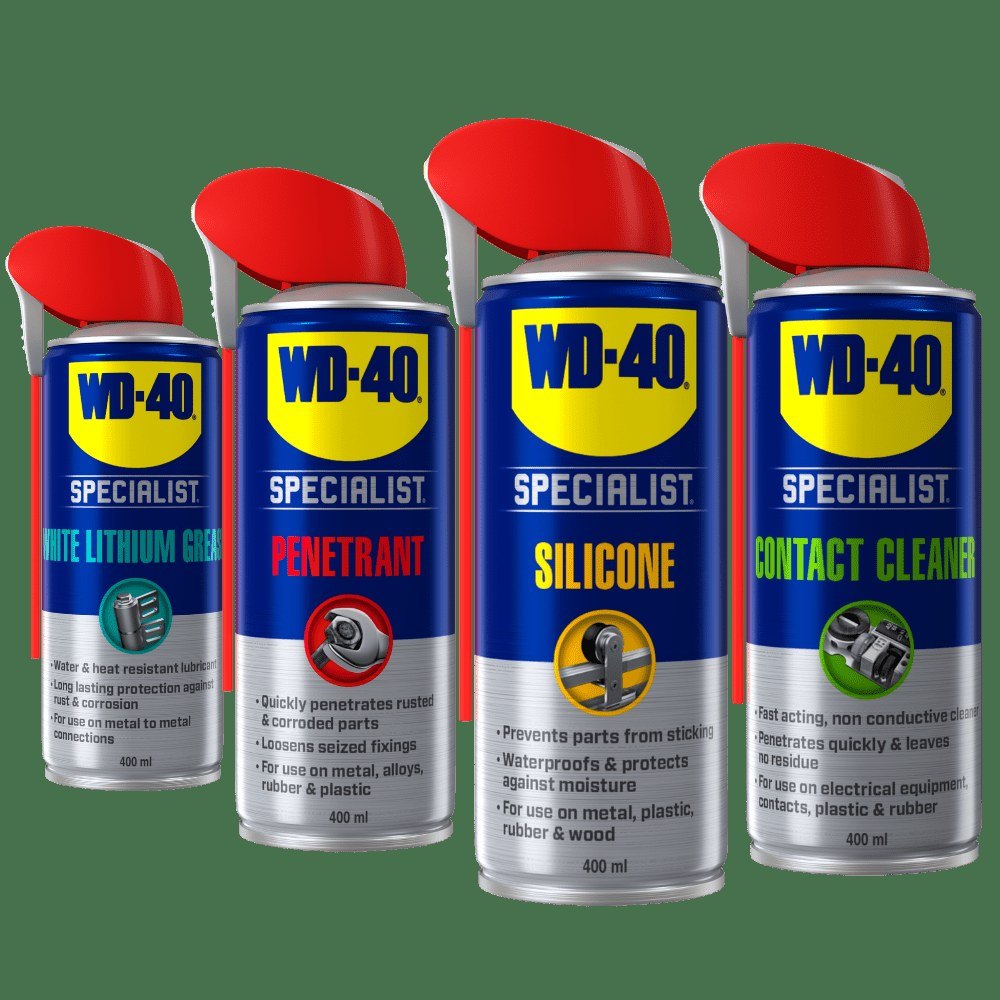
Every 5-7 trips, follow the clean with light lubrication of the moving parts you can see once the spool is off, especially the main shaft at its base. WD-40 Specialist Silicone keeps parts running smoothly and protects against moisture, and it is compatible with metal, plastic, rubber and wood.

Step 3
Service the bail and line roller
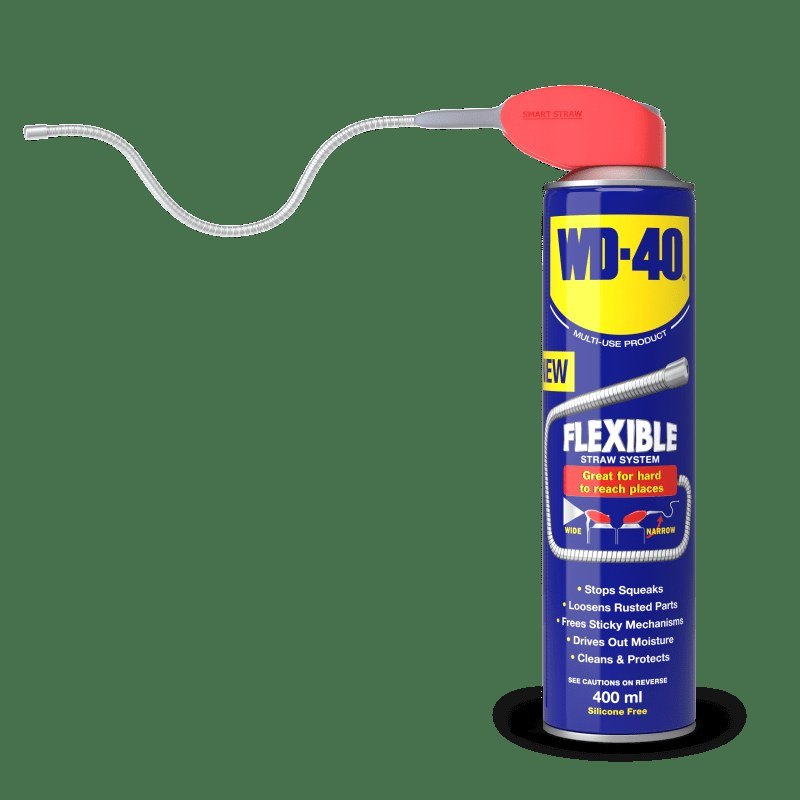
The bail hinge opens thousands of times a season, so it must move evenly with no play. First clean the hinges with WD-40 Smart Straw through the thin straw to avoid overspray, then wipe off the loosened dirt.
Next put a drop of silicone lubricant on the hinges and the line roller: on better reels it has a tiny bearing inside, and that is the first part salt attacks.
Step 4
Lubricate the handle
Unscrew the nut or locking cap on the opposite side of the reel and pull out the handle. Use the same products on the handle head, the shaft and its seat, which usually holds a small ball bearing.
Do not forget the joint that lets the handle fold against the body, as sand tends to collect there.
Step 5
Reach the internals only through service ports
Opening the body is a job for an expert, so without experience leave it closed. Many reels have a screw plug on the body or a small hole on the spool platform: through these you can add a little WD-40 Specialist Silicone to cut friction and wear.
If you are experienced, service the internals every 2-3 seasons. Remember they already contain factory grease that only needs refreshing, and reassemble the parts in exactly the order they came out.
Step 6
Final clean and body protection
Wipe away any runs of lubricant and tighten all visible screws with the right screwdrivers. Spray a thin coat of silicone lubricant onto the body and buff it almost dry with a cloth: the film repels moisture without attracting dust.
Tip: After sea fishing do not leave the clean until the weekend: salt crystallises within hours and starts eating into the bearings. If you are short of time, at least rinse the reel in fresh water and let it dry.
What next
Over winter store the reel indoors in a case or box with the drag backed off. Before the new season go over the hinges with WD-40 Multi-Use and check the action, and your reel will last for years.
These uses come from the experience of WD-40 users in many countries. Always follow the instructions and warnings on the product label.
More guides in «How to use».