Aluminium windows, sliding balcony doors and glazed screens last for decades, but only with regular care. Contrary to popular belief, aluminium does oxidise: white spots appear on the profile, and dust, sand and winter grime collect in the tracks so the sashes move in jerks.
Looking after aluminium is different from cleaning uPVC windows: gentle cleaners, moisture protection and the right lubricant for the mechanisms all matter. Spring and autumn are the best times.
What you will need
Important: Do not use abrasive pastes, scouring pads, solvents or alkaline cleaners: they scratch and discolour the profile finish. Spray onto the frame, not the glass, and wipe off any excess straight away.
Step 1
Pick the right day
Do not clean windows in bright sun or heat: water evaporates quickly and leaves streaks that are hard to remove. A mild, overcast day is best. Get everything ready beforehand so you are not interrupted.
Step 2
Wash the frames and tracks
First vacuum sand and leaves out of the tracks and drainage slots. Then dip a cloth in warm soapy water, wring it out well and wipe the frames, tracks and hardware.
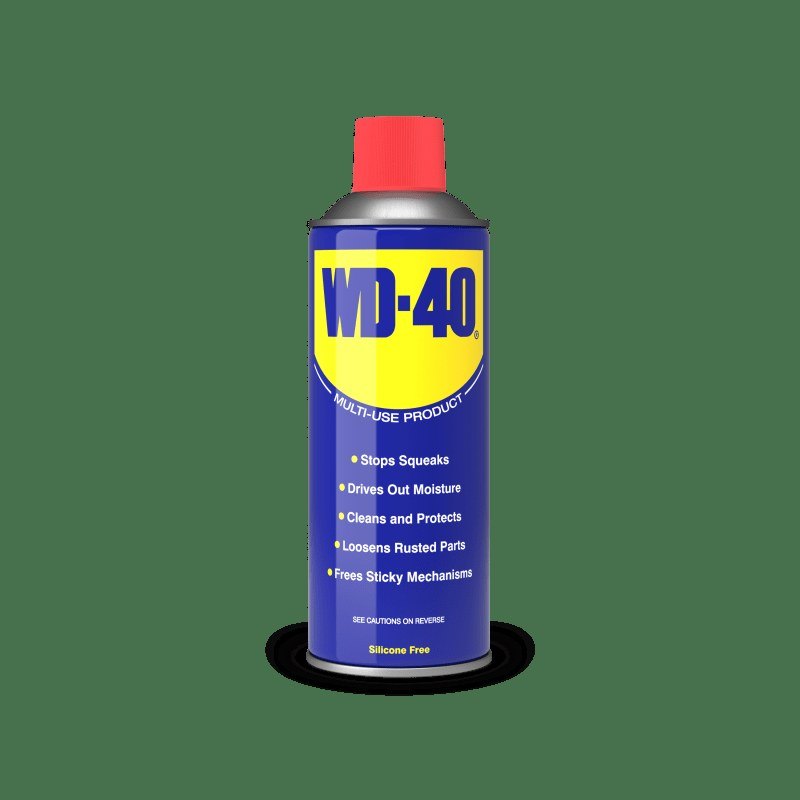
Remove stubborn marks, adhesive residue and greasy dirt with WD-40 Multi-Use: it dissolves the soiling and protects the metal against corrosion at the same time.
Step 3
Protect the tracks from moisture
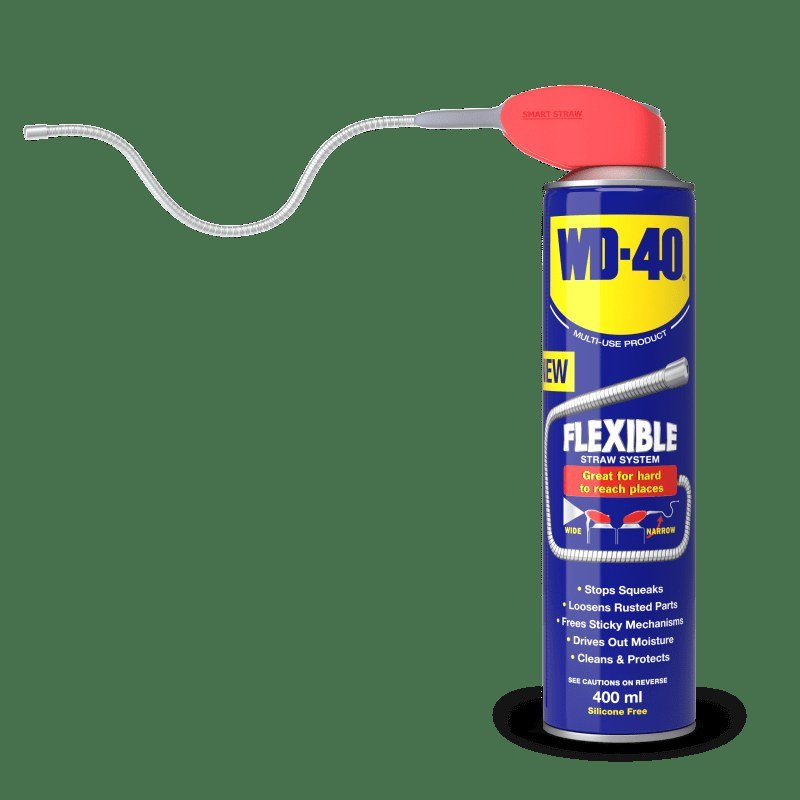
Apply WD-40 Multi-Use to the tracks and wipe off the excess with a clean cloth. It penetrates between contacting parts, lubricates them lightly and displaces moisture. The thin straw of WD-40 Smart Straw reaches narrow grooves and hinges.
Step 4
Lubricate hardware and seals
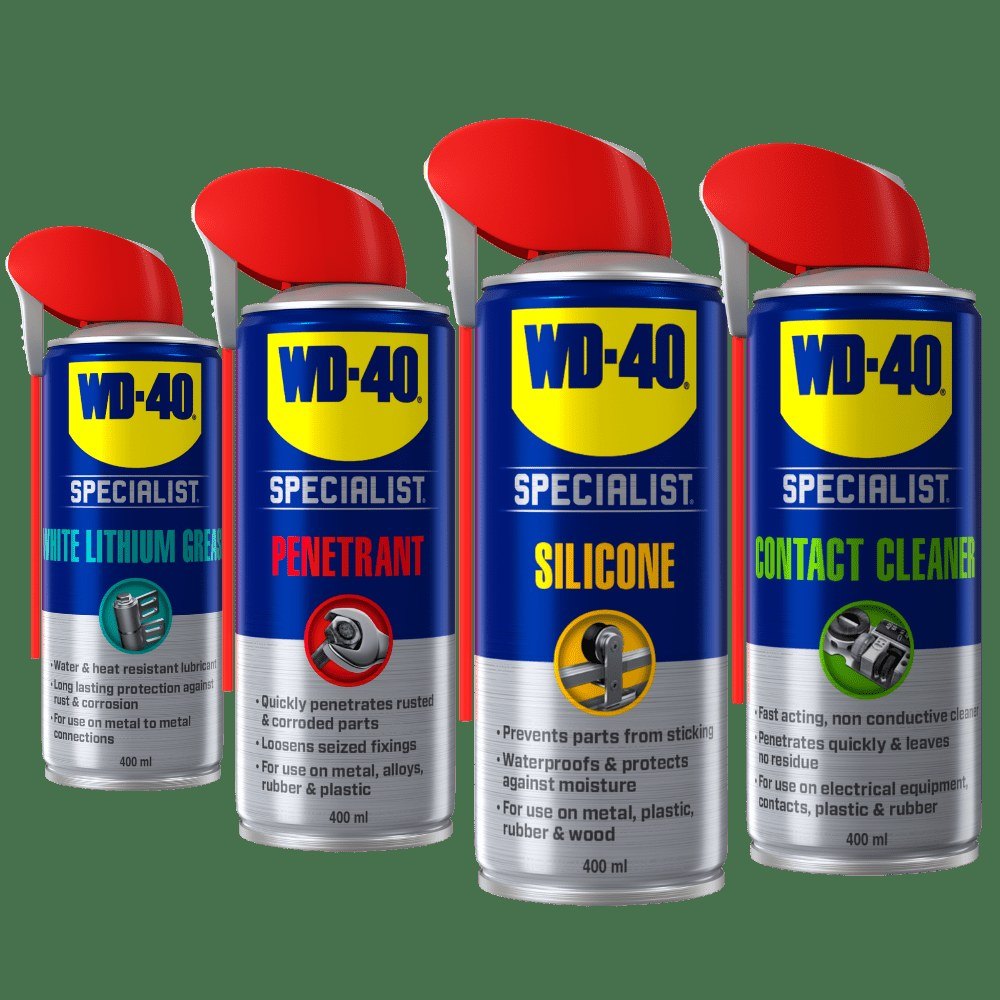
For long-lasting lubrication of mechanisms, sliding sash rollers and locking cams, use WD-40 Specialist Silicone. The silicone film does not attract dust, works in frost and heat alike and leaves no greasy marks.
Give the rubber seals a thin coat too: they stay supple for longer and do not freeze to the frame in winter. Open and close the sash a few times to spread the lubricant.
Step 5
Refresh scratched areas
Light scratches and dull patches can be made less visible: spray WD-40 Multi-Use onto a cloth, wipe the profile and buff with a dry microfibre. The finish gains a slight sheen and extra protection from moisture. Deep scratches down to the metal need touch-up paint matched to the frame.
Step 6
Follow a few simple rules
Do not hang heavy items on open sashes or handles. Wash off bird droppings immediately, as their acids leave marks on aluminium. In winter, make sure the drainage slots do not block with ice.
Tip: Test the drainage slots in the bottom profile by pouring in a cup of water: if it does not drain, clear the slot with a wooden toothpick. Blocked drainage is the main cause of condensation and corrosion at the bottom of the frame.
What next
Clean the profiles twice a year and treat tracks and hardware with WD-40 Specialist Silicone every autumn before the cold sets in. Regular care costs far less than new rollers or hardware.
These uses come from the experience of WD-40 users in many countries. Always follow the instructions and warnings on the product label.
More guides in «How to use».