Rubber seals on windows and doors are the first line of defence against cold, wind and damp. While they are soft and sit tight, the house stays warm, there are no draughts and sashes do not freeze shut. Dry, cracked or dirty rubber lets air through, condensation forms on the reveals, mould follows and heating bills go up.
The good news is that looking after seals is simple and cheap. All they need is a clean and a coat of silicone lubricant, which keeps the rubber supple and repels water.
What you will need
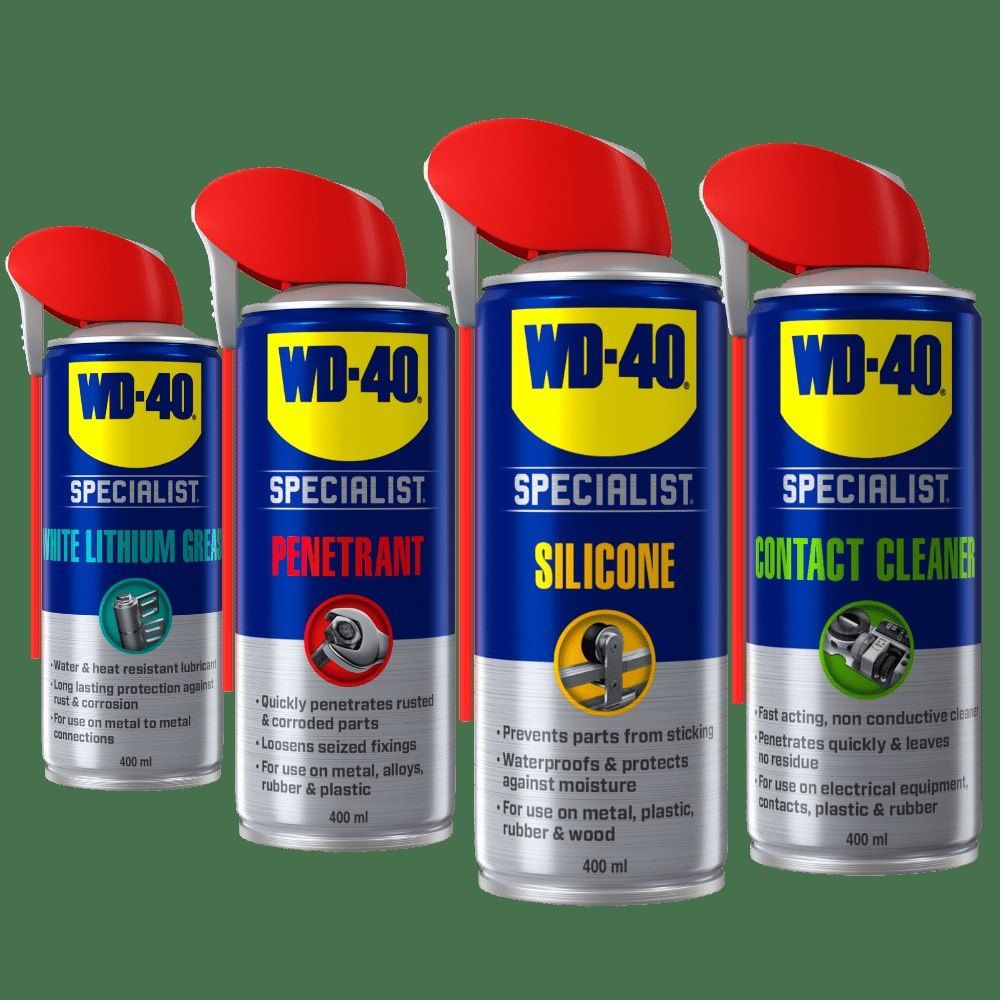
- WD-40 Specialist Silicone
- window cleaner or warm soapy water
- microfibre cloths
- cotton buds for corners and grooves
- hex key to adjust closing pressure (uPVC windows)
Important: Apply the silicone only to rubber, not to glass: if any gets on the glass or sill, wipe it dry straight away. Work in a ventilated room. Lubricant will not repair cracked or torn seals; those need replacing.
Step 1
Inspect the seals
Open the sashes and doors and work round the whole perimeter. The rubber should be soft, without cracks, tears or sections pulled out of the groove. A simple test: close the sash on a sheet of paper. If it slides out easily, the seal is not pressing hard enough there.
Pay special attention to the bottom of the frame and to the front door, where dirt and water collect most.
Step 2
Clean the rubber thoroughly
Dirt and dust block the drainage channels, water sits in them and freezes in winter, tearing the seal. Apply window cleaner or soapy water to a cloth rather than to the frame so you do not flood the grooves.
Wipe the full length of the seal and clean corners and folds with cotton buds. Be sure to clear the drainage holes at the bottom of the frame.
Step 3
Let it dry
Wipe the rubber with a dry cloth and leave the sashes open for 15-20 minutes. The lubricant needs a completely dry surface, otherwise it will not bond as well and moisture will be trapped underneath.
Step 4
Apply silicone lubricant
Shake the can of WD-40 Specialist Silicone and, using the applicator for a narrow jet, spray an even coat onto the seal from 15-20 cm. Move slowly to cover the whole surface, including the part that presses against the frame.
The silicone keeps rubber supple in hard frost and summer heat, repels water and stops sashes freezing shut. After a few minutes, wipe off the excess with a dry cloth.
Step 5
Check the hardware and closing pressure
On uPVC windows the seal works together with the sash pressure. Before winter the cam bolts can be turned to the winter setting with a hex key so the sash closes tighter, and in spring set back to summer so the rubber is not over-compressed and keeps its shape.
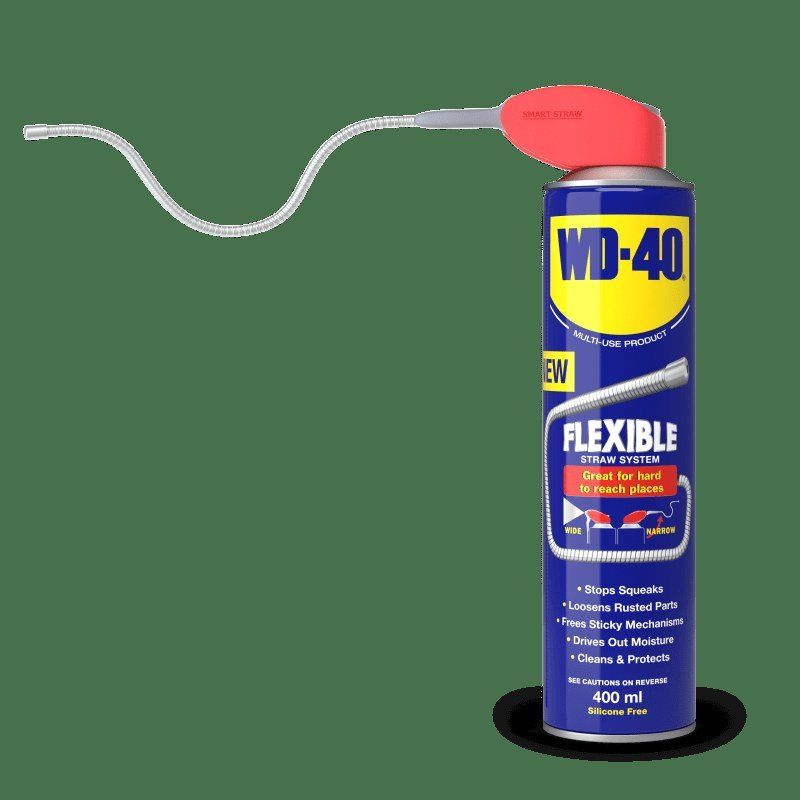
Treat moving hardware and hinges with WD-40 Multi-Use through the straw, open and close the sash a few times and wipe off the excess.
Tip: Do not leave it until the first frost: do the job in October while it is dry and above freezing. Treating cold, damp rubber is pointless because the lubricant will not take.
What next
Treat the seals with WD-40 Specialist Silicone at least twice a year, in autumn and spring. The same product is ideal for car door seals, fridge door gaskets and garage door seals.
These uses come from the experience of WD-40 users in many countries. Always follow the instructions and warnings on the product label.
More guides in «How to use».