Cast-iron plates, dumbbells and bars in a home gym often live on a balcony, in a garage or basement, where humidity and temperature swings quickly bring on surface rust. Sweat and chalk clog the bar knurling, and collars and sleeves start to turn stiffly.
Modern weights come in cast iron, steel, rubber-coated or chrome-plated, so identify the material first. Care is simple and quick, and how often you need it depends on where and how often you train.
What you will need
Important: After treatment, wipe the bar knurling, dumbbell handles and grip areas completely dry so nothing slips in your hands. Do not sand chrome or rubber coatings, only bare cast iron and steel.
Step 1
Remove rust from plates and dumbbells
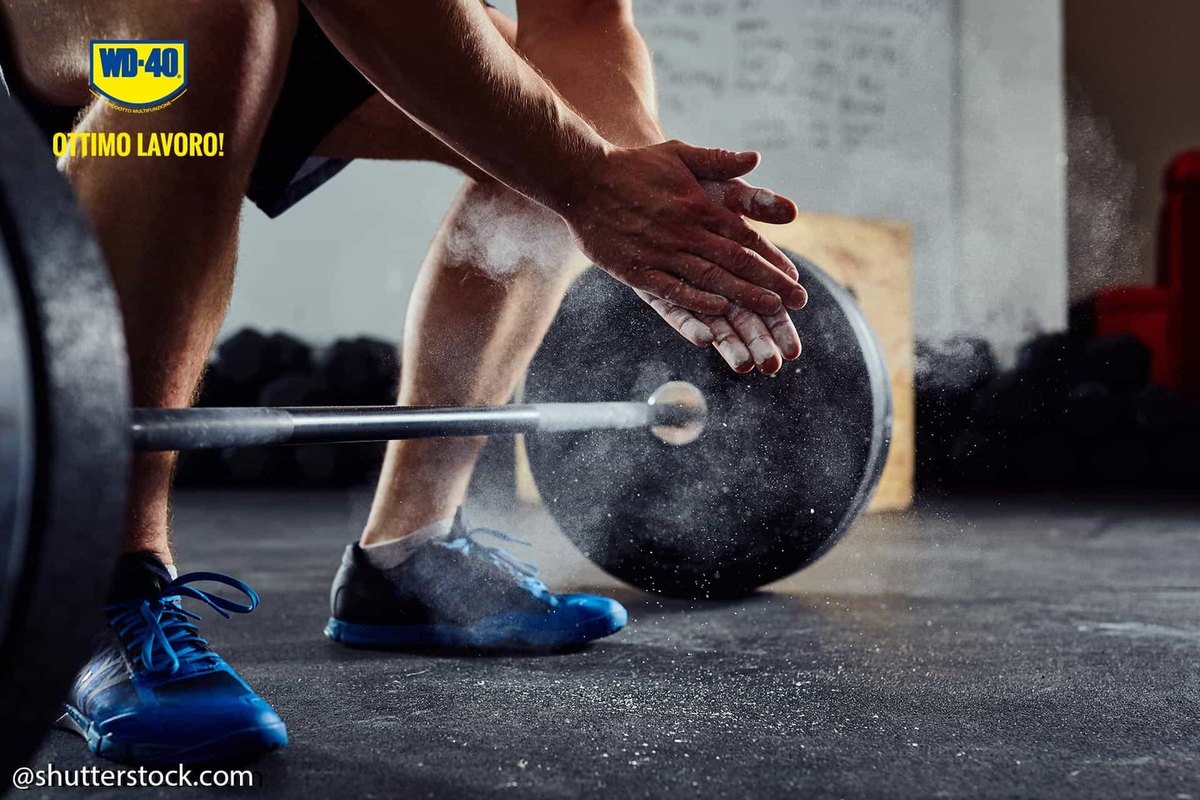
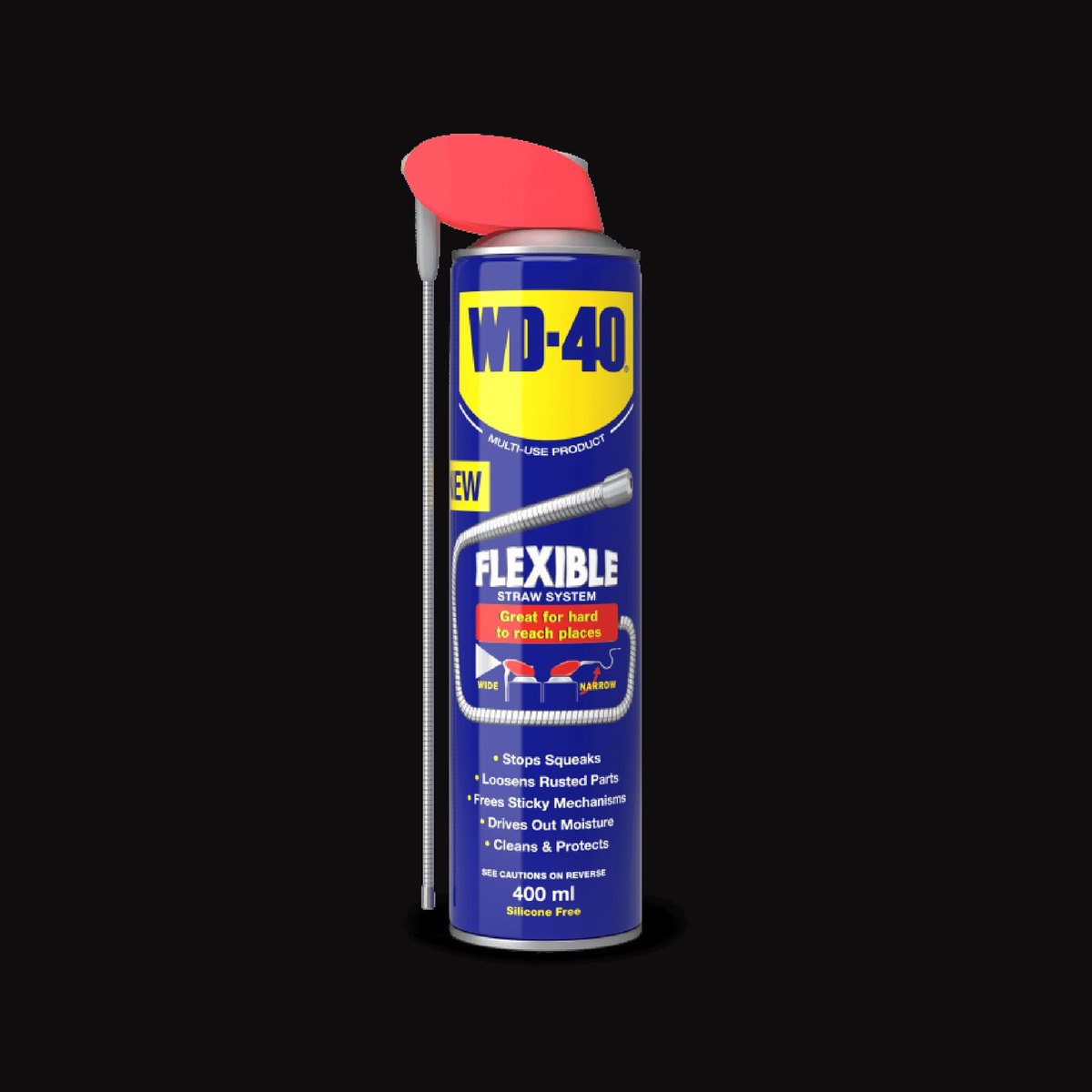
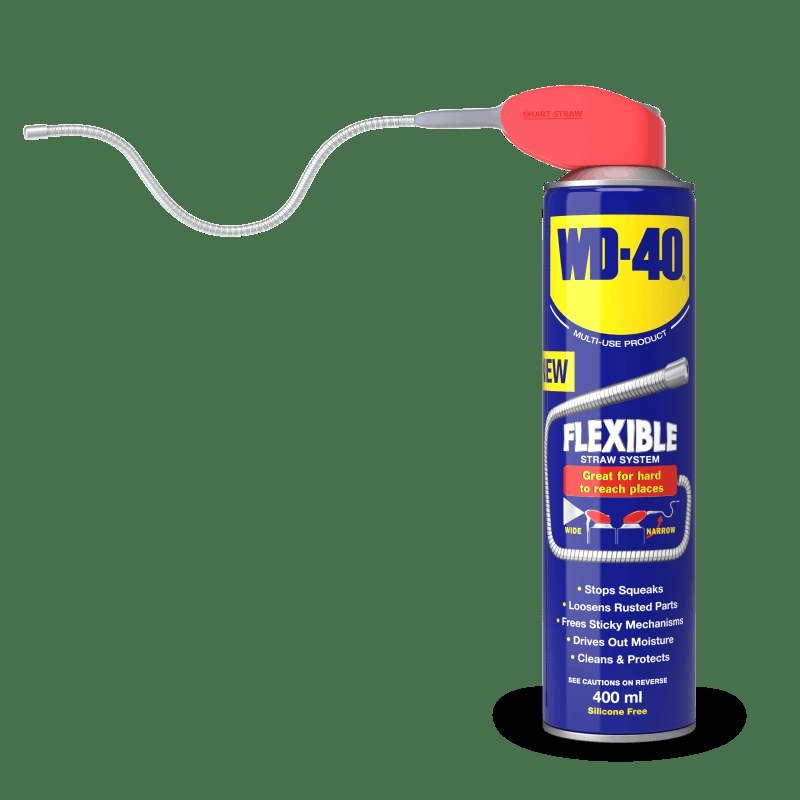
If the rust is advanced, start with a brass brush, then finish the surface with P240-P400 sandpaper. After cleaning, apply WD-40 Smart Straw generously: it loosens remaining oxide and drives moisture out of the pores in the iron. Leave it for a few minutes and wipe dry. The thin film left behind protects the metal from fresh corrosion.
Step 2
Clean collars and clips
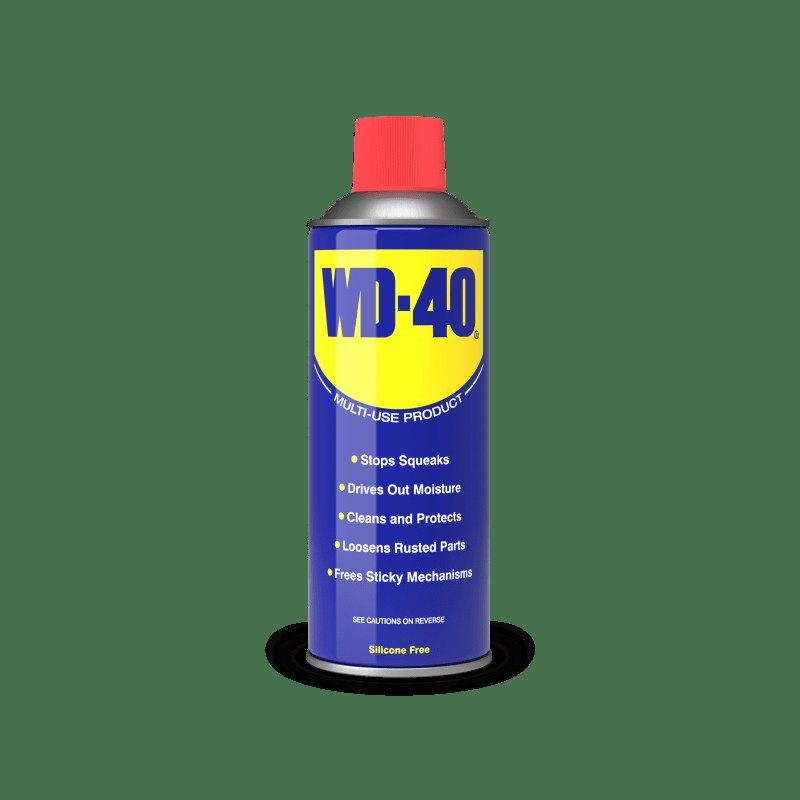
Plates are held on the bar by various systems: spring clips, clamps, screw collars and sleeves. They all need clearing of dust, chalk and rust. Wipe every part with a rag soaked in WD-40 Multi-Use, and open and close spring clips a few times so the product gets inside. Wipe off the excess.
Step 3
Clean the bar knurling
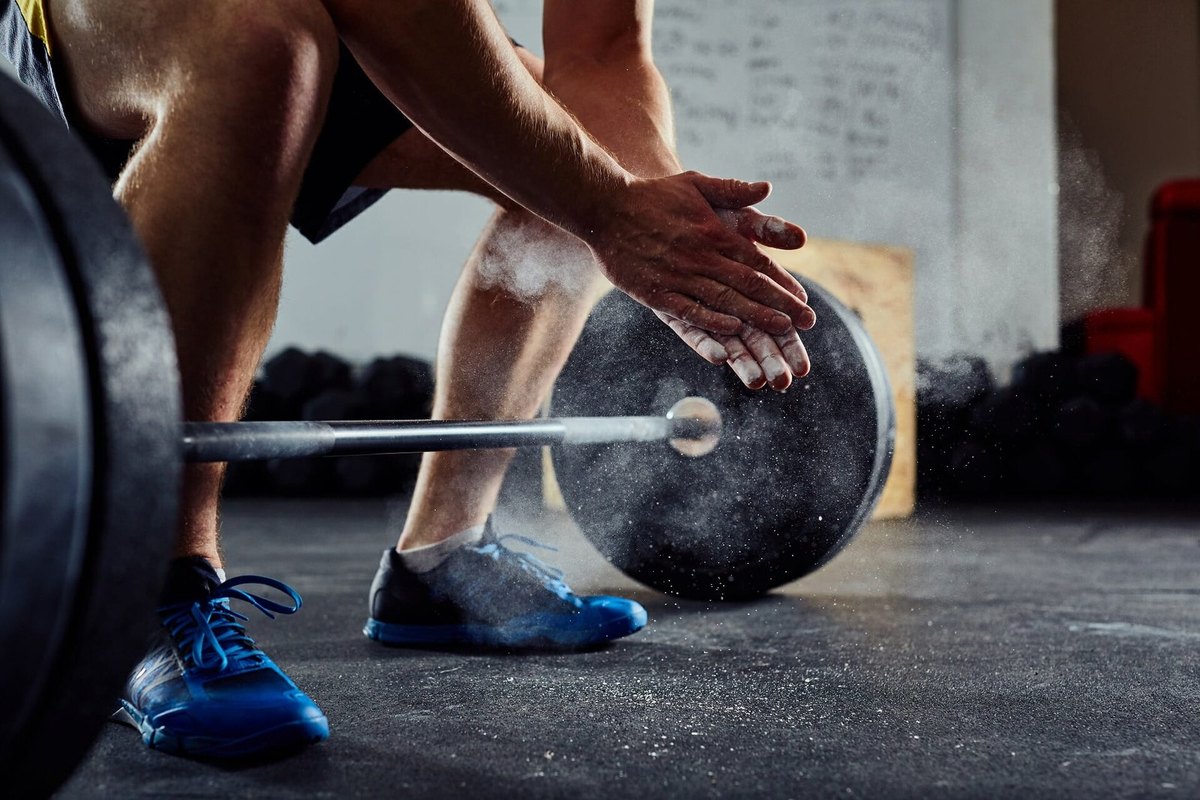
Chalk mixed with sweat packs tightly into the knurling and eventually causes corrosion. Scrub it out with a nylon brush along the knurl pattern. Then wipe the bar with a rag and a little WD-40 to protect the metal, and dry the grip area completely.
Step 4
Service bearing sleeves
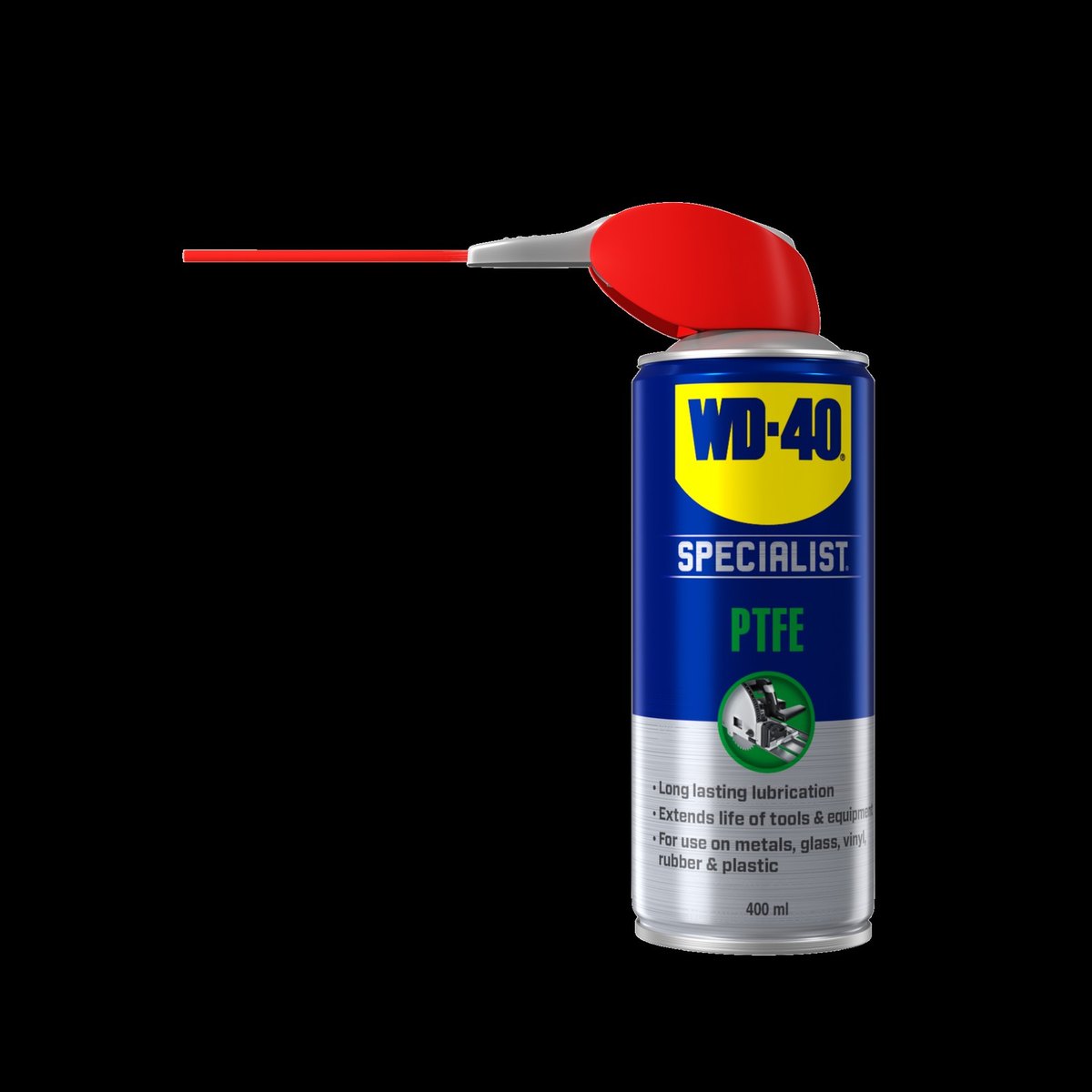
Olympic and quality bars have rotating sleeves on bearings or bushings. Most are greased at the factory and need little attention. But if the bar sees heavy use and a sleeve turns stiffly, put a few drops of WD-40 Specialist Silicone into the gap between sleeve and shaft and spin it. If the manufacturer gives its own instructions, follow them.
Step 5
Lubricate screw collars
Screw collars on adjustable dumbbells and bars often bind because of dust and rust. Treat the thread with WD-40 Specialist Silicone: it reduces friction, does not collect dust and is safe on rubber inserts. Run the collar along the full thread and wipe off the excess.
Step 6
Store them properly
Rack bars horizontally or vertically, and hang plates on dedicated pegs rather than leaving them on the floor. That way they do not knock together or sit in condensation. A dry, heated room is ideal. If your gym is in a garage or basement, protect the metal more often and use a dehumidifier.
Tip: Wipe the bar and dumbbell handles with a dry cloth after every session. Thirty seconds of removing sweat protects the knurling far better than an occasional deep clean.
What next
Wipe your equipment after training, and do the protective treatment and collar lubrication every month or two, or more often if your gym is in a damp space. See also our tips on maintaining an exercise bike and a rowing machine.
These uses come from the experience of WD-40 users in many countries. Always follow the instructions and warnings on the product label.
More guides in «How to use».