A window can stick for several reasons, and the approach depends on the frame material. Timber sashes swell and warp with moisture and temperature swings: they close easily but are hard to open. In uPVC and aluminium windows the usual culprits are dirt, rust, dried-out seals or worn hardware.
Windows stick most often in extreme weather, in hard frost or under long summer sun, when materials expand and contract. Damp autumns make matters worse.
What you will need
Important: Do not force the sash open if the locking mechanism is damaged: you will break the hardware. When using a heat gun, keep it away from glass, seals and plastic.
Step 1
Free the sash
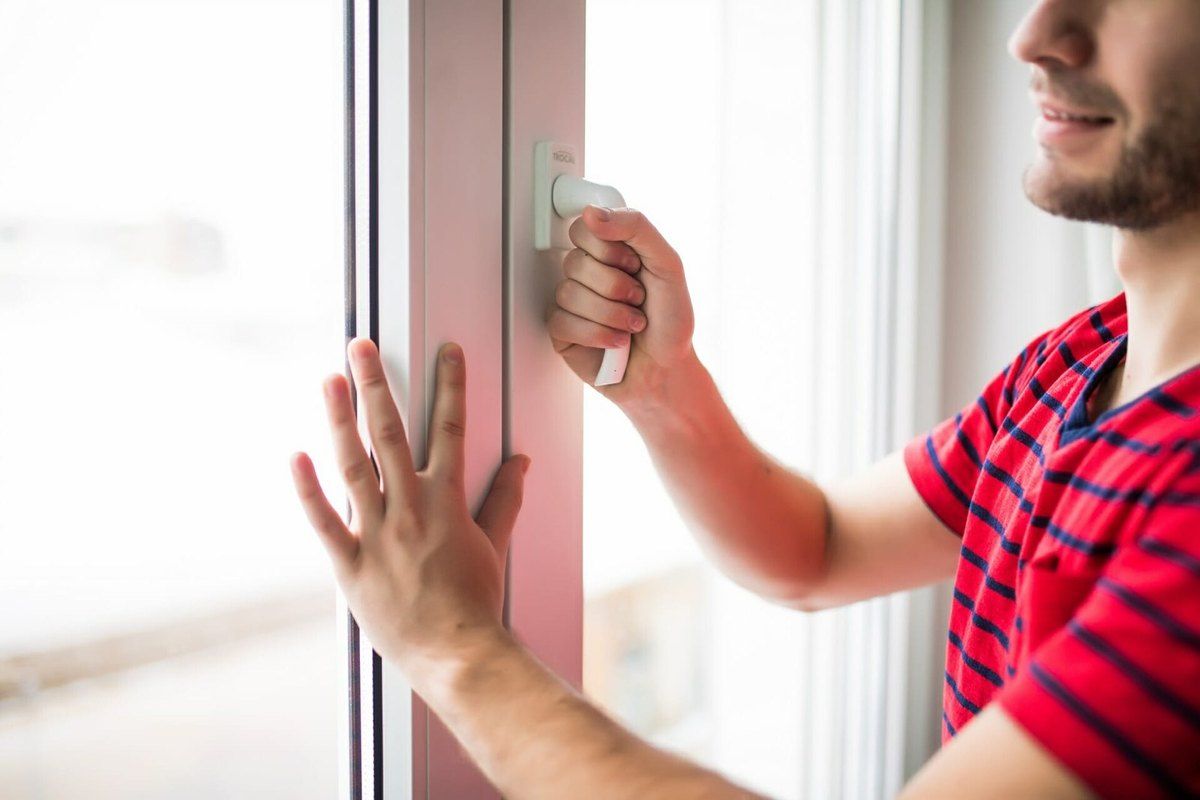
If the sash will not budge, tap the frame gently with a rubber mallet, especially at the top and bottom corners. Keep the blows soft so you do not damage the profile or the glass.
If the sash has rubber seals, apply a little WD-40 Specialist Silicone to them: it reduces friction and eases movement. With timber windows, carefully drying a swollen spot with a heat gun on a low setting can also help.
Step 2
Sand the timber sash or frame
If the timber has swollen or warped slightly, once the window is open lift the sash off its hinges and sand the rubbing area with P120-P180 paper, on the sash or the frame depending on where the seal is. Remove a little at a time and test the fit as you go.
Always seal the sanded area with varnish or paint and let it dry: bare timber soaks up moisture quickly and will swell again.
Step 3
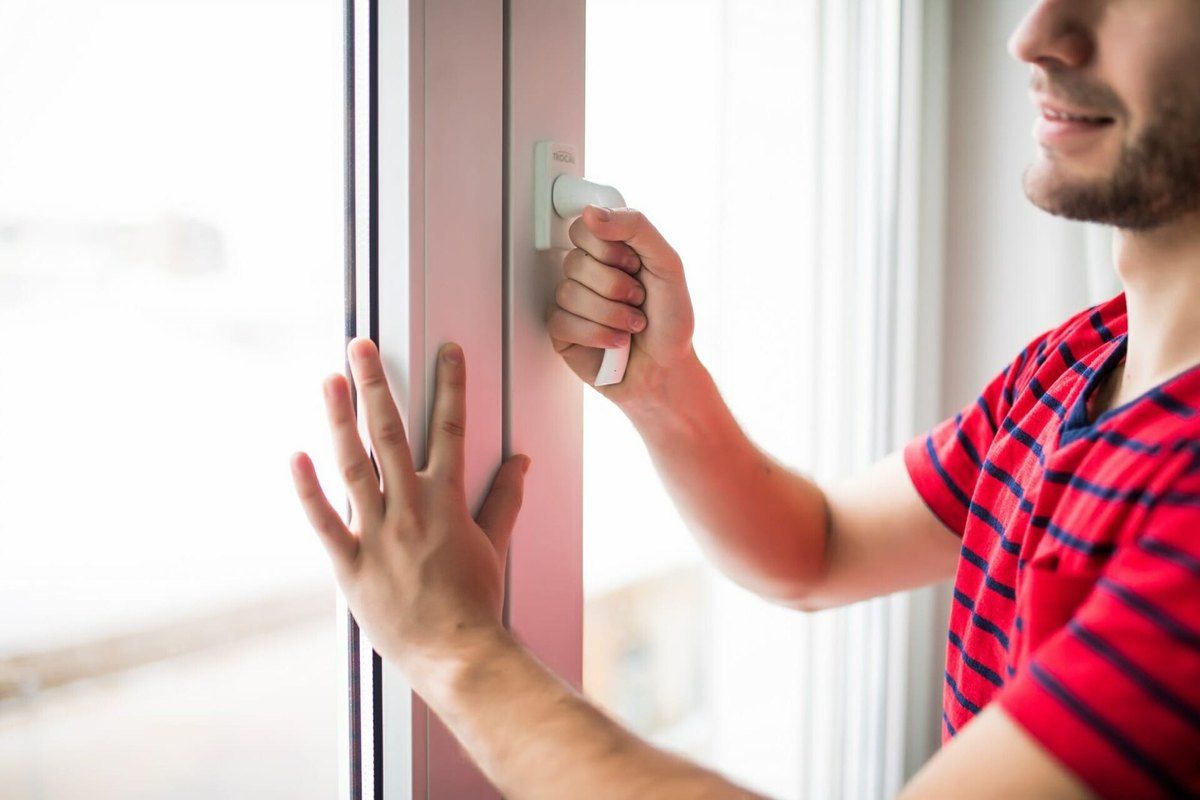
Check the locking mechanism and hinges
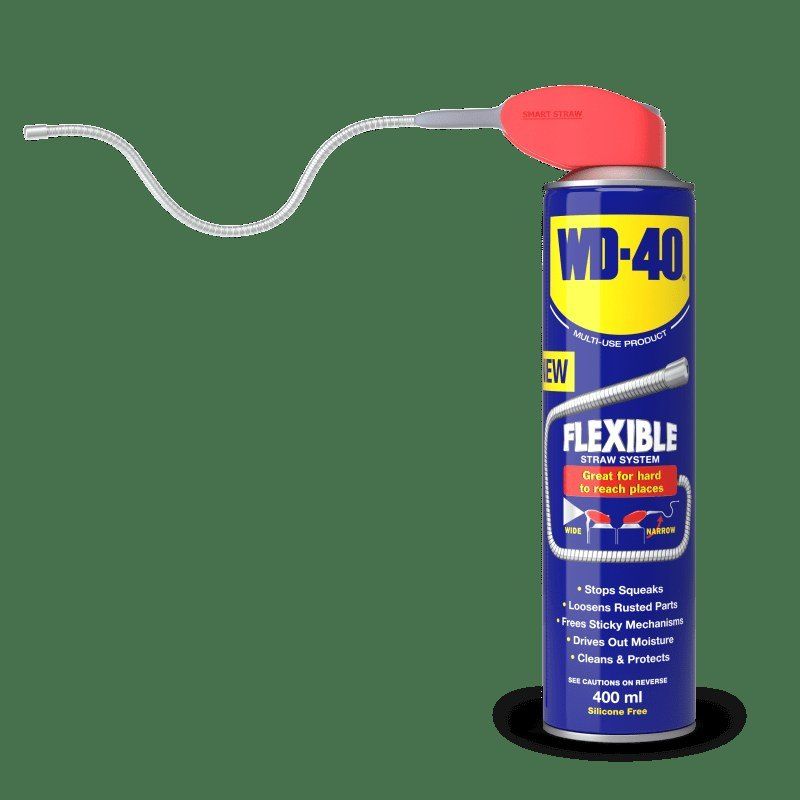
Sticking is often caused by damaged hardware: espagnolette rods, keeps, bolts, cams or hinges. Inspect them and replace worn parts. Before reassembly, clean the mechanism and treat the moving parts with WD-40 Smart Straw: it creeps into gaps, displaces moisture and frees rusty parts.
For lasting lubrication and dust protection, finish with a thin coat of WD-40 Specialist Silicone.
Step 4
Open a uPVC or aluminium window
If a uPVC, aluminium or composite window will not open because the locking system has failed, do not force the sash: call a window fitter. If you do get it open, inspect the hardware on the handle-side edge of the sash: cams, bolts and keeps.
Clean off the dirt and lubricate them with WD-40 Smart Straw. Treat the seals with silicone so the rubber does not stick to the frame.
Step 5
Free a sliding window
Sliding windows and balcony systems stick for the same reasons, plus heavy friction in the tracks. Clear sand, leaves and dirt from the tracks with a vacuum and brush. If a track has burrs, smooth them carefully with fine sandpaper.
Then apply WD-40 Specialist Silicone to the tracks and rollers: it does not attract dust and lets the sash glide easily.
Tip: To stop timber windows swelling, keep the varnish or paint in good condition, especially on the bottom rail and end grain, where water gets in first.
What next
Checking and lubricating the hardware twice a year, in autumn and spring, prevents most stuck windows. If the sash keeps catching the frame, have it adjusted. WD-40 Smart Straw is also handy for door locks and hinges.
These uses come from the experience of WD-40 users in many countries. Always follow the instructions and warnings on the product label.
More guides in «How to use».