A door that needs a shove to open, or will not open at all, is an everyday irritation. Three things are usually to blame: a lock clogged with dirt or rust, dry or seized hinges, and a dirty track on a sliding door. Add damp autumns and dry centrally heated air in winter, and wooden doors start catching on the frame as well.
Before calling a professional, try the simple steps below. If the cause is something else, such as a broken mechanism or a twisted frame, then it is time to call in an expert.
What you will need
Important: Do not wrench the key with pliers or shoulder the door: a key snapped in the cylinder or a torn-out hinge only makes the repair harder. Test the product on a hidden area before treating painted or varnished surfaces.
Step 1
Find the cause
Try the key: if it goes in stiffly or will not turn, the lock is the problem. If the lock works but the door moves heavily, squeaks and drops, the hinges are at fault. If the door catches on the frame in one spot, it may have sagged or swollen with moisture. A sliding door that moves in jerks usually has a dirty track.
Step 2
Free the lock
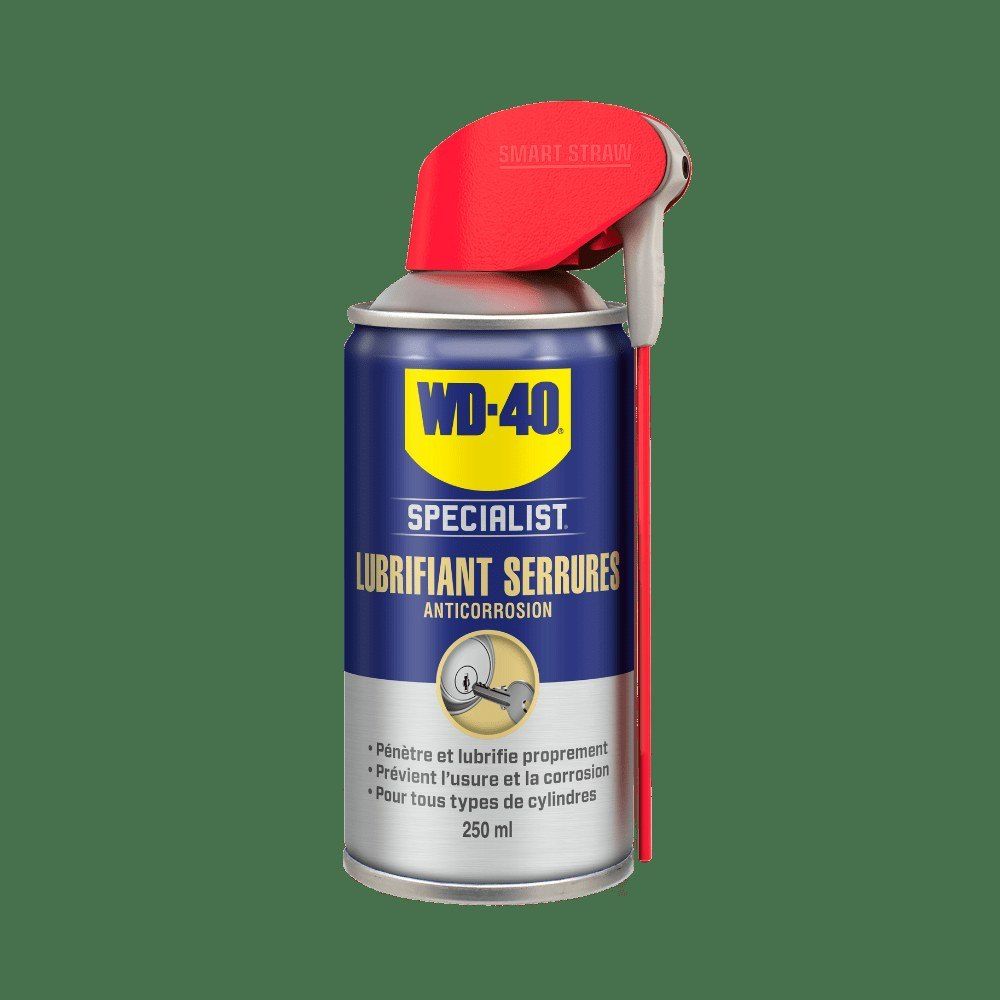
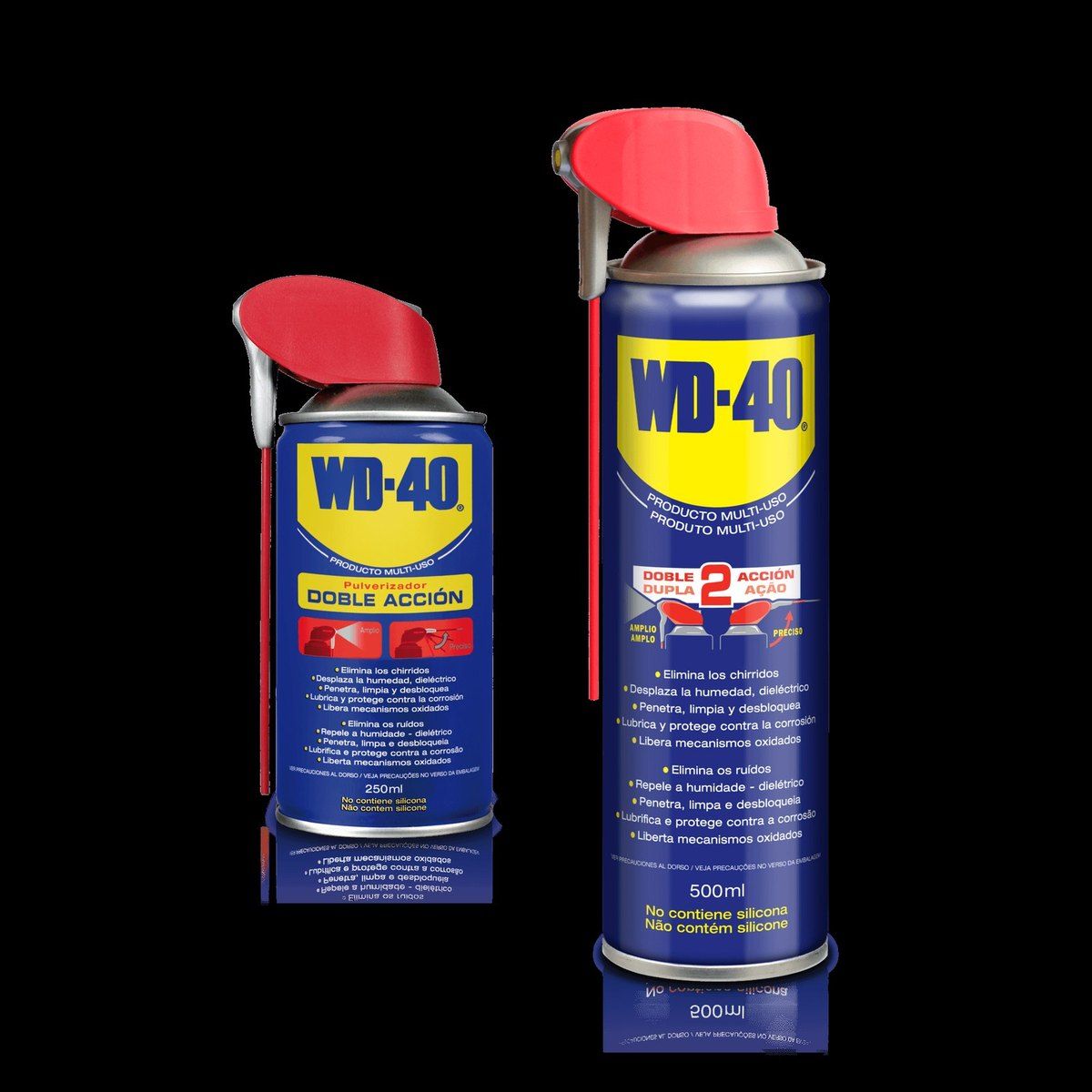
Shake the can, insert the WD-40 Smart Straw into the cylinder and give a short burst. Insert the key and turn it several times so the product penetrates the mechanism. Treat the latch and deadbolt in the door edge the same way. Wipe off any excess with a cloth. If the key still catches a little, repeat.
Step 3
Loosen the hinges
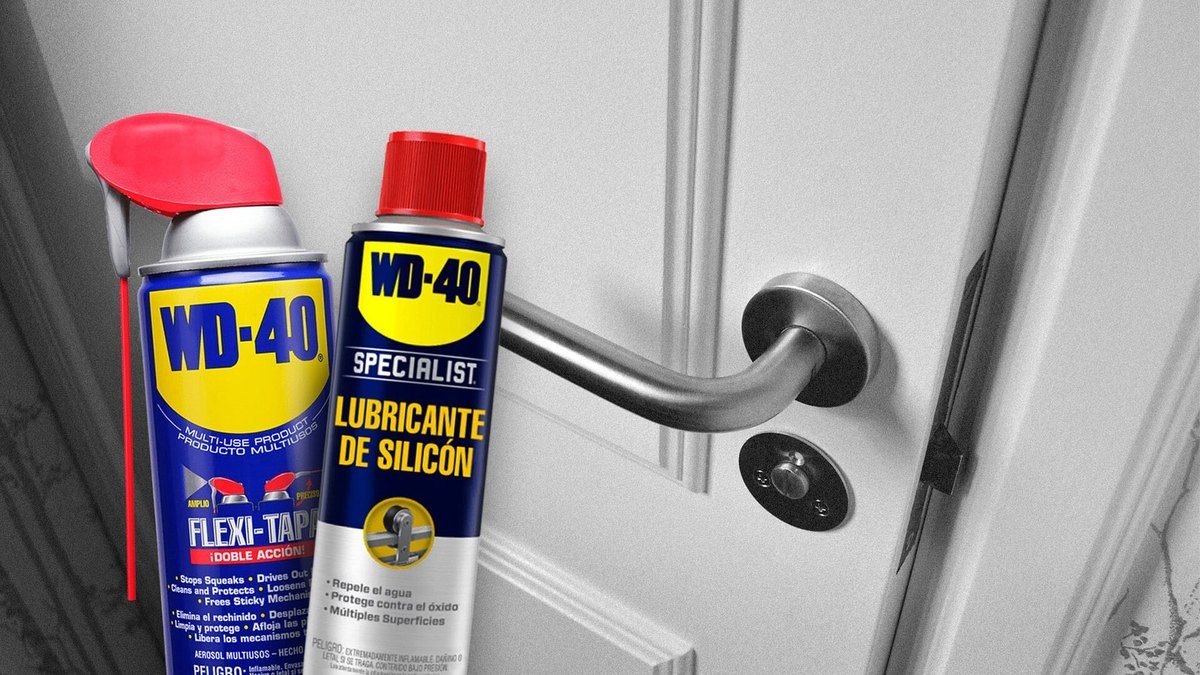
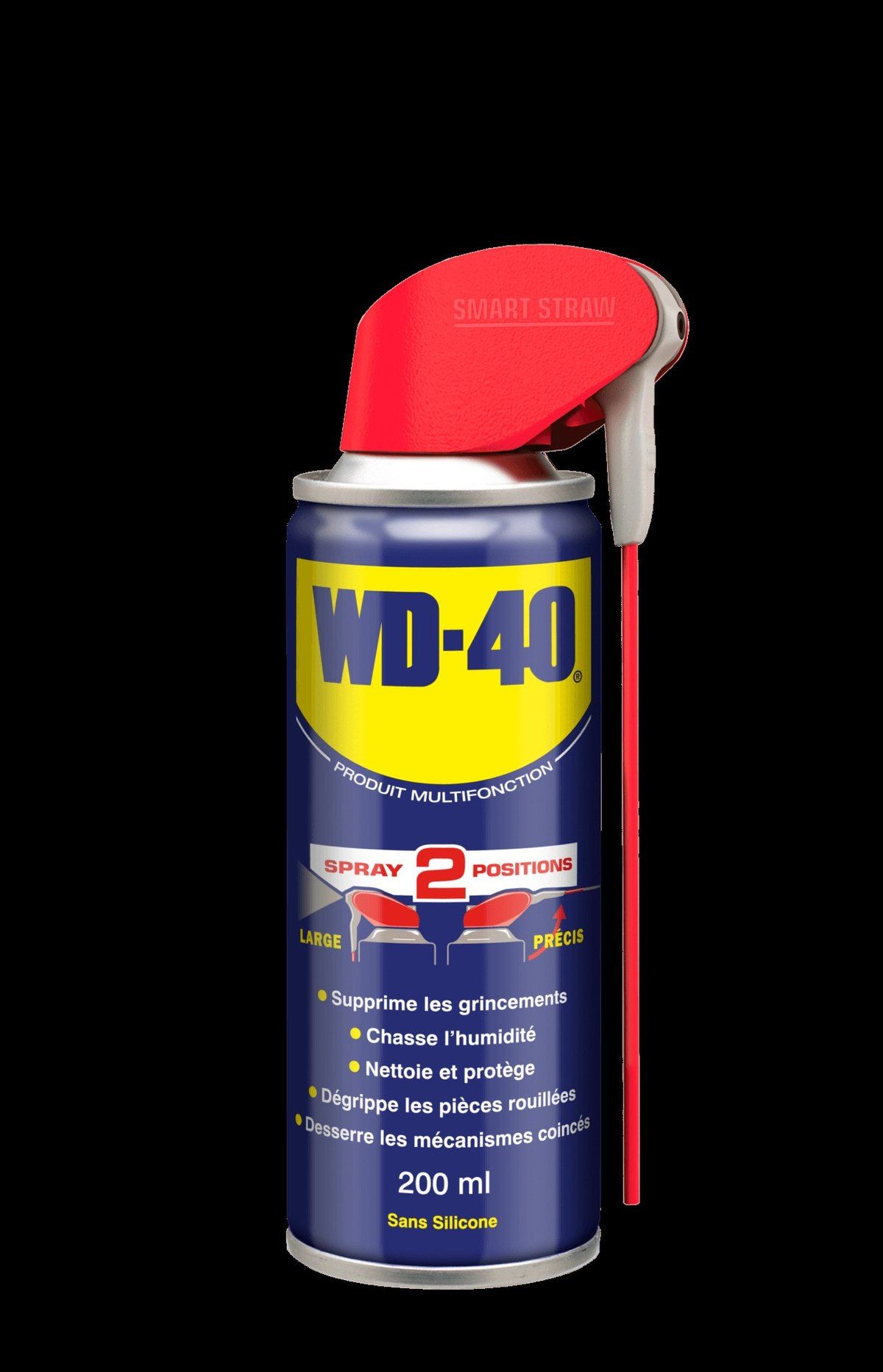
Apply WD-40 Multi-Use to the hinges, especially the gap between the leaves and the pin. Open and close the door several times so the product spreads along the whole hinge. You will usually notice the difference immediately: the door stops resisting and squeaking.
Step 4
If parts are rusted solid
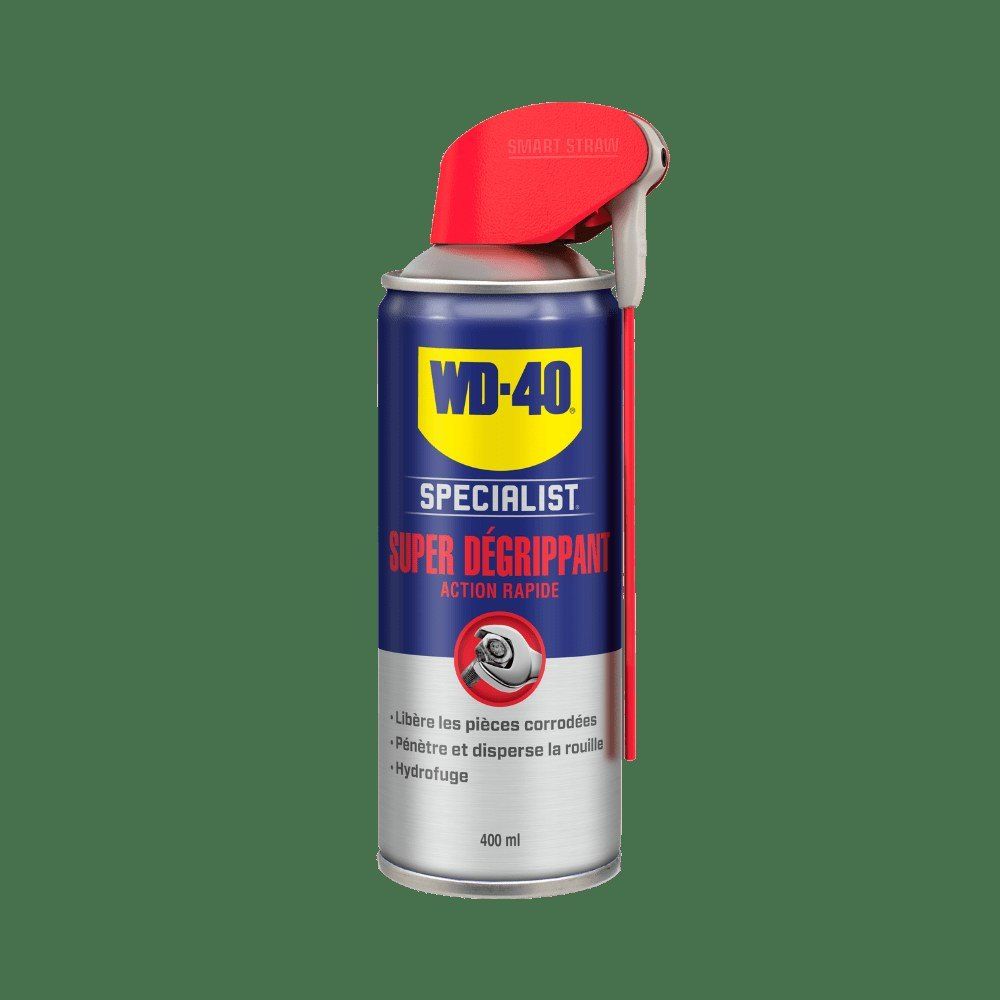
On metal front doors, gates or garage side doors, hinges and bolts can seize with rust. Treat them with WD-40 Specialist Penetrant, wait a few minutes for it to work into the rust, and only then work them gently. Repeat if necessary.
Step 5
Clean and lubricate a sliding door track
Wash the track with a brush and soapy water, remove sand, pet hair and crumbs, and let it dry. For sliding wardrobe doors, WD-40 Multi-Use on the rollers is enough. For large sliding doors with plastic and rubber parts, WD-40 Specialist Silicone is better: it does not attract dirt and lasts longer.
Step 6
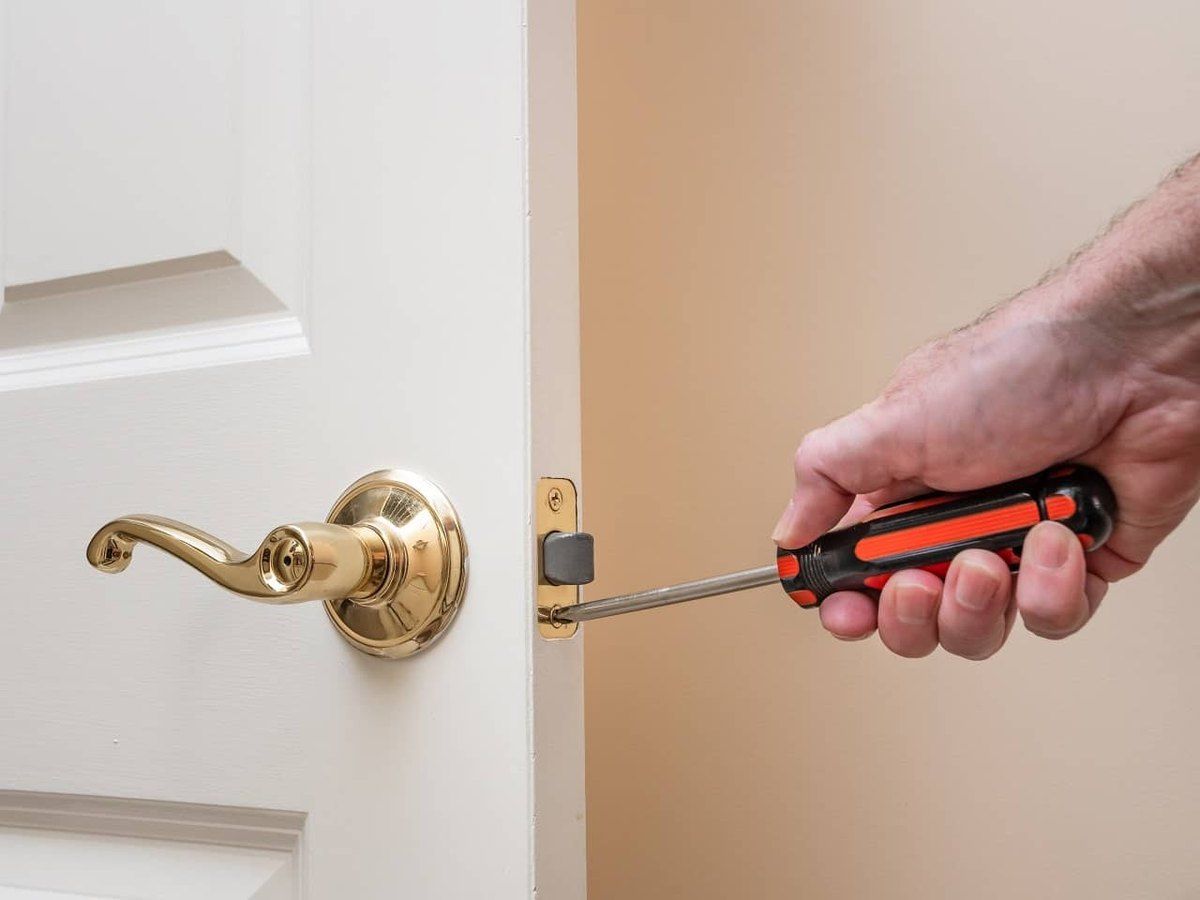
Tighten the hinge fixings
If the door catches on the frame, check the hinge screws: loose fixings let the door drop. Tighten them with a screwdriver, and if the thread in the wood is stripped, fit longer screws. Wooden doors that swell in autumn often return to normal once the heating comes on, so do not rush to plane them.
Step 7
Maintain your doors regularly
Prevention beats fighting a jammed door. Lubricate locks and hinges with WD-40 Multi-Use and treat sliding door tracks with silicone. Every door will then move easily.
Tip: Tuck a tissue under the hinge before spraying: it catches drips and protects the floor or carpet from marks.
What next
Service interior doors once a year and front or balcony doors twice: in autumn before the cold and again in spring. For a summer house or garage, keep a WD-40 Smart Straw to hand, as it reaches cylinders and hinges without any dismantling.
These uses come from the experience of WD-40 users in many countries. Always follow the instructions and warnings on the product label.
More guides in «How to use».