Kitchen cabinets and drawers sit right next to the hob, so cooking vapour settles on them as a thin sticky film. Dust and crumbs cling to it, and within a few months the doors darken, the handles turn tacky and the drawer runners start to stick.
The more often you clean, the easier it gets. Below is a simple home method: a vinegar solution for everyday grease, a baking soda paste for stubborn marks, and runner care so the drawers glide smoothly again.
What you will need
- white vinegar and warm water
- baking soda
- a bowl or small bucket
- soft cloths or microfibre (several, one kept dry)
- a compressor or can of compressed air (optional)
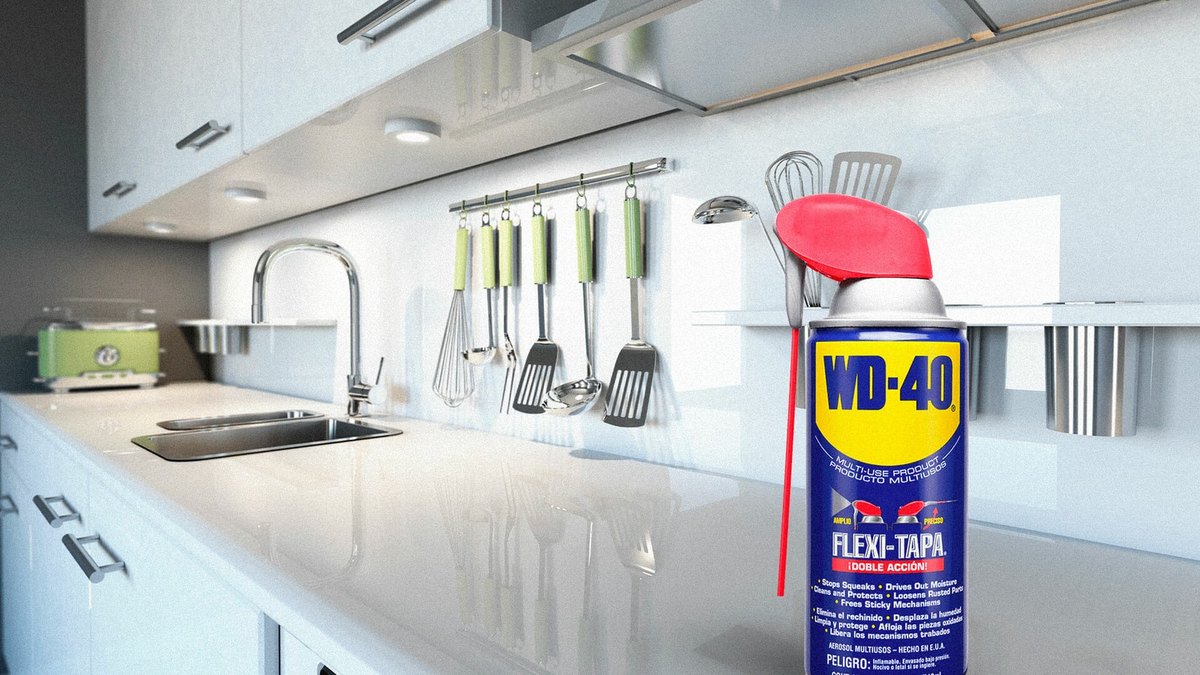
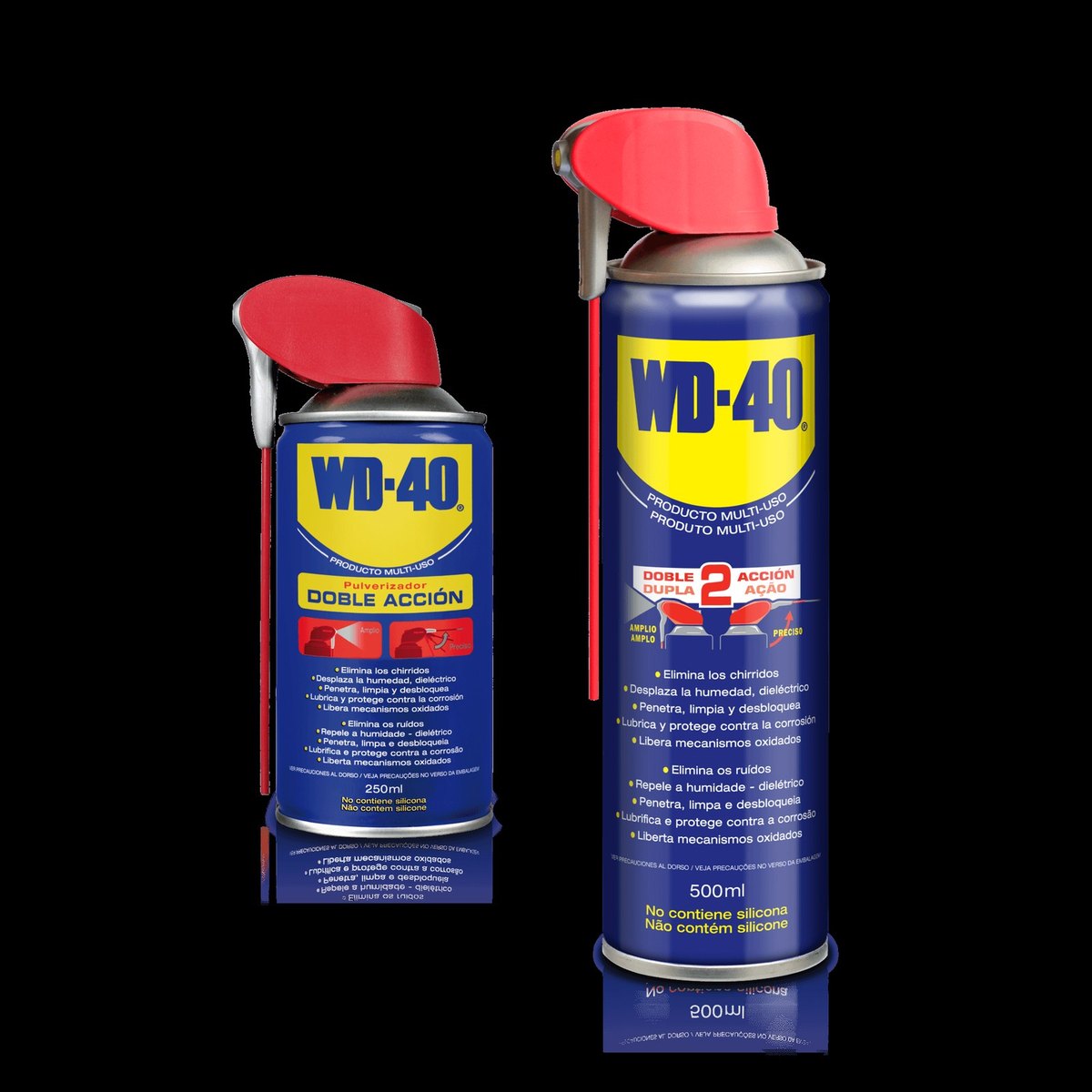
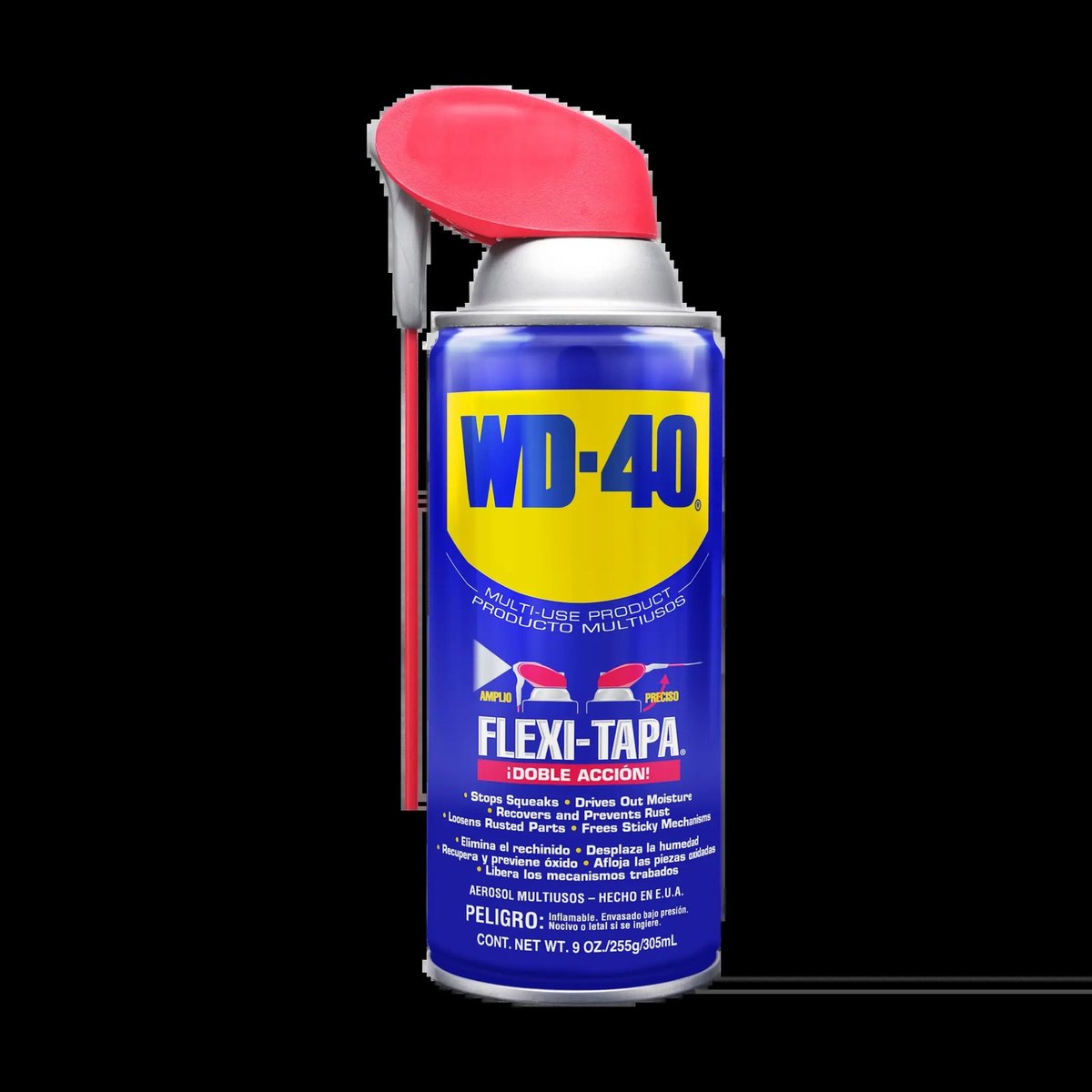
- WD-40 Multi-Use Product or WD-40 Smart Straw with the straw for runners
Important: Do not apply the lubricant inside drawers where crockery or food is kept, or on worktops: only on the metal runners. Do not soak wood or MDF; always wring the cloth out well. Test any new product on a hidden area of the door first.
Step 1
Mix the solution and paste
In a bowl, mix a cup of vinegar with a cup of warm water. This handles the usual greasy film on doors and inside cabinets. If vinegar is not suitable, use an ordinary kitchen degreasing cleaner.
For stubborn marks near the hob and handles, mix baking soda with a little water into a thick paste. Apply it to the mark, leave it for a few minutes and wipe it away with a cloth along with the softened dirt.
Step 2
Clean the insides of drawers and cabinets
Empty the drawer or shelf completely. Dip a cloth in the solution, wring it out well and wipe the base and sides, paying attention to the corners where crumbs gather.
Go over it straight away with a dry cloth so moisture does not soak into the wood, and leave the drawer open for a few minutes. The vinegar smell disappears completely once the surface is dry.
Step 3
Clean doors and handles
With the same damp, well-wrung cloth, wipe the doors from top to bottom, along with the handles and edges where fingerprints collect. The cabinets above and beside the hob usually carry the most grease.
Dry each section as you go. Excess moisture can make wooden and MDF doors swell and warp, especially along the edging.
Step 4
Clear dirt from the runners
Grease, dust and constant use gradually clog the mechanism, and the drawer opens in jerks. Pull it out fully, or remove it if the design allows.
Blow the runners out with compressed air to remove crumbs and dust. Without a compressor, wipe them thoroughly with a dry cloth.
Step 5
Lubricate the runners
Apply WD-40 Multi-Use Product to the metal runners and rollers; in tight spots the straw of WD-40 Smart Straw is easier to use. It dissolves leftover grease and adhesive, displaces moisture to prevent rust and lubricates the moving parts.
Open and close the drawer several times to spread the product, and wipe off any excess at once so it does not reach the drawer base.
Tip: The easiest way to avoid baked-on grease is to wipe the doors near the hob with a damp cloth after frying, while the film is still fresh. It takes a minute and means a deep clean is needed far less often.
What next
Deep clean the cabinets every few months and treat the runners twice a year, or as soon as a drawer starts to stick. Keep WD-40 Multi-Use Product at home: it also comes in handy for hinges and locks.
These uses come from the experience of WD-40 users in many countries. Always follow the instructions and warnings on the product label.
More guides in «How to use».