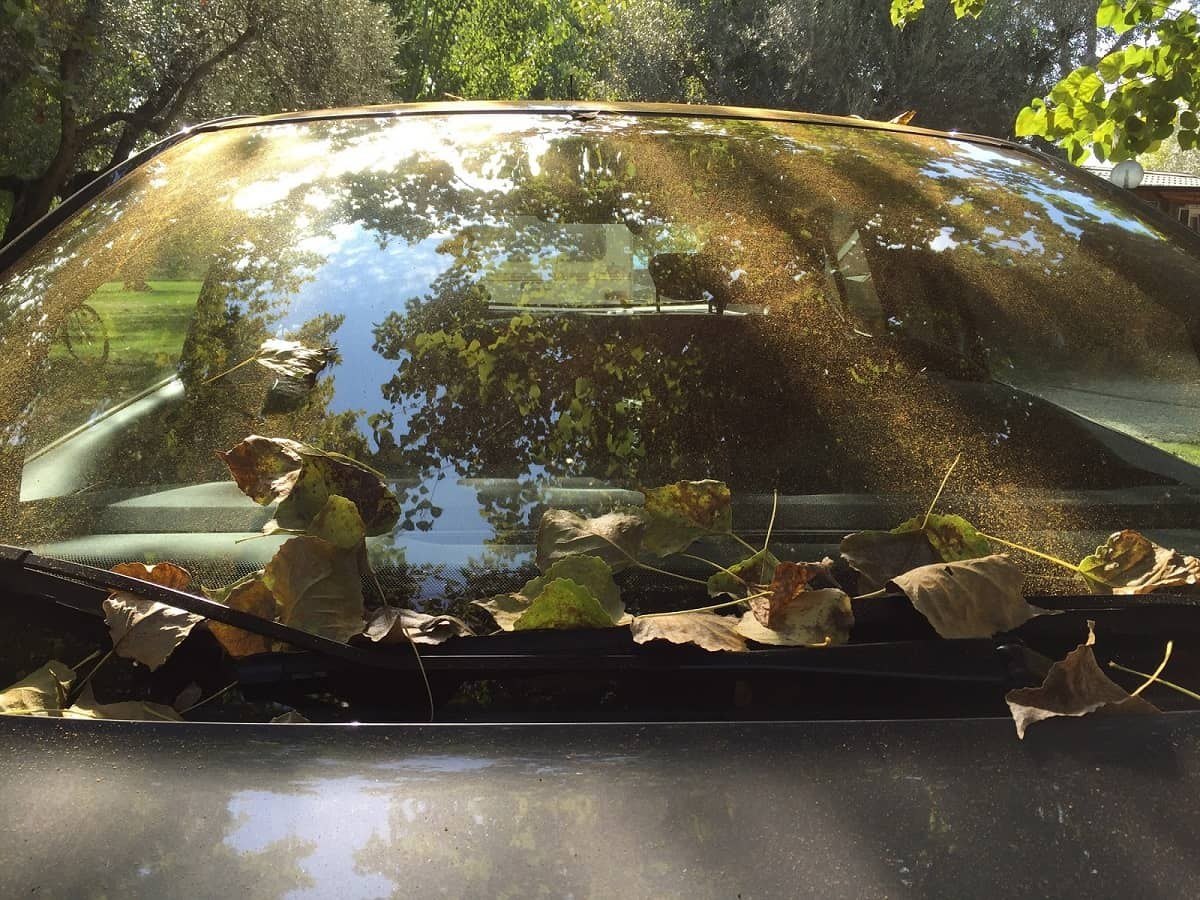
In summer, the shade of a tree looks like the perfect parking spot, but within hours the bodywork can be covered with drops of sap, sticky honeydew from aphids and bird droppings. Lime trees, poplars, pines and maples in residential courtyards are the usual culprits.
Sap is chemically similar to paint, so in hot weather it can practically bond with the clear coat. A fresh drop is easy to remove, while a dried one can leave a dull mark. Act quickly, and WD-40 Smart Straw will help: it softens the sap and releases it from the paint.
What you will need
Important: Work in the shade on cool bodywork. Do not scrape sap off with a knife, fingernail or stiff brush. WD-40 may soften or remove existing wax, so test on a hidden spot first. Keep the product off the windscreen, wiper blades, brake discs and tyres.
Step 1
Assess the marks
Walk around the car and check the roof, bonnet, boot lid and glass. Note whether the sap is still soft and tacky or has already hardened, and how large the spots are. This tells you how long the job will take.
Small fresh drops can be wiped off on the spot with a damp cloth before they set.
Step 2
Soften the sap with hot water
Wash the affected areas with hot water and car shampoo, wiping gently with a soft sponge. The heat softens the sap and some of it will come away immediately.
On large or dried spots, lay a cloth soaked in hot water over the mark and leave it for a few minutes. Fresh sap then lifts off easily.

Step 3
Apply WD-40 and let it work
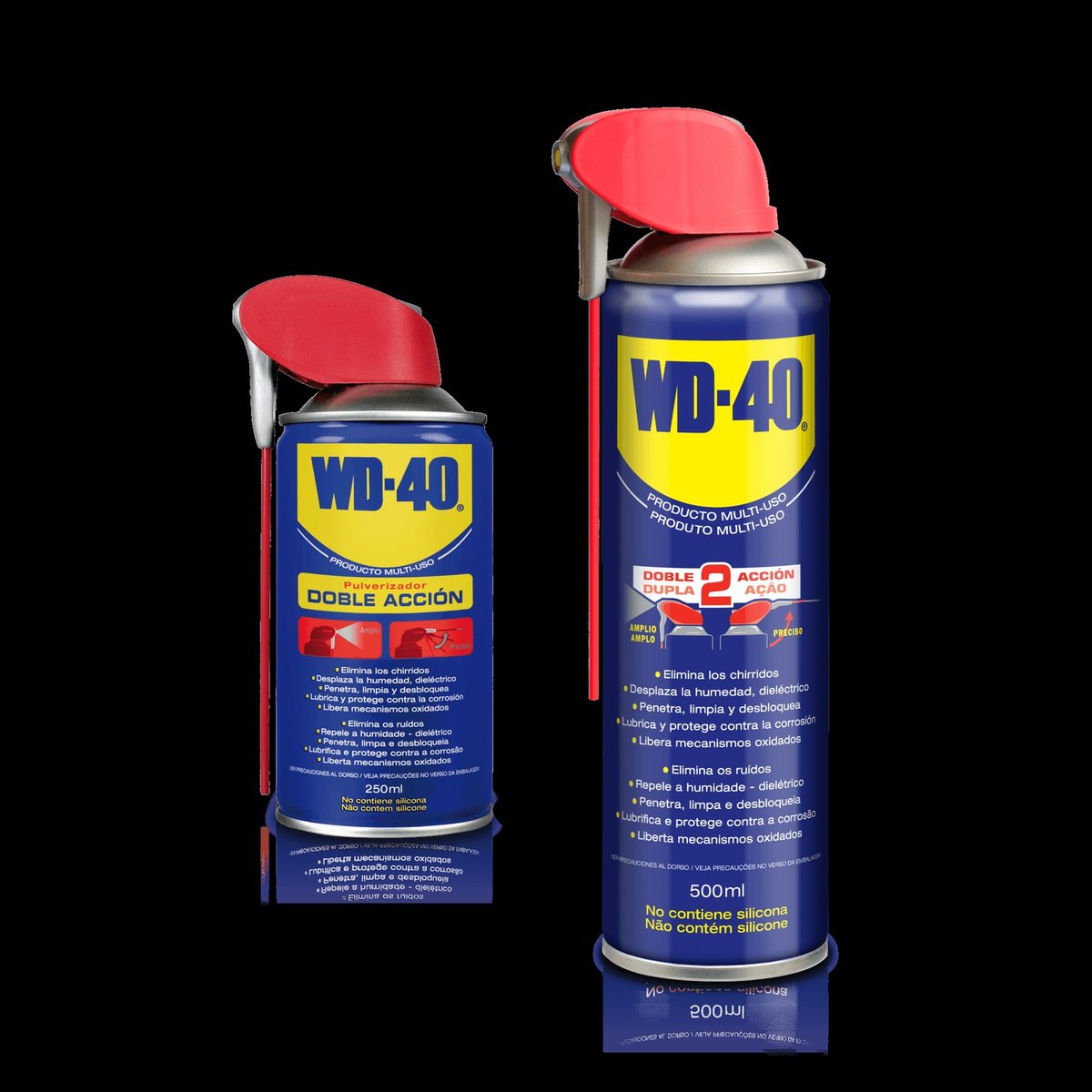
Dry the area. Use the thin straw of WD-40 Smart Straw to apply the product precisely to each drop of sap without flooding nearby parts. For a wider area, flip the straw up and use the broad spray.
Leave it for 2-5 minutes. The product gets under the sap, softens it and releases it from the paint.
Step 4
Wipe off the sap and repeat if needed
With a clean soft cloth, wipe the softened sap away in one direction without pressing. Use a fresh part of the cloth each time so you do not drag sticky dirt across the paint.
If marks remain, apply WD-40 Multi-Use again, wait a few minutes and wipe. Old spots sometimes need 2-3 rounds.
Step 5
Wash and protect the paint
Wash the treated areas with car shampoo and clean water to remove WD-40 residue, then dry the bodywork.
Apply wax or polish following the manufacturer's instructions. A protective layer stops sap and bird droppings from etching into the paint and makes the next wash easier.
Tip: Keep a small can of WD-40 and a cloth in the boot: a fresh drop of sap removed right away in the car park comes off far more easily than one that has baked in the sun for days.
What next
In summer, check the bodywork after every stop under trees and renew the wax every 1-2 months. The same method lets WD-40 Multi-Use remove tar spots, sticker residue and dead insects from the bumper.
These uses come from the experience of WD-40 users in many countries. Always follow the instructions and warnings on the product label.
More guides in «How to use».