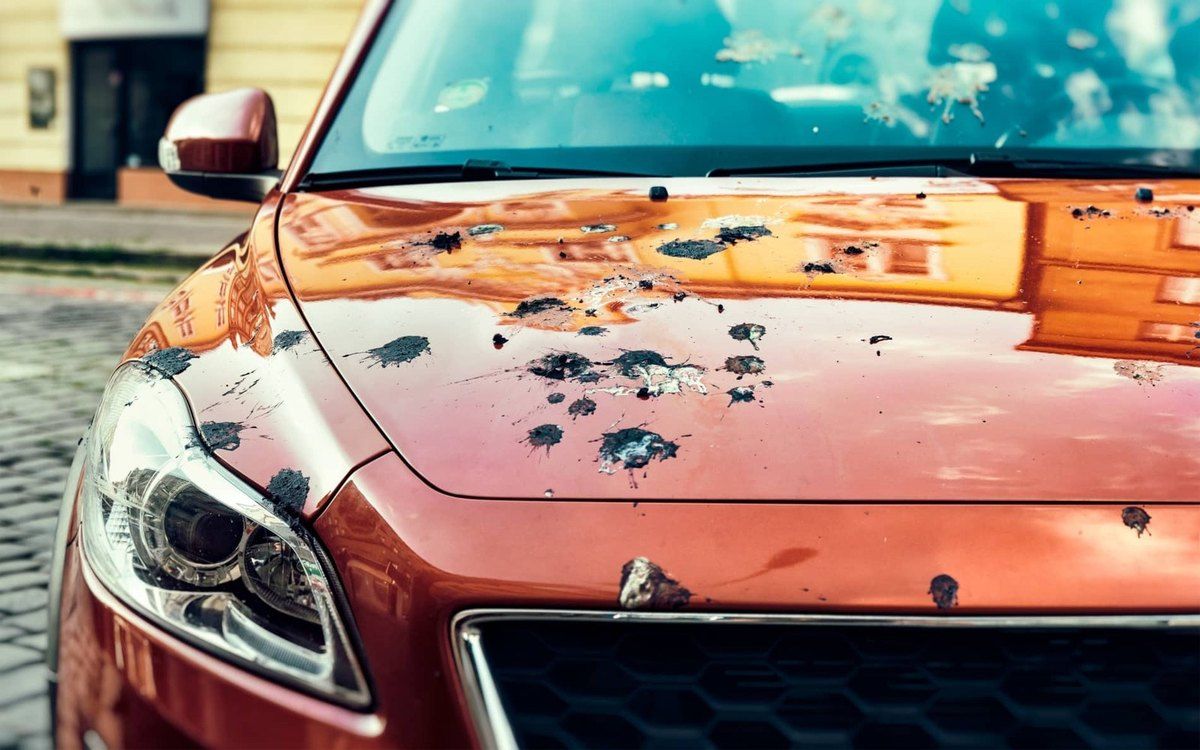
Bird droppings on a car are more than an unsightly mark. They are aggressive to paint: acidic compounds, baked by the sun, can etch into the clear coat, and within days a dull mark may be left behind. Pigeons and rooks, common around car parks and under trees, are the worst offenders.
The golden rule: never scrape or dry-wipe dried droppings, because they contain grit and hard particles that scratch the paint. Soften first, then remove, and for dried-on marks use WD-40 Multi-Use.
What you will need
- Clean water, a garden hose or a water bottle
- Cloth, sponge, paper towels
- WD-40 Multi-Use, or WD-40 Trigger Pro for a fleet or car wash
- Car shampoo and a soft sponge
- Microfibre towel
- Polish or car wax
Important: Do not use a pressure washer on dried droppings: the jet drags hard particles across the paint. Keep WD-40 off the windscreen in the wiper area, tyres and brake discs. Work in the shade on a cool body panel.
Step 1
Check the damage
Look over the car: how many marks there are and whether they are fresh or dried on. The longer droppings stay on the paint, the deeper the damage, especially in summer sun. The sooner you start, the less chance of a dull mark that needs polishing out.
Step 2
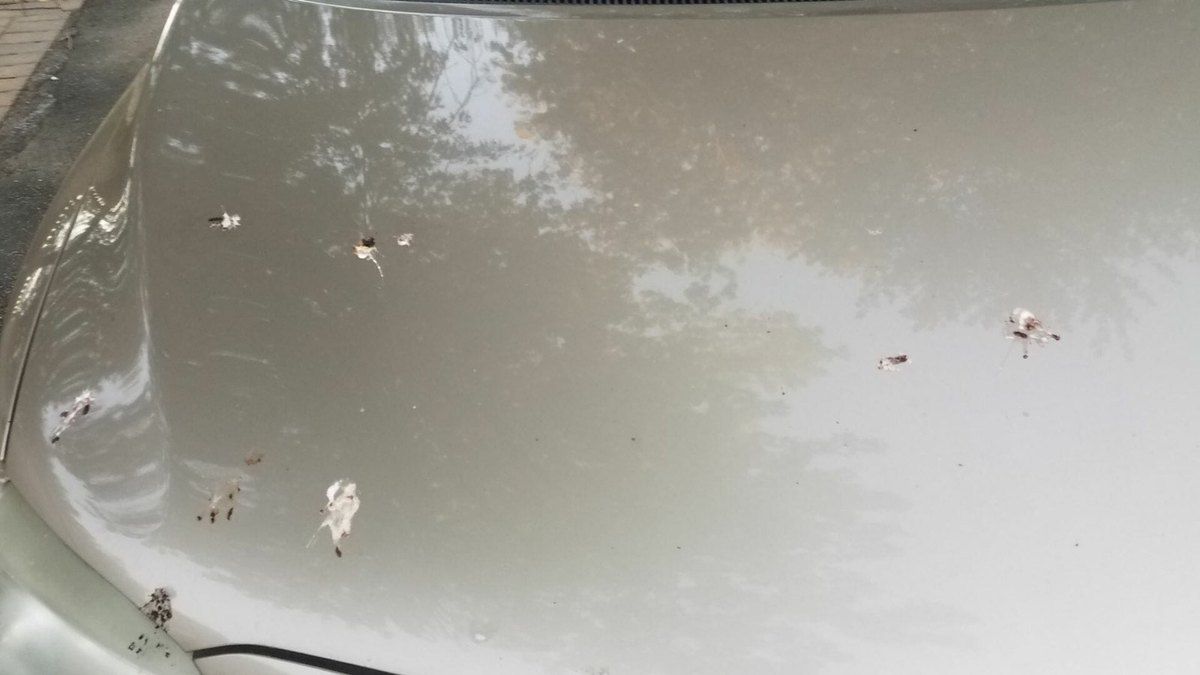
Soak the droppings
Place a wet cloth, damp paper towel or sponge over each mark and leave it for at least 15 minutes. A sponge holds more water and works better. Re-wet it from time to time so it does not dry out. By then the droppings will have softened and will come off without rubbing.
Step 3
Rinse off fresh marks
Rinse fresh or well-soaked droppings away with a hose or water bottle and lift them with a soft cloth, picking the dirt up rather than dragging it across the panel. Avoid a pressure washer here.
Step 4
Dissolve dried marks with WD-40
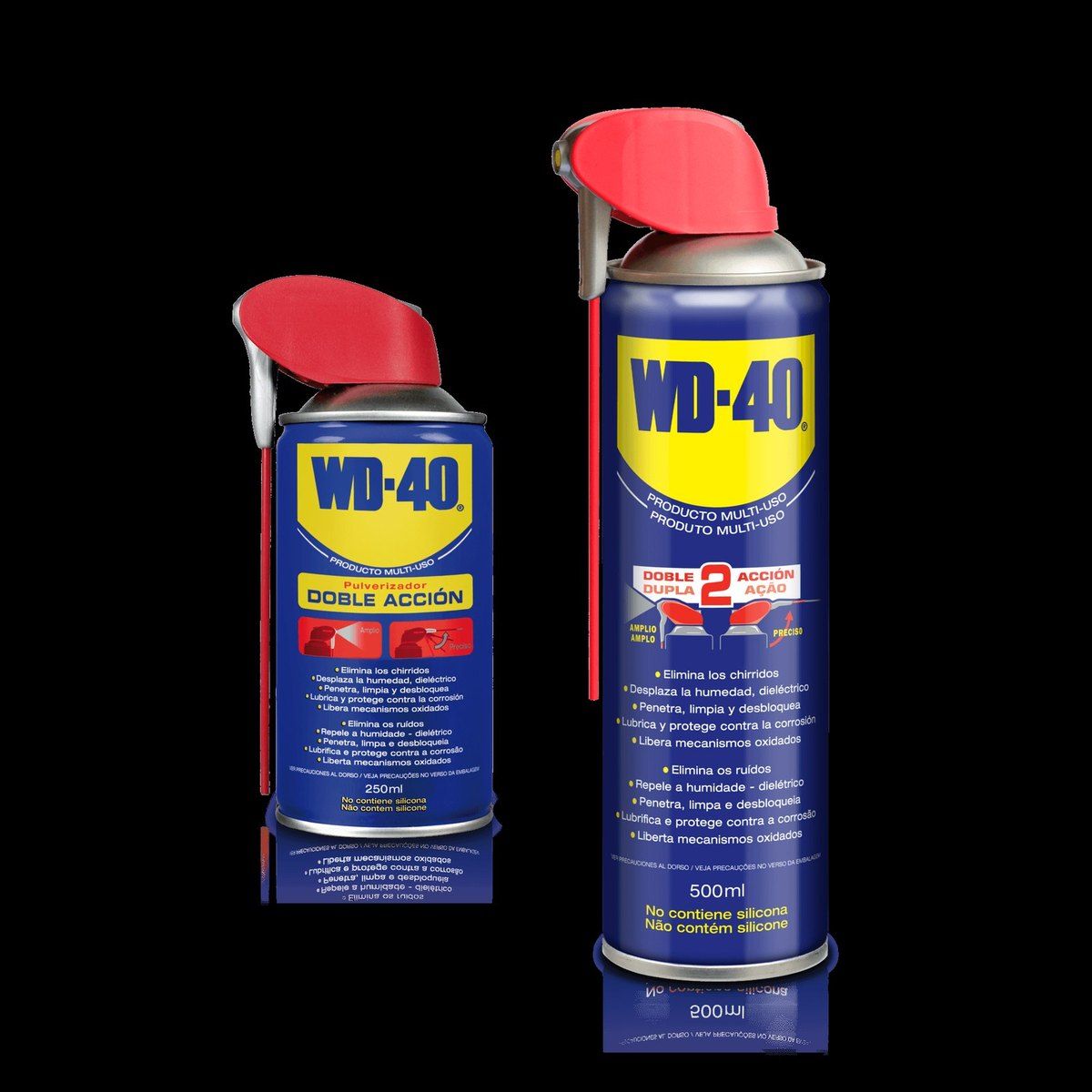
If the droppings have been there for days and still cling after soaking, spray WD-40 Multi-Use onto the mark and let it work for a minute. It gets under the dried layer, loosens its grip on the paint, and the mark wipes off with a damp cloth. Repeat for stubborn spots.
WD-40 also displaces moisture and protects any bare metal in stone chips from corrosion. At a car wash or for a fleet, WD-40 Trigger Pro with its trigger sprayer is more convenient.
Step 5
Wash, dry and wax
Wash the treated area or the whole car with car shampoo and a soft sponge, top to bottom, wheels last. Rinse and dry with a microfibre towel to avoid water marks.
Then apply polish or wax. The protective layer seals the paint, so the next dropping will not have time to bite in and will be much easier to remove.
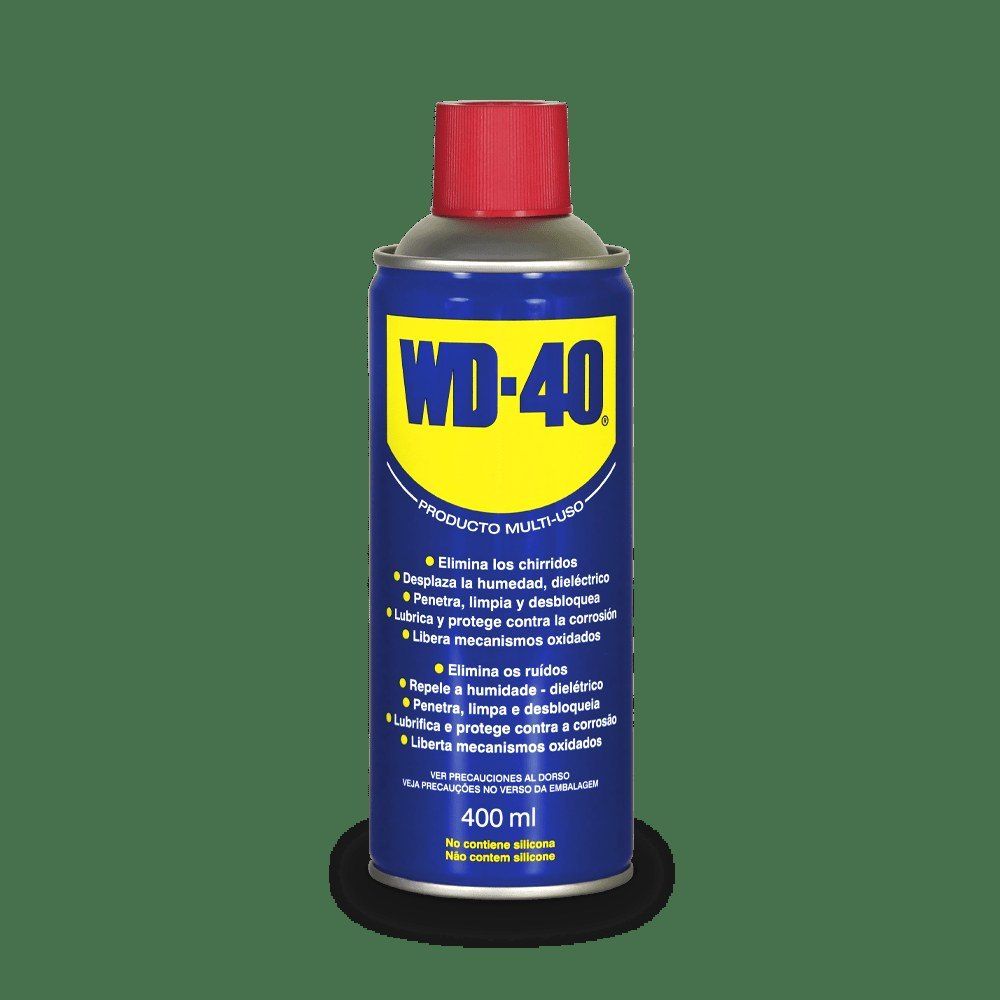
Tip: Keep a bottle of water, a pack of wipes and a small can of
WD-40 Multi-Use in the boot, so you can deal with a mark the same day before it damages the paint.
What next
In summer, when birds and sunshine are at their peak, check the bodywork daily and renew the wax every 1-2 months. In autumn, before the gritting season, it also gives the paint extra protection against road salt.
These uses come from the experience of WD-40 users in many countries. Always follow the instructions and warnings on the product label.
More guides in «How to use».