An oil change, adjusting a motorcycle chain or checking the engine at the roadside rarely ends without a greasy drip on a sleeve or trouser leg. Engine oil soaks quickly between the fibres, and an ordinary wash often just fades the stain and spreads it.
The good news is that most of these stains can be removed at home if you work in the right order. First collect the excess oil, then dissolve the grease left in the fibres, and only then wash the garment.
What you will need
- paper towels or a cotton rag
- potato starch, talc or fine salt
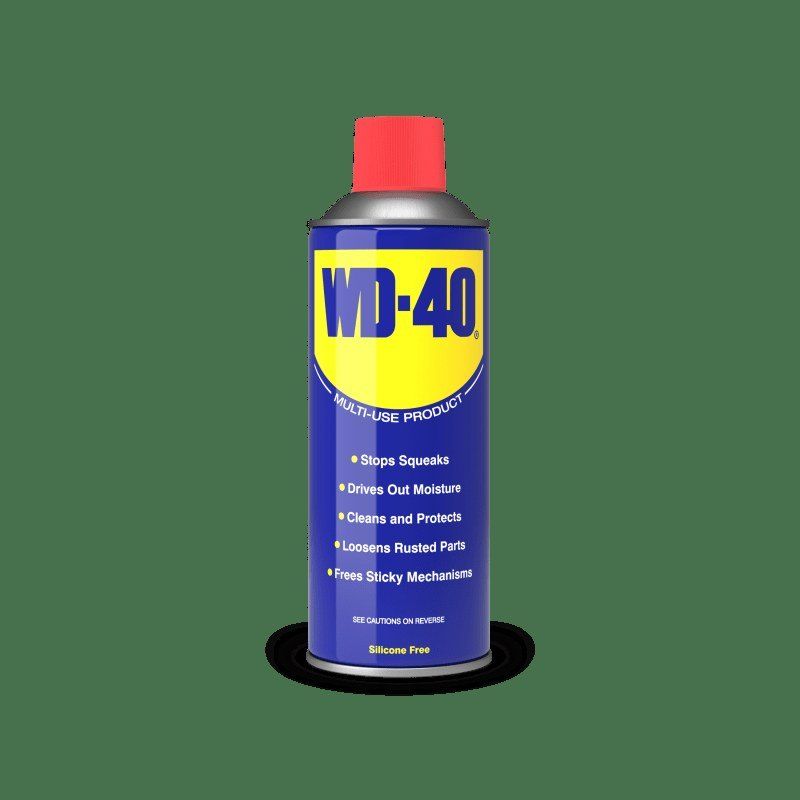
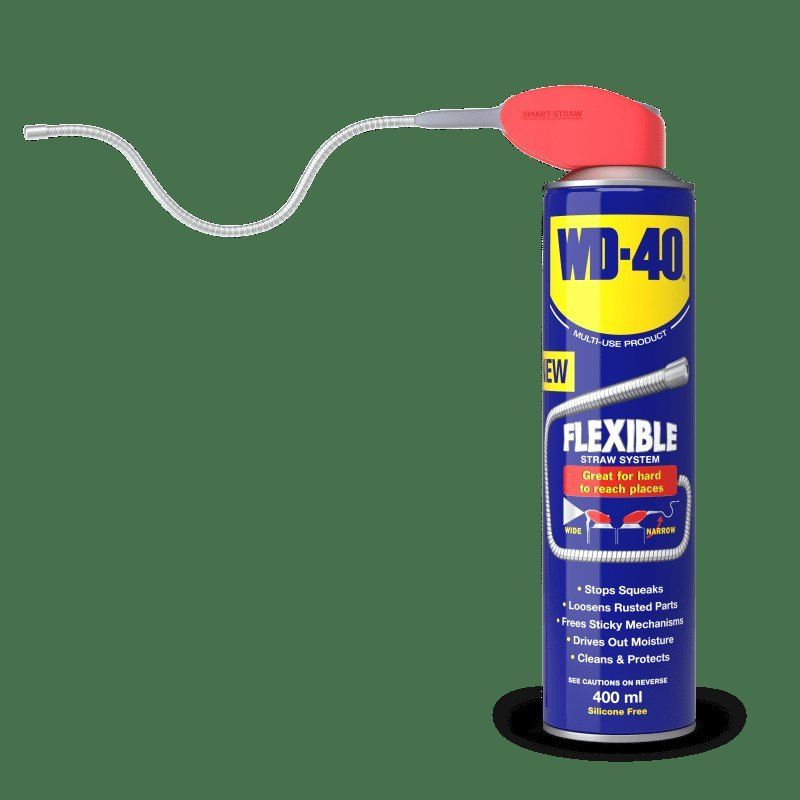
- WD-40 Multi-Use or WD-40 Smart Straw for precise application
- washing-up liquid
- an old toothbrush
- warm water and detergent or stain remover
Important: Do not put oil-stained clothes straight into the washing machine: the oil will spread through the fabric and may transfer to other items. On delicate and coloured fabrics, test WD-40 on a hidden area first.
Step 1
Blot up the excess oil
As soon as you notice the drip, blot it with a paper towel or cotton rag. Cotton is very absorbent, so simply press it onto the stain and lift it away.
Do not rub or smear: that pushes the oil deeper into the fibres and makes the stain larger. The only aim here is to remove what is still sitting on the surface.
Step 2
Take the garment off and protect it
Take the stained garment off as soon as you can. Lay it flat and put several layers of paper towel under the stain so the grease does not soak through to the back or another part of the item.
Step 3
Cover the stain with starch
Sprinkle a generous layer of potato starch over the fresh stain. It absorbs the grease and draws it out of the fibres. If you have no starch, talc or fine salt will also work.
Leave it for 20 minutes, then carefully shake the powder off over a bin so you do not spread the grease. Repeat for a heavy stain.
Step 4
Dissolve the remaining grease with WD-40
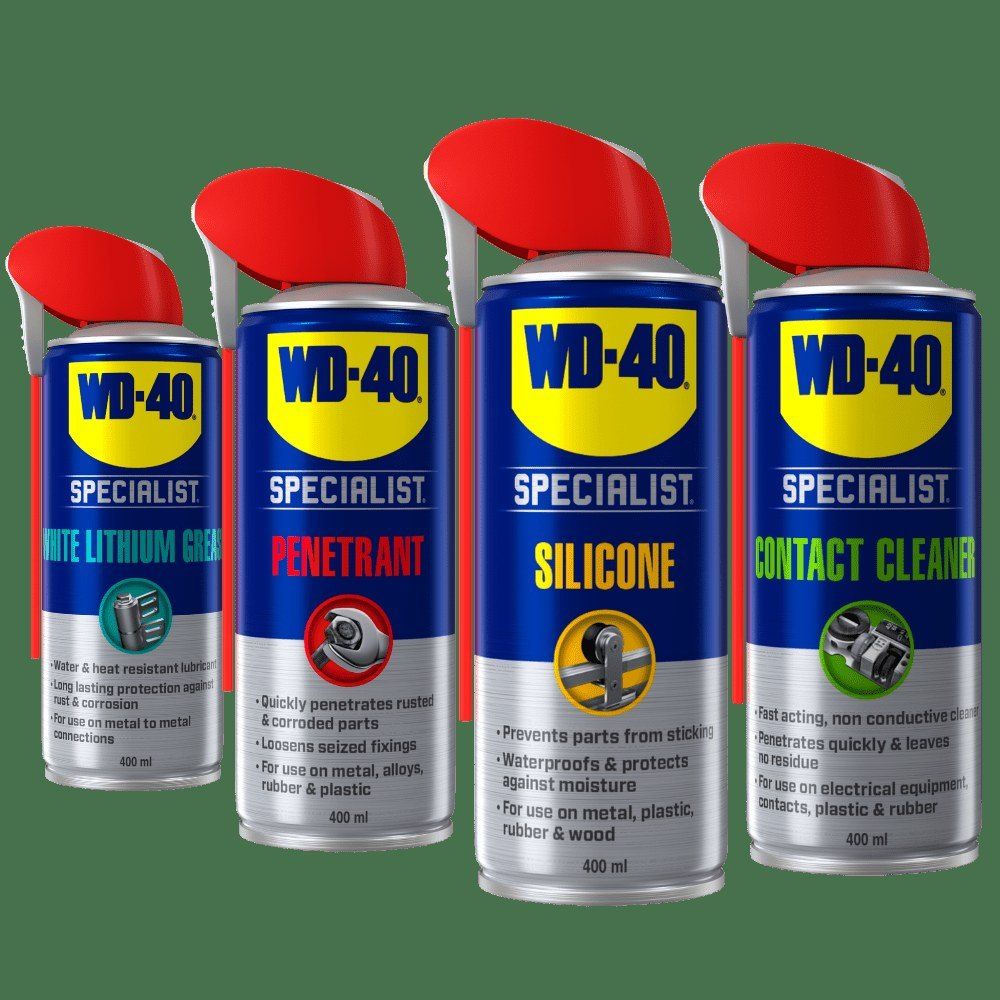
Spray WD-40 Multi-Use onto the stain until it is fully wet. For a small spot, the WD-40 Smart Straw is handier, and a pocket-size WD-40 100 ml is worth keeping in the garage kit.
Work it in lightly with a finger or brush and leave it for a few minutes. WD-40 softens thickened oil, even when the stain has started to dry, and prepares it for removal.
Step 5
Finish with washing-up liquid
Apply a little washing-up liquid and scrub with the toothbrush from both the front and the back. It degreases and lifts both the oil residue and the WD-40 itself.
Rinse under warm running water and check the result. If an outline is still visible, repeat the WD-40 and washing-up liquid step.
Step 6
Wash the garment
Machine wash at the highest temperature the care label allows, adding a stain remover. Check the stain is gone before drying: a hot tumble dryer or iron can set any remaining grease permanently.
Tip: Keep dedicated work clothes in the garage and a can of WD-40 next to your tools. The sooner you treat a drop of oil, the less chance it has to bond with the fabric, especially synthetics.
What next
Fresh stains usually come out first time; older ones may need two or three rounds. The same WD-40 Multi-Use also removes greasy marks from tools, gloves and car door handles after a repair.
These uses come from the experience of WD-40 users in many countries. Always follow the instructions and warnings on the product label.
More guides in «How to use».