Electric guitars, synthesisers, combo amps, mixing desks and portable speakers all appreciate careful handling. Musicians carry gear from a cold car into a warm venue, play in damp cellars and at summer open-air stages, and it is exactly these swings in temperature and humidity that harm electronics fastest.
Most problems, such as a crackling socket, a cutting-out signal or unstable sound, come from dirty, oxidised contacts. Regular care takes little time and saves money on repairs.
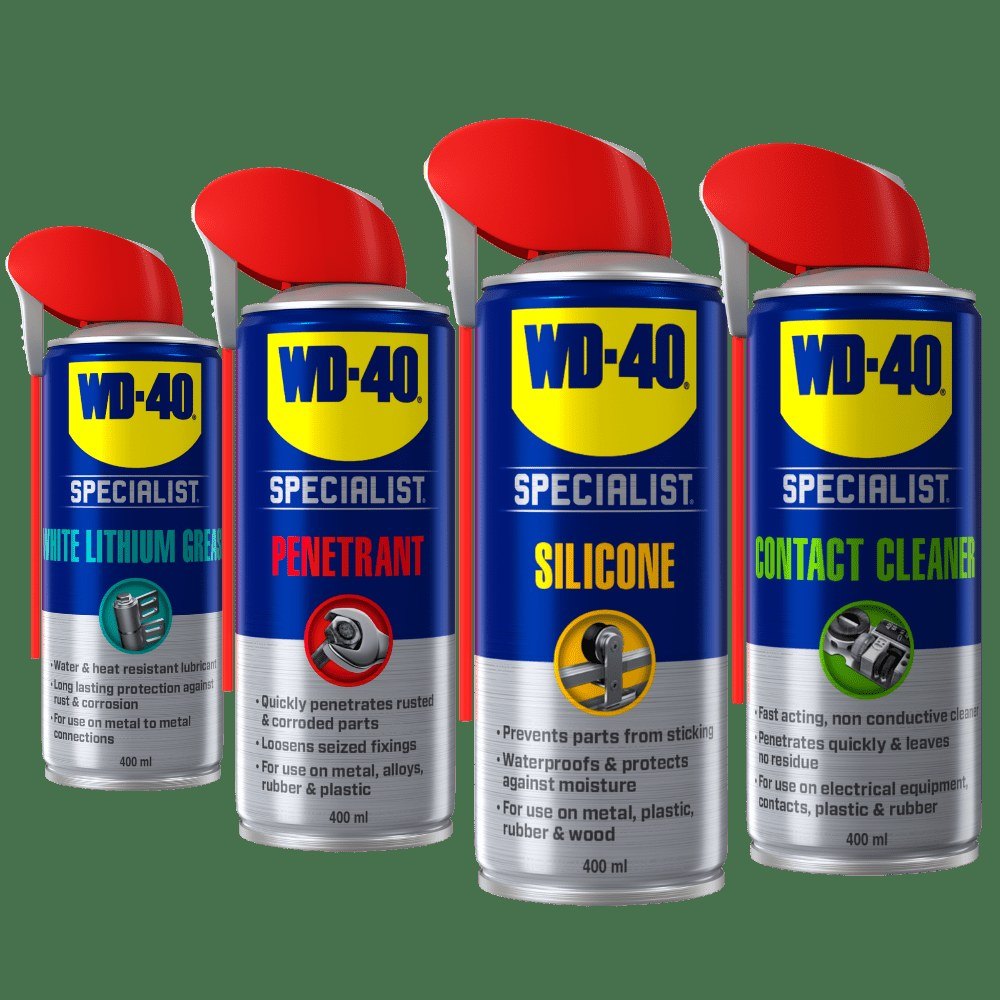
What you will need
Important: Switch the gear off, unplug it from the mains and remove batteries before cleaning. Only switch it on once the product has fully evaporated. Test on a hidden area of plastic and lacquered surfaces first.
Step 1
Clean the housing
Wipe dust and dirt off the housing regularly. Match the cleaner to the surface: dedicated wipes for screens and displays, a soft damp microfibre cloth for plastic and metal.
Never spray any product directly onto the equipment, as liquid can get inside onto the circuit board. Spray it onto the cloth and wipe the housing with that.
Step 2
Clean the electrical contacts
All gear, from a wireless speaker to a full stage rig, has connectors that collect dust and oxidise. Deposits on the contacts degrade the signal and eventually cause crackle, noise and failures.
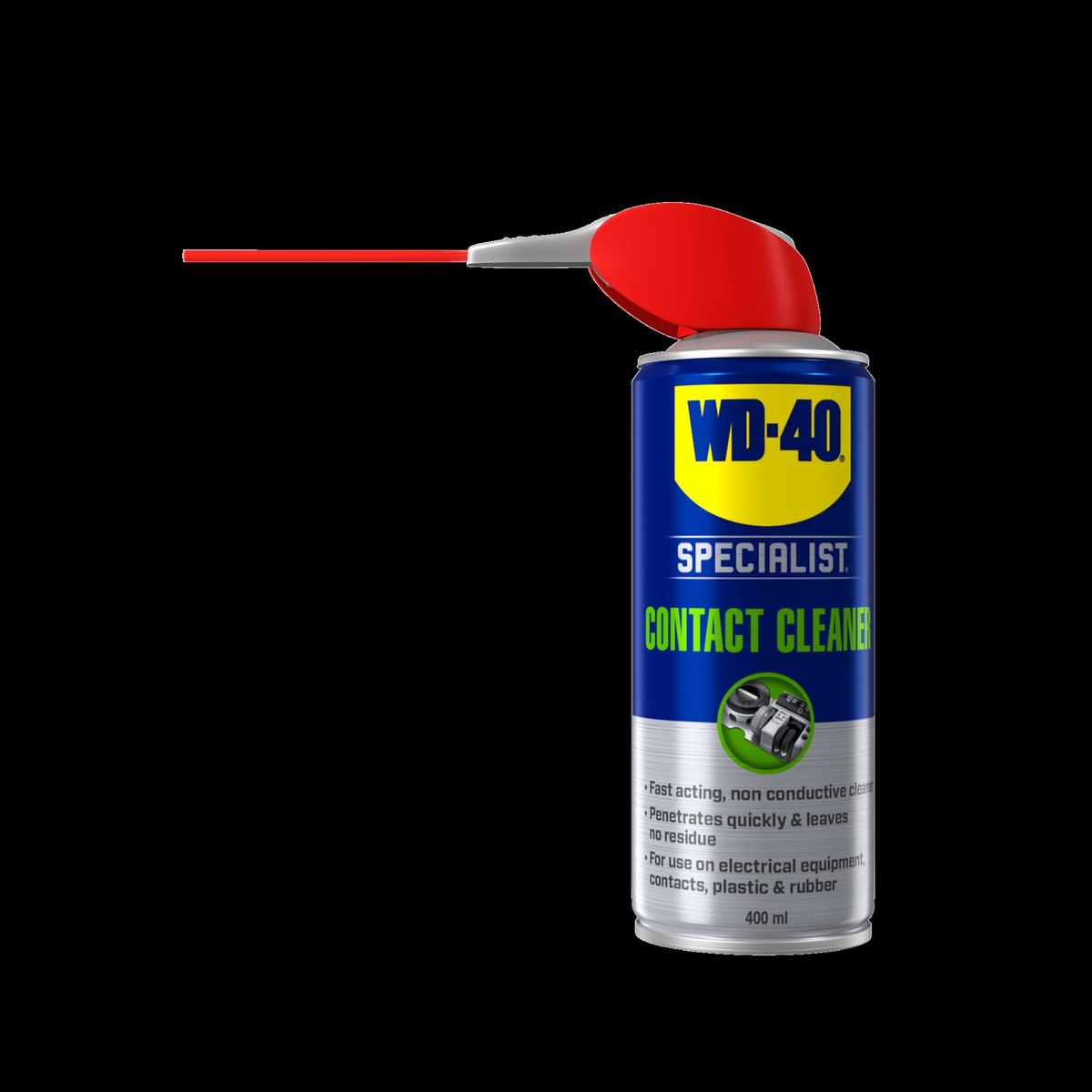
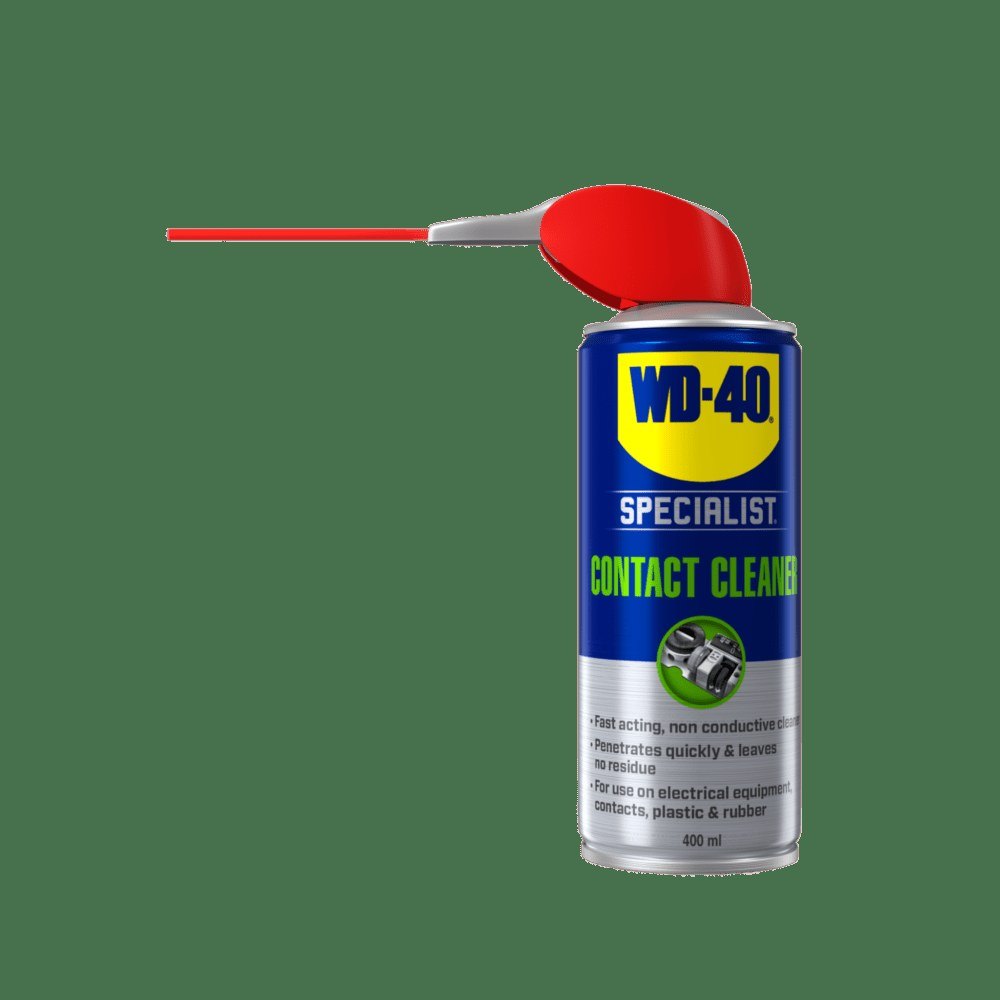
Never use water on contacts. Give a few short bursts of WD-40 Specialist Contact Cleaner into jack sockets, XLR connectors, power inlets and onto plugs. It removes dirt and deposits and evaporates quickly. Treat every male and female connector and let the product dry completely before powering up.
Step 3
Look after the cables
Leads need as much attention as the gear itself: the sheath should stay supple and free of cracks, or the conductors inside will be damaged. Put a little Contact Cleaner on a dry cloth and wipe the cable along its full length. Do not forget the plugs, as they are the most common source of crackle.
Step 4
Look after the mechanical parts
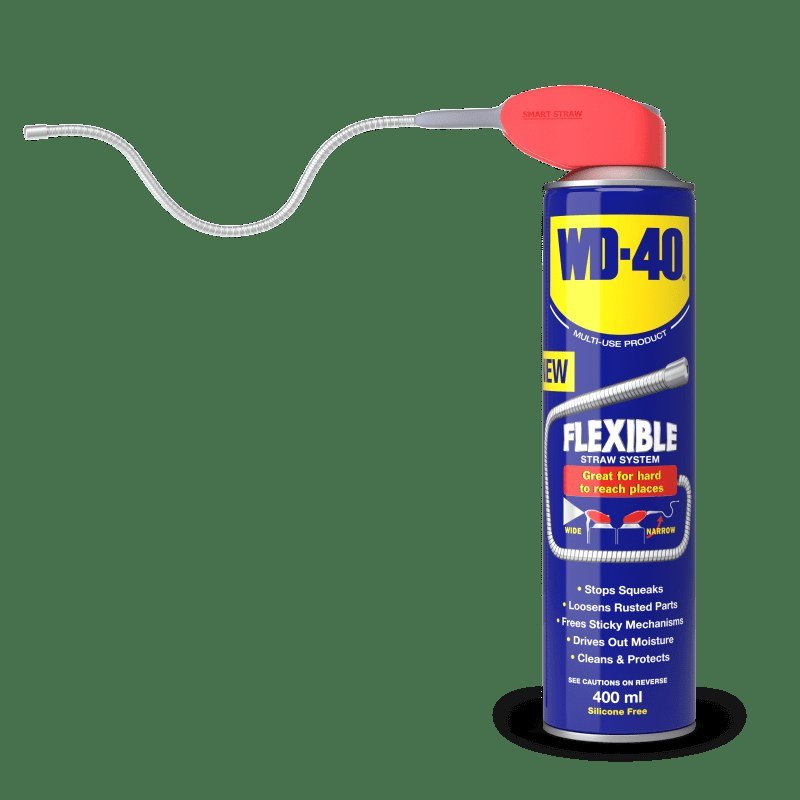
Metal stands, clamps, mic holders and case catches often squeak and stick after touring. Treat them with WD-40 Multi-Use and wipe off the excess. Keep it away from strings, fingerboards, speaker cones and the instrument's wood.
Step 5
Store it properly
When the gear is not in use, keep it in covers or ventilated boxes, lined with soft fabric for delicate items. The room should be dry and warm, out of direct sun and away from radiators. In winter, after bringing gear in from the cold, let it warm to room temperature before switching on so no condensation forms.
Step 6
Do not neglect rarely used gear
Even equipment sitting in a cupboard wears out. At least every few months take it out, switch it on and clean it as described above. Remove batteries during storage and recharge rechargeable packs regularly so they keep their capacity.
Tip: If a volume or tone pot crackles when turned, switch off, spray a little Contact Cleaner through the gap by the shaft and turn the knob from end stop to end stop 10-15 times. That is often enough to stop the crackle.
What next
Clean connectors and cables with WD-40 Specialist Contact Cleaner every few months, and always before a tour or an important gig. Clean gear sounds more consistent and lets you down less often on stage.
These uses come from the experience of WD-40 users in many countries. Always follow the instructions and warnings on the product label.
More guides in «How to use».