A rowing machine works your legs, core, arms and back, so it tends to get frequent, hard use. Dust on the rail spoils the smooth glide of the seat, sweat settles on the metal and console connectors, and the hinges of folding models eventually start to squeak.
Rowers come with oar-style levers on hydraulic cylinders, or with a cord or belt where water, a fan or magnets create resistance. Care differs slightly between them, but the basics are the same.
What you will need
Important: Never clean plastic with solvents, petrol, acetone or ammonia-based products; use only a damp, not wet, cloth with mild detergent. Remove the batteries or switch off the power before treating the electronics. Keep lubricant off the seat, handle and footplates.
Step 1
Remove dust and sweat regularly
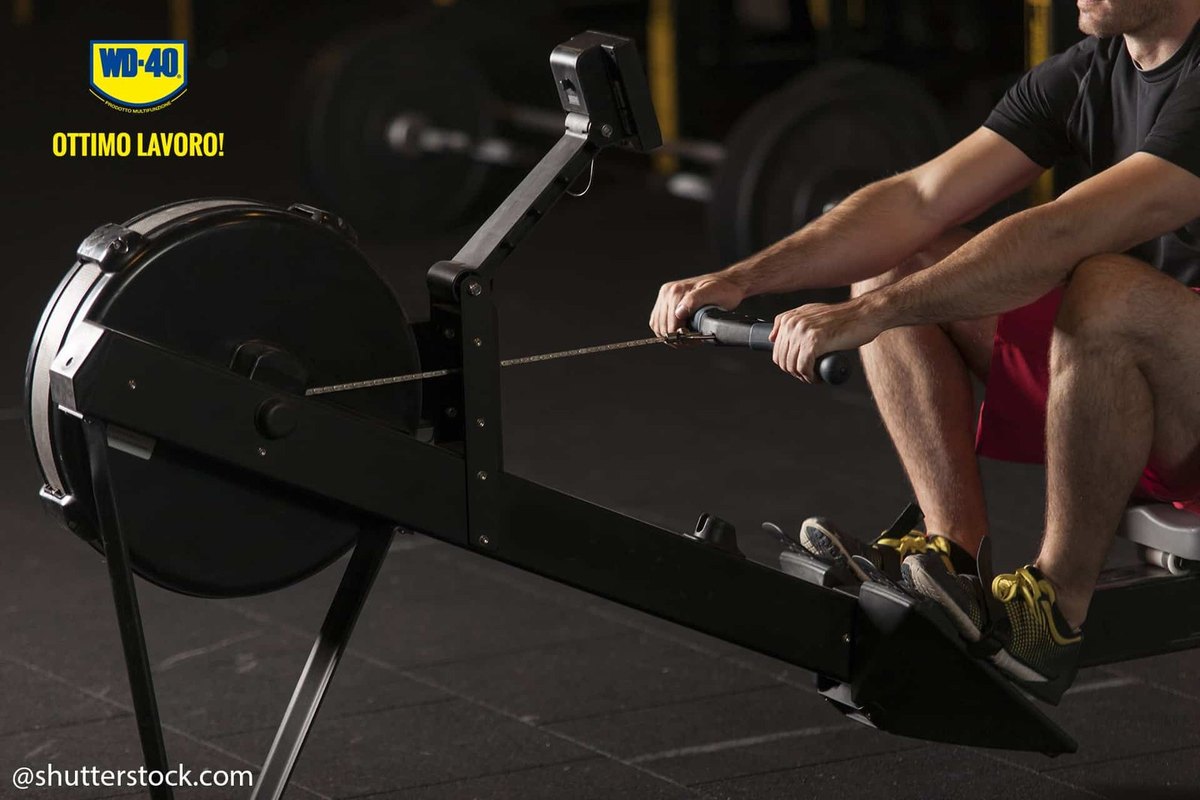
After each session wipe the handle, seat, footplates and frame with a slightly damp microfibre cloth, then dry them. Dust and grit on the rail act as an abrasive and wear out the seat rollers, so wipe the rail more often than the rest of the frame. Never use flammable or corrosive products.
Step 2
Lubricate the rail, rollers and hinges
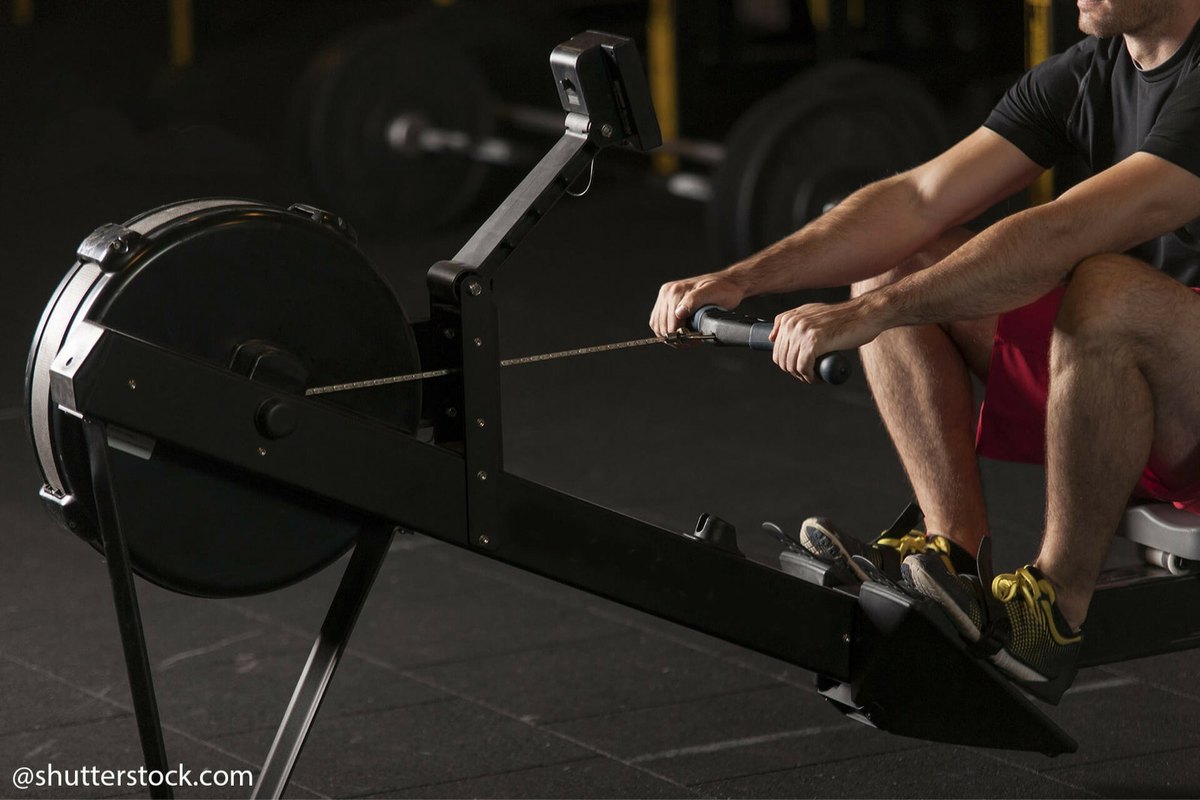
Wipe the rail and seat rollers clean, then apply a thin coat of WD-40 Specialist Silicone to the rollers and, if your model's manual allows it, to the rail, and wipe off the excess. Silicone does not attract dust and keeps the glide smooth. Folding rowers have frame hinges: treat them with the same product.
Step 3
Protect the electronics from sweat
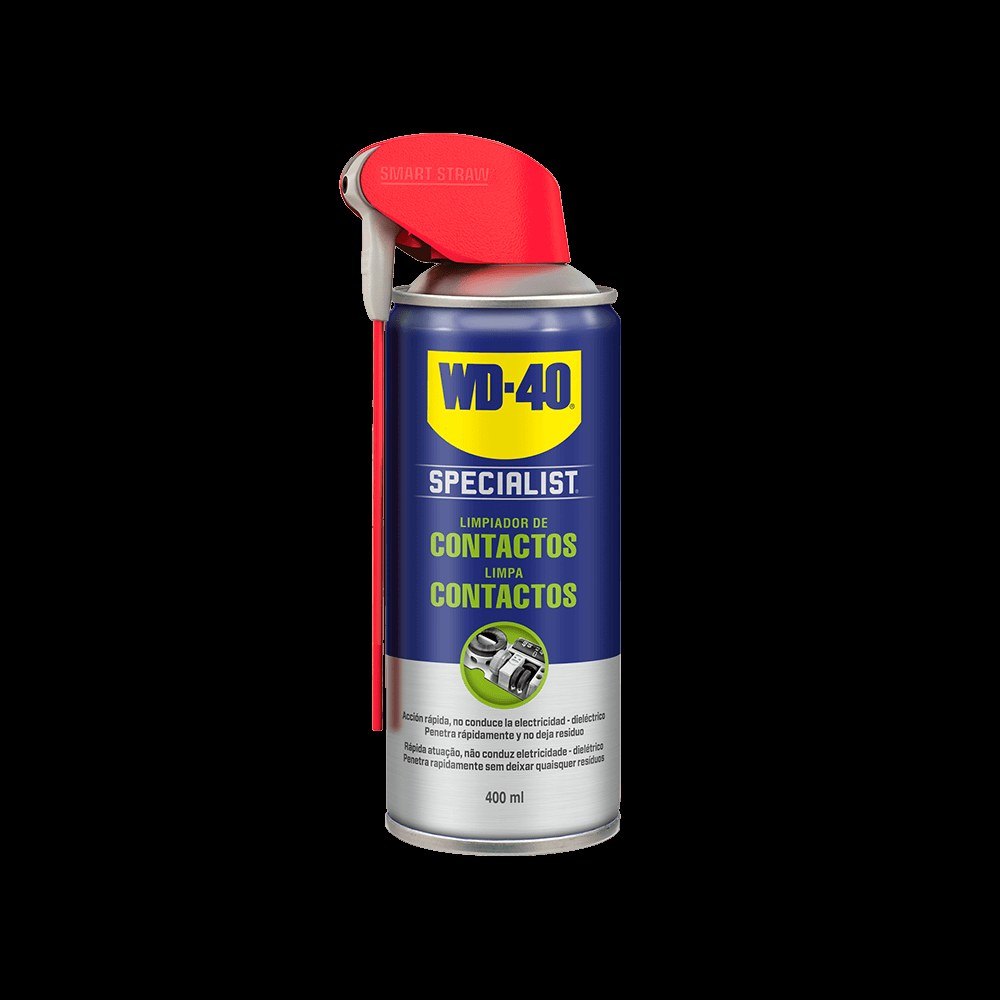
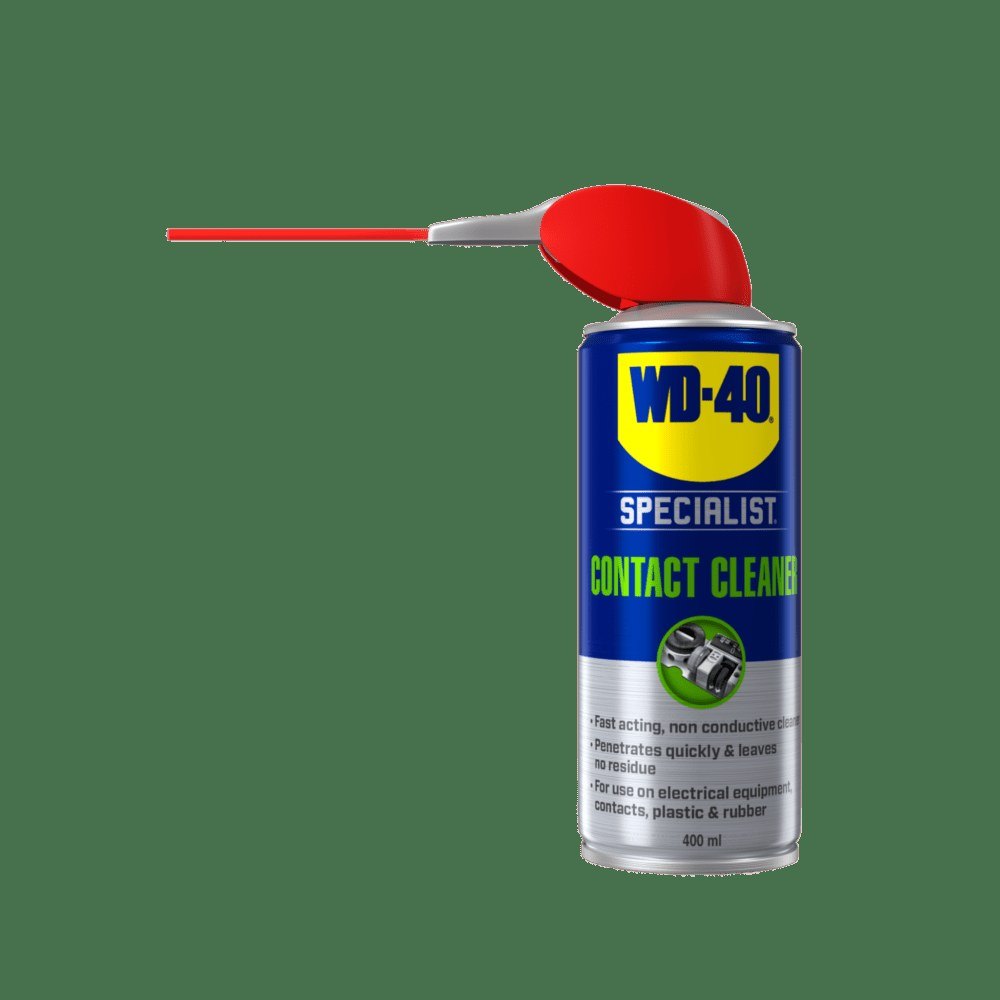
Sweat damages metal and contacts. Every so often, with the power off, treat the console, sensor connectors and battery compartment with WD-40 Specialist Contact Cleaner. It evaporates quickly, dissolves dirt and oxidation and restores conductivity. Switch the machine on only once everything is fully dry.
Step 4
Service oar-style models
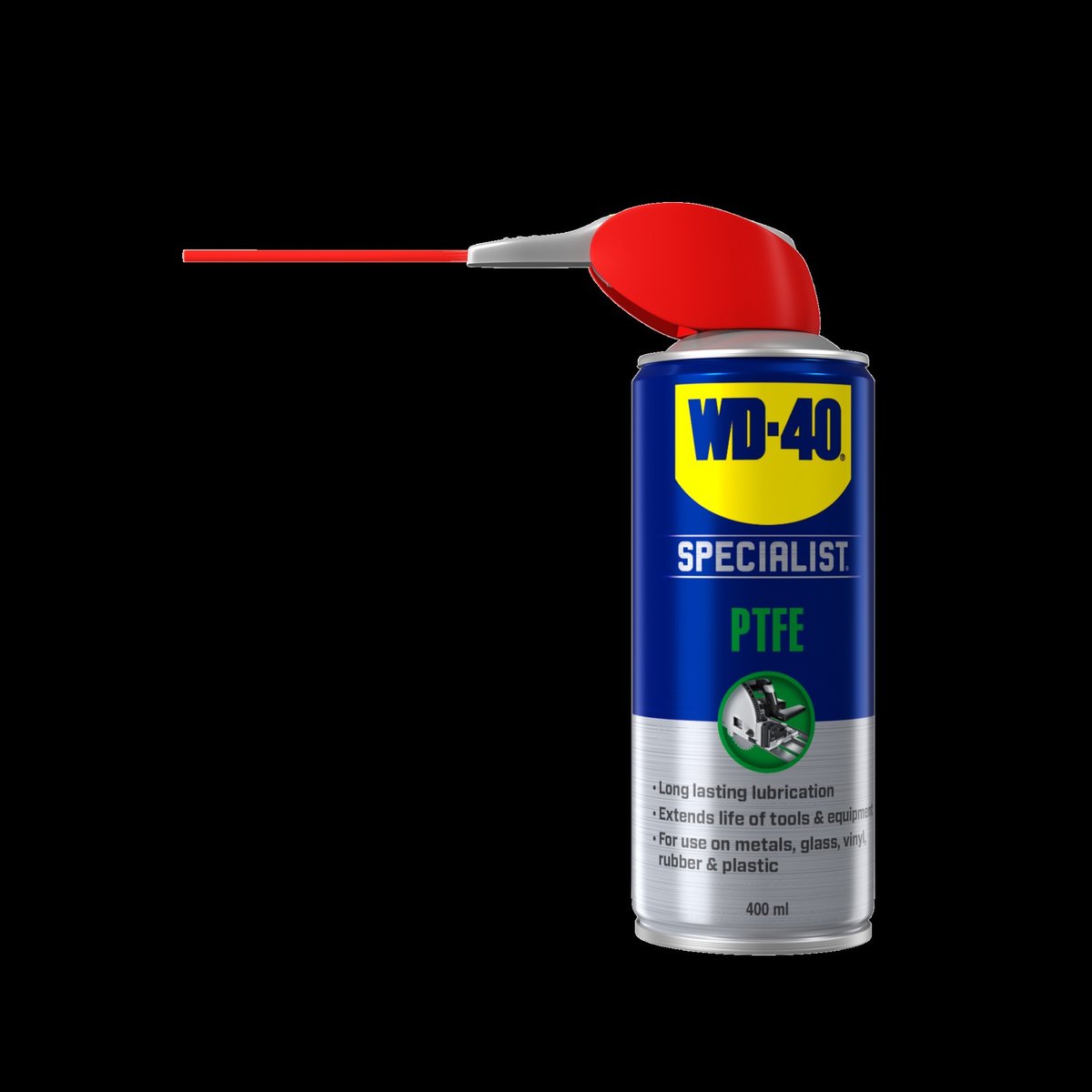
Rowers with levers usually use hydraulic cylinders with adjustable resistance. Treat the lever pivots, axles and adjusters with WD-40 Specialist Silicone so they move smoothly without squeaking. Do not dismantle the cylinders; check them for leaks and, if you find any, contact a service centre.
Step 5
Check the cord or belt
On water, air and magnetic rowers, resistance is transmitted through a cord, strap or chain attached to the handle. Inspect it regularly along its full length, especially where it joins the handle, for fraying and tears. Cords and straps are not lubricated, only wiped with a dry cloth. If your model uses a chain, care for it as the manufacturer instructs.
Step 6
Tighten fixings and protect the metal
Every few months check and tighten the bolts on the frame, feet and seat. Treat bare metal bolts, fittings and folding latches with WD-40 Multi-Use to protect them from moisture and corrosion, then wipe off the excess.
Tip: Keep the rower away from radiators and damp spaces such as a balcony or basement. A stable room temperature and dry air extend the life of the rollers, cord and electronics.
What next
Wipe the rower down after every session and lubricate the rail and hinges every few months, or as soon as you notice a squeak or an uneven glide. See also our tips on maintaining an exercise bike and dumbbells.
These uses come from the experience of WD-40 users in many countries. Always follow the instructions and warnings on the product label.
More guides in «How to use».