A motorcycle engine is fully exposed to the elements. Dust, insects, chain lube spray, exhaust film and road dirt all build up on it, and in winter and spring road salt joins in and quickly attacks aluminium fins and fasteners.
A clean engine cools better, makes oil leaks easier to spot and keeps the bike looking cared for. It does need a gentler approach than the tank or bodywork, because electrics and sensitive parts sit right next to it.
What you will need
Important: Only wash a cold engine in the shade and never use a pressure washer: a strong jet forces water into connectors, bearings and past seals. Keep all products away from brake discs, pads and tyres.
Step 1
Let it cool and protect the electrics
Park the bike in the shade and let the engine cool down completely. If you will be working near the starter motor or wiring, disconnect the battery.
Cover the alternator, regulator, ignition coils, plug caps, carburettor or throttle body, air filter intake and exhaust outlet with plastic and tape. On faired bikes it is best to remove the fairing to reach the engine.

Step 2
Rinse off the loose dirt
Wet the engine with the hose or a sponge and wipe over the cases and covers. This removes sand, insects and dried mud that would otherwise scratch the surface during deeper cleaning.
Step 3
Apply the degreaser
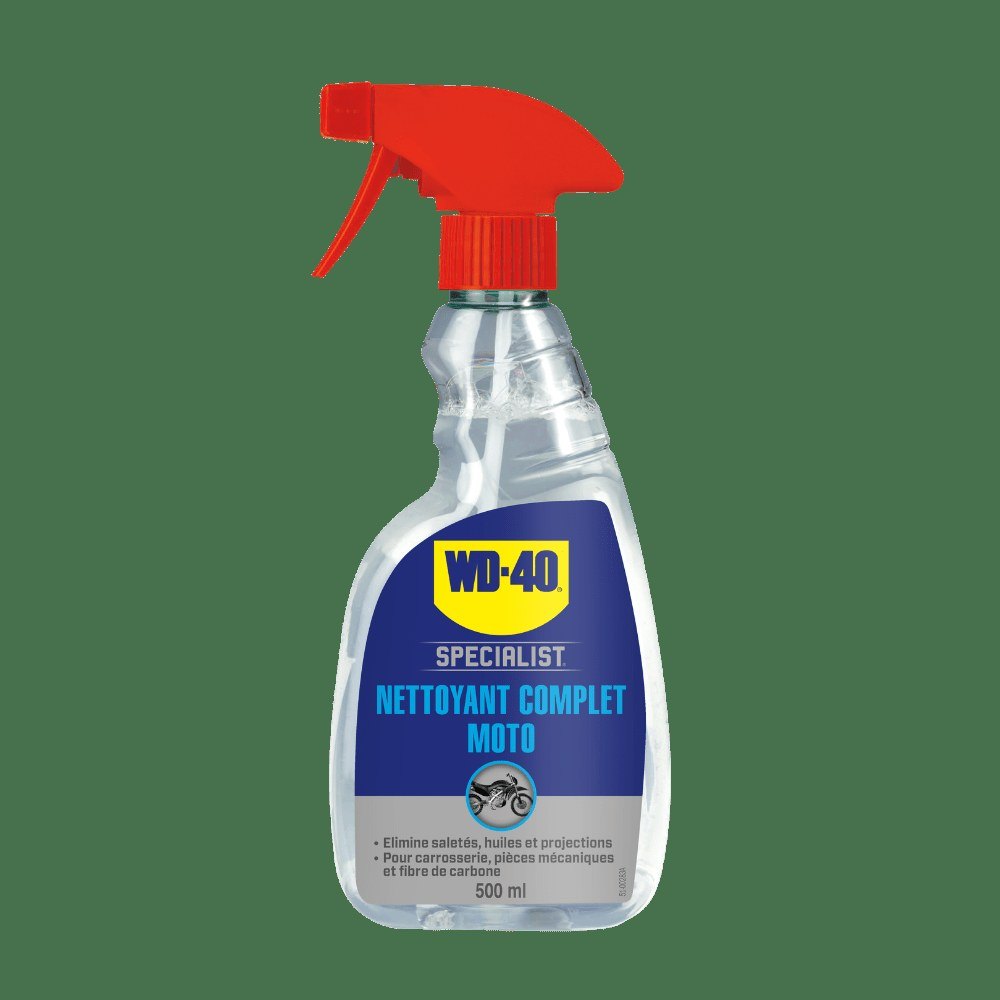
Spray WD-40 Specialist Foaming Degreaser onto the crankcase, covers and lower engine where oily grime collects. Leave it for 3-5 minutes so the foam can dissolve grease and exhaust film, but do not let it dry in the sun.
If the starter cover or a guard is stuck, soak the fasteners with WD-40 Multi-Use and give it a few minutes: parts come off more easily, and the same product on a cloth wipes oily dirt from inside the cover.
Step 4
Brush and rinse
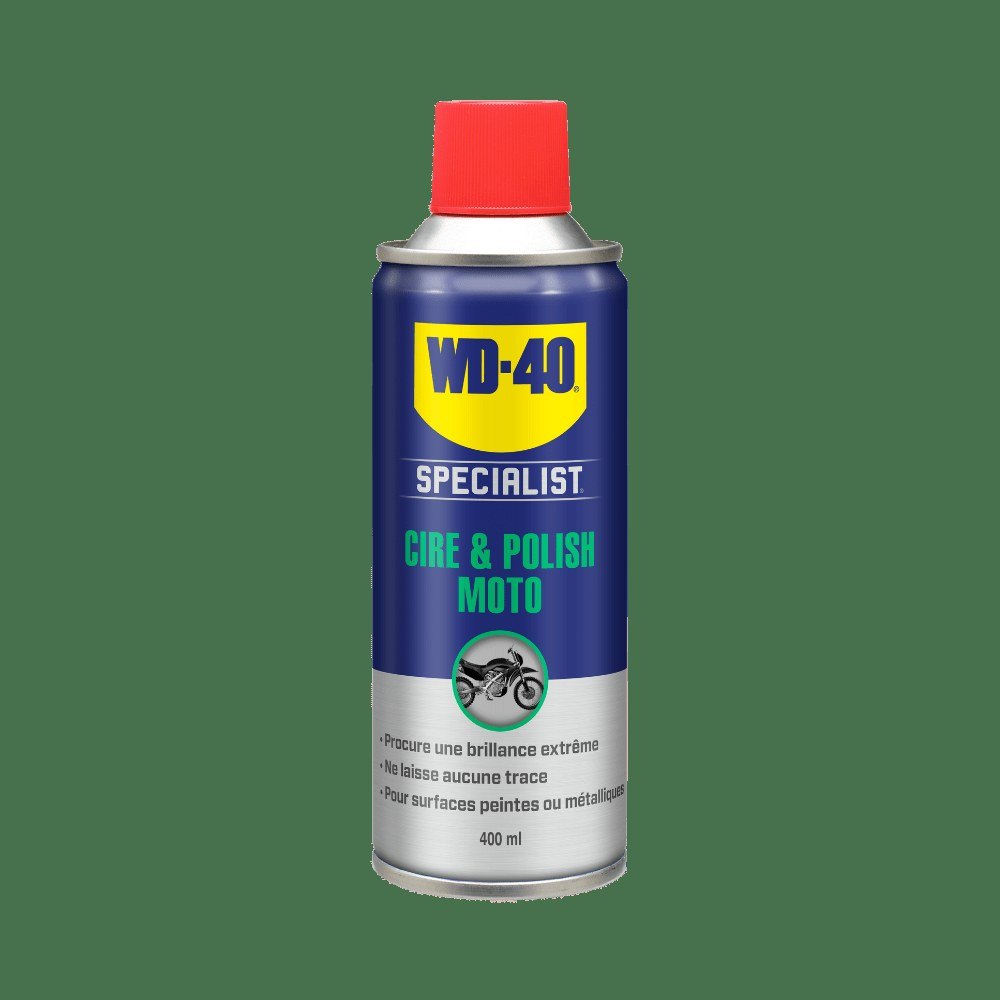
Work the cooling fins, the sprocket area and the gaps near the frame with a soft nylon brush. Avoid wire brushes, which scratch paint and anodised finishes.
Rinse the engine with a gentle stream of clean water. If dirt remains, repeat the application and brushing.
Step 5
Dry it and drive out moisture
Wipe the engine with microfibre and remove the plastic and tape. Let the bike stand until water has evaporated from the recesses, or run the engine at idle for a few minutes.
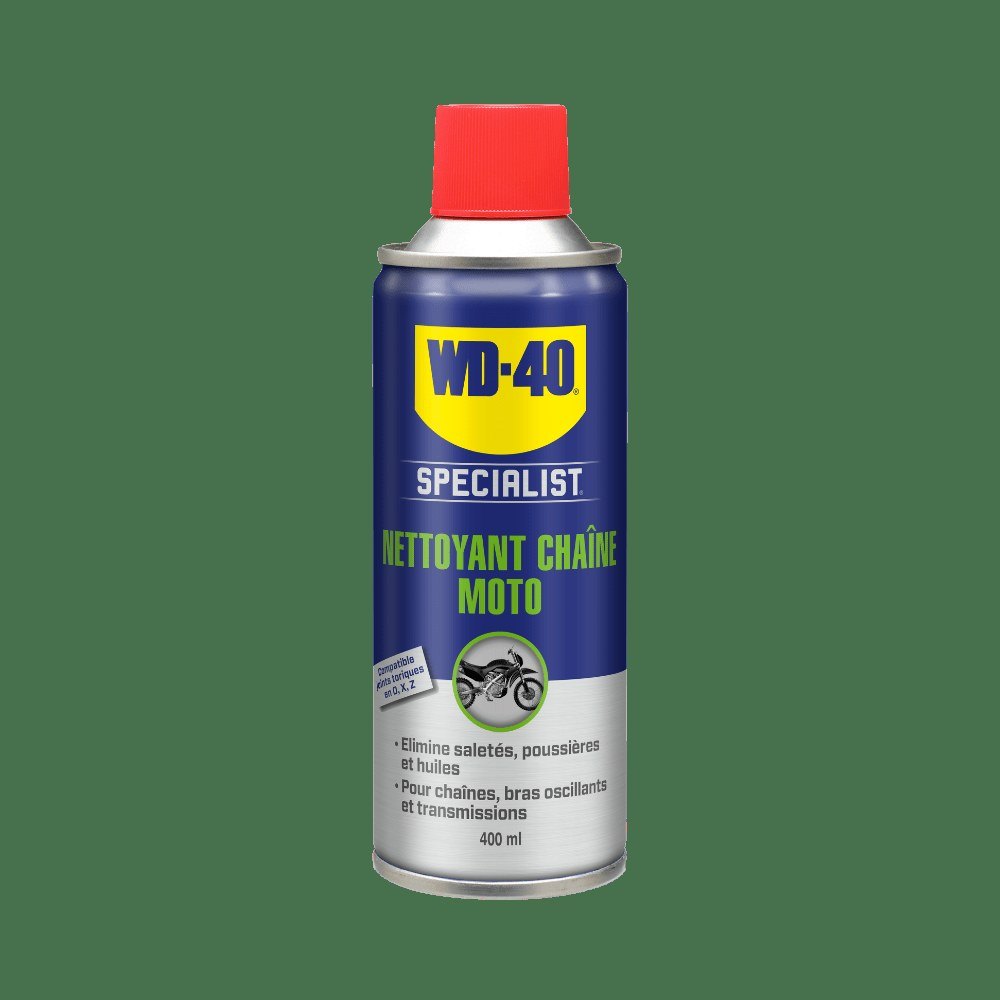
Spray WD-40 Multi-Use onto bolts, clamps and steel parts: it displaces leftover water and protects metal from rust. Treat any connectors that may have got wet with WD-40 Specialist Contact Cleaner.
Step 6
Protect plastic and rubber
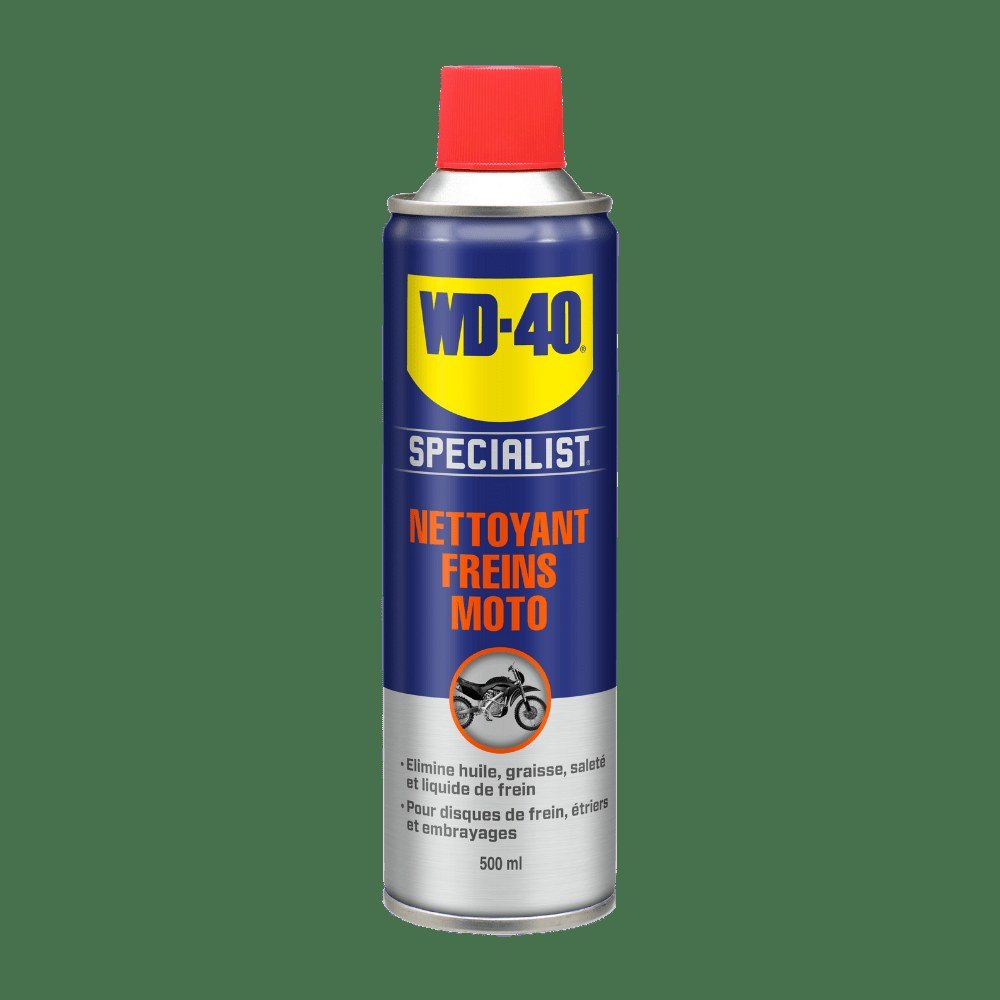
Apply a thin coat of WD-40 Specialist Silicone to rubber hoses, pipes and plastic covers, then buff with a cloth. Silicone repels water and dirt and slows the ageing of rubber. Keep it off the seat, footpegs and grips so they do not become slippery.
Tip: After the winter season, wash the engine as soon as you can: salt trapped in the cooling fins leaves white corrosion spots on aluminium within a few weeks, and they are hard to remove later.
What next
Clean the engine once a month during the riding season and always after rides on wet or salted roads. With the engine done, it is a good time to look after the chain and cables: WD-40 Multi-Use suits cables and pivots.
These uses come from the experience of WD-40 users in many countries. Always follow the instructions and warnings on the product label.
More guides in «How to use».