Sooner or later a kitchen sink or bathroom basin starts to drain slowly. The usual culprits are hair, food scraps, grease and soap scum building up in the trap and the narrow pipes under the sink, bidet or shower. Toilets block less often, and when they do the problem is usually further down the drain.
Below is the order of work, from prevention to removing the trap and clearing the pipe behind it. Most blockages can be cleared without calling anyone out.
What you will need
Important: Wear rubber gloves and eye protection, especially after using a chemical cleaner. Do not plunge or remove the trap while chemicals are still standing in it.
Step 1
Prevent clogs with liquid cleaner
Once a year, and more often in the kitchen, pour a dedicated drain cleaner into the plughole and leave it for the time given on the pack. It breaks down grease and hair, and then you simply flush with hot water.
You can do the same when the sink is already slow, as long as the blockage is not yet solid.
Step 2
Clear the blockage with a plunger
Cover the overflow with a wet cloth, run a little water into the sink, press the plunger over the plughole and pump it up and down vigorously a few times. Deposits break loose and flow away.
Plunging now and then is good prevention too: soft blockages never get the chance to harden.
Step 3
Remove the trap
If the water still will not drain, the blockage is most likely in the trap. Put a large bowl underneath. The nut can often be undone by hand, but an old trap usually needs a spanner.
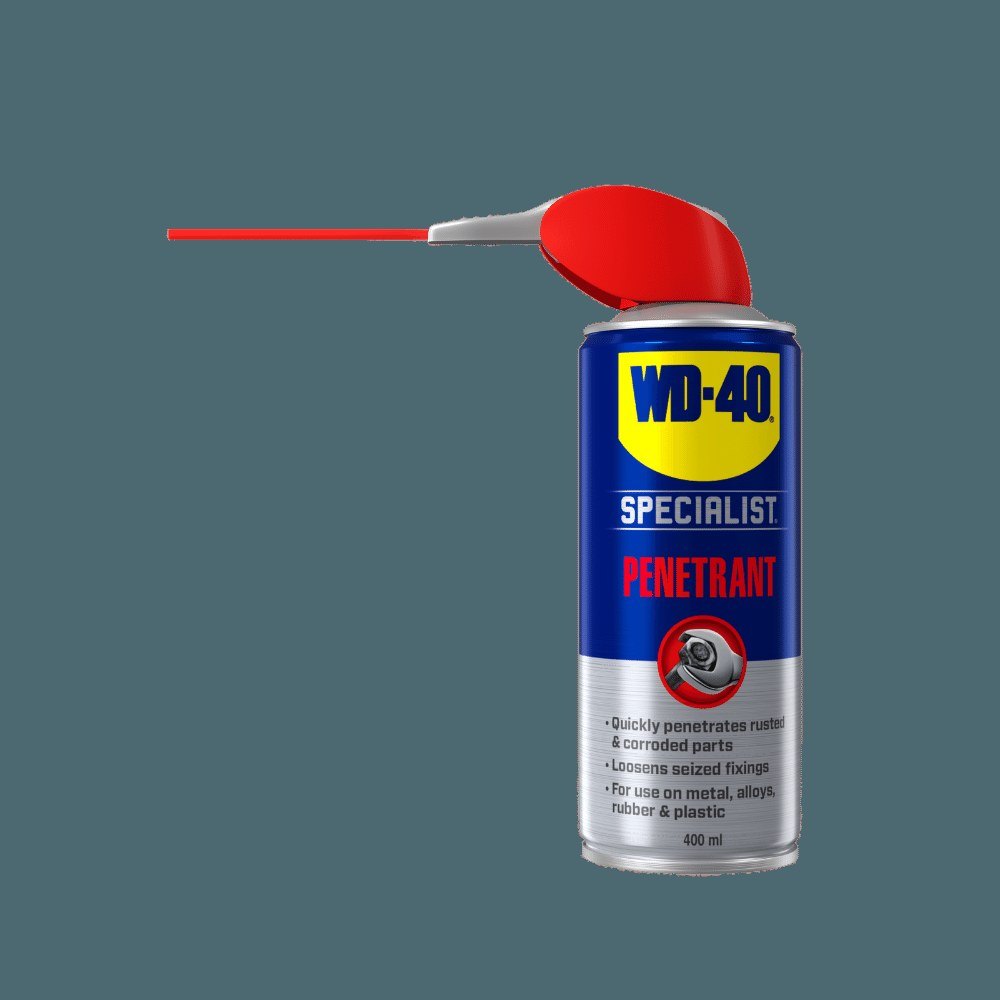
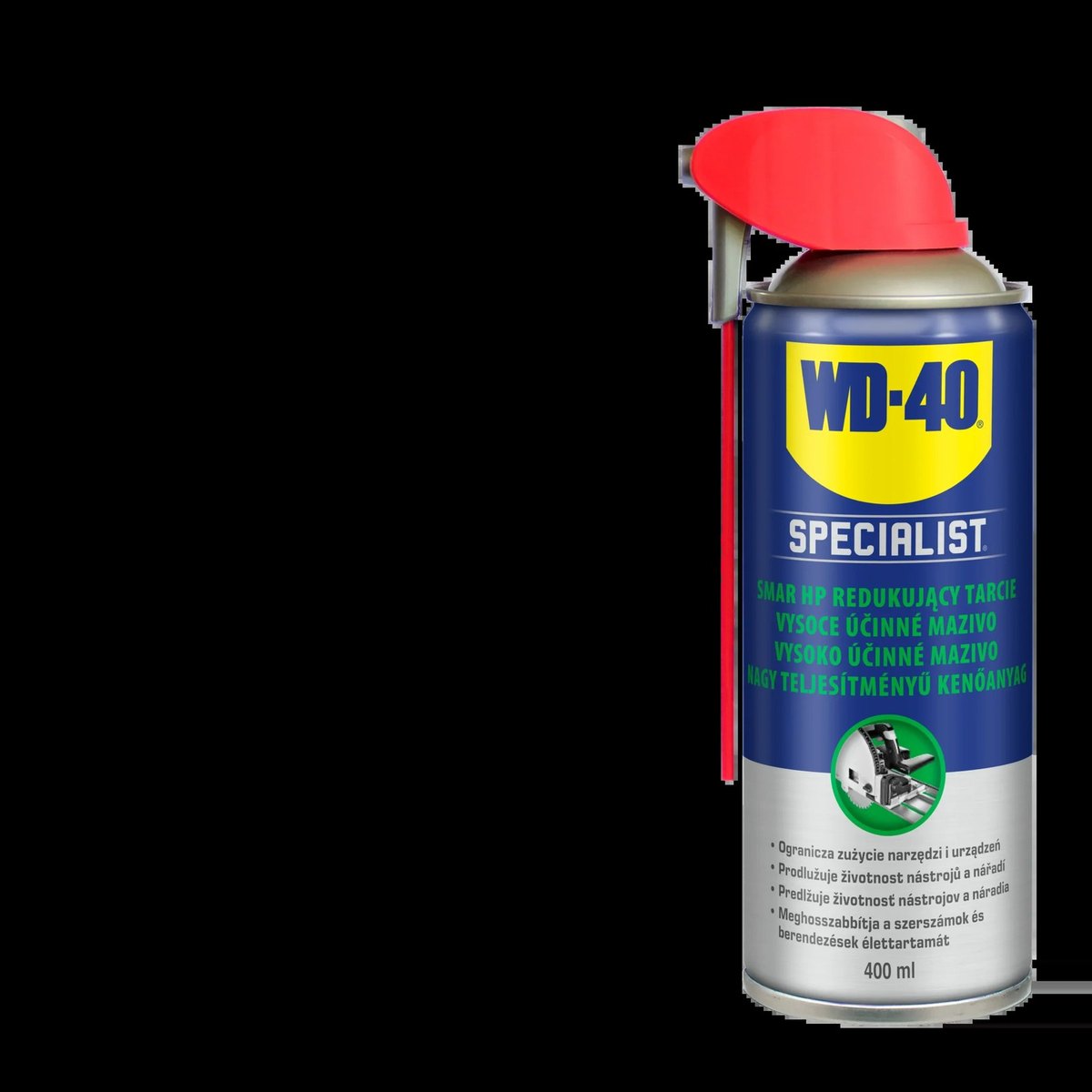
If the thread will not budge, spray WD-40 Multi-Use around the nut and wait a few minutes for it to get into the thread. For metal traps with rust and limescale, WD-40 Specialist Penetrant works better. Do not crush plastic with the wrench.
Step 4
Clean the trap and snake the pipe
Remove the debris from the trap and wash it and the seals in warm soapy water. If the blockage is further down, feed the flexible snake into the pipe going into the wall and turn it while pushing forward until you feel it break through.
A snake will not get past a fitted trap because its head stops at the bend. For distant blockages there are snakes driven by a drill at its lowest speed.
Step 5
Refit the trap
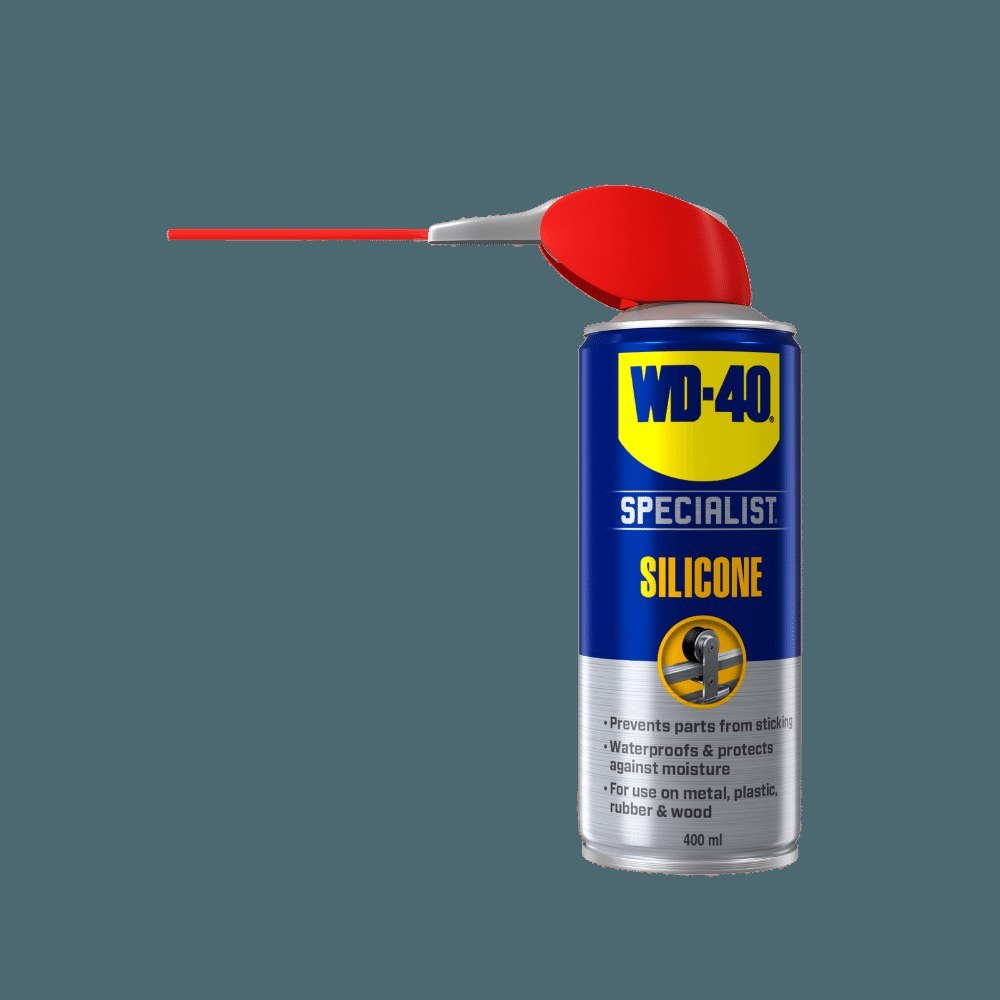
Before refitting, apply a thin layer of WD-40 Specialist Silicone to the thread and seals. It does not harm rubber or plastic, the seals seat evenly and next time the nuts will come off by hand.
Tighten the nuts moderately and run the tap: the area under the trap should stay dry.
Step 6
If that fails: air-pressure drain gun
A hand-pumped drain gun builds up strong pressure, is placed over the plughole with the overflow sealed tight, and a sharp burst of air shifts the blockage. You can repeat this several times.
If the toilet bowl fills almost to the rim when flushed and dirty water rises from the manhole outside, the underground drain is blocked. It is cleared with screw-together drain rods fitted with a metal head, or by an emergency drainage service.
Tip: Never pour frying fat into the kitchen sink: in cold winter pipes it sets first and catches everything else. Collect it in a jar and put it out with household waste.
What next
Remove and rinse the trap once a year, or every six months in the kitchen. Keep WD-40 Multi-Use under the sink for stuck nuts and WD-40 Specialist Silicone for reassembly, and the job will take 10-15 minutes.
These uses come from the experience of WD-40 users in many countries. Always follow the instructions and warnings on the product label.
More guides in «How to use».