Limescale and urine scale in a toilet bowl are among the most stubborn kinds of dirt in the home, especially if the toilet is not cleaned regularly. Harsh household chemicals do not always work, and their fumes are harmful to people and pets.
Fortunately, most deposits come off with simple kitchen ingredients: vinegar, baking soda and citric acid. Below are four methods from the strongest to the gentlest, plus how to look after the metal parts and the seat fixings.
What you will need
Important: Never mix vinegar or citric acid with chlorine bleach: it releases a toxic gas. Do not scrub the ceramic with a metal scourer, as scratches collect dirt even faster. Wear gloves and ventilate the room.
Step 1
Vinegar and baking soda for old scale
Bail out some of the water from the bowl so the mixture works on the scale instead of being diluted. Dissolve a third of a glass of baking soda in a glass of vinegar and, once the foam settles a little, pour it over the affected areas.
Leave it for 30 minutes, then scrub thoroughly with the brush and flush. If the scale is thick, repeat, but do not reach for a metal scourer.
Step 2
A sweet fizzy drink
Dark cola-type soft drinks contain phosphoric acid, which softens scale and rusty marks quite well. Pour a can into the bowl and leave it for an hour or overnight.
Then brush the limescale lines and flush.
Step 3
Baking soda with citric acid
Mix a third of a glass of baking soda with a quarter of a glass of citric acid and tip it into the toilet. Stir with the brush until a thick foam forms.
Leave it for 30 minutes, then clean the toilet as usual. This is a gentle method well suited to regular care.
Step 4
Vinegar for fresh deposits
If the scale is fresh and has not spread around the bowl, simply pour a glass of vinegar over the sides and brush after half an hour.
For individual marks, put baking soda and a drop of vinegar on a sponge and rub the spot.
Step 5
Look after metal parts and fixings
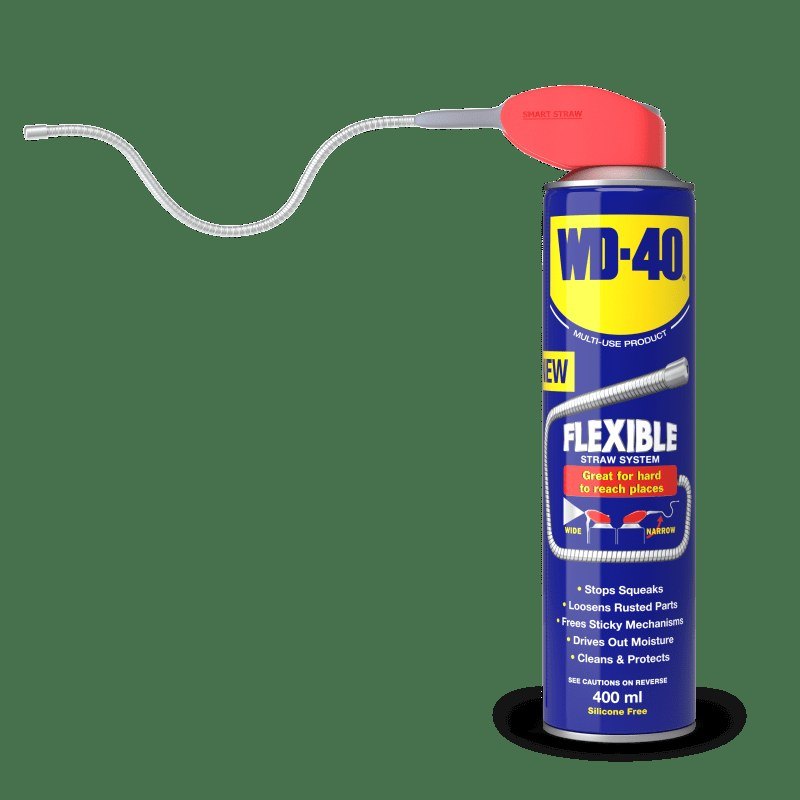
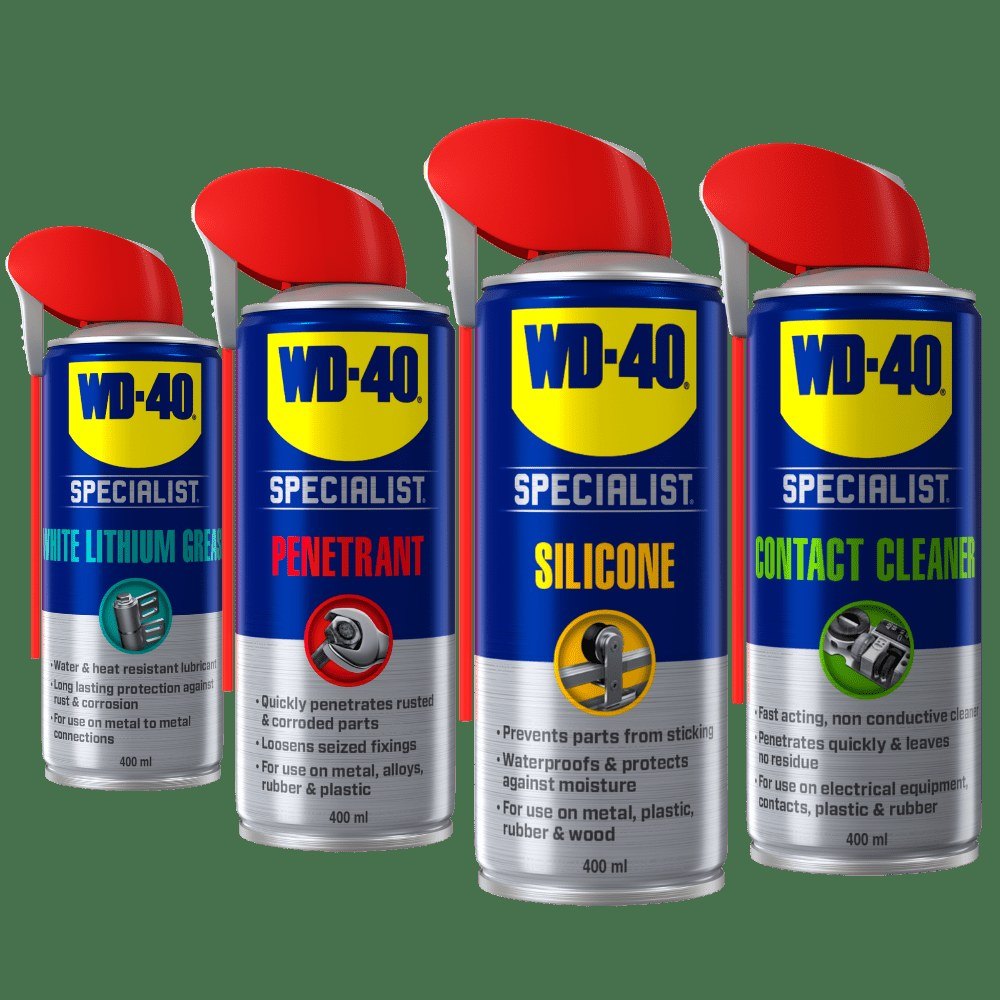
Chrome flush buttons, metal seat bolts and handles become spotted and rusty from moisture. Spray WD-40 Multi-Use onto a cloth and wipe the parts: it displaces moisture and restores the shine. Lubricate squeaky seat hinges with WD-40 Specialist Silicone, which is safe on plastic and leaves no greasy marks.
Always wipe off the excess so no film is left on the surfaces.
Tip: Once a week, pour a glass of vinegar into the toilet and leave it overnight. The scale never gets the chance to harden, and a deep clean will rarely be needed.
What next
Clean the toilet weekly and use one of these methods once a month. For the cistern mechanism and seized parts, see our guide on improving toilet function with WD-40 Multi-Use.
These uses come from the experience of WD-40 users in many countries. Always follow the instructions and warnings on the product label.
More guides in «How to use».