An iron that leaves brown marks on a shirt or spits white flakes can ruin perfectly washed clothes. There are usually two causes: limescale in the water tank and burnt or sticky residue on the soleplate.
Both are easy to fix at home in half an hour. Here is how to clean the tank, a non-stick or plain soleplate, the steam vents and an iron with burnt-on marks.
What you will need
- white vinegar
- distilled water
- baking soda
- soft cotton cloths
- cotton buds
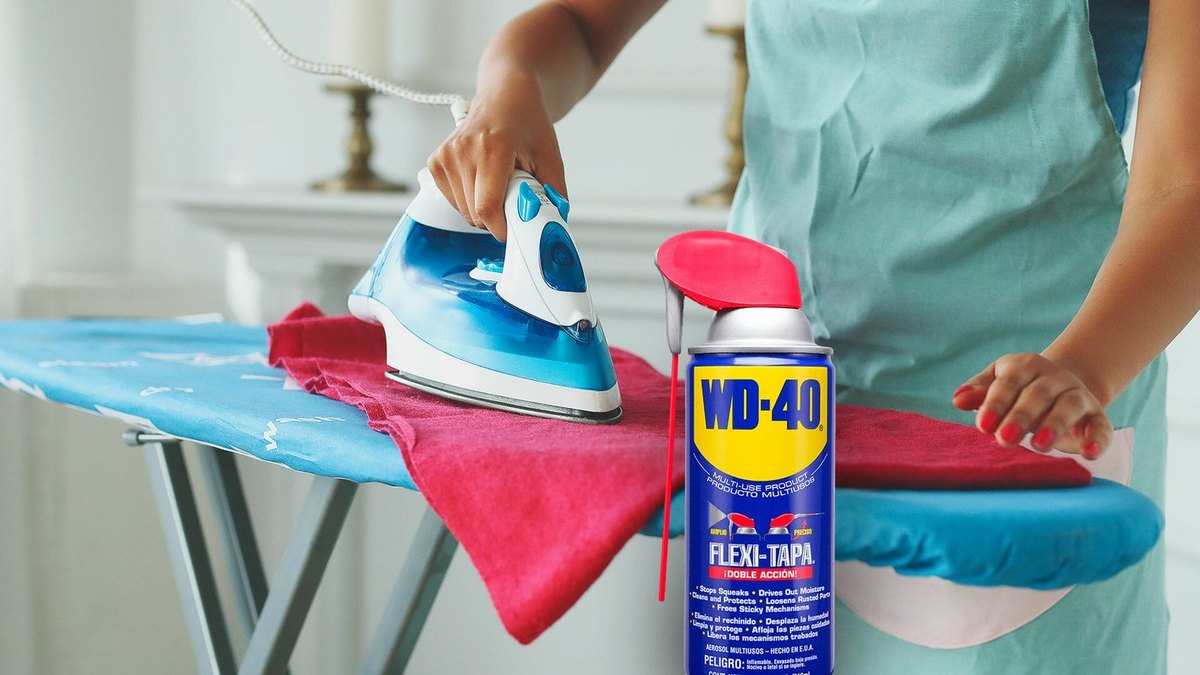
- WD-40 Multi-Use
- an old cotton cloth for testing
Important: Only clean the soleplate when the iron is unplugged and completely cold. Before ironing clothes again, remove all cleaning residue and steam an old cloth first.
Step 1
Descale the water tank
If your iron has no built-in filter and your water is hard, limescale in the tank is inevitable. Pour about a quarter of a cup of white vinegar into the tank, top up with water, set the iron to maximum and release steam until the tank is empty. Do this over a sink or an old towel.
Then fill it with clean distilled water and repeat to rinse out the vinegar. If your iron has a self-clean function, use it as the manufacturer describes.
Step 2
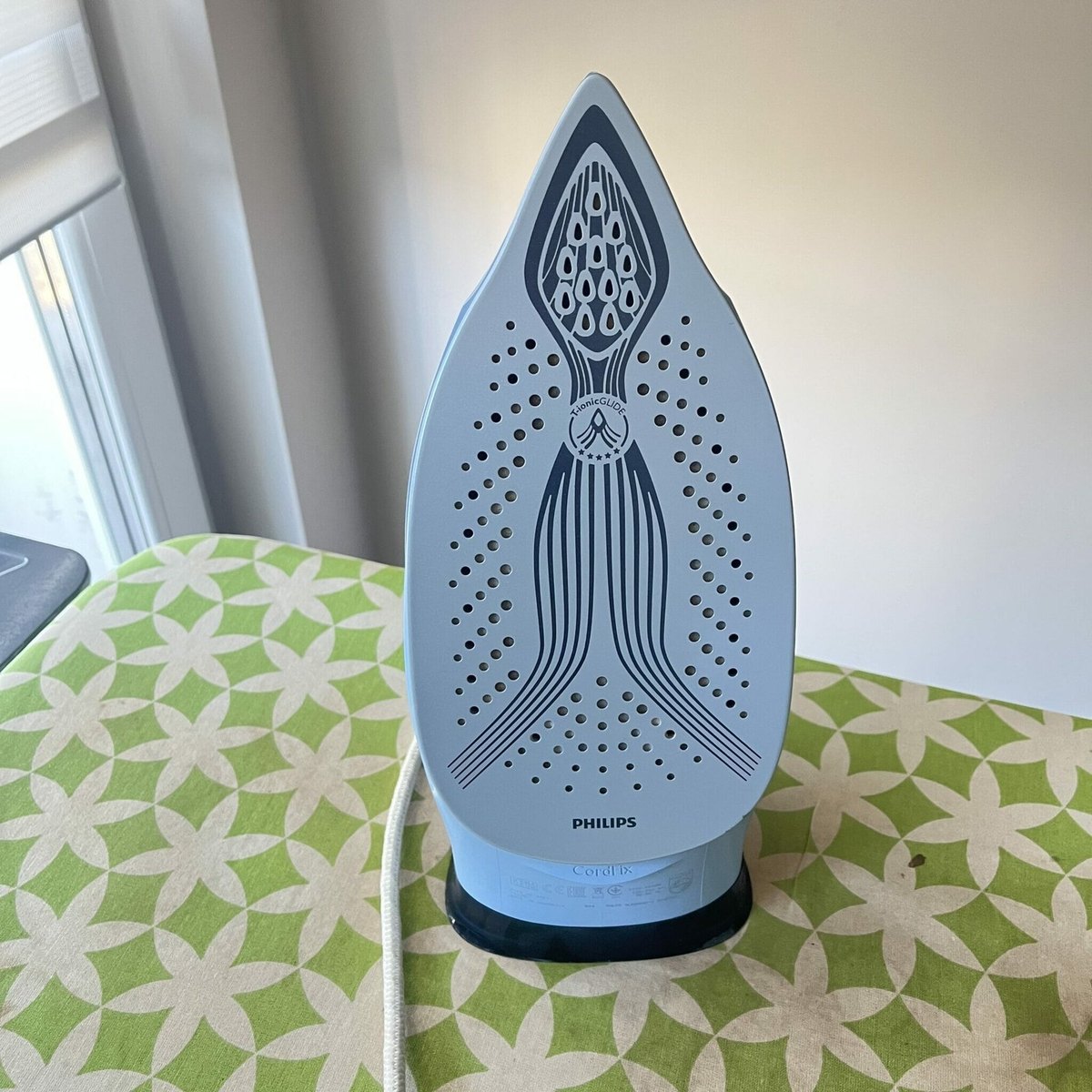
Clean the soleplate
Switch the iron off and let it cool completely. Apply a little WD-40 Multi-Use to a clean dry cloth rather than directly onto the iron and wipe the soleplate. It softens sticky deposits and starch residue on both steel and non-stick soleplates.
Wipe the soleplate dry with a separate clean cloth, then once more with a damp one so that no film remains.
Step 3
Clear the steam vents
Steam vents are the most forgotten part, and they are where the white flakes come from. Dampen a cotton bud with water and work through every hole. If there is greasy or sticky dirt inside, put a drop of WD-40 on the bud, clean the vent and then go over it again with a clean damp bud.
Step 4
Remove burnt marks
If synthetic fabric has melted onto the soleplate and left dark marks, mix a quarter of a cup each of vinegar and water. Dip a cloth in the solution, sprinkle it with baking soda and rub the burnt areas on the cold iron. Do not use steel wool or abrasive pastes, as they scratch the coating.
Step 5
Test and refill
Fill the tank with distilled or purified water, switch the iron on and steam an old cotton cloth a few times. If it leaves no marks, the iron is ready to use. Store it upright on its heel and empty the water after ironing.
Tip: For small household jobs it is handy to keep a
pocket-size WD-40 100 ml at home: it covers the iron, a squeaky ironing board and sliding wardrobe rollers.
What next
Descale the tank every month or two if your water is hard, and wipe the soleplate as soon as you notice residue. While you are at it, treat the folding mechanism of the ironing board with WD-40 Multi-Use so it stops squeaking and sticking.
These uses come from the experience of WD-40 users in many countries. Always follow the instructions and warnings on the product label.
More guides in «How to use».