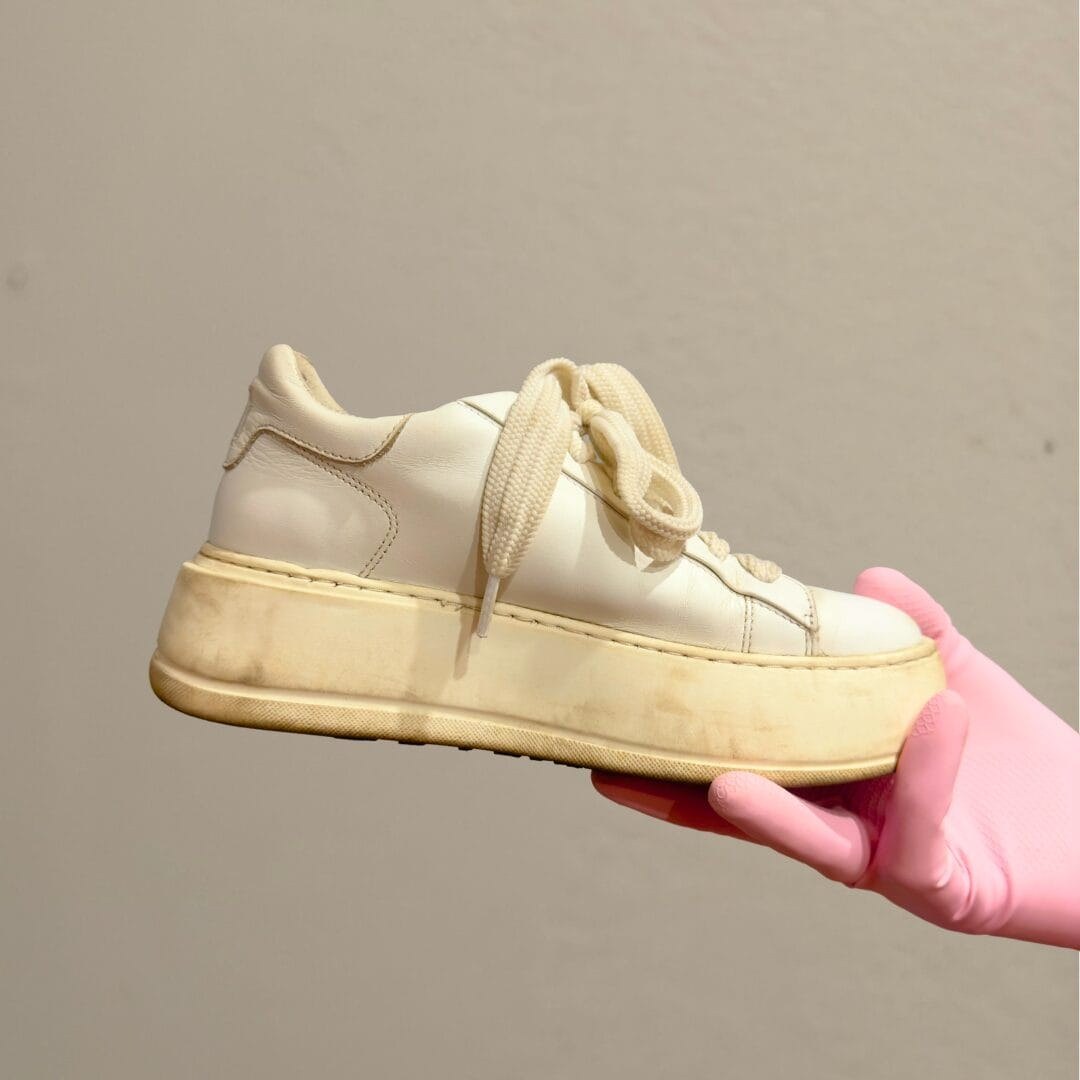
Shoes are the first to meet autumn mud, wet snow and salt on the pavements. Without regular cleaning, leather gets white tide marks, rubber trims and welts turn grey, and the soles fill up with grit.
Clean shoes last longer, look better and smell fresher. Below is a general routine for leather, rubber and fabric shoes, plus a way to deal with marks that ordinary soap will not shift.
What you will need
Important: Do not apply WD-40 to suede, nubuck or light-coloured fabric, or to the soles, which could become slippery. On leather and rubber always test on a hidden area first and use only a tiny amount.
Step 1
Brush off dust and dried mud
Let wet shoes dry first, then use a soft brush to remove dust and dirt from the uppers, welt and sole. This means fewer smears and less work in the next steps.
Step 2
Wash with soapy water
Mix a little washing-up liquid into warm water, dampen a sponge or soft brush and work over the surface in small circles. Clean very dirty shoes section by section and rinse the sponge often.
Remove white salt marks on leather as soon as possible: wipe them several times with a damp cloth without spreading the salt over the whole shoe.
Step 3
Clean the soles and laces
Soles are the hardest part to clean. Use a toothbrush and soapy water to scrub every tread groove and the joint with the upper.
Take the laces out and wash them separately by hand or in the machine. Small marks on the laces and around the eyelets are easy to clean with a cotton bud dipped in the soapy water.
Step 4
Tackle stubborn marks
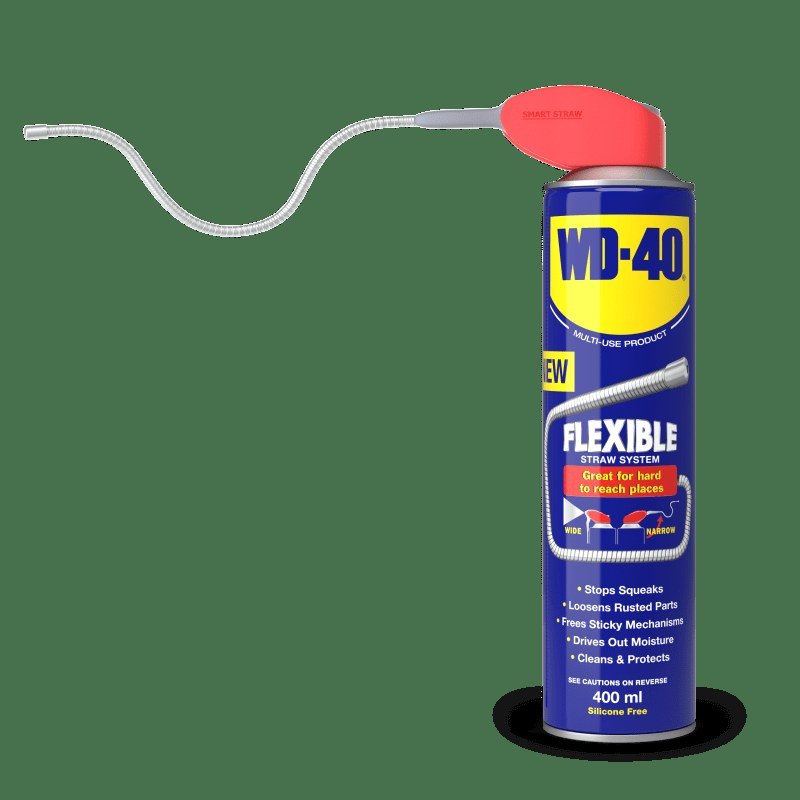
Rubber scuffs on a white welt, marks from other people's shoes, and traces of putty or stickers on smooth leather and rubber do not always come off with soap. Spray a little WD-40 Multi-Use onto a cloth, not onto the shoe, and wipe the mark. Give it a minute, then wipe dry with a clean cloth.
One or two light applications are plenty; extra product just leaves a greasy patch. A pocket-sized WD-40 100 ml fits easily in a bag or rucksack.
Step 5
Dry the shoes properly
Dry shoes at room temperature, stuffed with paper that you change when it gets damp. Do not put them on a radiator or use a hairdryer: leather cracks and the sole adhesive can let go. Do not wear them until completely dry, to avoid odours and mould.
Step 6
Protect the leather and care for zips
After cleaning, treat smooth leather with a cream or care product suited to the leather type. You can add a shoe freshener or scented inserts inside.
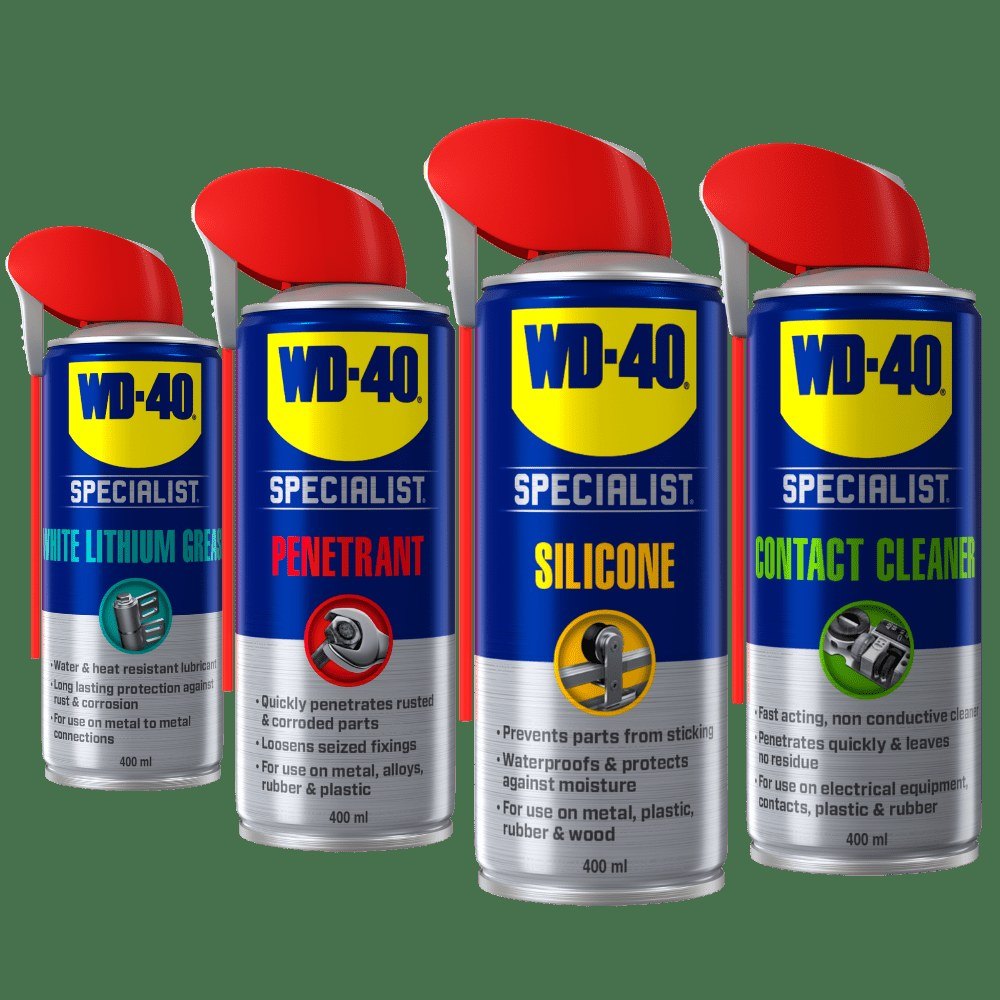
Zips on winter boots often stick because of salt and dirt. Put a little WD-40 Specialist Silicone on a cloth or cotton bud, run it along the teeth, then zip and unzip a few times.
Tip: In winter, wipe your shoes with a damp cloth every evening as soon as you get home. Salt left to dry on leather overnight leaves marks that can take days to remove.
What next
Give your shoes a thorough clean every one or two weeks, and in slushy weather wipe them daily. Before putting a seasonal pair away, wash, dry and treat it, and give the zips a light coat of silicone.
These uses come from the experience of WD-40 users in many countries. Always follow the instructions and warnings on the product label.
More guides in «How to use».