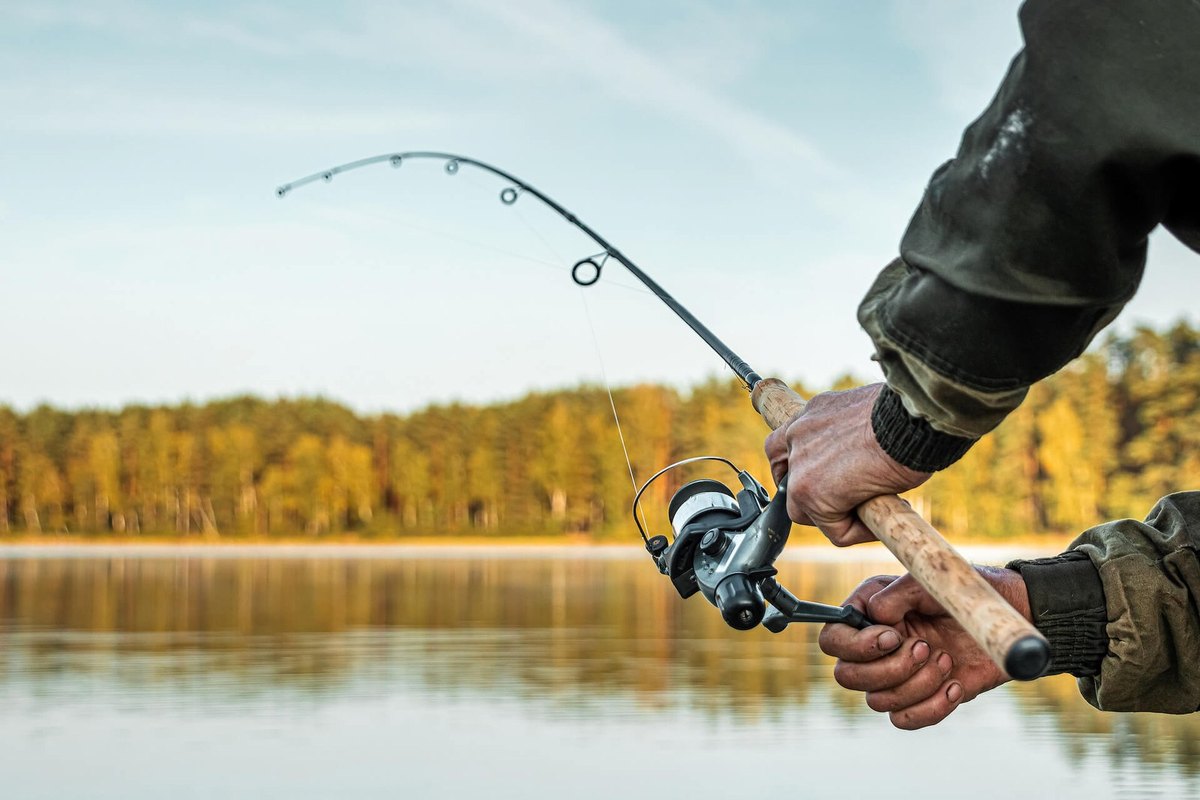
After a day on the river, lake or sea, your rod and reel are covered in sand, silt, bait residue and sometimes salt. Left like that, the mechanism grinds, the bail sticks and guides and screws rust. Saltwater tackle needs extra care.
Maintenance means a quick clean after every trip, light lubrication of the moving parts every 5-7 outings and a thorough service before winter storage. If your reel is expensive and complex, do not take it apart further than described below.
What you will need
Important: Never lubricate the drag unit (drag washers): it changes the brake pressure and you may lose a fish. Apply products in very small amounts and always wipe off the excess so it does not collect sand.
Step 1
Remove and soak the spool
Undo the central screw and take off the spool. Inspect it inside and out and remove sand and plant debris with a small brush.
Soak the spool, line and all, in distilled water for a few hours to draw out deep dirt and salt. Rinse, then dry thoroughly with microfibre and paper towels.

Step 2
Clean the reel after every trip and lubricate the main shaft
The minimum routine is to wipe the outside of the reel with a microfibre cloth dampened with warm fresh water, then dry it. For normal use that is enough.
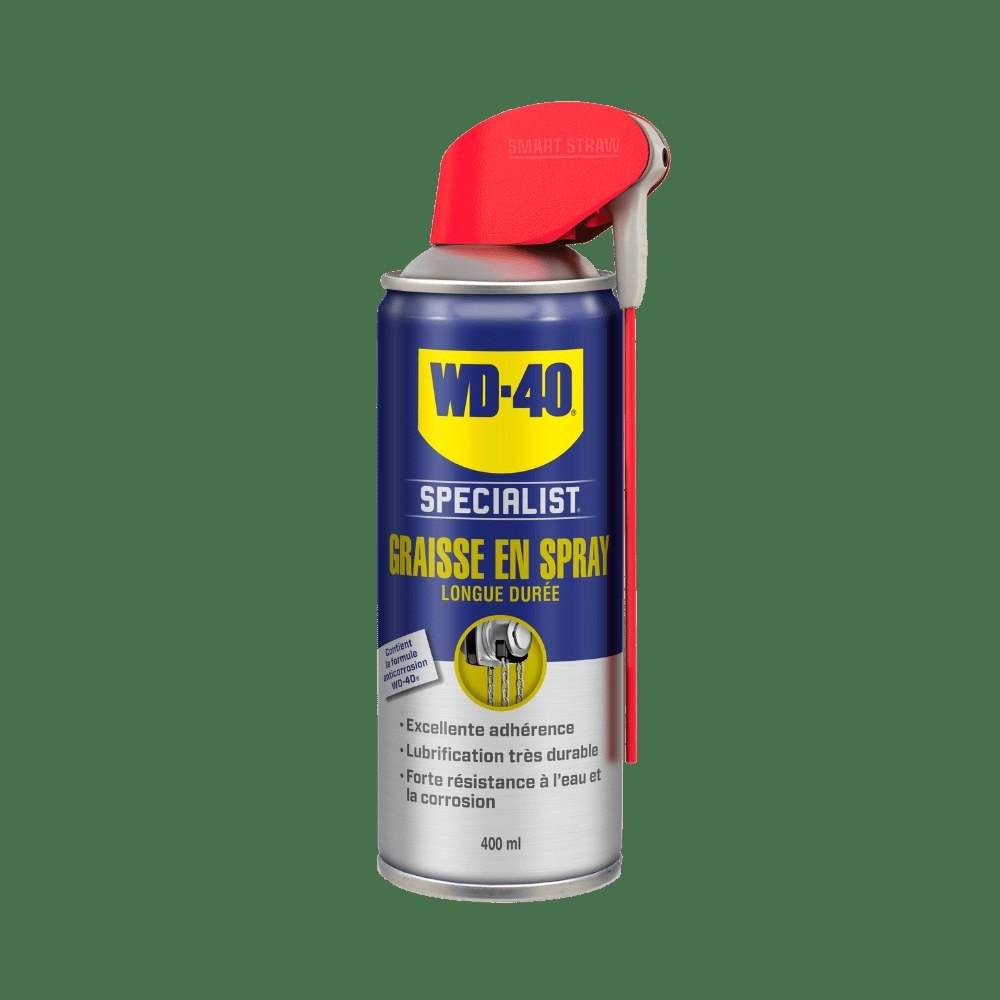
Every 5-7 outings, lubricate the moving parts exposed when the spool is off, especially the base of the main shaft, with WD-40 Specialist Silicone lubricant. It dries quickly, protects against moisture and suits metals, plastics and rubber.
Step 3
Look after the bail and line roller
The bail hinge opens and closes thousands of times a season, so it must work crisply with no play. First clean the hinges with the WD-40 Smart Straw, aiming a fine jet into the gaps, and wipe them.
Then lubricate them with WD-40 Specialist Silicone lubricant and put a few drops on the line roller, which on better reels runs on a small bearing.
Step 4
Lubricate the handle
Undo the nut or other lock on the opposite side of the reel and pull the handle out. Use the same products on the shaft, the seat with its small ball bearing and the handle itself.
Do not forget the hinge that lets the handle fold against the body.
Step 5
Lubricate the internals without dismantling
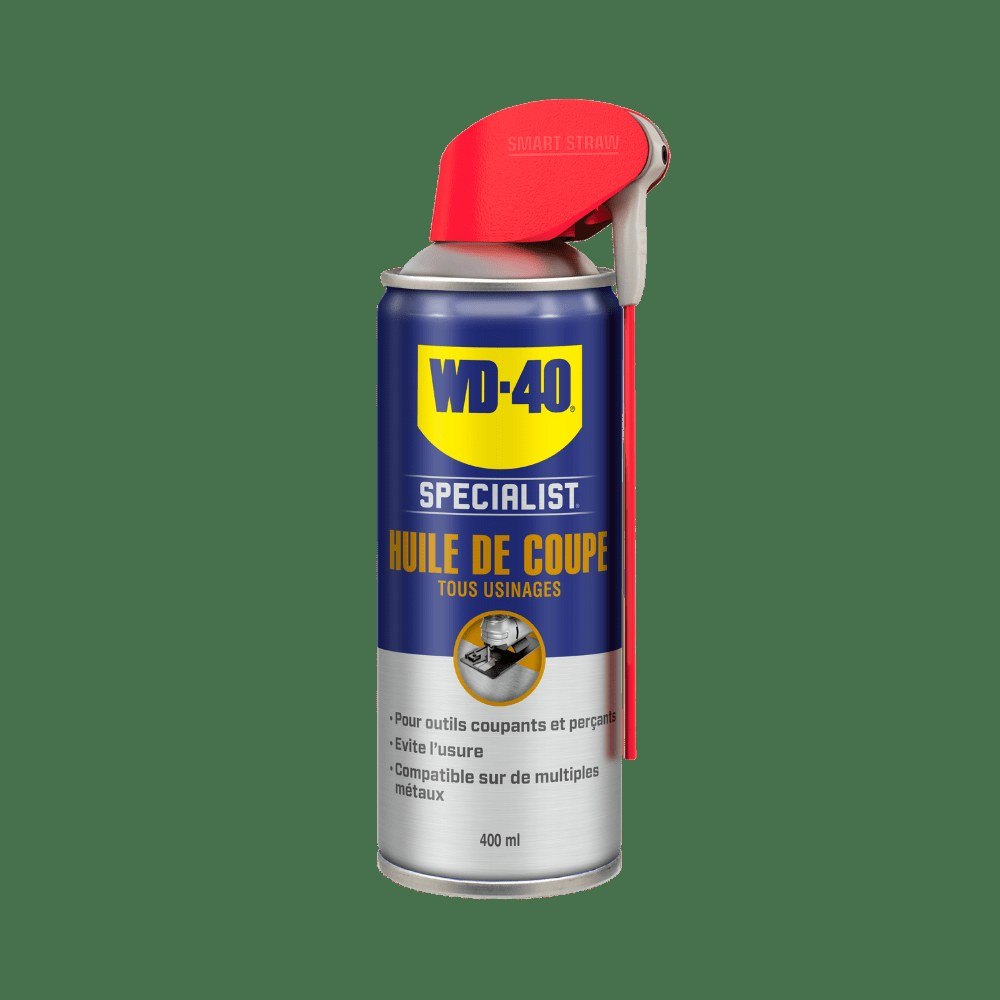
Fully opening a reel is a job for a specialist. Many reels, however, have a lubrication port: a small screw cap on the body or a hole near the spool holder. Use it to introduce a very small amount of WD-40 Specialist Silicone lubricant.
Experienced anglers open the body every 2-3 seasons to top up the factory grease, refitting parts in exactly the order they were removed.
Step 6
Finish the service and protect your tackle
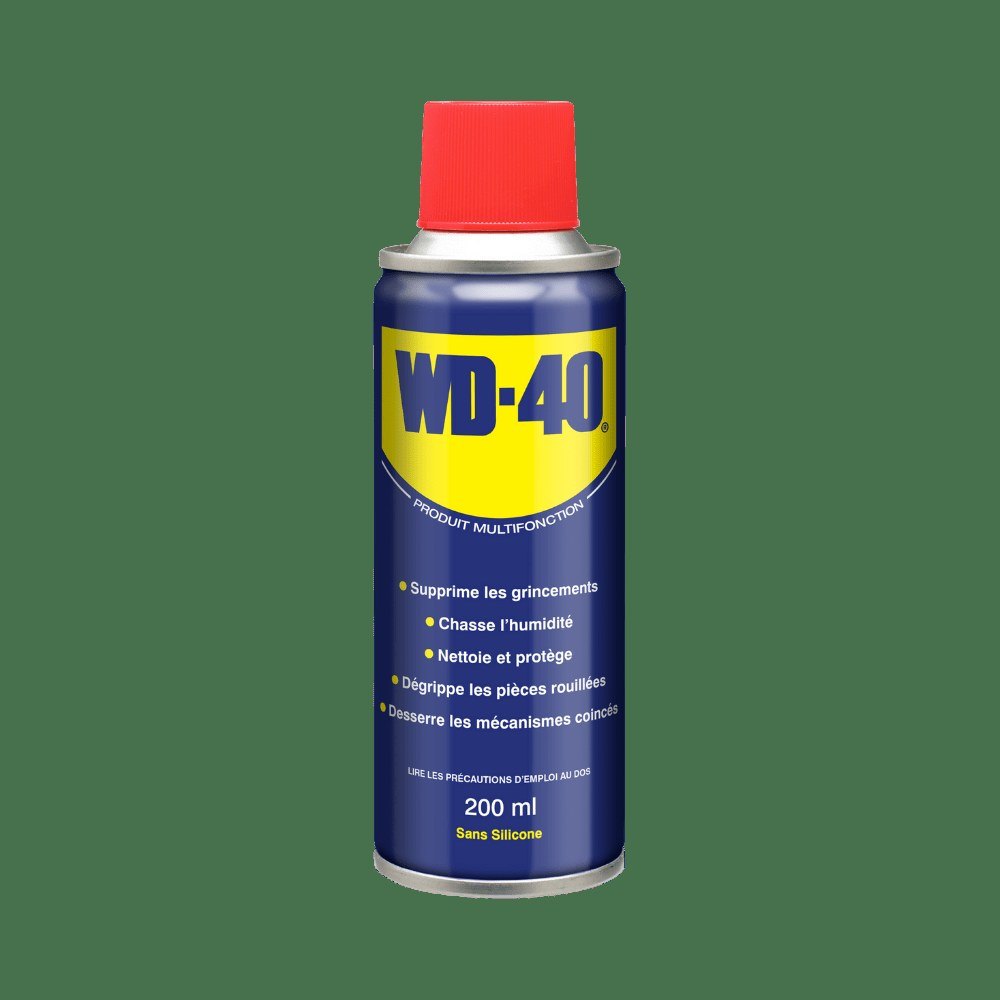
Wipe off any surplus lubricant, tighten the visible screws and apply a thin coat of silicone to the reel body, spreading it with a cloth. Rinse the rod blank with fresh water and dry it, then treat the metal guides, hook boxes, pliers and scissors with WD-40 Multi-Use: it displaces moisture and leaves a protective film against rust.
Over winter, store the reel indoors in a closed case, protected from dust.
Tip: After sea fishing, clean the same day: salt attacks metal within days. Rinse the tackle in lukewarm fresh water, dry it and spray the metal parts with
WD-40 Multi-Use.
What next
Wipe the reel after every trip, lubricate it every 5-7 outings and service it fully before winter. WD-40 Multi-Use also looks after boat trailers, winches and garden tools.
These uses come from the experience of WD-40 users in many countries. Always follow the instructions and warnings on the product label.
More guides in «How to use».