A winch on a sailing boat's deck multiplies the crew's pull on sheets and halyards. If it starts slipping or binding in the middle of a manoeuvre, things can get dangerous fast. Salt, sand and old, thickened grease take their toll even after a single season on a river, reservoir or the sea.
Give each winch a full service at least once a season: strip it, degrease it, check for wear and re-lubricate. It is not difficult work, as long as you keep the parts in order.
What you will need
Important: Work on a securely moored boat and lay a cloth under the winch: a tiny pawl or spring lost overboard will stop the job. Check the winch maker's manual, as designs vary.
Step 1
Dismantle the winch
Most winches come apart from the top. Undo the top nut or cap, remove the self-tailer (if fitted), the keys and the drum. Then take out the bearings, the drum washer and the gears one by one.
Lay the parts out on a cloth in the order you removed them, or photograph each stage on your phone. Reassembly then takes minutes rather than an hour.
Step 2
Clean off old grease and salt
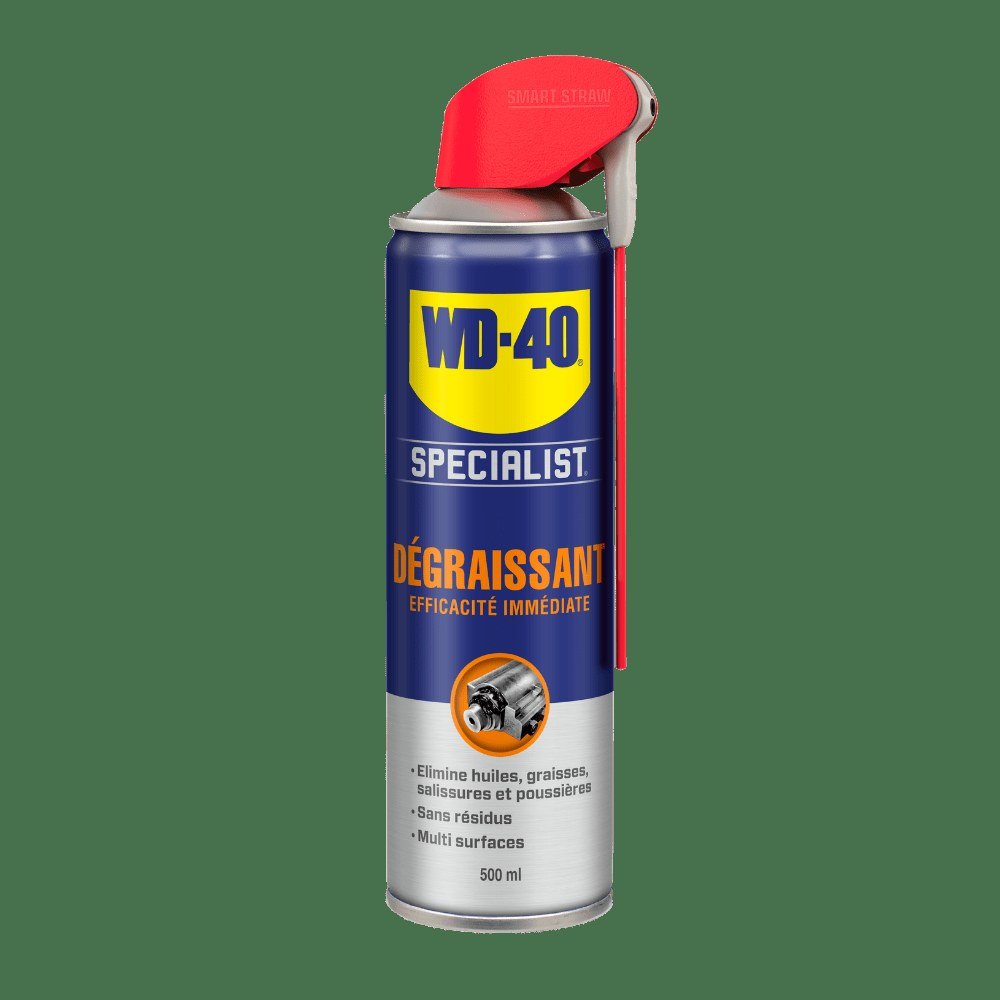
First brush sand and dirt off the inner and outer surfaces with a soft brush. Then treat each part with WD-40 Smart Straw: the thin straw reaches between gear teeth and into pawl slots, while the wide spray quickly wets the drum.
Give it a few minutes to soften the old grease, scrub with the brush and wipe with a rag. If a part is still sticky, repeat. Finish by wiping everything with a clean, dry cloth.
Step 3
Check for wear
Clean parts show problems clearly: worn gear teeth, cracked pawls, weak or rusty springs, play in the bearings. Springs and pawls are cheap and wear first, so replace worn ones straight away rather than waiting for the winch to slip under load.
Step 4
Lubricate the pawls and springs
Pawls and springs need a light lubricant, not grease: a thick layer stops them snapping back into place. Apply a drop of WD-40 Multi-Use and wipe off the excess. They will click crisply and moisture is driven out of the metal.
Step 5
Grease shafts, bearings and gears and reassemble
Apply a thin, even coat of WD-40 Specialist White Lithium Grease to the shafts, roller bearings and gears. It clings to metal, does not run and protects against corrosion in damp conditions.
Do not overdo it, as excess grease traps sand and salt. Reassemble in reverse order and turn the winch both ways, checking that the pawls click cleanly.
Tip: Between full services, rinse the winches in fresh water after every saltwater outing and go over the external moving parts with
WD-40 Multi-Use: it displaces moisture and stops salt drying in the gaps.
What next
Strip your winches once a season, or twice with heavy use or at sea. While you are at it, check deck blocks, clutches and hinges, which also benefit from WD-40 Smart Straw.
These uses come from the experience of WD-40 users in many countries. Always follow the instructions and warnings on the product label.
More guides in «How to use».