Inside a boat you get the same salt, dust and dirt as on deck, plus high humidity. In a closed cabin that quickly leads to mould, a musty smell and rust spots on metal. Cleaning the interior matters just as much as washing the hull.
In summer, when the boat goes out every week, clean the cabin weekly too. Out of season, regular airing is enough, with a thorough clean before lay-up and again in spring.
What you will need
- WD-40 Multi-Use or WD-40 Smart Straw
- a brush and dustpan or a cordless vacuum
- limescale remover
- fresh water and white vinegar
- a scouring sponge and clean cloths
- hydrogen peroxide (3% pharmacy grade)
- a moisture absorber
Important: Do not use chlorine-based cleaners or bleach on upholstery, mattresses or canopies: they fade and weaken fabric and seams. Do not apply WD-40 to floors or steps you walk on, or to food-contact surfaces.
Step 1
Start with the cabins
Work from top to bottom and from bow to stern so you do not dirty what is already clean. Wash glass, portholes, hatches and their seals with fresh water and limescale remover to clear salt marks and deposits.
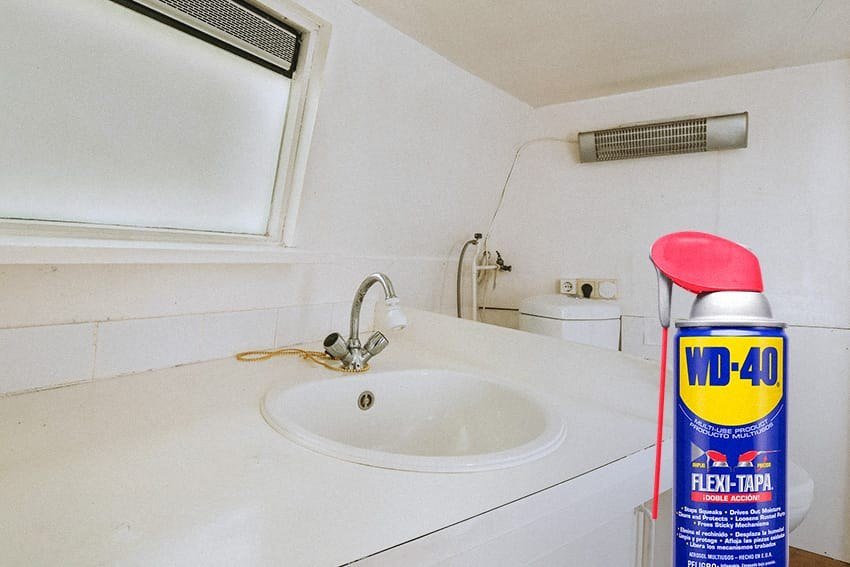
Treat rust spots on metal fittings with WD-40 Multi-Use and wipe with a dry cloth. If a mark does not shift first time, let the product soak in for a few minutes and repeat. The film it leaves displaces moisture and keeps rust from coming back. Finish by sweeping up dust and dirt.
Step 2
Care for furniture, upholstery and canopies
Sofas, mattresses and canopies are often original equipment and costly to replace. Clean them with a mix of fresh water and hydrogen peroxide, which freshens fabric and inhibits mould without harsh chemicals. Test on a hidden area first.
Wipe plastic panels with drip marks and water stains using a cloth with a little WD-40 Multi-Use: the marks disappear and the surface holds less moisture.
Step 3
Clean the heads
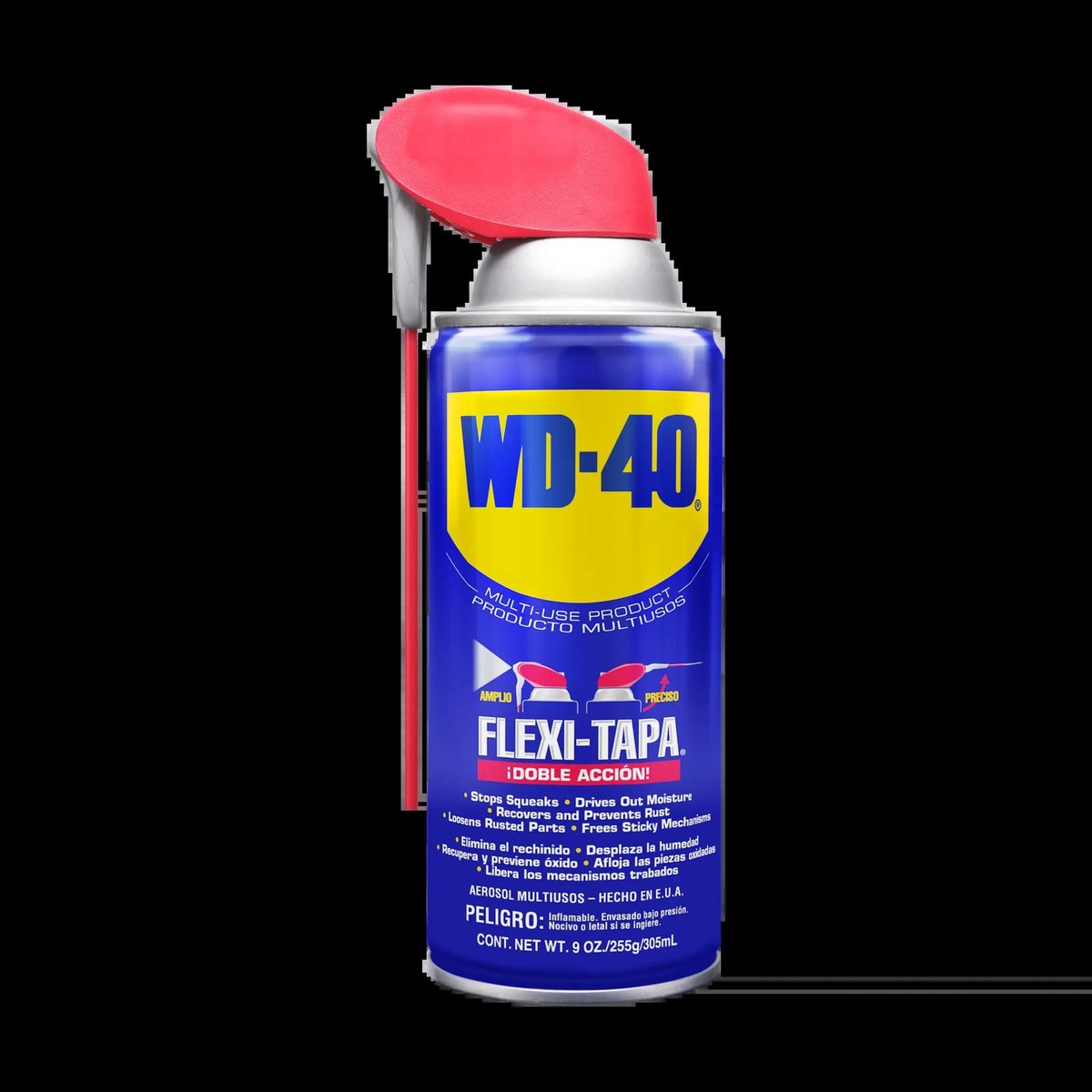
Taps and flush controls are where mould and corrosion appear most often. Apply a little WD-40 Smart Straw through the straw to the tap base and metal parts, leave for a couple of minutes and go over with a sponge. Remove limescale from the toilet and basin with vinegar or limescale remover, then rinse.
Step 4
Empty and flush the tanks
Pump out the holding tank at the marina's pump-out station, refill it with sea or lake water and add a biological enzyme treatment to control bacteria and odour. Drain and flush the fresh water tanks.
For a long lay-up, leave fuel tanks full: less air means less condensation, and less bacterial growth in diesel.
Step 5
Ventilate regularly
Air movement is the best defence against mould. Open the boat up at least every two weeks. If you cannot visit that often, use a dehumidifier or moisture absorbers, especially in cupboards and lockers, and leave hatches on a vent setting if it is safe to do so.
Tip: Keep
WD-40 Smart Straw and a dry microfibre cloth on board: a two-minute treatment of hinges, latches and locks after every saltwater trip prevents sticking and rust far better than one big clean a year.
What next
Clean the cabin weekly in summer, and air it and check the humidity out of season. Before lay-up, combine a deep clean with protecting the metal fittings with WD-40 Multi-Use.
These uses come from the experience of WD-40 users in many countries. Always follow the instructions and warnings on the product label.
More guides in «How to use».