Water, sun and dirt work against your boat every day. Moisture and salt get into every gap, and within one season rust appears on fasteners, hinges and engine parts. Regular care means fewer repair bills.
Most of the work is easy to do yourself: wash, inspect, protect the metal, lubricate moving parts and prepare the boat for winter. This plan suits a motorboat, cabin cruiser or small yacht.
What you will need
Important: Do not spray WD-40 on the deck, ladders or anywhere people walk, as the surface will become slippery. Disconnect the battery before working on electrics. Test any product on a hidden area first.
Step 1
Rinse off salt, algae and dirt
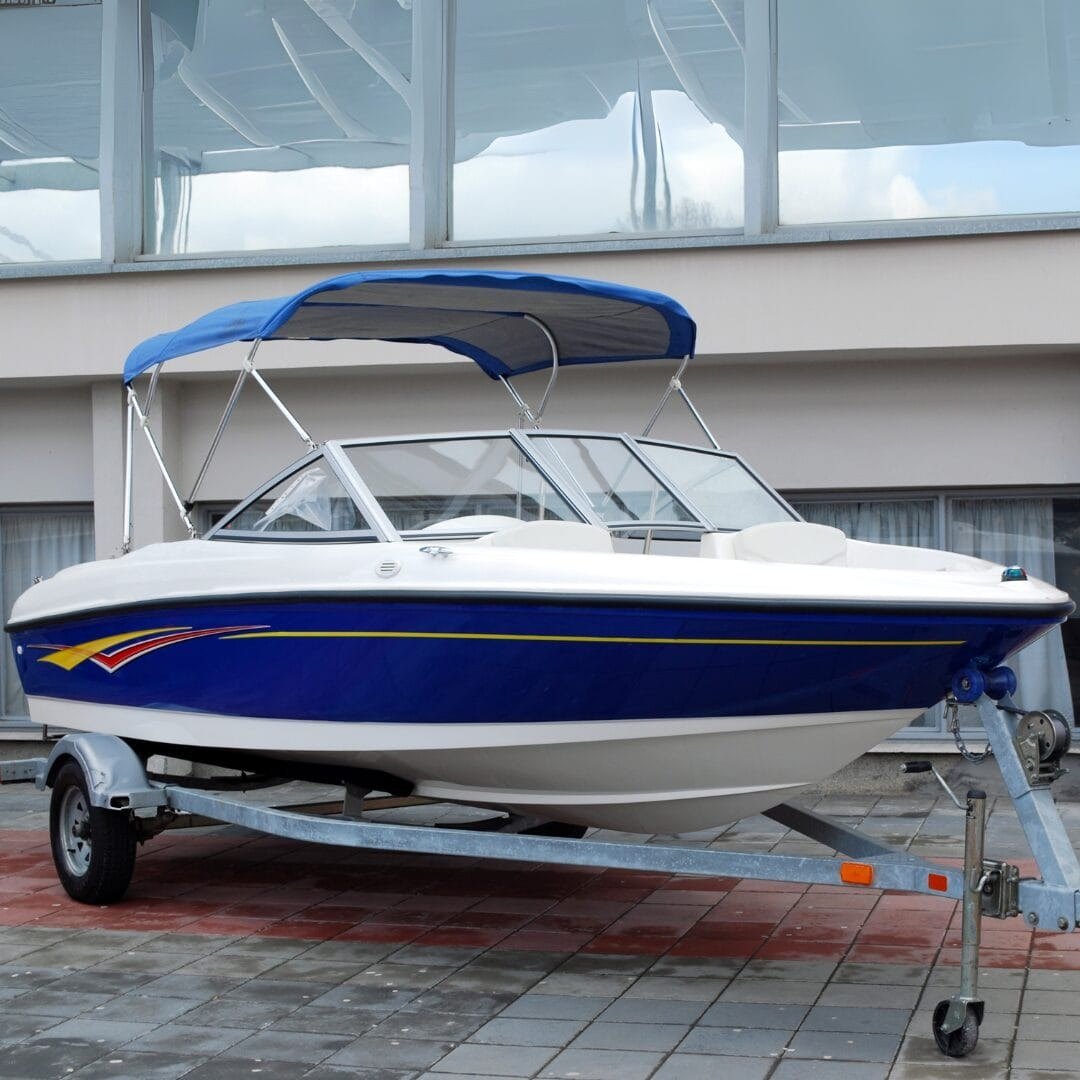
After every trip, especially in salt water, rinse the deck, fittings and engine with fresh water: drying salt quickly starts corrosion. At the end of the season put the boat on keel blocks or a cradle and wash the whole hull, including hard to reach areas.
Use a pressure washer with care and never on teak, which should be washed by hand with a soft brush.

Step 2
Inspect the hull and remove stains
Walk around the boat and look for scratches, chips and cracks: even a small defect grows over winter. Treat oily marks and light rust bloom on metal parts with WD-40 Multi-Use: spray, wait a few minutes and wipe with microfibre.
Use dedicated cleaners for teak, leather, plastics and stainless steel.
Step 3
Polish the gelcoat
Polish the clean hull, first with a coarser compound, then with a fine finishing one. Follow the product instructions and avoid direct sunlight.
Step 4
Protect metal and fasteners from rust
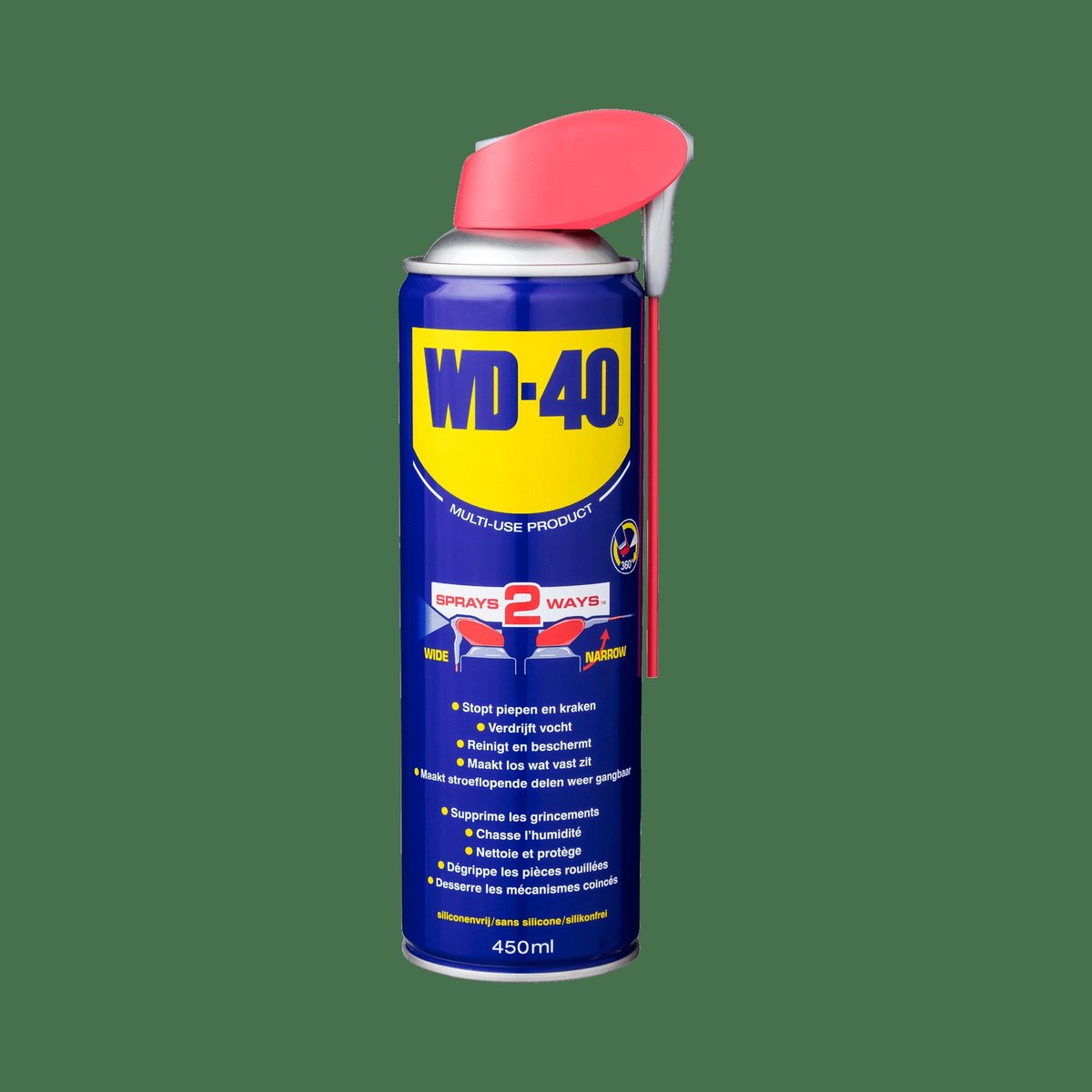
Treat chrome rails, hinges, rods, bolts and nuts with WD-40 Smart Straw: with the straw up you can target each fastener, with it down you cover a wider area. Let it work for a few minutes, then wipe with a dry cloth. The thin film displaces moisture and guards against salt spray.
Soak a seized bolt the same way before undoing it, and treat new fasteners after fitting.
Step 5
Lubricate moving parts and the engine
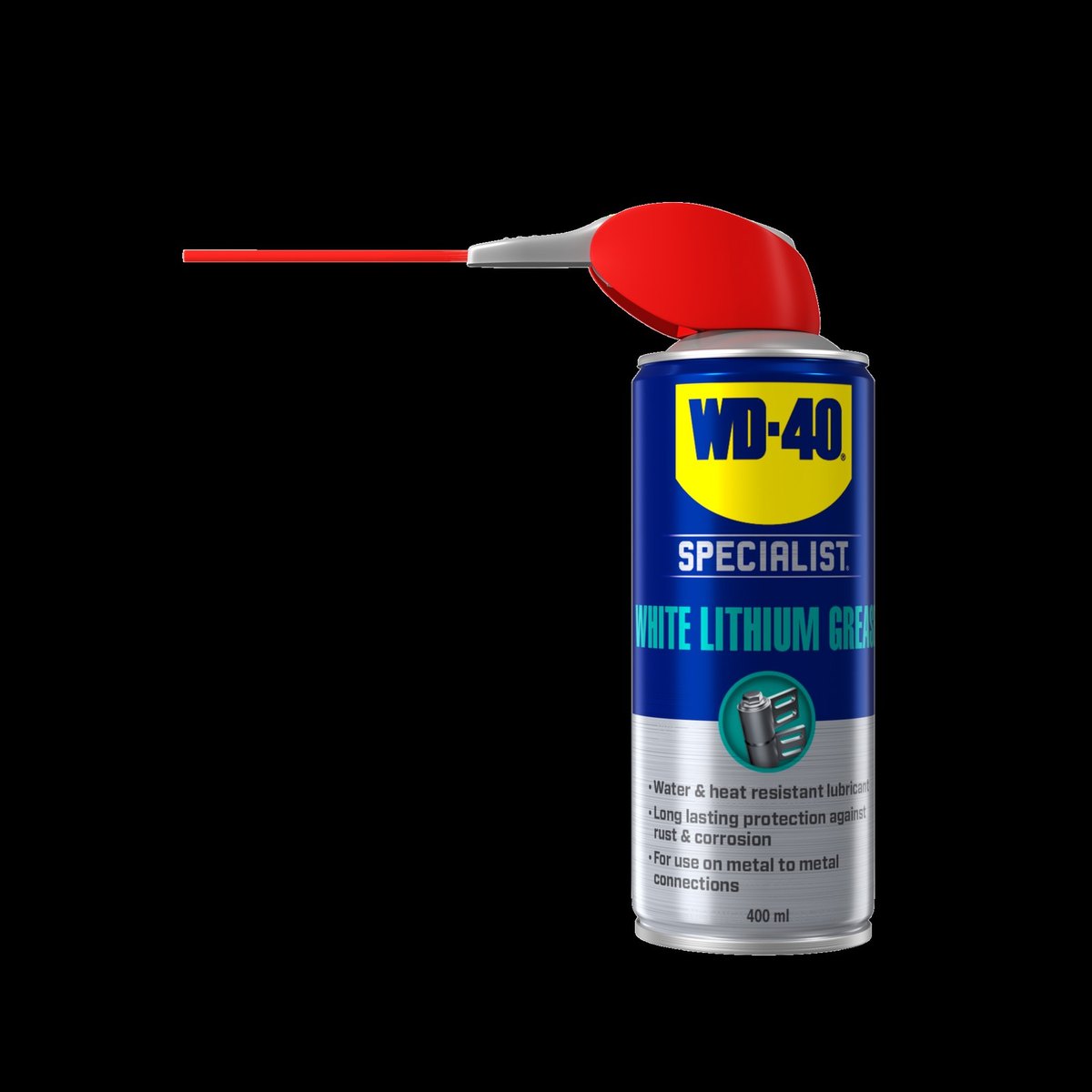
Lubricate the steering, winch, throttle and gear cables and outboard pivot points with WD-40 Specialist White Lithium Grease: it does not run and stays on metal even in contact with water. Treat rubber seals on hatches and lockers with WD-40 Specialist Silicone so they stay supple and do not stick.
Before laying up the engine, change the filters and engine oil, check belt tension and condition, and check the propeller shaft for play.
Step 6
Dry the cabin and prepare for winter
Check gas hoses (replace any that are damaged or older than two years), wiring, lights and connectors, and inspect ropes for wear. Air the cabin and dry it with a fan heater to prevent mould.
Store the boat ashore in a dry, ventilated place under a fitted cover.
Tip: Keep a small can of WD-40 on board: a quick spray on a damp connector or a stuck snap hook often saves the day.
What next
Rinse the boat with fresh water after every trip, treat metal and fasteners monthly during the season, and do a full service twice a year: in spring before launch and in autumn before winter storage. Do not forget the trailer: WD-40 Multi-Use protects its winch, rollers and tow hitch too.
These uses come from the experience of WD-40 users in many countries. Always follow the instructions and warnings on the product label.
More guides in «How to use».