A cooker is easiest to clean straight after cooking, but that does not always happen. If grease and sauce splashes are left for a few days, they burn on again every time the hob is used. That layer is hard to remove, spoils the look of the kitchen, smells unpleasant and affects the taste of food.
Below is a comparison of popular home methods and their risks to the finish, plus a method that removes old grease without heavy scrubbing.
What you will need
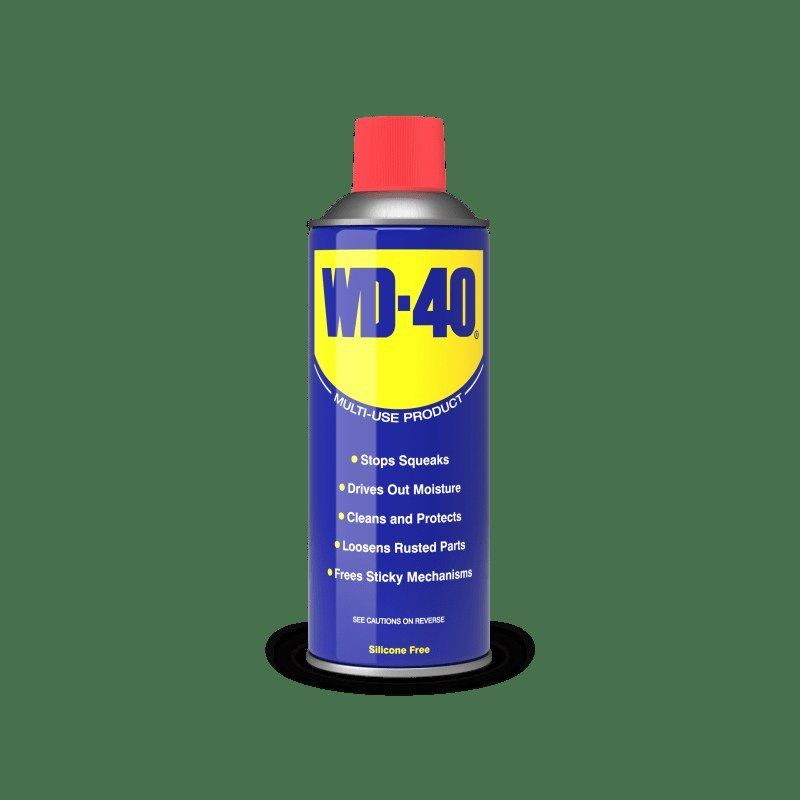
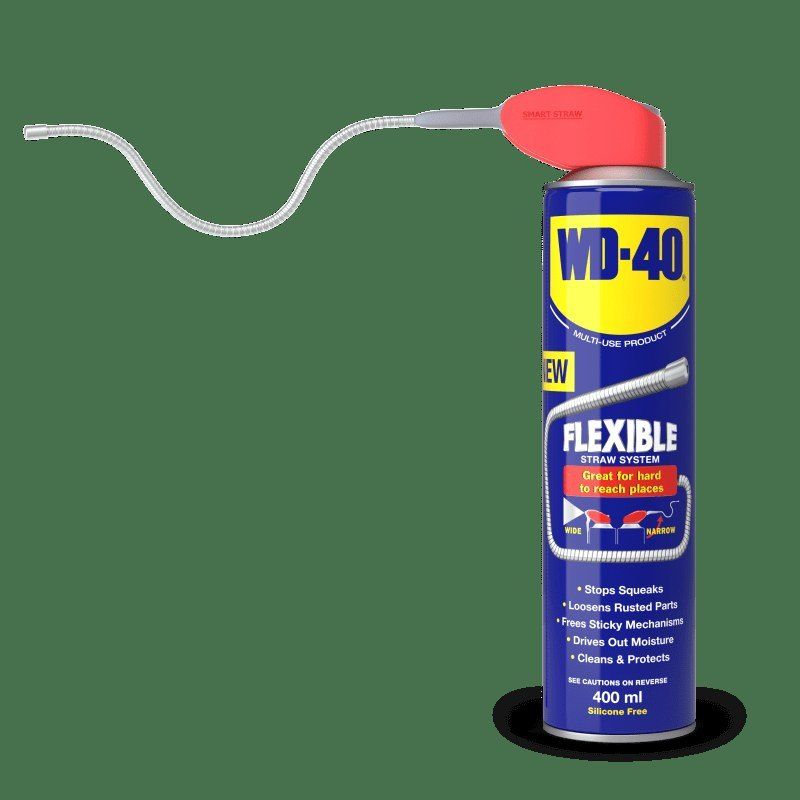
- WD-40 Multi-Use or WD-40 Trigger Pro for a large cooker
- soft sponge and several microfibre cloths
- white vinegar and a spray bottle
- baking soda
- washing-up liquid and warm water
- rubber gloves
Important: Before cleaning, switch the cooker off, turn off the gas or unplug an electric cooker, and wait until it has cooled completely. Do not spray an aerosol onto a hot surface or near an open flame, and ventilate the kitchen. Test any product on a hidden area first, especially on patterned enamel, coated stainless steel and ceramic glass.
Step 1
Prepare the cooker
Make sure the cooker is off and cold. Remove the pan supports, burner caps and control knobs if they come off, and soak them in warm water with washing-up liquid.
Wipe away crumbs and fresh spills with a damp sponge so you are left working only on old deposits.
Step 2
Light deposits: a vinegar solution
Mix vinegar and water 1:1, pour it into a spray bottle, spray it on the dirt and leave for a few minutes. The acid dissolves fresh grease and limescale marks, after which the surface wipes clean easily.
Remember that vinegar has a very low pH. On marble worktops next to the cooker, some types of enamel and chrome parts it can leave dull marks, so avoid it on those surfaces.
Step 3
Baking soda: careful with stainless steel
A paste of baking soda and a few drops of water works as a mild abrasive. It helps, but needs hard scrubbing and leaves fine scratches on stainless steel and ceramic glass. Salt instead of soda scratches even more.
The same goes for balls of kitchen foil or steel wool: they remove dirt but damage the surface. Use these methods only on enamelled pan supports and where scratches will not show.
Step 4
Old grease: WD-40 without scrubbing
Spray WD-40 Multi-Use onto the baked-on grease; on a large area WD-40 Trigger Pro is more convenient. Wait 3-5 minutes while the product penetrates the deposit and loosens its grip on the surface.
Wipe the area with a soft sponge or cloth. The softened grease comes away without heavy pressure, so the finish is not scratched. Repeat on particularly stubborn spots.
Step 5
Wash and dry the cooker
After treatment, always wipe the cooker with a sponge, warm water and washing-up liquid, then with a clean damp cloth so no product residue remains. Wash the soaked pan supports and knobs.
Dry everything and refit the parts. Turn the cooker on for the first time with a window open.
Tip: The best way to avoid fighting burnt-on grime is to wipe the cooker with a damp cloth every time it has cooled after cooking. Fresh grease comes off in a minute, while a week of baked-on splashes needs a full deep clean.
What next
A deep clean once a month is usually enough, more often if you cook every day and fry a lot. WD-40 Multi-Use is also handy in the kitchen for the cooker hood, squeaky cupboard hinges and sticky label marks.
These uses come from the experience of WD-40 users in many countries. Always follow the instructions and warnings on the product label.
More guides in «How to use».