Carbon build-up is a layer of unburnt deposits that grows with every thousand kilometres on piston crowns, in ring grooves and on the cylinder head face. It changes the combustion chamber volume and creates hot spots, so the mixture burns unevenly and the engine smokes more and emits more carbon monoxide.
If the engine is already apart for a head gasket job or a rebuild, this is the best time to clean everything. The work is simple but slow and painstaking.
What you will need
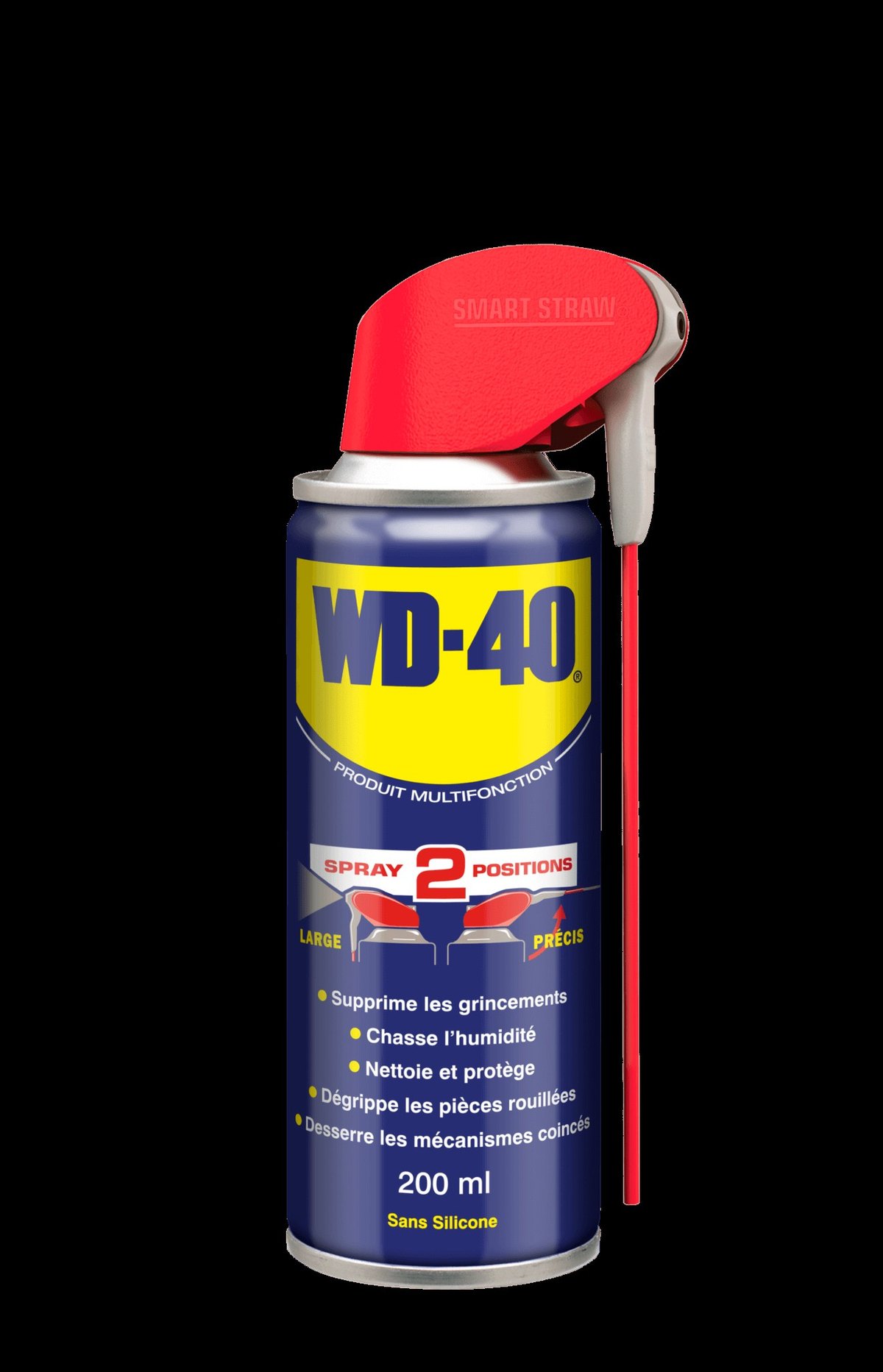
- WD-40 Multi-Use or WD-40 Smart Straw for precise application into grooves
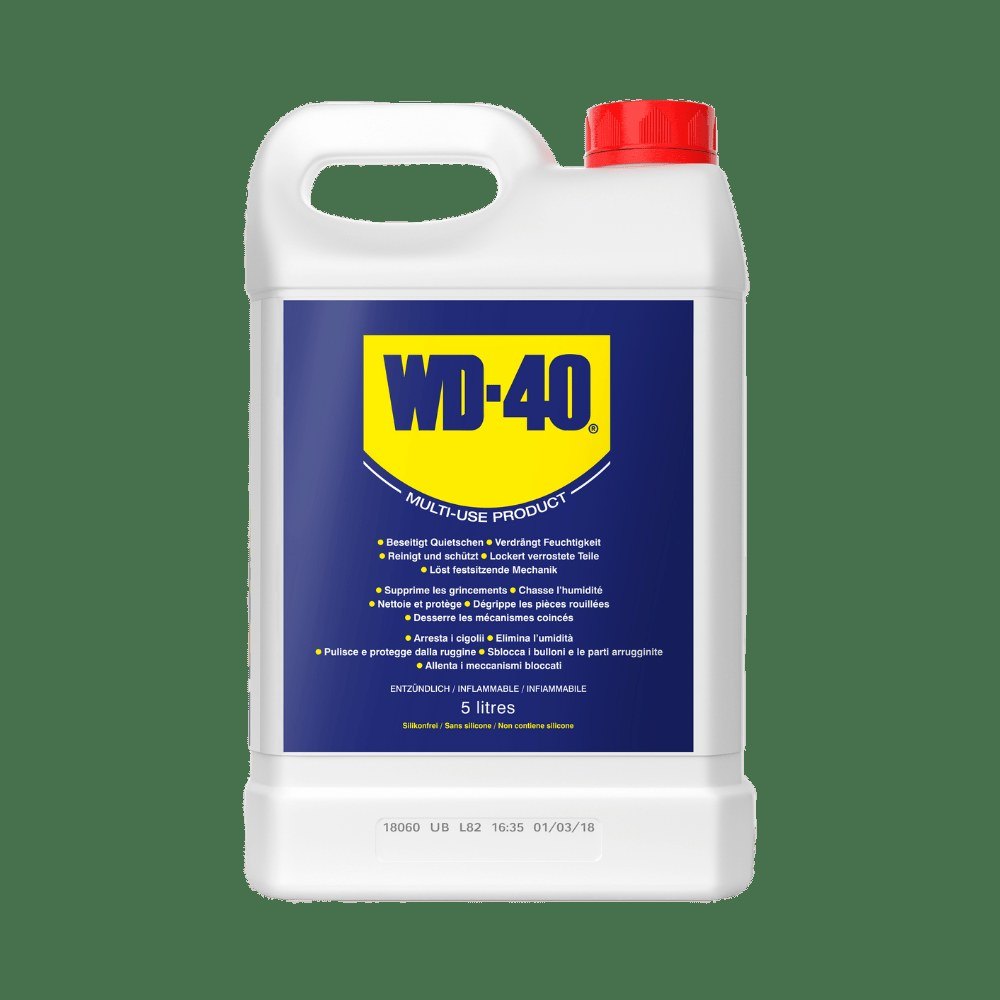
- WD-40 5 L with sprayer for a workshop cleaning several engines
- Scouring pads (no steel wire)
- Nylon scraper and plastic-blade scraper
- Paper towels and a clean dry cloth
- Safety glasses and nitrile gloves
Important: Never use wire brushes, grinders or steel blades on the head or block face: the smallest scratch will compromise the seal of the new gasket. Work in a ventilated area away from open flames.
Step 1
Prepare your workspace
Mount the engine block on a stand or a solid support so it cannot rock and the pistons are easy to reach. Lay the cylinder head on wooden blocks with the gasket face up.
Plug the oil and coolant passages with rags or tape so that dirt and flakes of carbon cannot get inside. Put on glasses and gloves.
Step 2
Soften and remove carbon from the pistons
Turn the crankshaft so the piston you are cleaning sits at top dead centre. Apply WD-40 Smart Straw generously to the crown and leave it for a few minutes: it creeps under the deposits and softens them.
Scrub the softened layer with a scouring pad, then wipe away residue and excess product with paper towels. Repeat the spray, scrub, wipe cycle until bare metal shows. Pay extra attention to the crown edge and the grooves, where carbon is densest.
Step 3
Clean the cylinder head face
Besides carbon, the head face will carry pieces of the old gasket. Apply WD-40 Multi-Use and give it a few minutes to soften the gasket remains.
Lift them off with a nylon or plastic-blade scraper held at a shallow angle, always working in one direction. Wipe the surface, apply the product again and finish with a scouring pad, just as on the pistons. Treat the block deck the same way.
Step 4
Inspect and degrease
Check the surfaces under bright light: there should be no dark patches, gasket fragments or score marks. Blow out the passages with compressed air and remove the rag plugs.
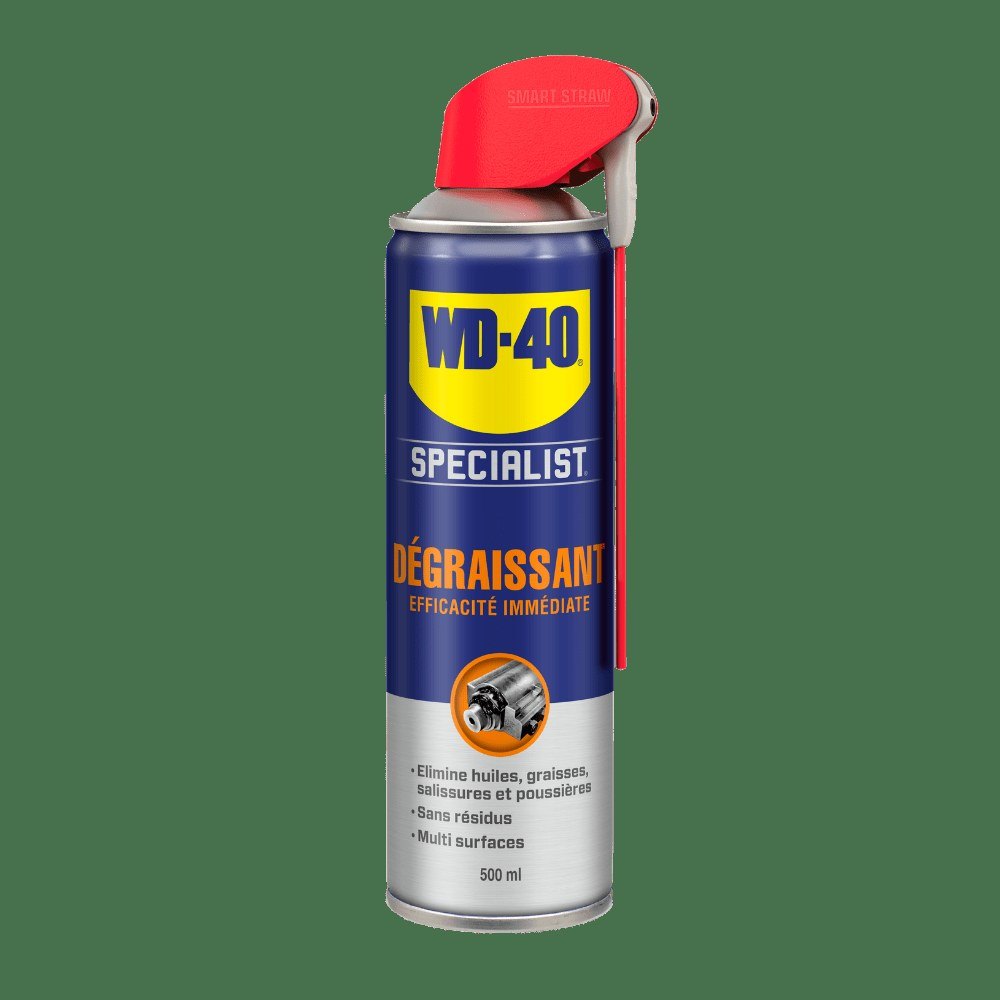
The mating faces must be clean and dry before the new gasket goes on, so wipe them thoroughly with a lint-free cloth dampened with the degreaser recommended by the gasket manufacturer.
Step 5
Protect a cast iron head from rust
If the head is cast iron and reassembly will wait, apply a thin coat of WD-40 Multi-Use to the bare and machined surfaces and spread it with a dry cloth. The film displaces moisture and protects the metal from corrosion, which matters in a damp garage in autumn and winter.
Always remove this film from the gasket face before assembly.
Tip: Carbon comes off most easily when the product has had time to work. On old diesels, spray all the pistons at once while you clean the first: by the time you reach the second and third, the deposits will be well softened.
What next
After reassembly, check the oil and coolant levels and let the engine idle. To keep tools and parts in the garage free of corrosion, keep WD-40 Multi-Use or a pocket-size WD-40 100 ml close at hand.
These uses come from the experience of WD-40 users in many countries. Always follow the instructions and warnings on the product label.
More guides in «How to use».