In industry, gears work in harsh conditions: constant friction, heavy loads, dust, moisture and splashes of process fluids. Without proper care, wear accelerates and the risk of a line stoppage grows.
To make gears last longer, adopt a simple five-step routine: clean, inspect, lubricate, protect and schedule regular maintenance. It suits open gearing on conveyors, machine tools, farm machinery and lifting equipment.
What you will need
Important: Only service gears on stopped equipment, with the power isolated, locked out and tagged at the control panel. Never put your hands near the mesh, even when turning the gear by hand.
Step 1
Clean off deposits
Spray WD-40 Multi-Use generously over the whole gear: it dissolves old grease, oil and dirt and displaces moisture. Use a soft wire or nylon brush to clear dirt from between the teeth, then wipe with a clean rag.
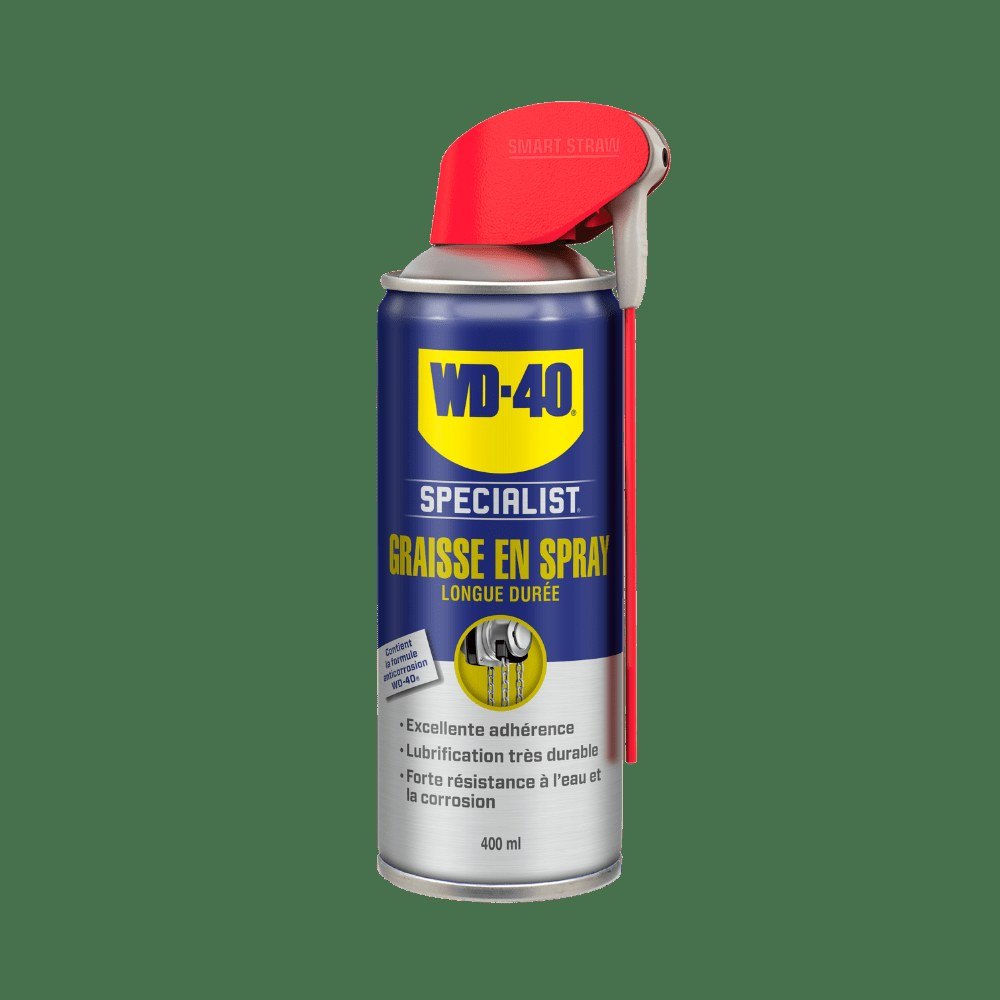
If you need a perfectly clean surface to look for cracks, degrease the teeth further with WD-40 Specialist Contact Cleaner: it evaporates quickly with no residue. Make sure the gear is dry before the next step.
Step 2
Inspect the teeth closely
Examine the teeth one by one with a torch. Look for uneven wear, micro-cracks, chips, pitting and areas of irregular contact.
Check gear alignment and the condition of the bearings. If you see misalignment or excessive backlash, mechanical work is needed: lubrication will not fix it, only delay the failure.
Step 3
Apply a lubricant suited to the duty
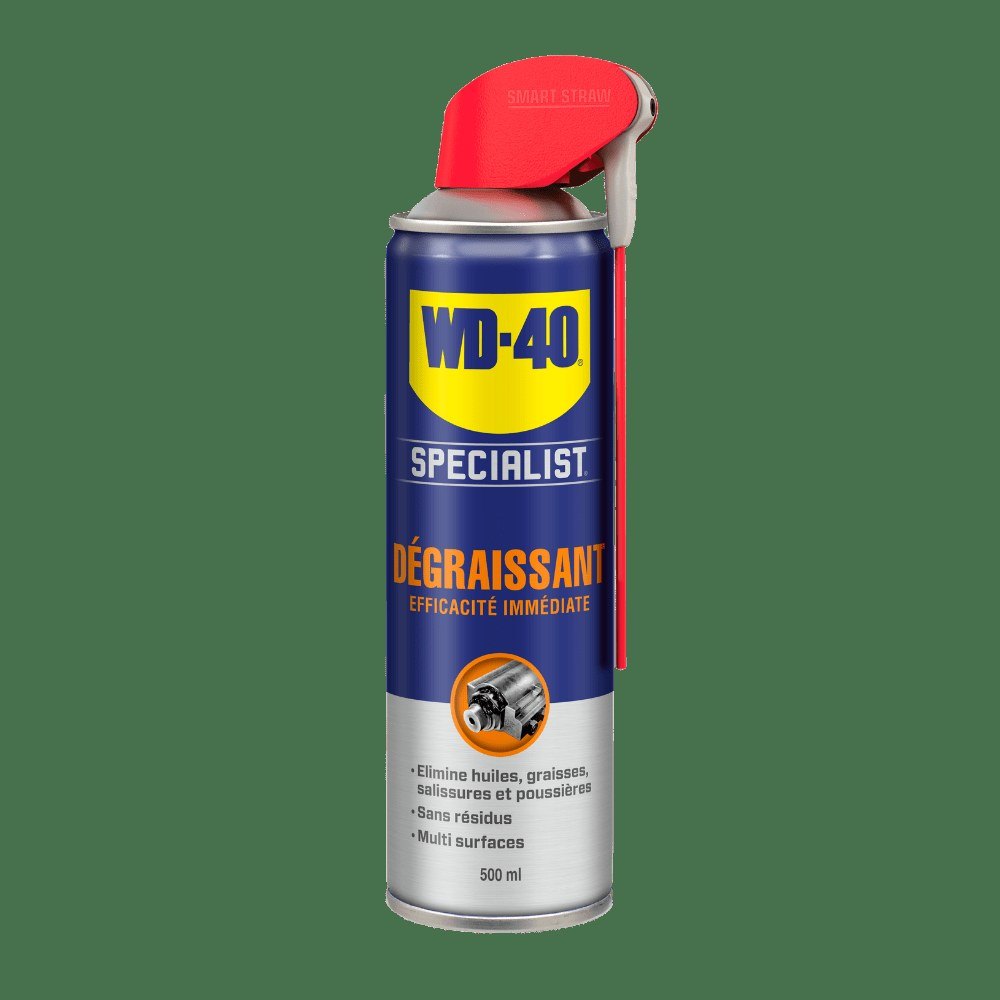
This is the key step: lubrication ensures smooth, quiet running and cuts friction and heat. For heavily loaded gears and shock loads, choose WD-40 Specialist White Lithium Grease. This thick lithium grease stays on the teeth for a long time and copes with a wide temperature range.
For fast-running, lightly loaded and plastic gears where you want to avoid picking up dust, WD-40 Specialist Silicone is suitable. Apply evenly to all the teeth while slowly turning the gear by hand, and give it a few minutes.
Step 4
Protect against corrosion
Even a lubricated gear suffers from moisture, temperature swings and dust. This applies especially to outdoor equipment, unheated workshops, grain stores and farms, where condensation forms in winter and spring.
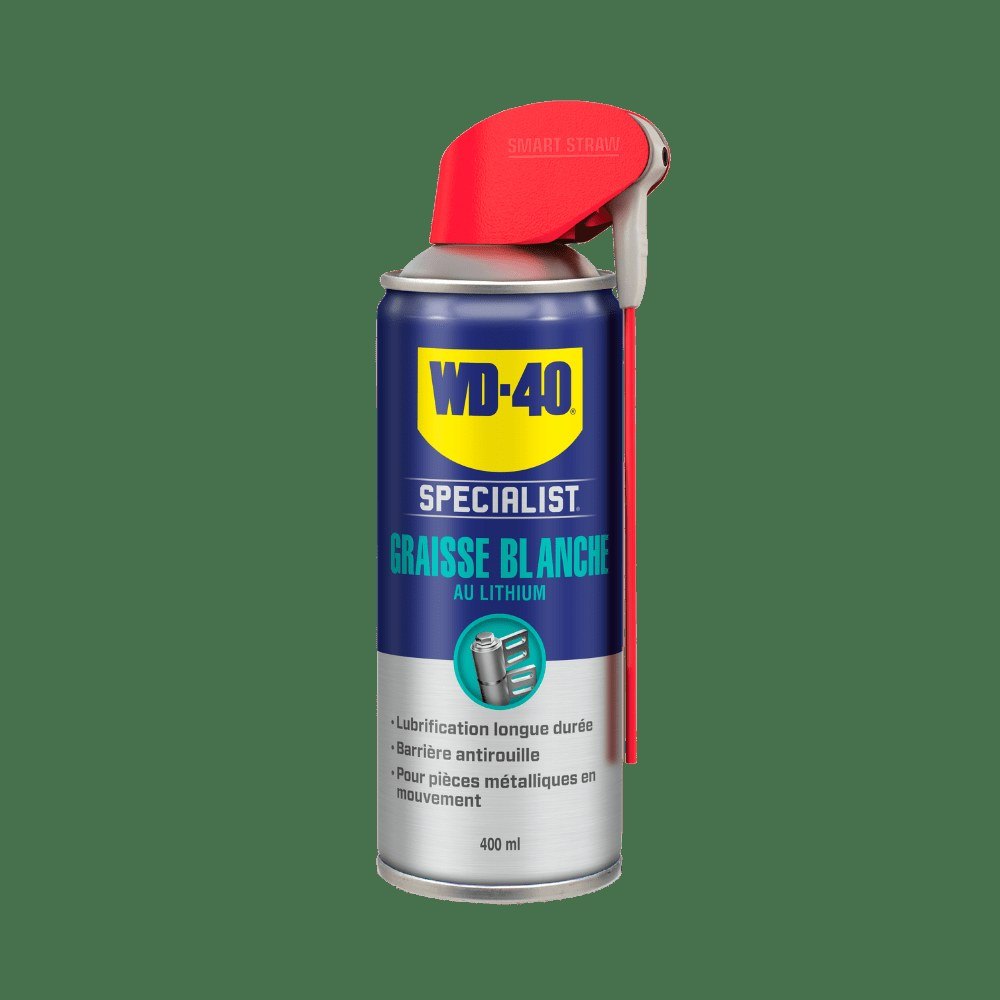
Apply a thin coat of WD-40 Multi-Use to exposed metal on the housing, shafts and fixings. It displaces moisture and leaves a protective film. Do not spray it onto teeth that are already greased, so as not to thin the grease.
Step 5
Schedule regular maintenance
Regularity is the key to long gear life. Add gear inspection and lubrication to your planned preventive maintenance. Set the interval according to conditions: dust, load, temperature and chemical exposure.
Keep a log of the date, tooth condition and lubricant used. That way you will spot progressive wear long before a breakdown.
What next
At most sites a monthly inspection and lubrication is enough, more often in dusty or damp conditions. After any unplanned stoppage, check the gears straight away.
These uses come from the experience of WD-40 users in many countries. Always follow the instructions and warnings on the product label.
More guides in «How to use».