Sewing is back in fashion: more and more people are rescuing a grandmother's machine from the cupboard or buying a new one for a hobby. But maintenance usually only comes to mind once the machine starts tugging the fabric, knocking or stopping altogether. The cause is almost always the same: lint from thread in the hook area and dried-out lubricant on the moving parts.
A few habits extend a machine's life: keep the hook and bobbin case clean, lubricate as soon as you hear a squeak, use good thread that sheds little lint and change needles regularly, as they blunt invisibly.
What you will need
Important: Unplug the machine before any maintenance. Use products very sparingly and only on metal mechanisms, never on thread guides, fabric or circuit boards. Check the manufacturer's manual, which may specify exact oiling points and products.
Step 1
Clean the outside
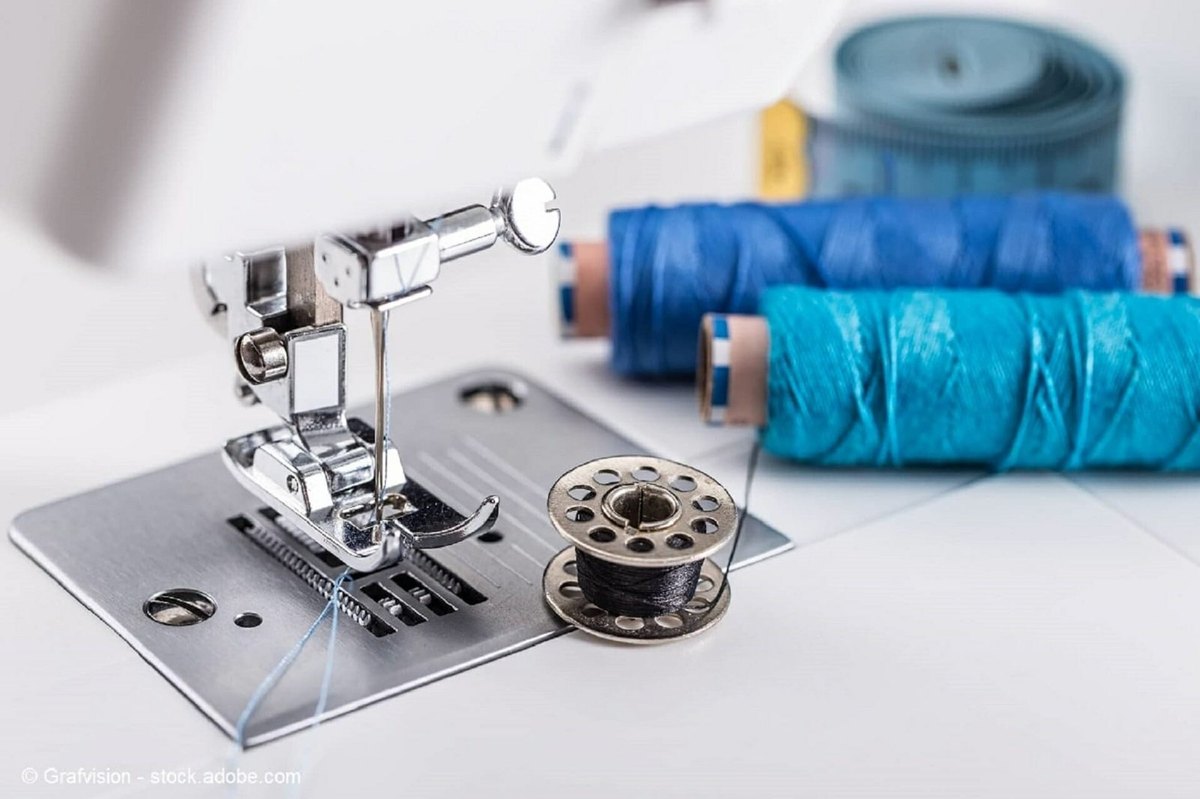
Remove the extension table, presser foot and needle. Brush and wipe away lint and thread ends. Then unscrew the needle plate: the mechanism that needs cleaning and lubricating sits underneath it.
Step 2
Clean the hook area
This is the most important maintenance job. The hook area sits directly below the needle bar and inevitably fills with lint. Depending on the model, undo the screws or release the catch, then carefully remove the bobbin case and hook.
Loosen all visible debris with a soft brush, then vacuum it out or blow it away with compressed air. Clean the feed dogs and their track in the same way.
Step 3
Lubricate the hook axle
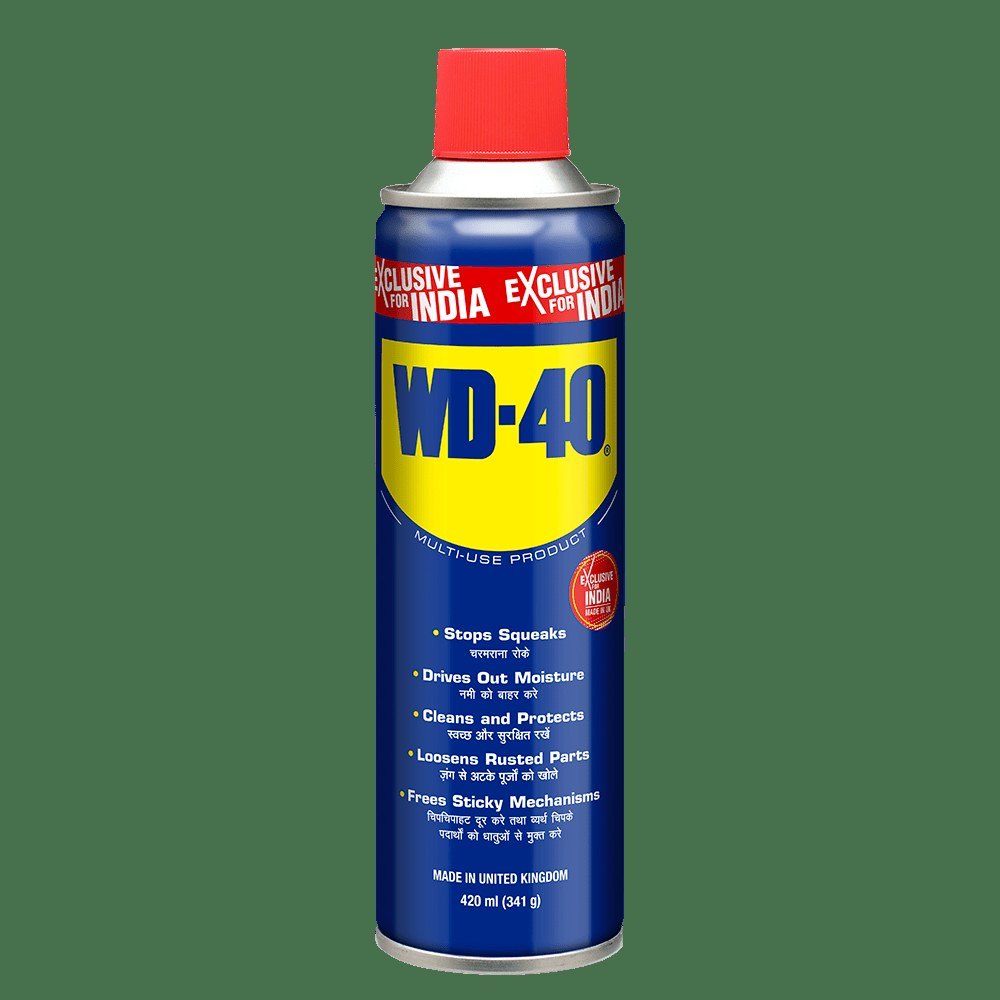
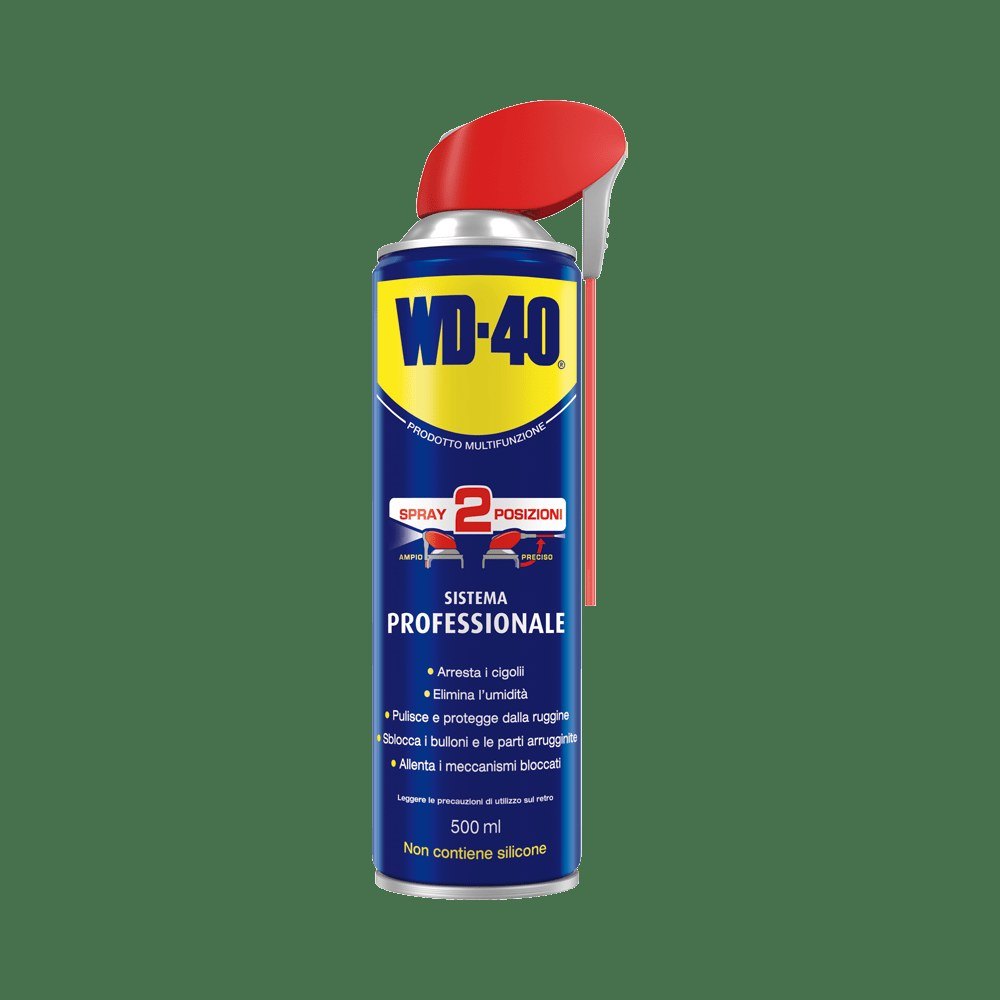
Apply just one or two drops of the lubricant recommended in the manual to the central axle of the hook, or the same tiny amount of WD-40 Multi-Use sprayed onto a brush. Let it settle for a couple of minutes, refit the hook and bobbin and close the cover. Without lubrication the axle will eventually stick and get noisy.
Step 4
Clean and lubricate the internal mechanisms
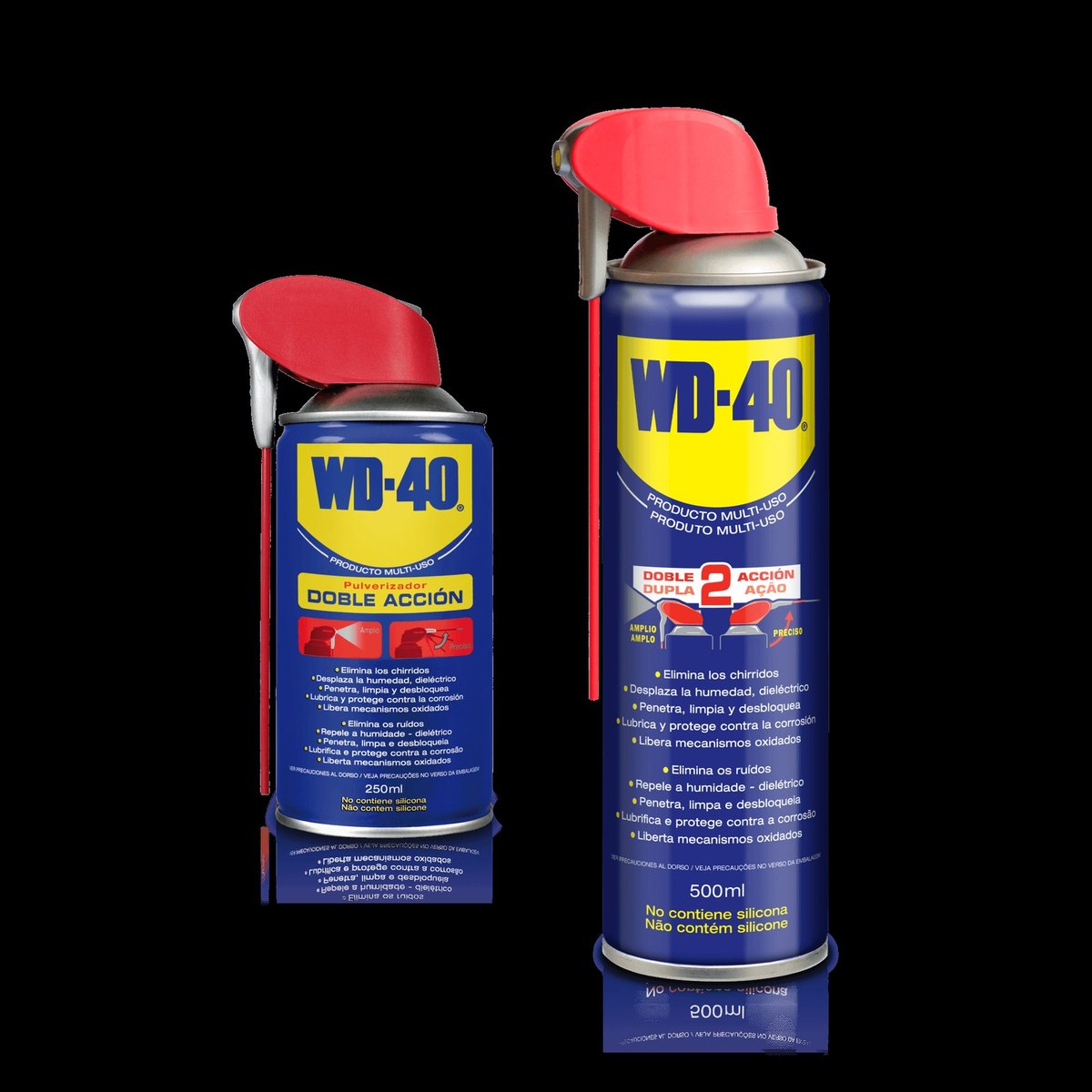
If you are confident, remove the body cover to reach the drive mechanisms. Give them a light spray of WD-40 Multi-Use: it dissolves the film of old lubricant and dirt, removes traces of rust and lubricates the moving parts. Pick up any excess straight away with a brush or cloth.
If in doubt, leave dismantling to a technician, ideally once a year for a machine used daily.
Step 5
Look after the foot pedal
The pedal lives on the floor and quickly gathers dust. If its design allows, open it, clean out the dirt and apply a little WD-40 Specialist Silicone to the spring mechanism: silicone does not attract dust and keeps the action smooth.
Treat any accessible electrical contacts inside the pedal with WD-40 Specialist Contact Cleaner. It dissolves dust, grease and condensation, evaporates quickly, leaves no residue and is safe on metal, plastic and rubber.
Step 6
Run the machine without thread
Reassemble the machine, switch it on and let it run for a few seconds without needle or thread so the lubricant spreads over the parts. Then sew a scrap of spare fabric so any excess does not end up on your project.
Tip: Store the machine under a cover in a dry place at a moderate temperature. In an unheated room in winter, condensation forms on the metal and an uncovered mechanism rusts faster.
What next
Clean the hook area after every big project and lubricate the mechanism on the manufacturer's schedule or as soon as you hear a squeak. For metal scissors, bobbins and small tools, a WD-40 100 ml can fits neatly in your sewing box.
These uses come from the experience of WD-40 users in many countries. Always follow the instructions and warnings on the product label.
More guides in «How to use».