Automatic gates are very convenient until they start stopping halfway, squeaking or ignoring the remote. Sliding gates run on rollers along a track while the operator drives a toothed rack through a pinion. Swing gates use articulated arm or linear ram operators. Besides the mechanics, the system includes photocells, a warning light, a control board and the remote.
Most faults come down to dirt, moisture and lack of lubrication. Before calling an engineer, check everything in turn.
What you will need
Important: Before working on the mechanics, board or operator, switch off the gate's power and release the operator into manual mode. Never stand in the path of the gate during tests. If in doubt, call a professional.
Step 1
Start with the remote and photocells
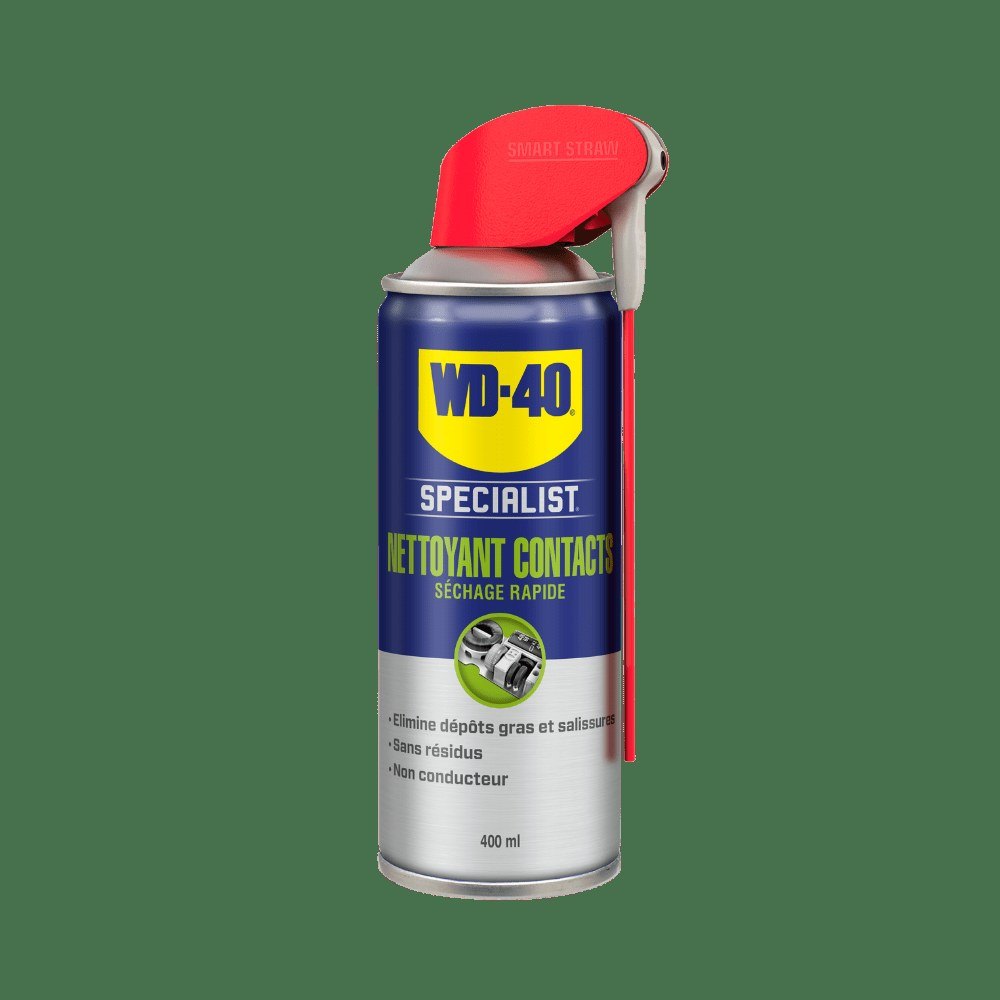
If the gate will not open, first replace the battery in the remote. Clean dirty contacts in the battery compartment with WD-40 Specialist Contact Cleaner.
Check the photocells: they must be clean and aligned exactly with each other. If they are dirty or knocked out of line, the gate opens but will not close. Wipe the lenses with a damp cloth and check the alignment.

Step 2
Clear the track and travel area
A sliding gate track constantly fills with leaves, stones and soil from car wheels, collects silt after downpours and gets packed with snow and ice in winter. Keep it clean at all times: sweep it and remove debris from under the rollers.
In winter, clear snow from the track and under the gate before it gets compacted.
Step 3
Lubricate the moving parts
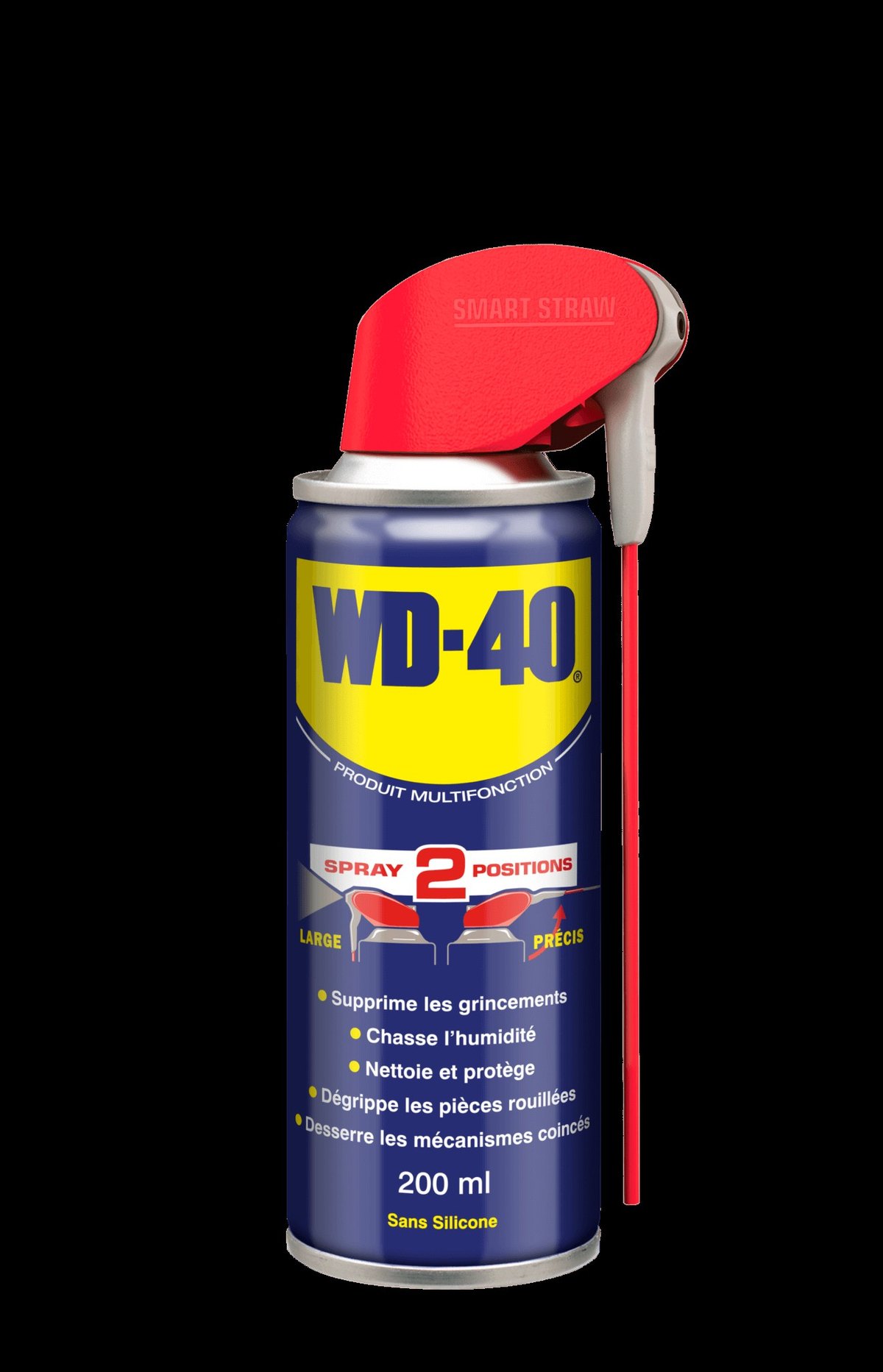
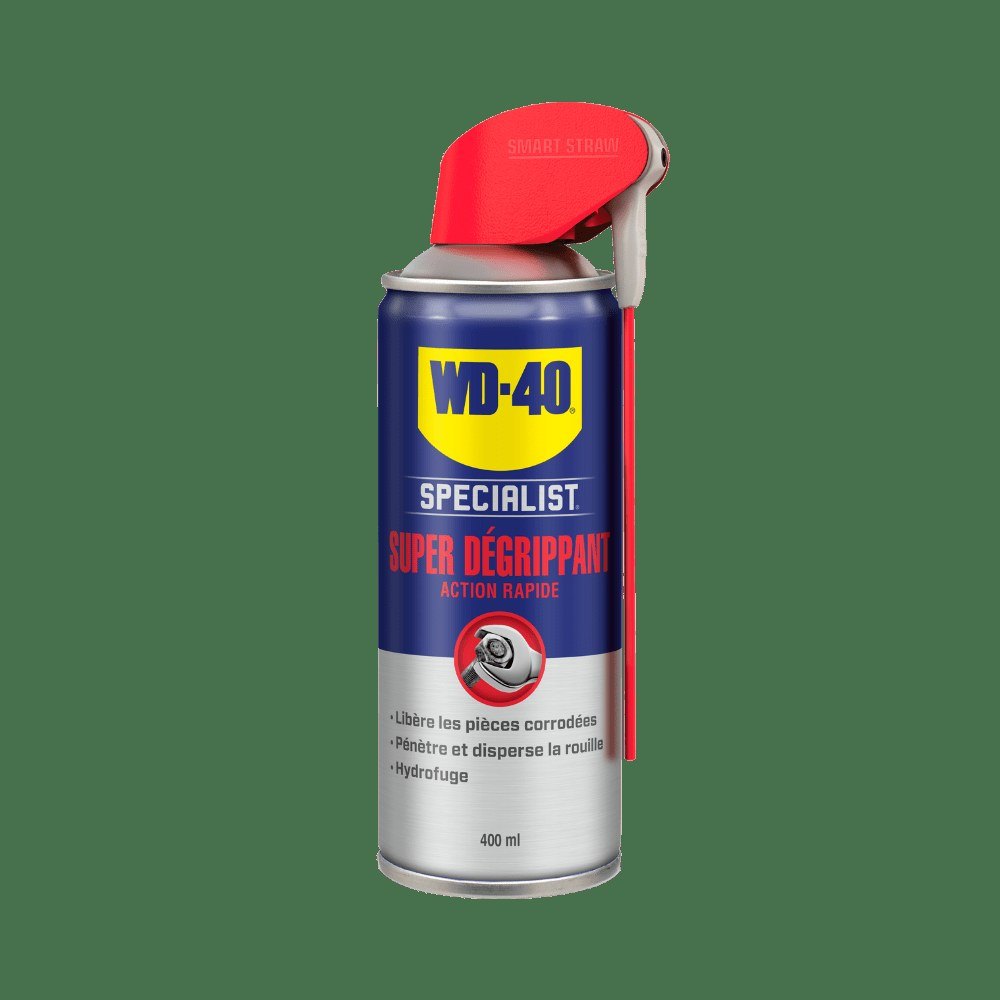
If the operator runs but the gate squeaks and moves heavily, inspect the rollers, hinges, arms and rack. Often cleaning off the dirt is enough. Free seized parts with WD-40 Multi-Use: it penetrates gaps, displaces moisture and loosens rust.
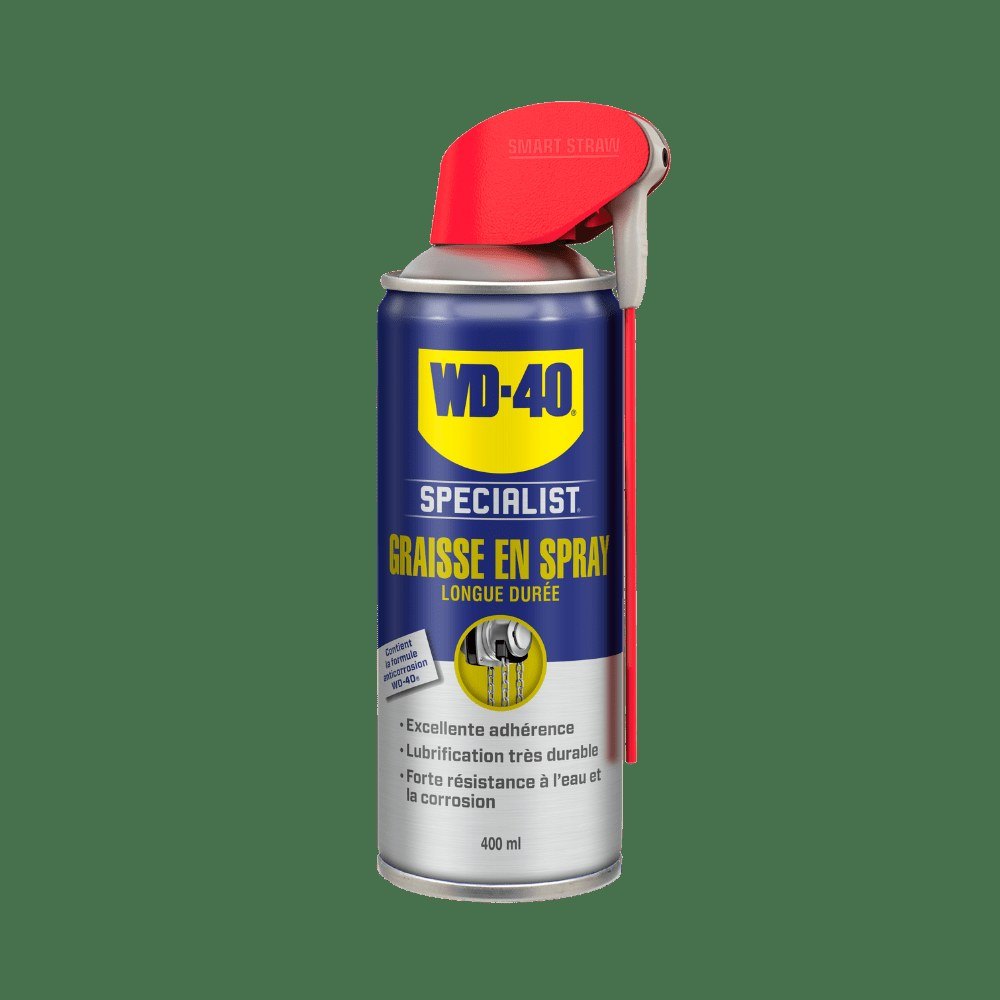
Once clean, grease the rack, pinion, hinges and arm pivots with WD-40 Specialist White Lithium Grease. It stays on loaded parts and is not washed off by rain. Wipe off the excess so sand does not stick to it.
Step 4
Clean the control board
The board sits in the operator housing. Insects and ants often get in and disrupt the contacts. With the power off, open the cover and remove debris with a soft brush or vacuum.
Treat the terminal blocks, connectors and board contacts with WD-40 Specialist Contact Cleaner and let them dry. Gaps in the housing can be sealed with expanding foam to keep insects out.
Step 5
Check the operator cables
Switch off the power, open the motor cover, disconnect the motor wires and test them with a multimeter on continuity. A continuous beep means the wire is sound. No beep means the cable needs replacing.
If the cables and mechanics are fine but the gate will not move, the motor itself is the likely culprit. Leave testing and replacing it to a service engineer.
Step 6
Reassemble and test
Close the covers, lock the operator back into automatic mode and restore power. Run several open and close cycles and check that the gate stops when the photocell beam is broken.

Tip: In autumn before the frosts, treat limit switches, locks and the manual release with WD-40: moisture will not freeze in the mechanism and the gate will not get stuck in winter.
What next
Inspect and clean every few months and grease the rack and hinges twice a year, in spring and autumn. If the fault persists after these steps, contact a gate operator service. For caring for the gate leaf and paint, see our guide to metal gates.
These uses come from the experience of WD-40 users in many countries. Always follow the instructions and warnings on the product label.
More guides in «How to use».