In hot weather a fan is a lifesaver at home, in the office, in a greenhouse or on a farm. To keep it running quietly and safely, it needs regular cleaning and lubrication rather than waiting until it stops for good.
The first warning sign is noise: squeaking, creaking or rubbing that gets louder as the speed rises. Do not ignore it. Without lubrication the shaft overheats and the motor can seize or burn out. If you hear these sounds, switch the fan off and service it.
What you will need
Important: Before any work, switch the fan off and unplug it; isolate a ceiling fan at the consumer unit. This rules out accidental starting. Work from a stable stepladder, ideally with a helper.
Step 1
Switch off and isolate the fan
Whatever the type, floor, desk or ceiling, the fan must be switched off and, wherever possible, disconnected from the power supply. Blades that start unexpectedly can injure your hands.
Step 2
Lubricate a ceiling fan
Position the ladder so you can reach the housing comfortably. Check the manual to see whether your model has a dedicated oil hole for the motor, usually at the top of the housing.
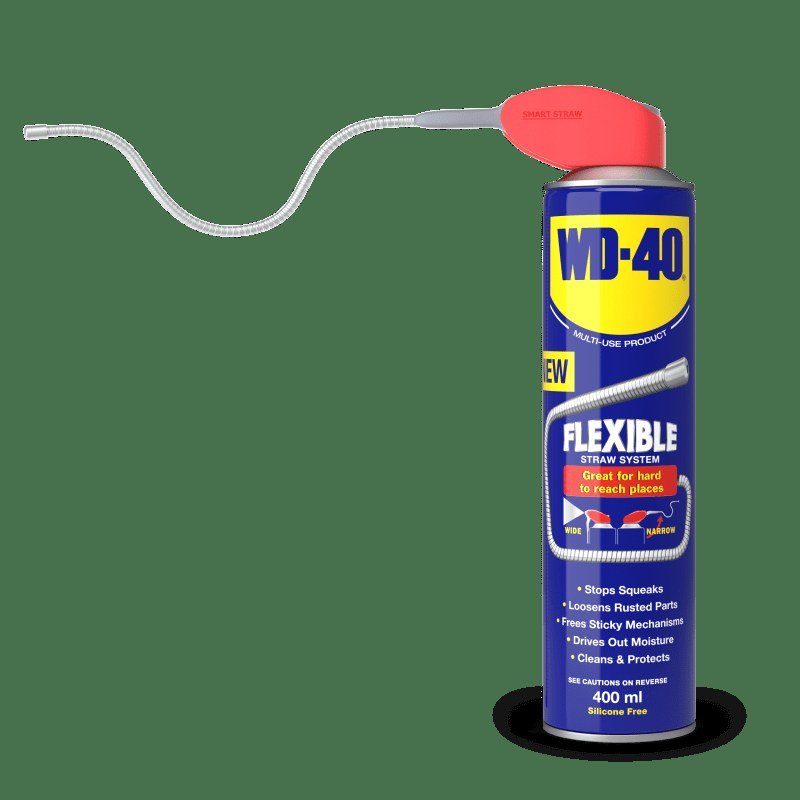
Insert the fine straw of WD-40 Smart Straw into the hole and give a few short bursts. It cleans and lubricates the bearing. Then slowly turn the blades by hand a few times to spread the lubricant.
Step 3
Service a floor or desk fan
Undo the locking screw and remove the front guard. Then undo the nut holding the blade assembly, usually clockwise because it has a left-hand thread, and remove the blades and rear guard.
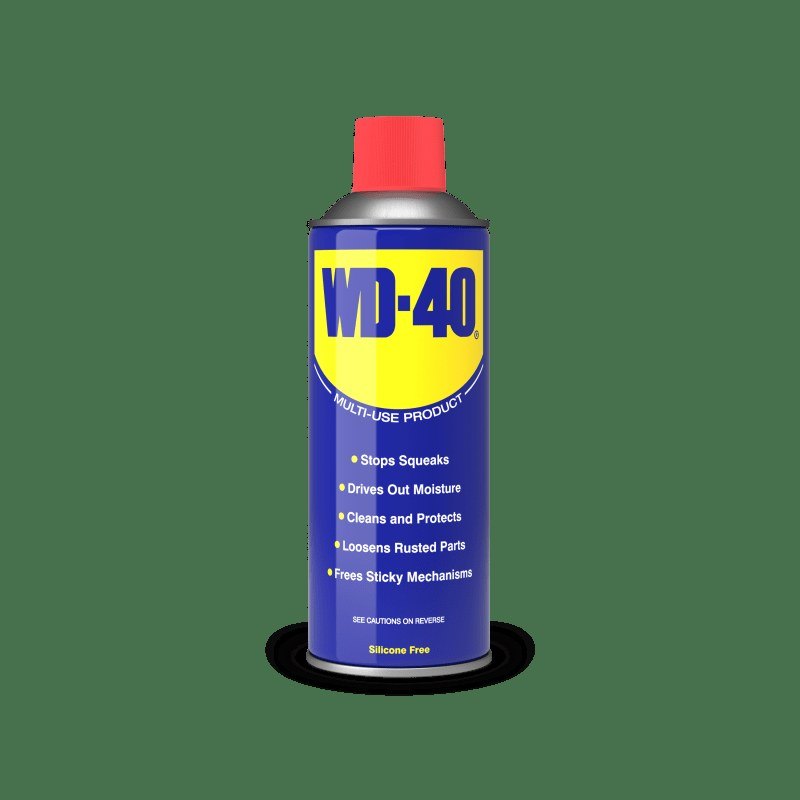
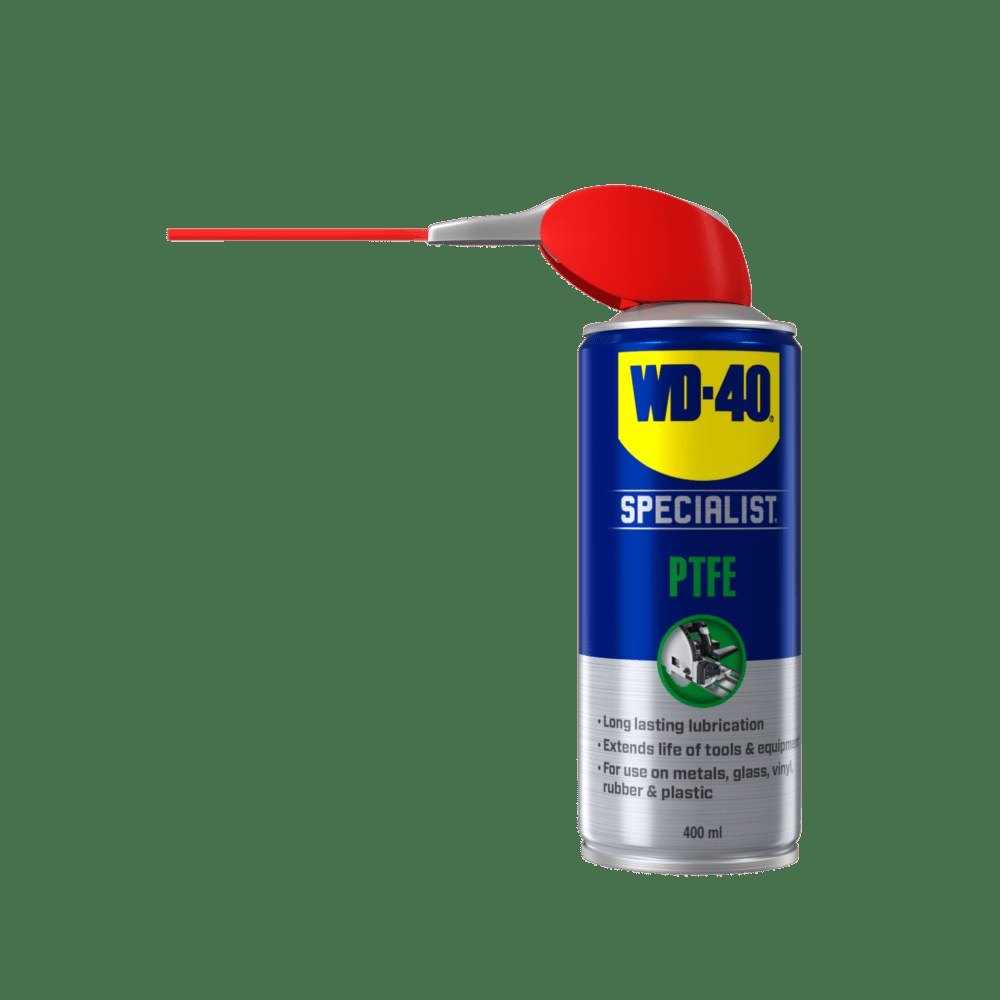
Brush dust away from around the motor opening. Spray WD-40 Multi-Use onto the shaft and turn it several times so the product works into the bushing. For longer-lasting effect, add a drop of WD-40 Specialist Silicone: silicone does not attract dust and is safe on plastics.
Step 4
Clean the guards and blades
Wipe the housing, guards and blades with a microfibre cloth and a little WD-40 Multi-Use. It removes greasy dust and leaves a thin layer that dirt does not cling to so quickly.
The plastic guards and blades of a floor fan can be washed under warm water. Dry them thoroughly before reassembly. In dusty places such as cowsheds, workshops or warehouses, clean more often.
Step 5
Reassemble and test
Refit all the parts, make sure the blade assembly is secure, and run the fan at every speed. If it runs smoothly and quietly, the job is done.
If humming or squeaking persists, the motor has probably been damaged by overloading or long running without lubrication. In that case call a technician.

Tip: Lubricate the fan before each summer season, and before winter storage clean it and cover it with a dust bag. When the heat arrives it will start straight away without squeaking.
What next
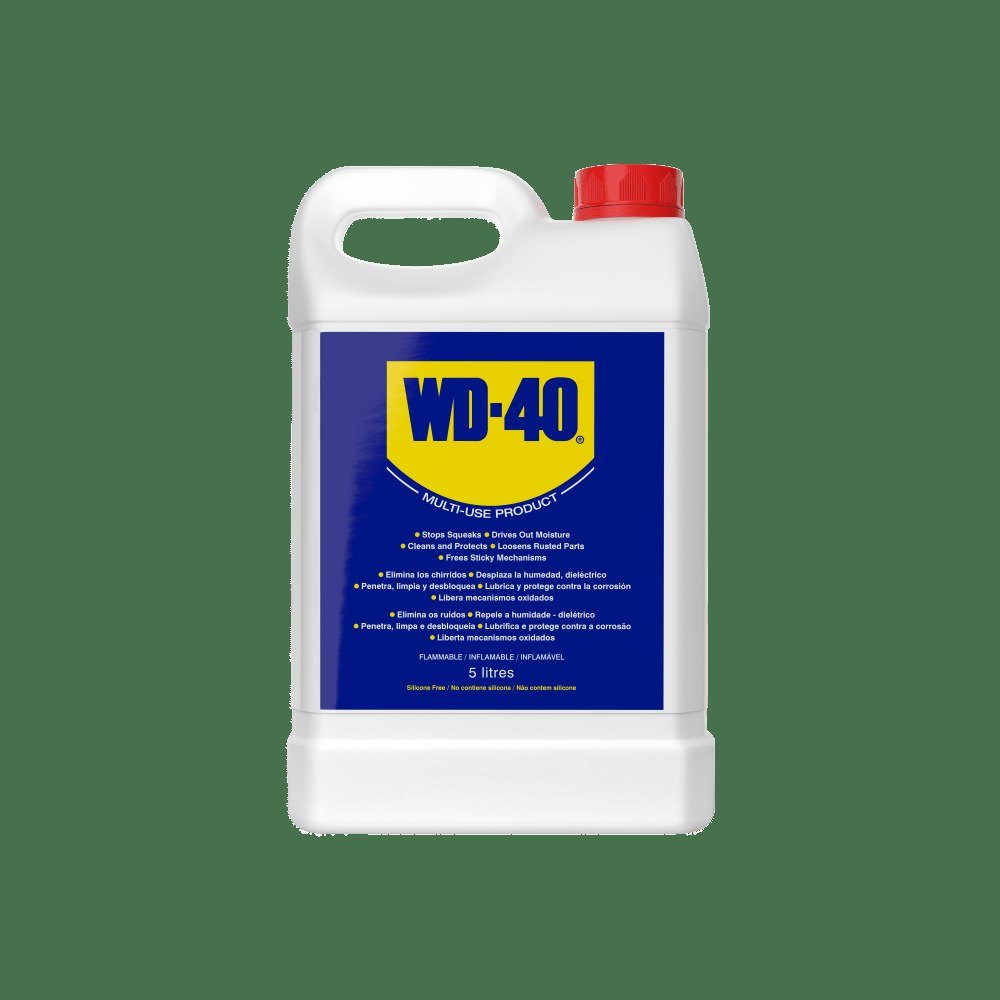
Clean the blades once a month during the season and lubricate the shaft once a year or at the first squeak. For farms and workshops with many fans, WD-40 Multi-Use 5 l with sprayer is the economical choice.
These uses come from the experience of WD-40 users in many countries. Always follow the instructions and warnings on the product label.
More guides in «How to use».