A door squeaks when friction between the parts of a hinge becomes too great. Over the years dust, dirt and thickened old lubricant build up in hinges, and on front, balcony and outdoor doors moisture, frost and temperature swings add rust and wear.
Often it is enough to lubricate the hinge with the door in place. But if the squeak keeps coming back or the hinge is stiff, it is better to remove the pin, clean it and lubricate it properly. Allow 15-20 minutes per door.
What you will need
Important: Get help with heavy doors or put a wedge under the door so it cannot fall when the pins are out. Remove one pin at a time, starting with the bottom hinge.
Step 1
Remove the hinge pin
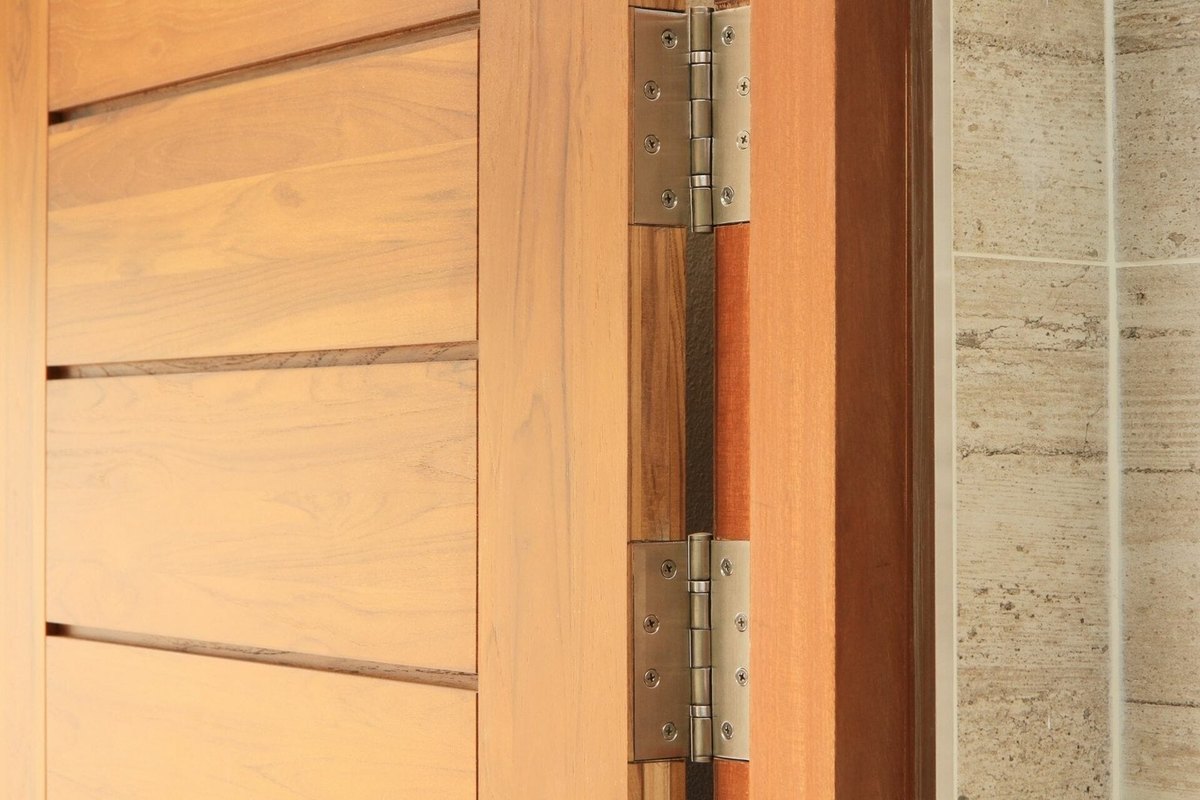
The pin joins the leaf on the frame to the leaf on the door. Open the door, wedge it underneath and tap the pin upwards from below with a screwdriver and hammer, then pull it out with pliers, twisting as you go.
If the pin is rusted in, spray WD-40 Multi-Use into the gap between the hinge leaves through the straw of WD-40 Smart Straw and wait a few minutes. It works into the joint and frees it.
Step 2
Check the hinge condition
For interior doors, cleaning and lubricating is usually enough. Outdoor doors, gates and shed doors suffer from rain, snow and temperature changes, and a hinge badly eaten by rust may need replacing.
A slightly bent pin can often be straightened with pliers. A badly worn or cracked one is best replaced with a new pin of the same diameter.
Step 3
Clean the pin and hinge
Wash the pin in warm soapy water and dry it thoroughly. Wipe dirt and old lubricant from the hinge leaves with a rag.
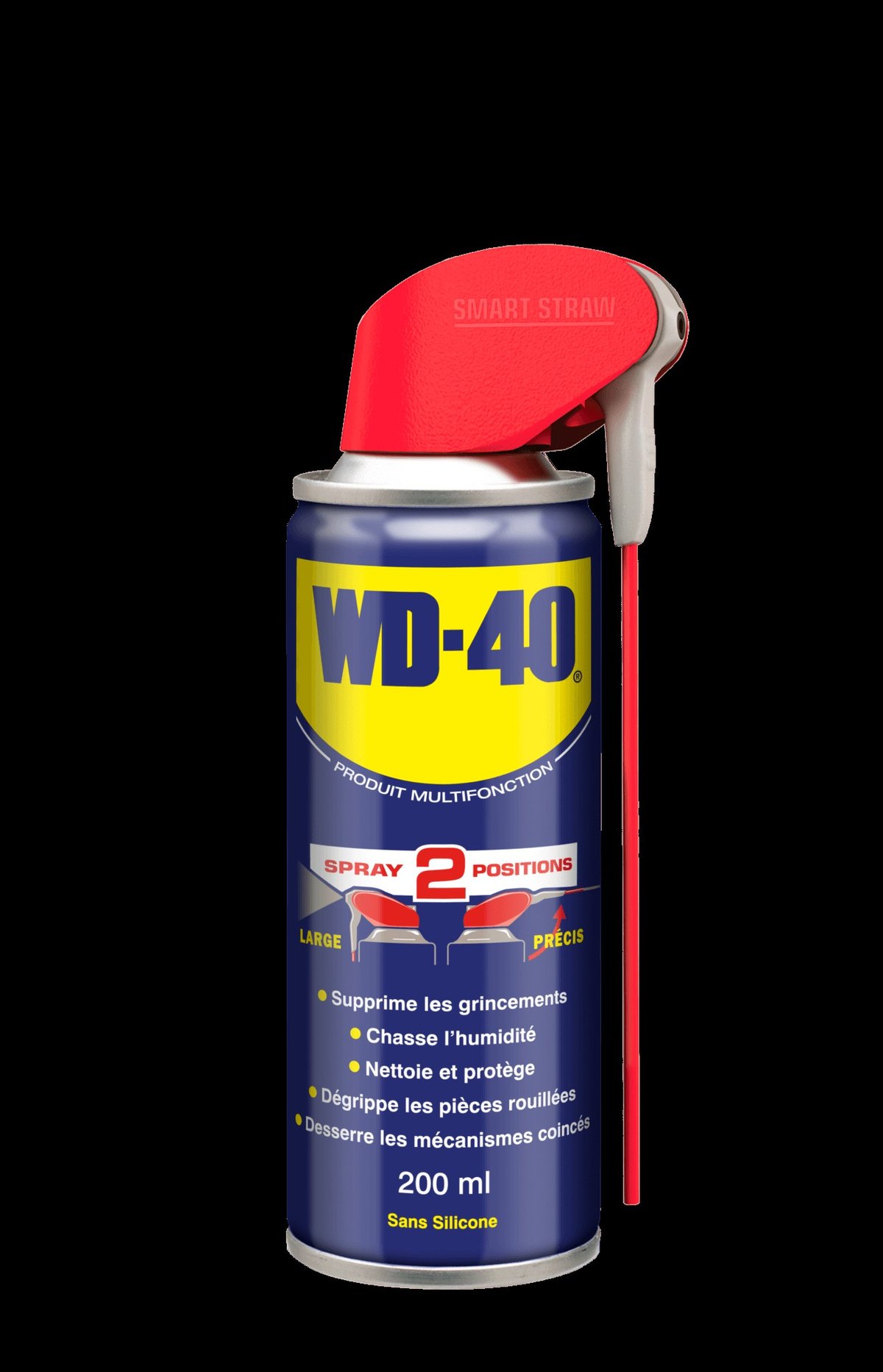
Remove rust with fine sandpaper. Any remaining grime is easily dissolved by WD-40 Multi-Use: apply, wait a minute and wipe dry.
Step 4
Lubricate the hinge
Spray WD-40 Multi-Use onto a clean cloth and rub it evenly over the pin, then lightly coat the hinge barrel. It reduces friction and leaves a film that protects against moisture and corrosion.
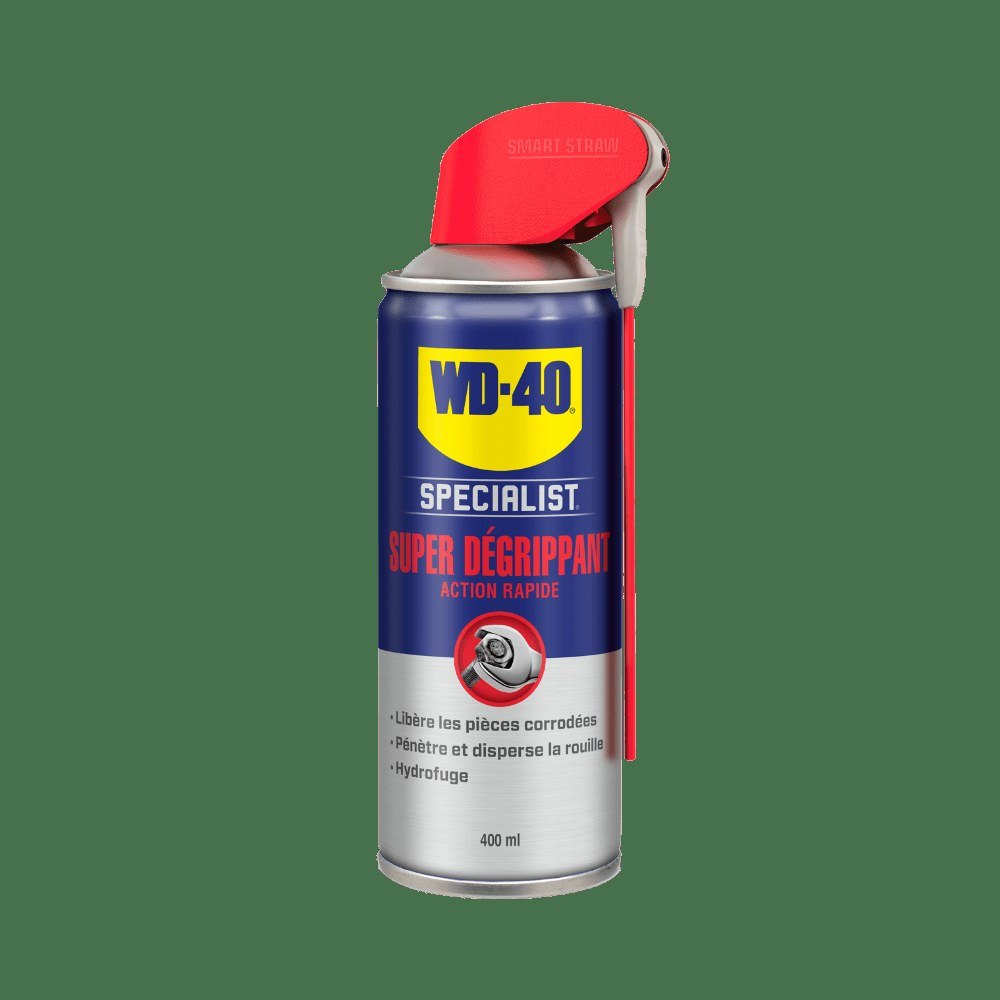
For front, outdoor and heavy doors, WD-40 Specialist White Lithium Grease is the better choice: it is thick, does not drip and lasts longer in rain and frost.
Step 5
Reassemble and test the door
Push the pin back in, tapping it home gently with the hammer if needed. Remove the wedge and open and close the door fully several times so the lubricant spreads inside the hinge.
If it still squeaks, apply a little more product at the top of the hinge. Finally wipe off the excess and any dirt around it so no marks are left on the door or floor.
Tip: Treat the hinges of uPVC windows and balcony doors, as well as plastic and rubber parts of the hardware, with
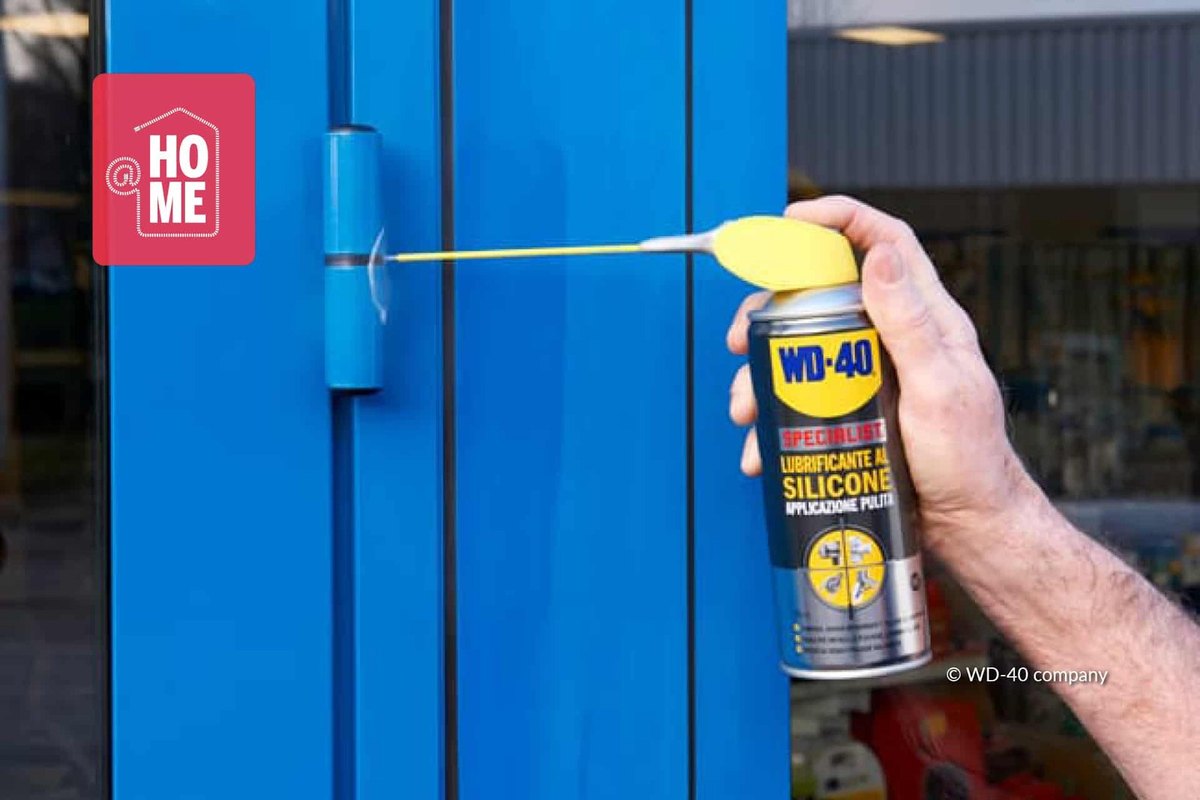
WD-40 Specialist Silicone. It is safe on plastic and rubber and attracts very little dust, so the casements open easily even after winter.
What next
Service interior doors once a year, and front and outdoor doors in spring and autumn. Keep WD-40 Smart Straw at home: the two-position straw lets you silence any hinge in a minute without getting product on walls or doors.
These uses come from the experience of WD-40 users in many countries. Always follow the instructions and warnings on the product label.
More guides in «How to use».