A frozen lock on a shed, garage or gate always strikes at the worst moment: wet snow is falling, your hands are cold and the key will not turn. The cause is simple. Water gets into the mechanism and, during the night frosts that are common from November to March, it turns to ice.
Preventing ice is much easier than thawing a lock afterwards. All you need to do is clean out the dirt and coat the metal parts with a water-repellent film. The whole job takes a few minutes per lock.
What you will need
Important: Wear gloves: the solvents in aerosol products degrease and dry the skin. Do not spray near naked flames or hot surfaces.
Step 1
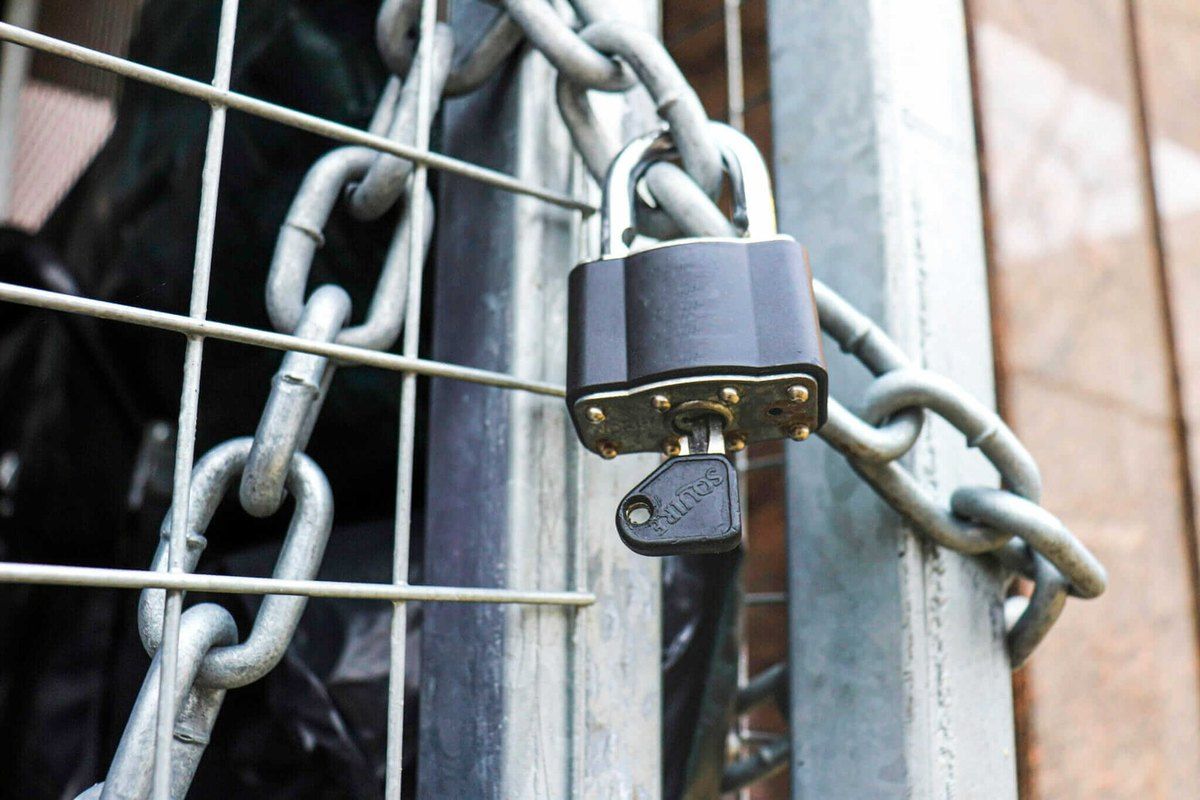
Clean the dirt off the lock
Over summer and autumn, padlocks collect dust, grit and cobwebs. This dirt holds moisture and wears the mechanism. Wipe the whole body and shackle with a clean cloth, then flush debris out of the keyhole with a short burst of WD-40 Multi-Use.
Step 2
Apply the product inside the mechanism
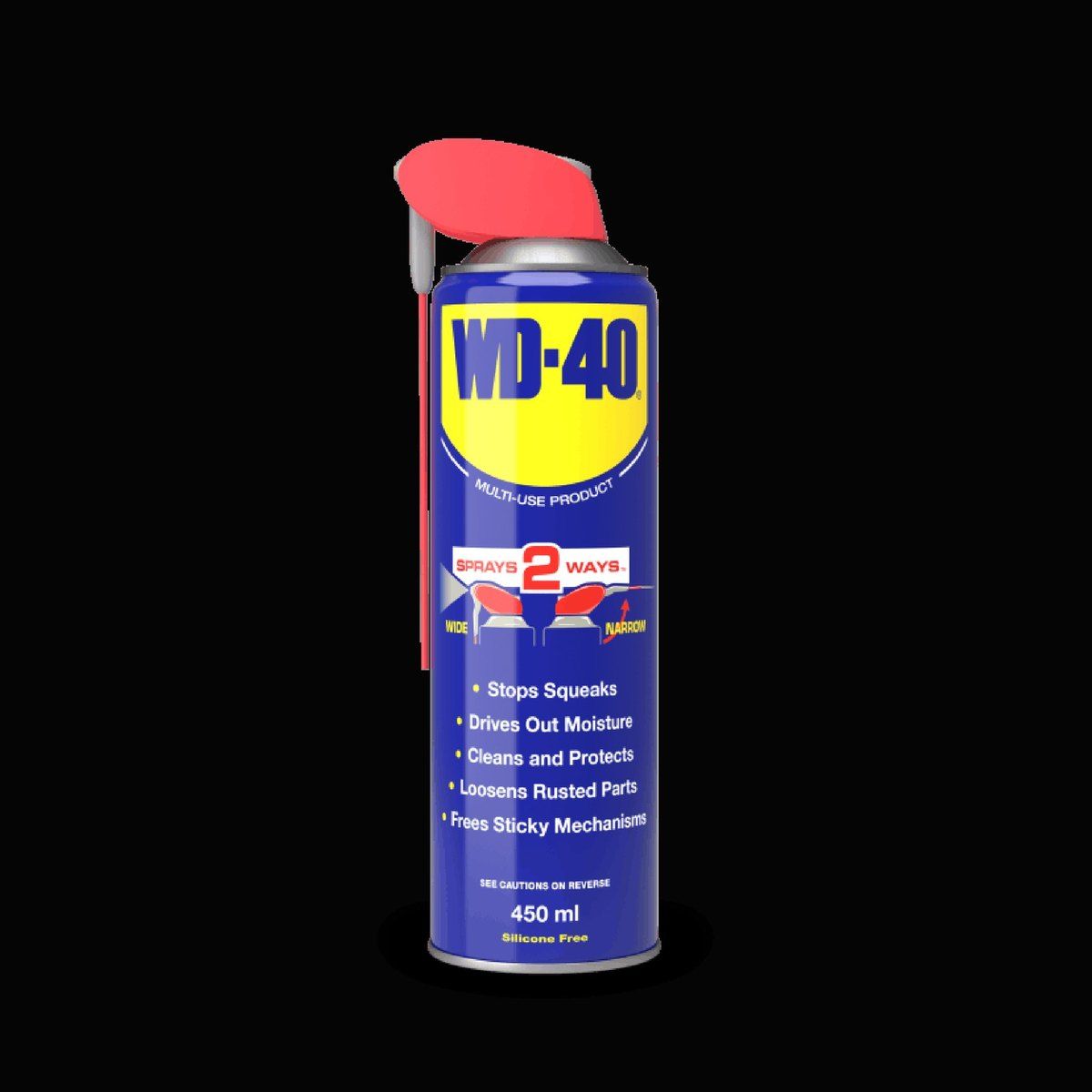
Tilt the lock so you can see the keyhole and give a short burst inside through the WD-40 Smart Straw. Also treat the points where the shackle enters the body. The product coats the metal parts with a thin film that stops water lingering and pooling.
Give it a few seconds to spread through the mechanism.

Step 3
Work the mechanism and remove the excess
Insert the key and open and close the lock several times so the product reaches every pin and spring. Then wipe off the excess with a cloth: the lock should be slightly damp, not wet, so it attracts less dust.
Step 4
Treat door locks and hinges
Treat the cylinder of a house or garage door in the same way, through the keyhole. If the mechanism is stiff, remove the cover plate with a screwdriver so you can reach the bolts and latch. Wait a few minutes before reassembling and wipe away drips so they do not mark the door or floor.
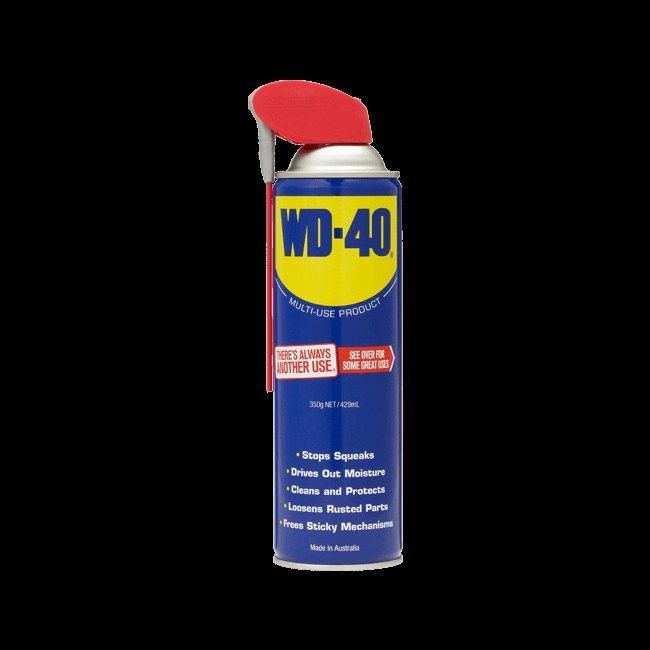
While you are there, spray the hinges with WD-40 Multi-Use: they will stop squeaking and cope better with a damp winter.
Step 5
Protect locks you will not use until spring
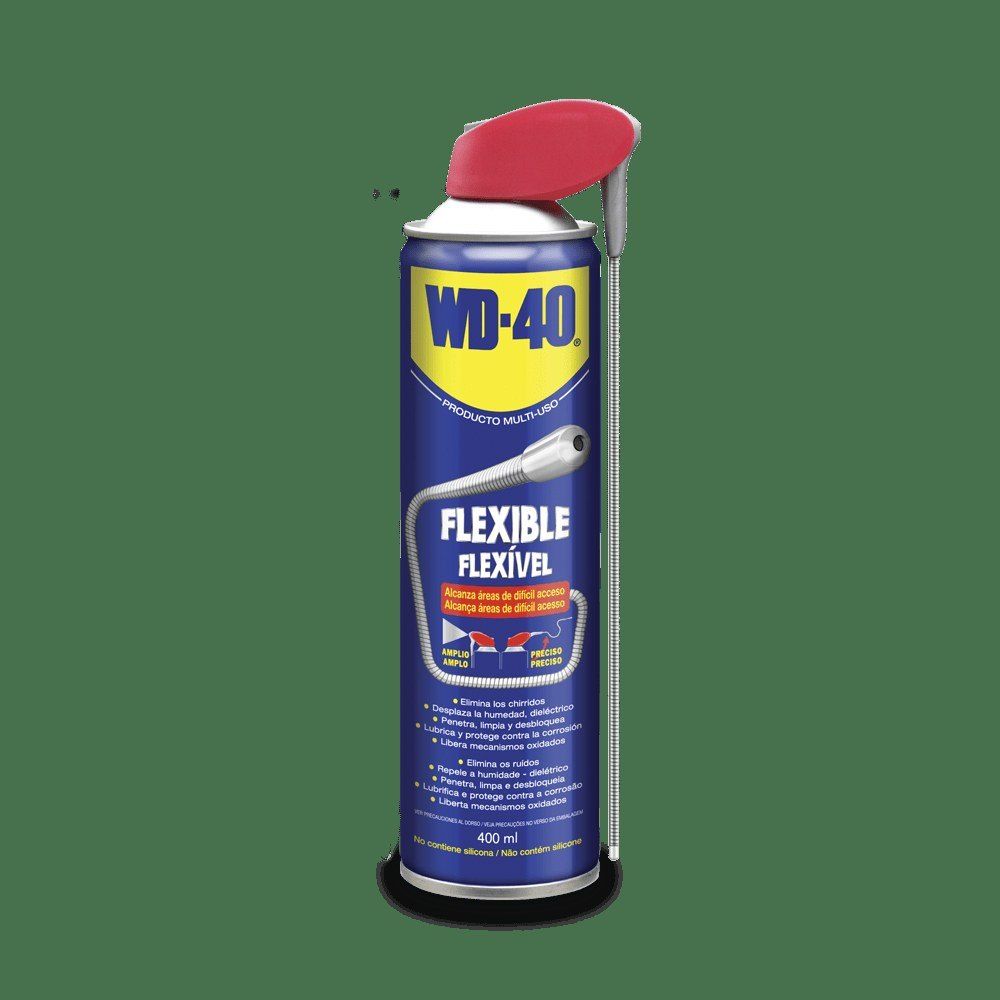
A lock on a summer house or outbuilding may sit untouched until spring. After spraying, apply WD-40 Specialist White Lithium Grease to the shackle and around the keyhole. It forms a dense layer that resists being washed off by rain and helps keep water out.
Tip: The best time to do this is a dry day in late October, before the first frosts. If the lock is already wet, spray WD-40 first to drive out the water, then apply the protective layer.
What next
Repeat the treatment on outdoor locks once a month through winter and after every rainy thaw. Keep a WD-40 100 ml can in your pocket when you are out and about, in case a lock does freeze.
These uses come from the experience of WD-40 users in many countries. Always follow the instructions and warnings on the product label.
More guides in «How to use».