Windows are opened and closed every day, while the hardware gathers dust, outdoor grime and old, thickened lubricant. The result is familiar: the sash squeaks, the handle turns stiffly and the window does not close tightly. Rubber seals dry out and crack over the years, and in winter you start to feel a draught.
Servicing a window takes 10-15 minutes and is most useful twice a year: in spring after winter and in autumn before the heating season. The guide works for uPVC, timber and aluminium windows.
What you will need
Important: Do not spray products onto the glass or onto painted timber frames without testing on a hidden area first. Cover the sill and floor so any excess does not leave marks.
Step 1
Clean the window
Open the sash fully and go round the frame, grooves and hardware with a brush or vacuum. Cover the sill with a cloth or newspaper. If the hinges and locking parts carry a black, thickened deposit, apply WD-40 Multi-Use and wipe it off: it dissolves old dirt and old lubricant that has mixed with dust into an abrasive paste.
Step 2
Stop the hinges squeaking
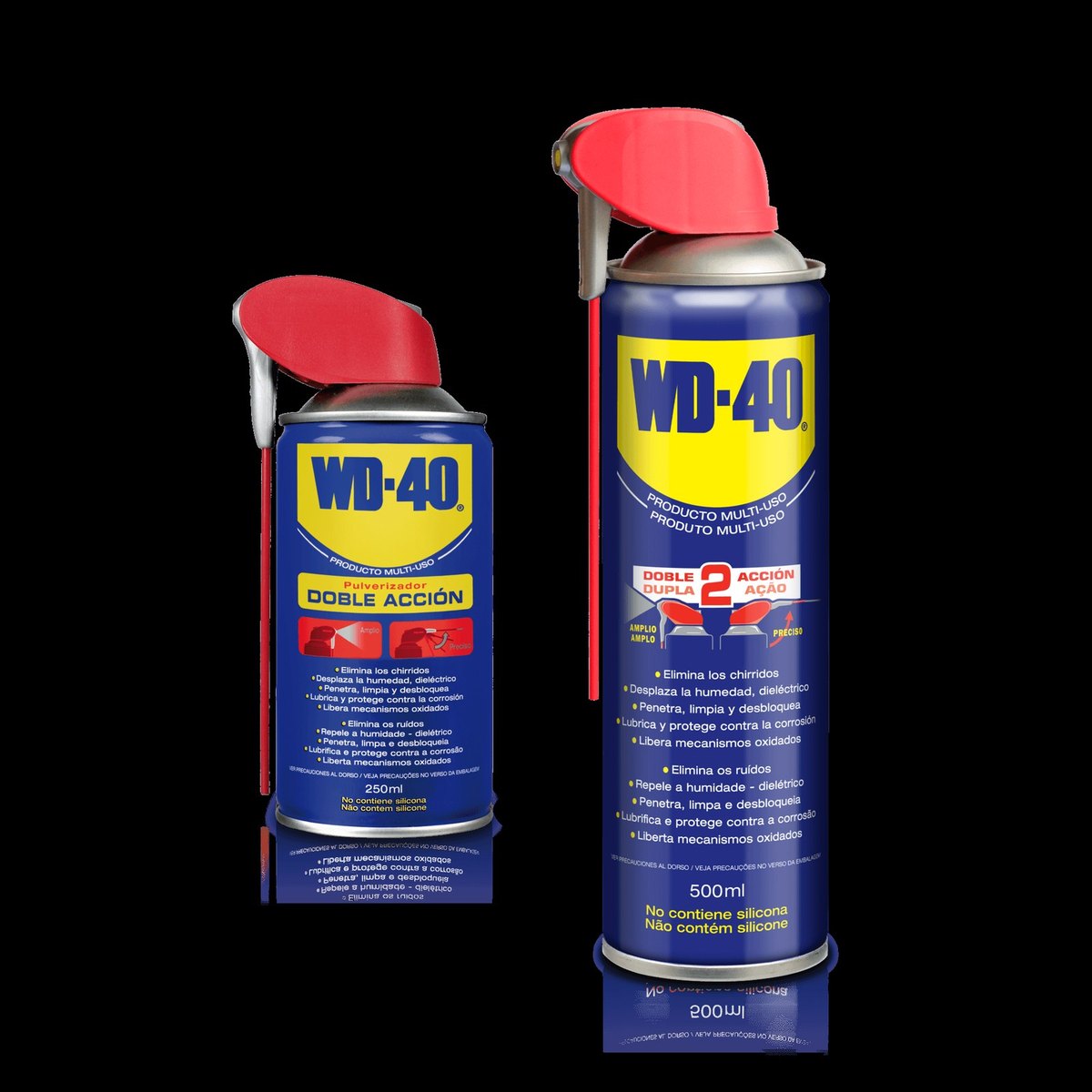
Squeaks start when dust and dirt build up in the hinges. Apply WD-40 Smart Straw to the top and bottom hinge with the straw raised for precision and leave it for a minute. Open and close the sash several times so it works into the joint, then wipe away drips. It also displaces moisture and protects the metal from rust, which matters on windows where condensation forms in winter.
Step 3
Lubricate the hardware all round
On uPVC windows, locking cams slide along the edge of the sash and engage keeps on the frame. Apply WD-40 Smart Straw precisely to every moving part, to the tilt-and-turn stay mechanism and to the handle where it is fixed. Turn the handle through all positions several times and wipe off the excess.
Step 4
Care for the seals
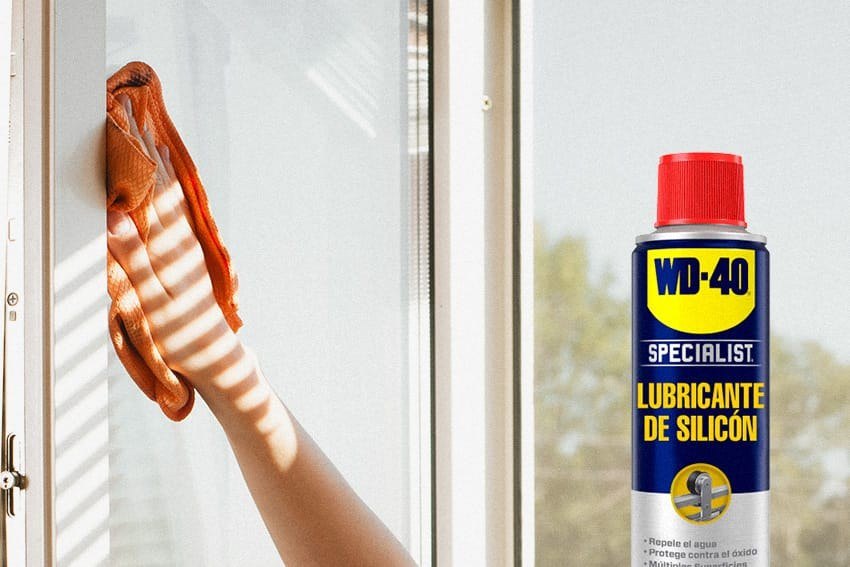
Wipe the rubber seals with a damp cloth and let them dry. Spray WD-40 Specialist Silicone onto a cloth and run it along the whole seal on both sash and frame. Silicone keeps rubber supple, copes with frost and heat from -35 to +200 °C, repels water and dirt, and stops the sash freezing to the frame in winter. A thin coat is enough; wipe off any excess.
Step 5
Check the window works
Open and close the window in every mode. The handle should turn easily, the sash should not squeak and should close tightly. If the sash catches the frame or sags, lubrication will not help: the hardware needs adjusting with an Allen key, or call a fitter.
What next
Service your windows twice a year: in spring when you clean off winter grime and in autumn before the cold. Regular care extends the life of the hardware and seals and keeps the warmth in.
These uses come from the experience of WD-40 users in many countries. Always follow the instructions and warnings on the product label.
More guides in «How to use».