A cargo bike carries children, shopping and work gear, so its frame, wheels and drivetrain take far more load than a normal bike. The large box collects water and dirt, and these bikes often spend the night outdoors or in a hallway, where humidity and temperature swings speed up corrosion.
Most of the maintenance takes about an hour a month and you can do it yourself. Here is a plan to keep your cargo bike working and safe.
What you will need
Important: Keep a dry cloth to hand: if lube gets onto brake discs, pads or rims, wipe it off immediately. Do not inflate the tyres with a compressor, as it is easy to overinflate them.
Step 1
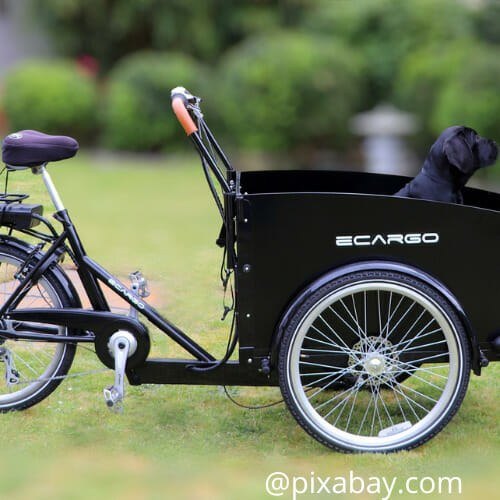
Wash the bike and the box
Once a month, and more often after rainy weeks, wash the cargo bike with warm soapy water. Work from top to bottom: from the bars and box down to the wheels and drivetrain, where most of the dirt is. Use a toothbrush for awkward spots under the box and around the mounts. Dry everything with a microfibre cloth.
Step 2
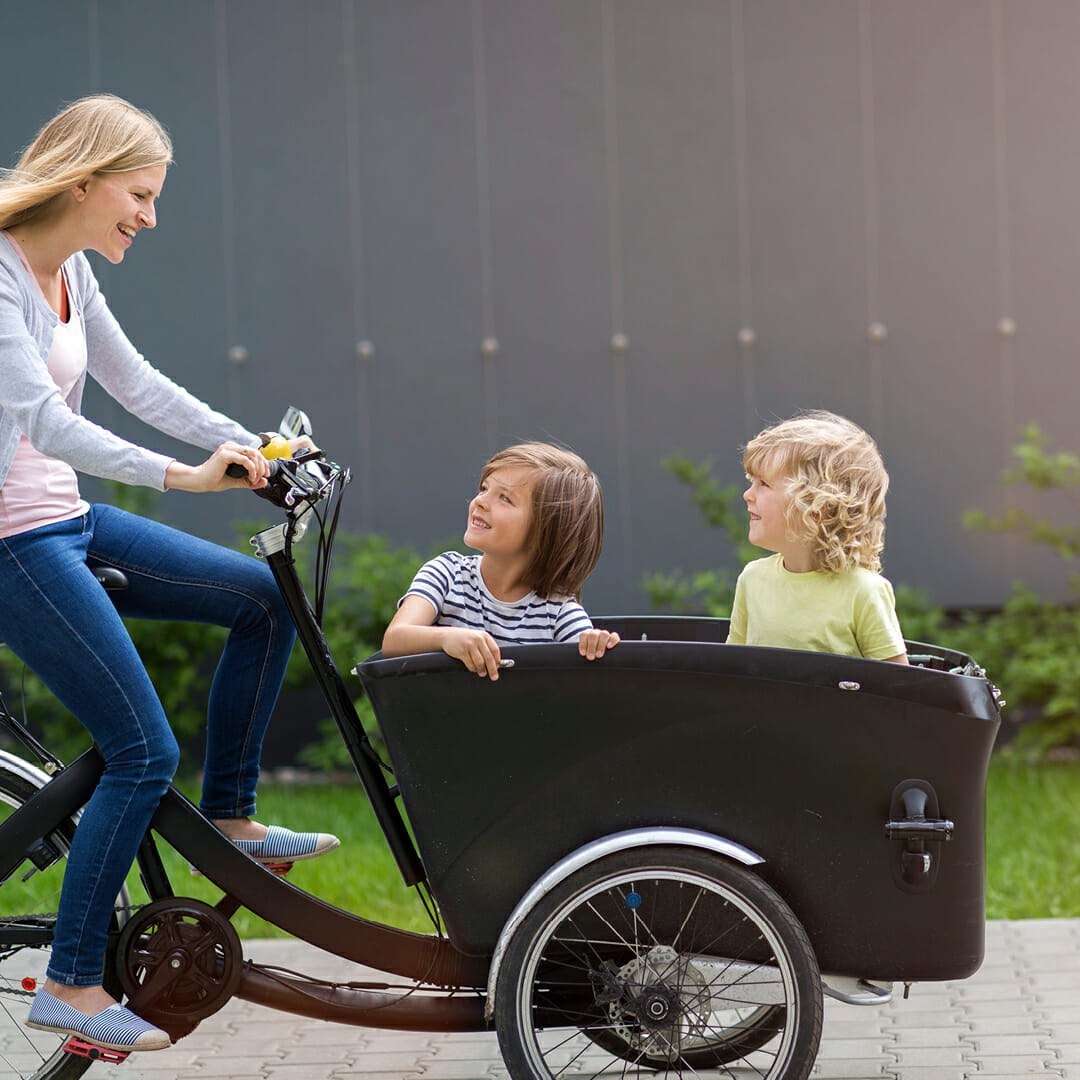
Clean and lube the chain
Apply WD-40 Bike Degreaser to the chain, let it work and brush between the links to remove grit. Rinse and dry. Then apply WD-40 Bike Wet Chain Lube to the inside of the chain, let it soak in and wipe off the excess. Wet lube stays put in the rain and protects against rust.
Step 3
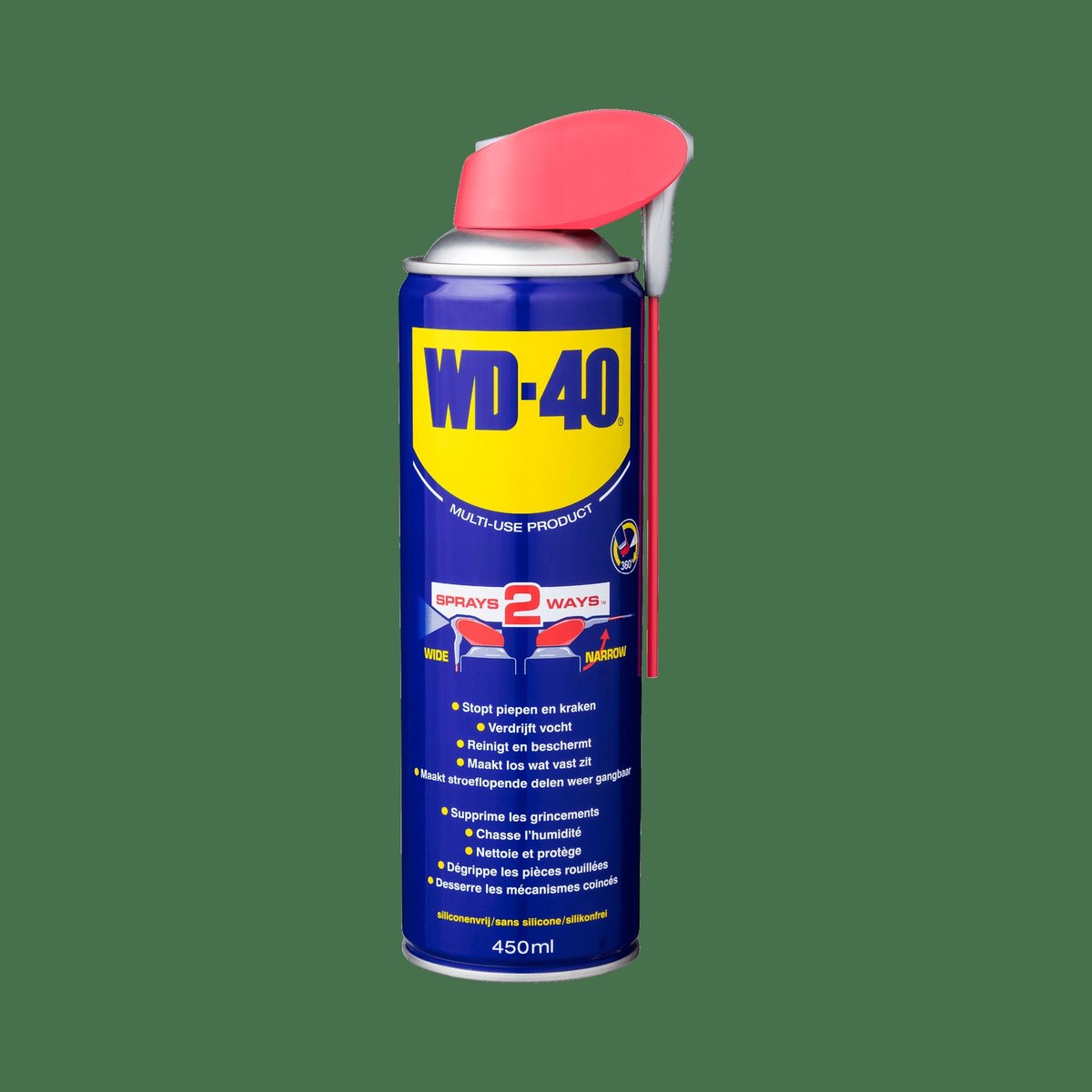
Lubricate moving parts and fittings
With the straw of WD-40 Smart Straw flipped up, treat the box bolts and nuts, lid or door hinges, kickstand, lock, steering pivot and linkage rods if fitted. It drives out moisture and protects the metal from corrosion. Wipe off any surplus with a cloth.
Step 4
Check the box mountings
If the box starts rattling over bumps, the bolts have usually worked loose. Check each one: hold the nut on the other side with an open-ended spanner and tighten with a screwdriver or spanner. Inspect the box floor and the child seat belts for cracks and wear.
Step 5
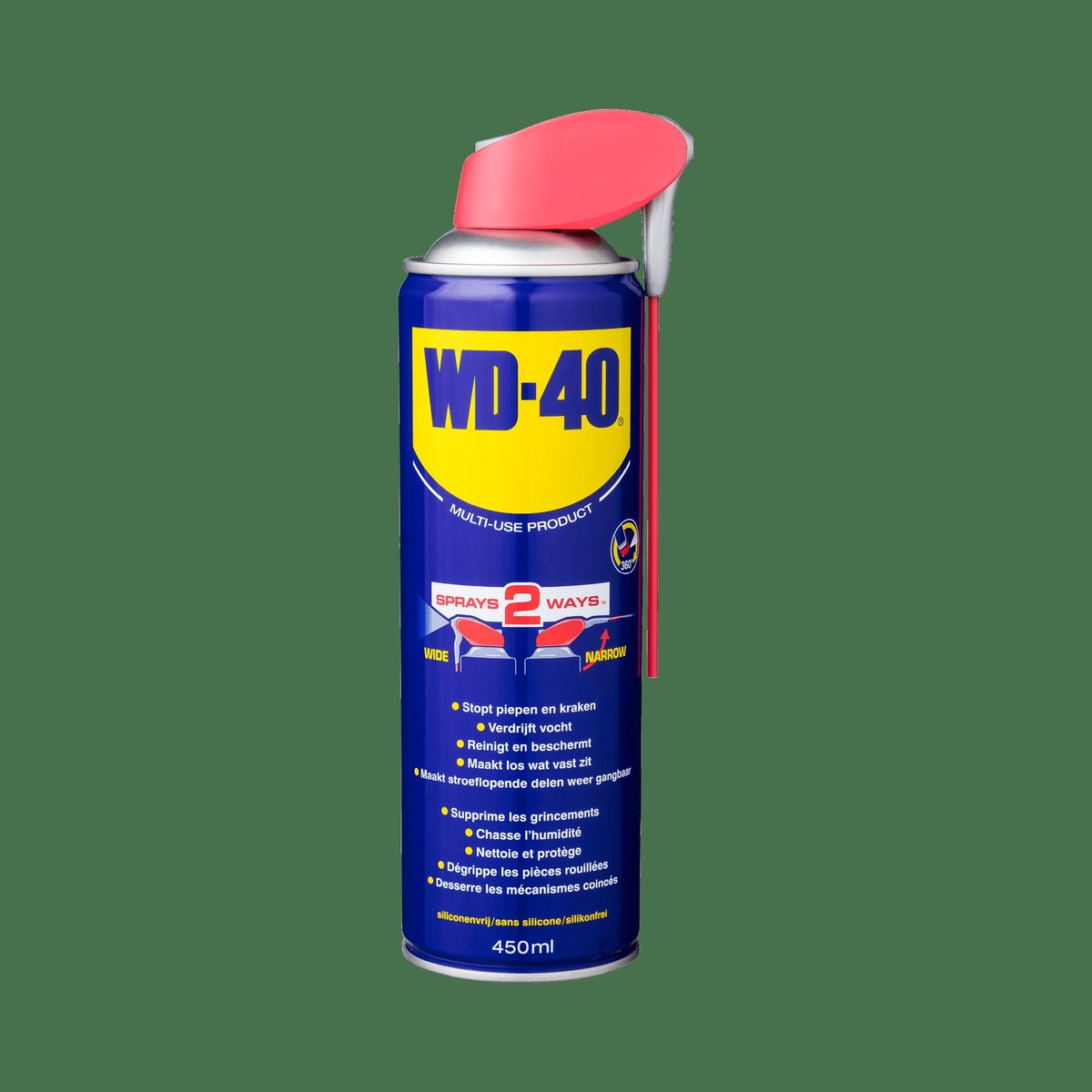
Inflate the tyres
With a heavy load, cargo bike tyres work hard, and low pressure leads to punctures, buckled wheels and broken spokes. Pump them to the pressure shown on the tyre sidewall using a hand pump with a gauge. Firm tyres also make the bike more stable in corners.
Step 6
Store it somewhere dry
The best place for a cargo bike is a dry garage, shed or covered parking. If it has to stay outside, use a cover and treat the chain and bolts after rain. Before a long break, such as winter, give the bike a full wash, lube and check.
Tip: Keep a small kit in the box: a rag and a can of WD-40. Two minutes on the chain and box bolts after a ride in the rain saves hours of fighting rust in spring.
What next
Do the full routine monthly, and lube the chain more often in the rainy season and in winter, when roads are salted. Once a year, have a bike mechanic check the brakes and bearings.
These uses come from the experience of WD-40 users in many countries. Always follow the instructions and warnings on the product label.
More guides in «How to use».