In Ukraine a convertible runs with the top down for only a few months a year; the rest of the time the roof takes rain, snow, road salt, tree pollen and bird droppings. A fabric soft top is the most demanding: it soaks up moisture, fades in the sun, and without lubrication the folding mechanism starts to creak and stick.
Care comes in three parts: gentle washing, a protective fabric treatment and regular lubrication of moving parts and seals.
What you will need
Important: Never wash a fabric roof with a pressure washer or take it through a brush car wash. Keep lubricants off the fabric itself and the rear window, as they will stain.
Step 1
Get the right products ready
Use only dedicated products on a fabric roof: shampoo, stain remover and protector made for convertible tops. General car chemicals can bleach the fabric or strip the factory water-repellent finish.
Prepare two buckets, one with the cleaning solution and one with clean water to rinse the brush. Wash the car in the shade with the roof cool.
Step 2
Wash the roof by hand
First brush out dust, pollen and leaves with a dry soft brush. Then wet the roof and work the solution in with a soft brush, moving in one direction along the weave without pressing hard. Use stain remover strictly as the maker directs.
Rinse thoroughly with clean, low-pressure water and blot dry with a microfibre towel. Let the roof dry completely before folding it.
Step 3
Apply a protective treatment
Treat the clean, dry roof with a soft-top protector. It contains UV filters and forms a water-repellent layer, so the fabric does not soak up rain, fades less and keeps its colour longer. Apply evenly, masking glass and paintwork against overspray, and repeat several times a year, especially before autumn and winter.
If you would rather not do it yourself, detailing studios apply similar coatings.
Step 4
Shield the roof from the weather
A garage is the best protection, especially in winter when snow mixed with road salt lands on the roof. If you have no garage, use a breathable car cover: it keeps off rain and sun without trapping moisture underneath. Do not leave snow and ice on the fabric; remove them with a soft brush.
Step 5
Lubricate the mechanism and seals
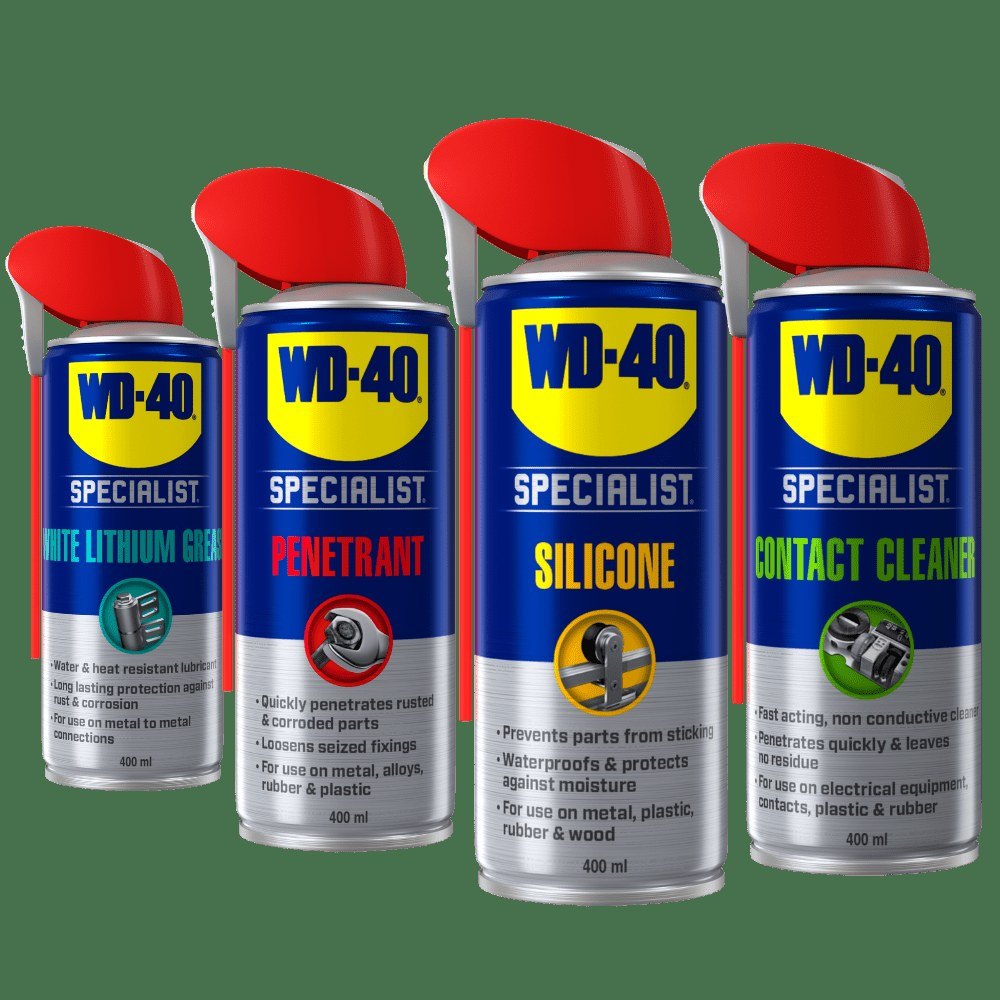
After every wash, lubricate the roof's moving parts with WD-40 Specialist Silicone; the thin straw lets you dose it precisely. Start opening the roof and stop it halfway to reach the seals and hinges. Apply the lubricant and wipe off any excess straight away with microfibre. Then open the roof further to expose the remaining joints and repeat.
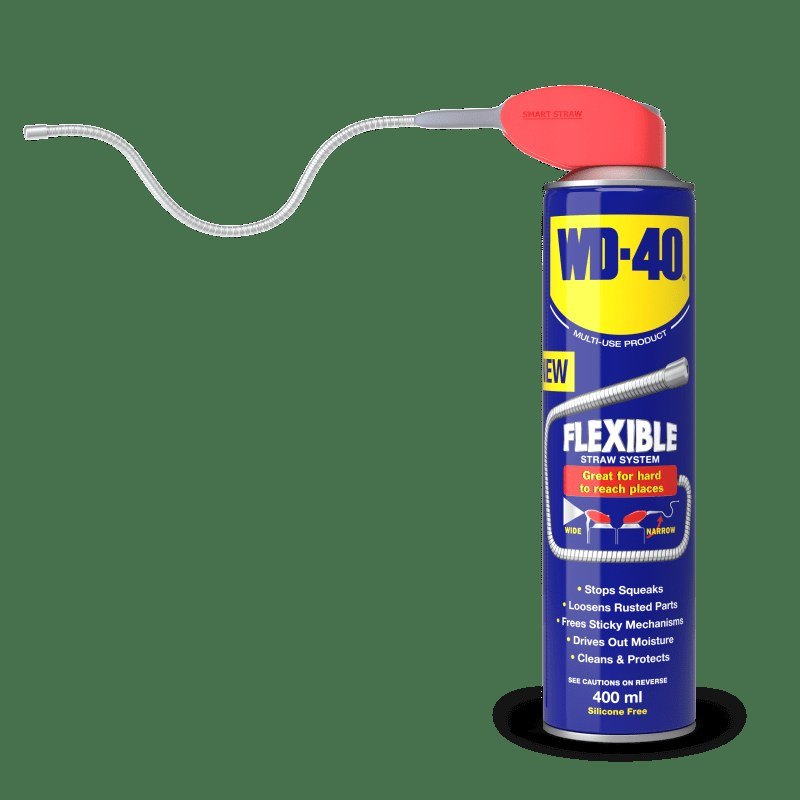
Silicone keeps rubber supple, stops seals freezing to the frame in winter and cures squeaks. Metal hinges and links that already creak or show rust should first be treated with WD-40 Smart Straw through the straw, then finished with silicone.
Tip: Before the frosts, treat roof and door seals with
silicone lubricant: a frozen seal tears easily when you try to open a door or the roof, and replacements are expensive.
What next
Wash the roof as needed, renew the protector several times a year and lubricate the mechanism after every wash. Leave the electric drive and hydraulics to a scheduled service check.
These uses come from the experience of WD-40 users in many countries. Always follow the instructions and warnings on the product label.
More guides in «How to use».