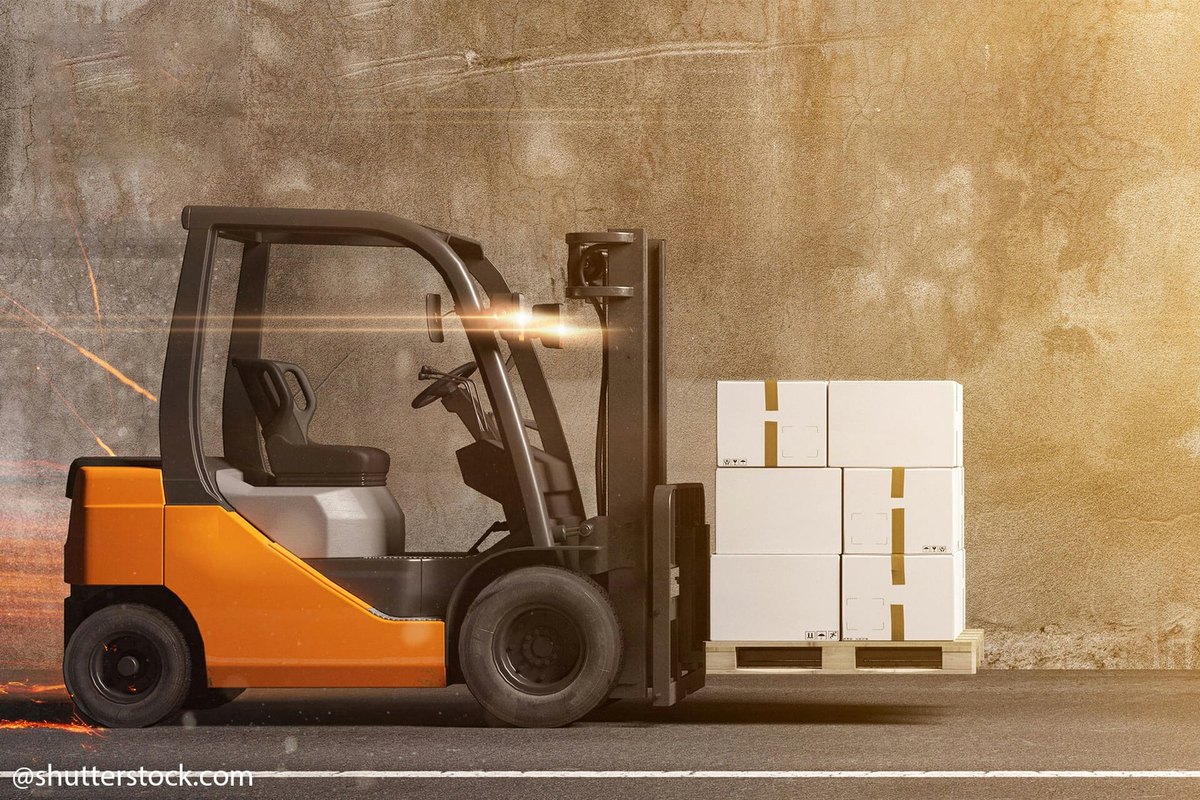
A forklift works under heavy load every day, and any fault in the chains, forks or brakes can mean injuries and damaged goods. Planned maintenance should therefore follow the manufacturer's schedule and workplace safety rules, with major repairs left to certified technicians.
Before every shift, the operator should quickly check the wheels, the condition and stability of the forks, the brakes and warning devices, and look for hydraulic leaks. Below are the main areas that need regular attention.
What you will need
Important: Carry out all work with the forklift switched off, forks lowered, key removed and, on electric trucks, the battery disconnected. Never work under a raised carriage without secure supports. Keep lubricants away from brake components and tyres.
Step 1
Clean and lubricate the mast chains
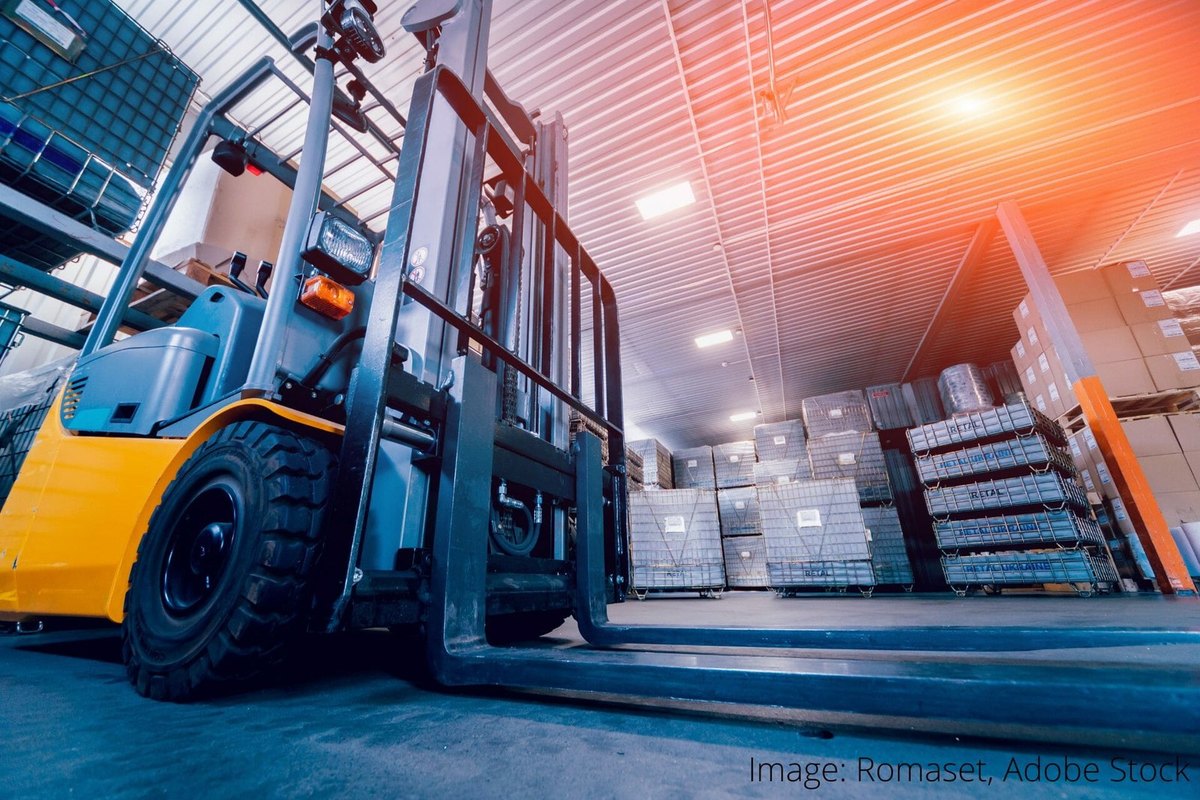
Lift chains should be inspected at least every three months, or more often if the manufacturer requires it. They must never be washed with water or solvents, only blown clean of dust and dirt with compressed air.
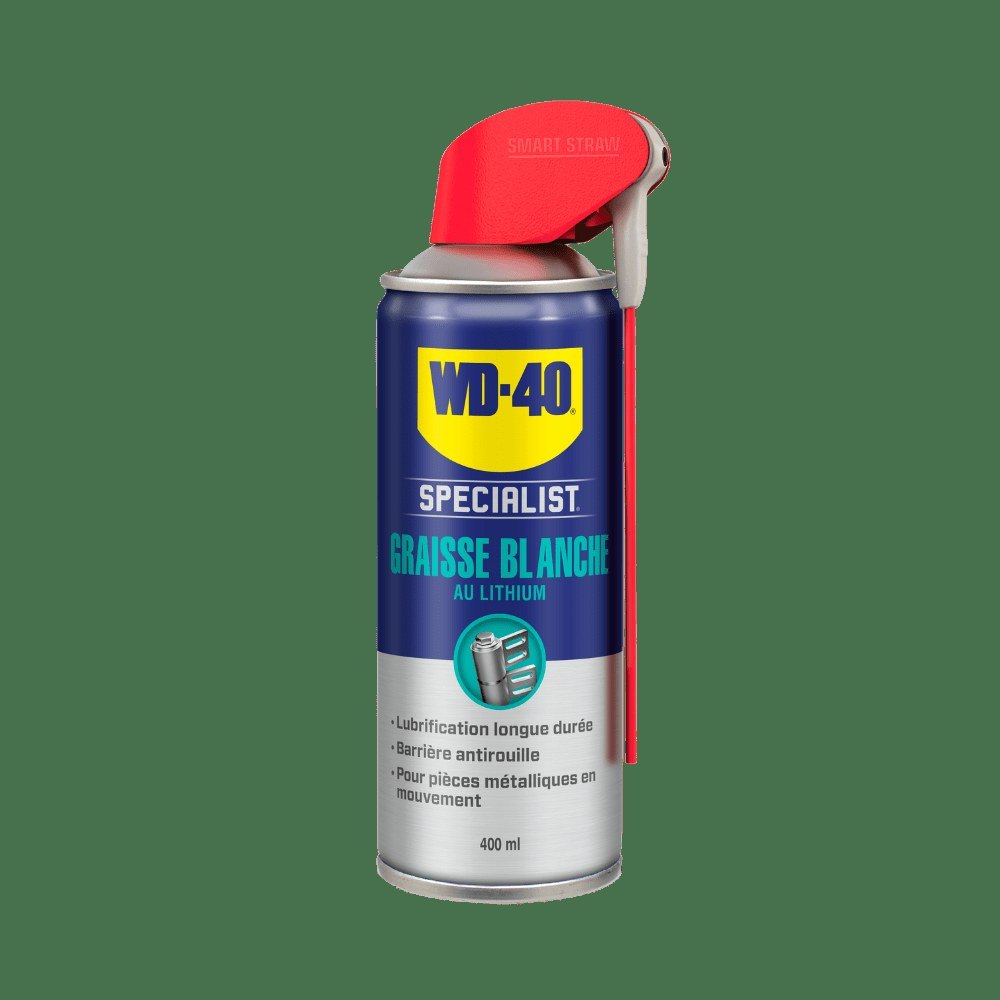
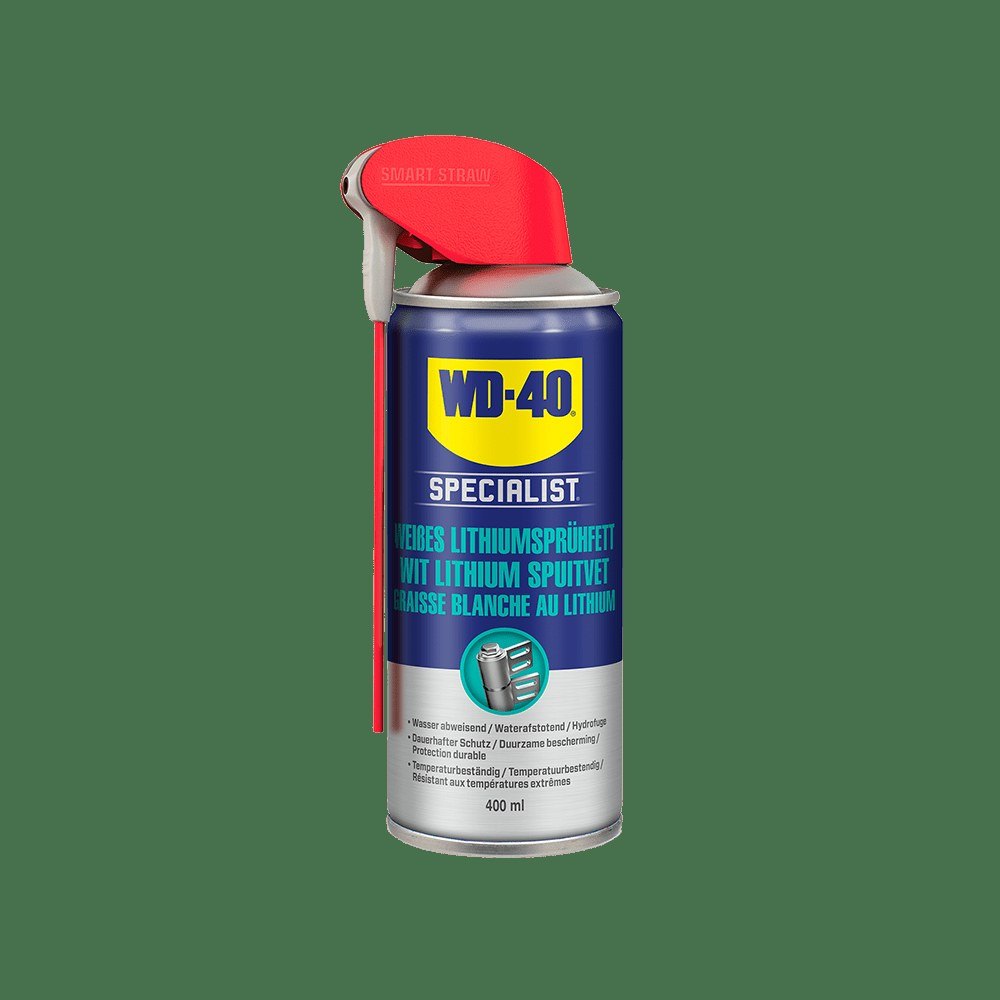
After cleaning, apply WD-40 Specialist White Lithium Grease along the chain so it penetrates the link pins. The thick formula clings to metal, does not drip, withstands moisture and heat and reduces friction in heavily loaded mechanisms indoors and out.
Step 2
Decide whether the chain needs replacing
Measure the elongation with a gauge. If any section or individual links have stretched by more than 5%, the chain must be replaced. The same applies to chains with deformed links or signs of cracking.
Only buy a replacement chain to the forklift manufacturer's specification.
Step 3
Inspect the forks
Look for cracks and deformation, especially around the heel. The difference in tip height must not exceed 3% of the fork length, the heel thickness must be at least 90% of the original, and the fork angle must not exceed 93°.
A fork that fails any one of these checks must be taken out of service.
Step 4
Check the steering and brakes
Check for play in the steering box, the precision of the linkages and any slack in the pins. Inspect the bearings and grease them with white lithium grease if needed. On chain steering, carry out the same checks as for the mast chains. On hydraulic steering, inspect the hoses and look for leaks.
Always check the tyres, brake fluid level, leaks and pad wear. No lubricants here, only inspection and replacement of worn parts.
Step 5
Look after the frame, cab and electrics
Check the cab mounting points, lifting points, overhead guard, glass, doors, pedals and controls, lights, warning devices and wipers. A clean cab is part of safety too: dirt on pedals and handles leads to mistakes.
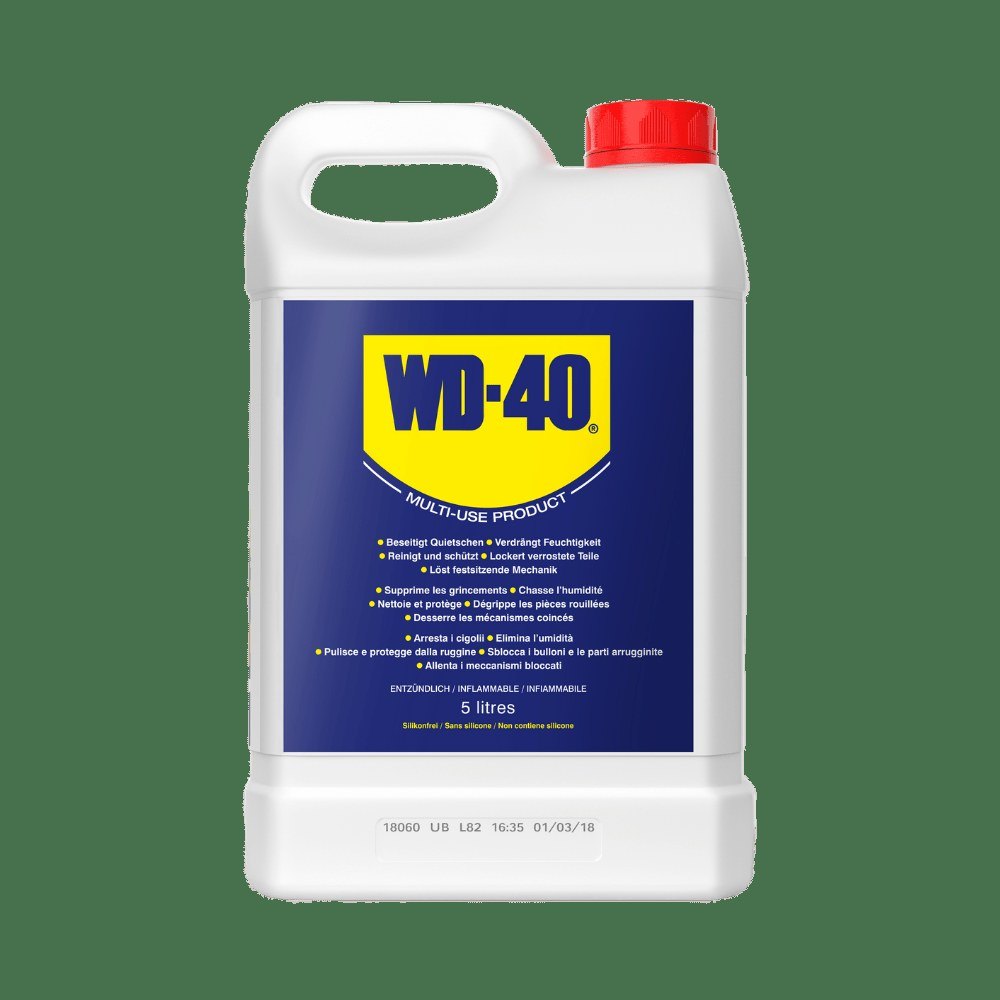
Treat exposed metal parts of the frame in unheated warehouses or outdoors with WD-40 Multi-Use from the 5 L sprayer against moisture and corrosion. Clean connectors, terminals and contacts on electric trucks with WD-40 Specialist Contact Cleaner with the power isolated.
Tip: Any modification that affects capacity or safety must be approved by the manufacturer in advance, and the rating plates updated afterwards. Keep a service log for each truck: dates of chain lubrication, measurements and replacements make it easier to plan repairs without downtime.
What next
Repeat chain lubrication and fork inspection every quarter, and make the pre-shift check a habit for every operator. For a warehouse or fleet, keep WD-40 Specialist White Lithium Grease and WD-40 in a 5 L can close at hand.
These uses come from the experience of WD-40 users in many countries. Always follow the instructions and warnings on the product label.
More guides in «How to use».