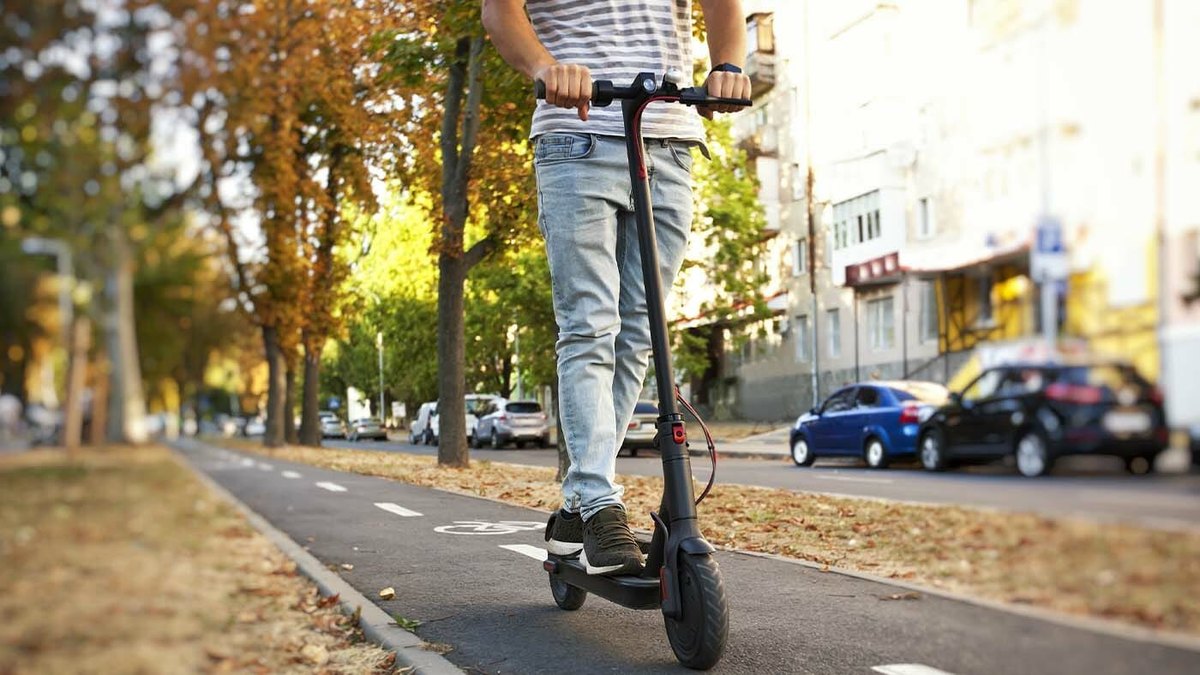
A kick scooter is no longer just a child's toy: people ride to school, to the metro and to work, then fold it up and carry it. The more you use it, the sooner dirt, sand and moisture show up as squeaks, play and a stiff fold.
A scooter has four main moving parts: the folding mechanism, the handlebar height clamp, the brake and the wheels with their bearings. Inspect, clean and lubricate them every month or two and tighten the fixings. After winter puddles and pavement salt, do it more often.
What you will need
Important: Keep lubricant off the wheel surfaces, the deck and the part of the brake that touches the wheel: they must stay dry or the brake will lose grip and the deck will become slippery.
Step 1
Lubricate the folding mechanism
At the bottom of the steering column is a lever or latch that locks the scooter open. With wear and dirt, it becomes stiff and starts to stick.
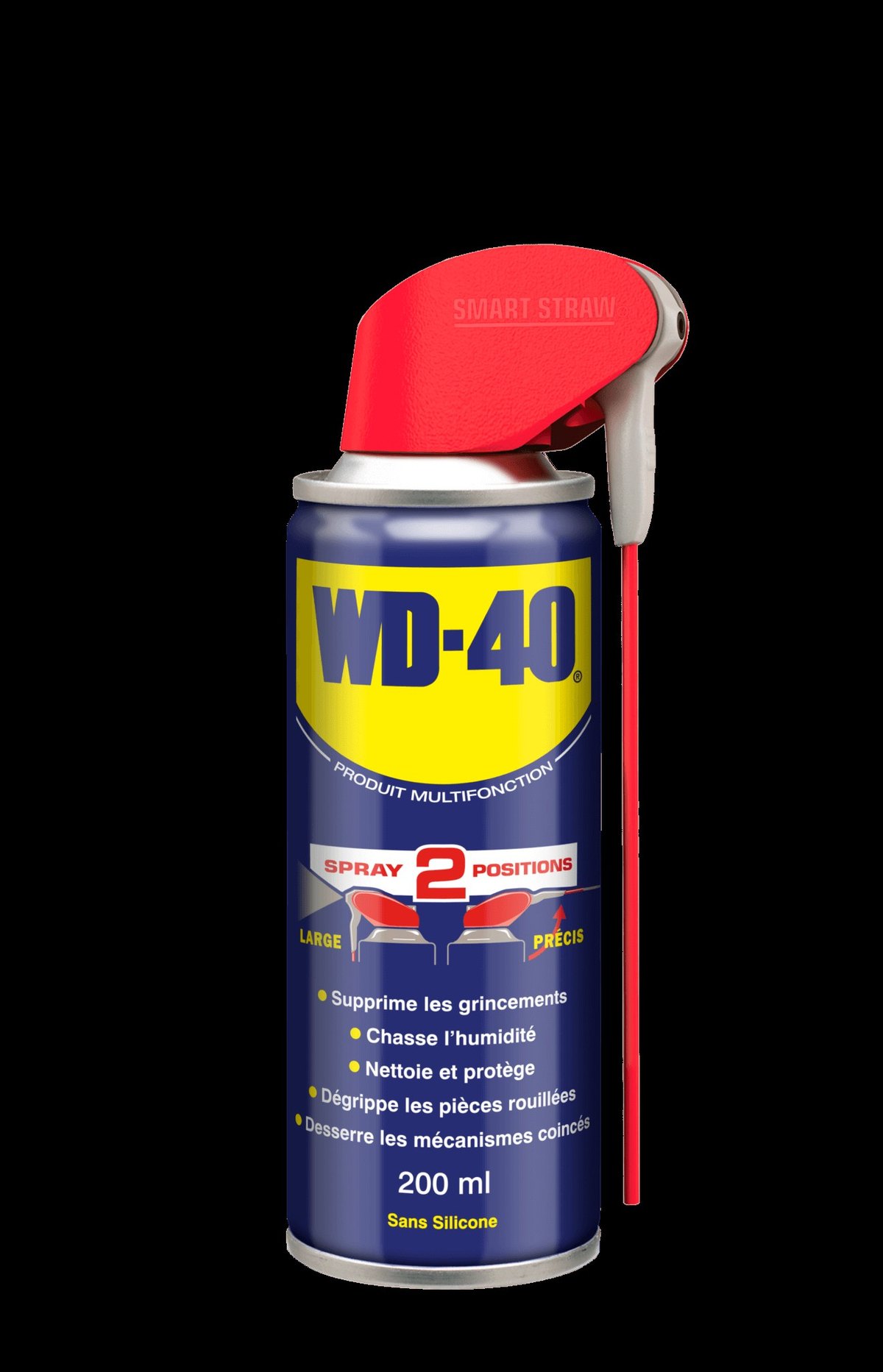
Flip up the straw on WD-40 Smart Straw and spray precisely into the base of the lever and the release button. Fold and unfold the scooter several times so it works into the mechanism, then wipe off the excess.
Step 2
Treat the height adjustment clamp
The handlebar tube has a clamp or push button for adjusting the height. Spray a little WD-40 Smart Straw onto the mechanism, slide the tube up and down a few times and close the clamp.
Afterwards the height adjusts more easily and the clamp does not seize. Check the handlebar is locked securely with no play.
Step 3
Lubricate the brake mechanism
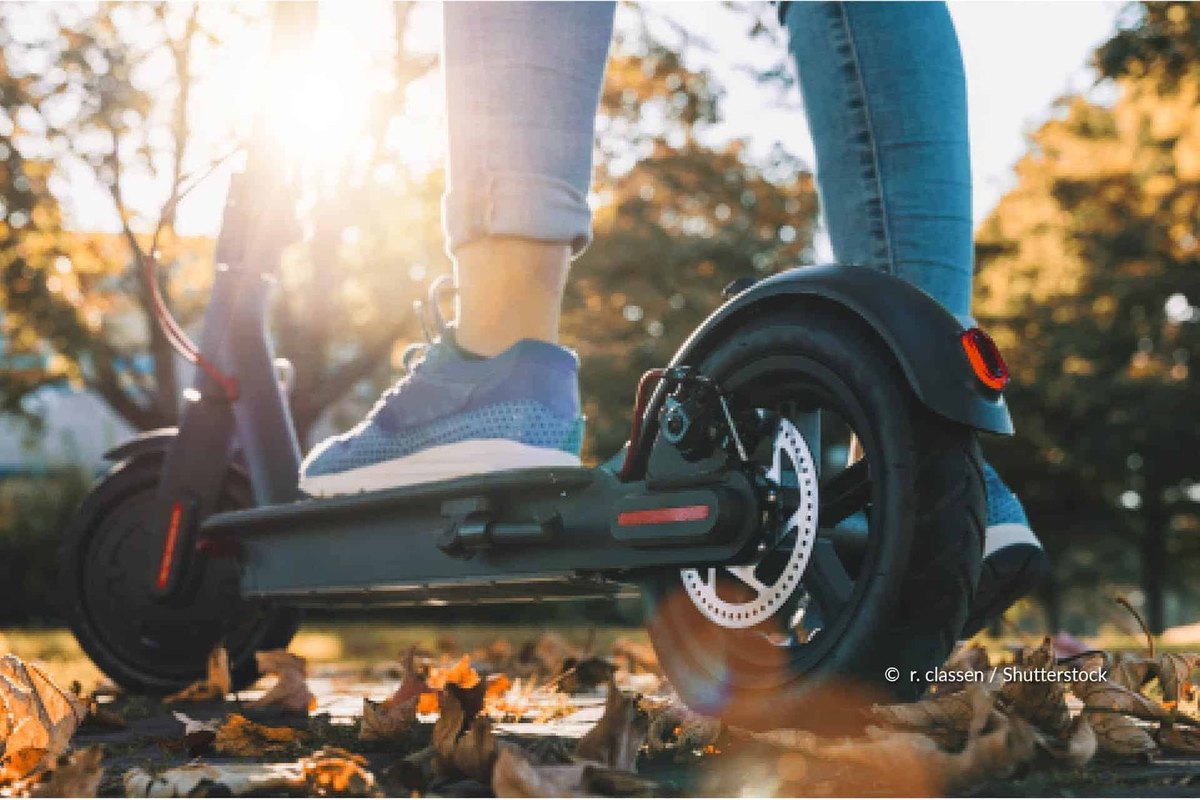
A metal rear brake mechanism needs lubricating too. Apply to the brake pivot and spring, not to the surface that presses on the wheel, and press the brake several times with your foot.
This frees up the movement and protects the metal from rust. Wipe the brake surface and wheel with a dry cloth so no lubricant remains on them.
Step 4
Clean and grease the bearings
WD-40 Multi-Use is not a long-term bearing lubricant; here it serves as a cleaner. Remove the wheels, carefully take out the bearings and flush them with WD-40 Multi-Use, spinning them until the old dirt comes out. Let them dry completely.
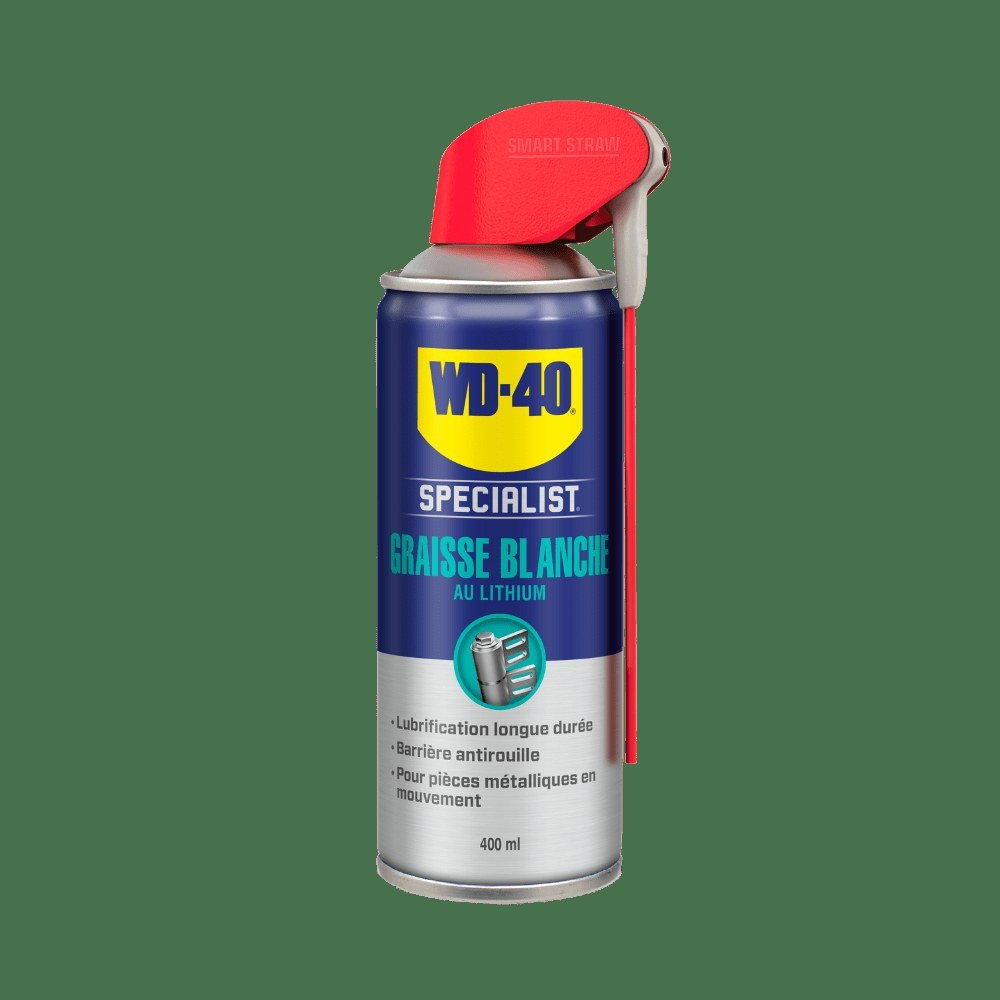
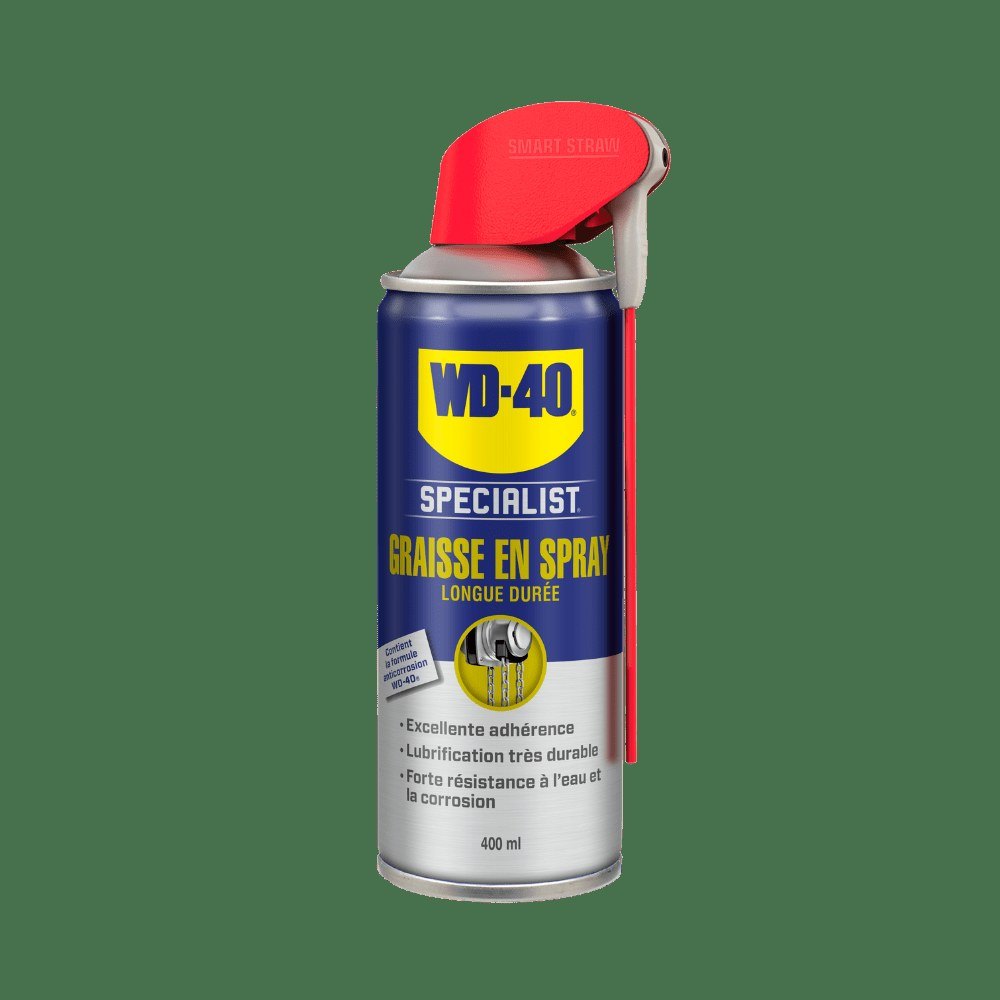
Then pack the bearings with WD-40 Specialist White Lithium Grease: it does not drip and resists water from puddles. Service the headset bearings the same way if the steering feels stiff or gritty.
Step 5
Tighten all the fixings
Check and tighten the bolts and nuts on the wheel axles, folding mechanism, headset and handlebar clamp. You will usually need a 13 mm spanner and 3, 4 and 5 mm Allen keys.
Do not overtighten the axles: the wheel should spin freely without side play. Secure fixings keep the scooter stable and safe.
Step 6
Store it properly
Keep the scooter indoors in a dry place rather than on a balcony or in a stairwell. Do not wrap it in plastic sheeting: condensation forms underneath and the metal rusts even faster.
After riding through puddles, wipe the scooter down and lightly treat exposed metal parts with WD-40 Multi-Use: it displaces moisture and leaves a protective film against corrosion.
Tip: If the scooter starts squeaking on the way, do not wait for a full service. A quick shot of
WD-40 Smart Straw into the folding mechanism fixes it in a minute.
What next
Inspect, clean and lubricate every 1-2 months and service the bearings twice a season or after a thorough soaking. If you ride an electric scooter, see also our guide to changing its tyre, and keep WD-40 Specialist White Lithium Grease for other heavily loaded pivots.
These uses come from the experience of WD-40 users in many countries. Always follow the instructions and warnings on the product label.
More guides in «How to use».