An elliptical trainer is a sizeable investment, so it deserves the same care as a car. Regular maintenance keeps the stride smooth, quiet and precise for years, and most of the jobs take only a few minutes.
The routine is simple: a quick wipe after every workout, a thorough clean two or three times a year, and lubrication of the moving joints about once a year or as soon as a squeak appears. Before you start, check your model's manual, as the manufacturer may have its own requirements for cleaning products.
What you will need
Important: Always switch the trainer off and unplug it before any work. Never apply lubricant to the pedals, handrails or grips: they must stay dry so your feet and hands do not slip.
Step 1
Wipe the trainer down after every workout
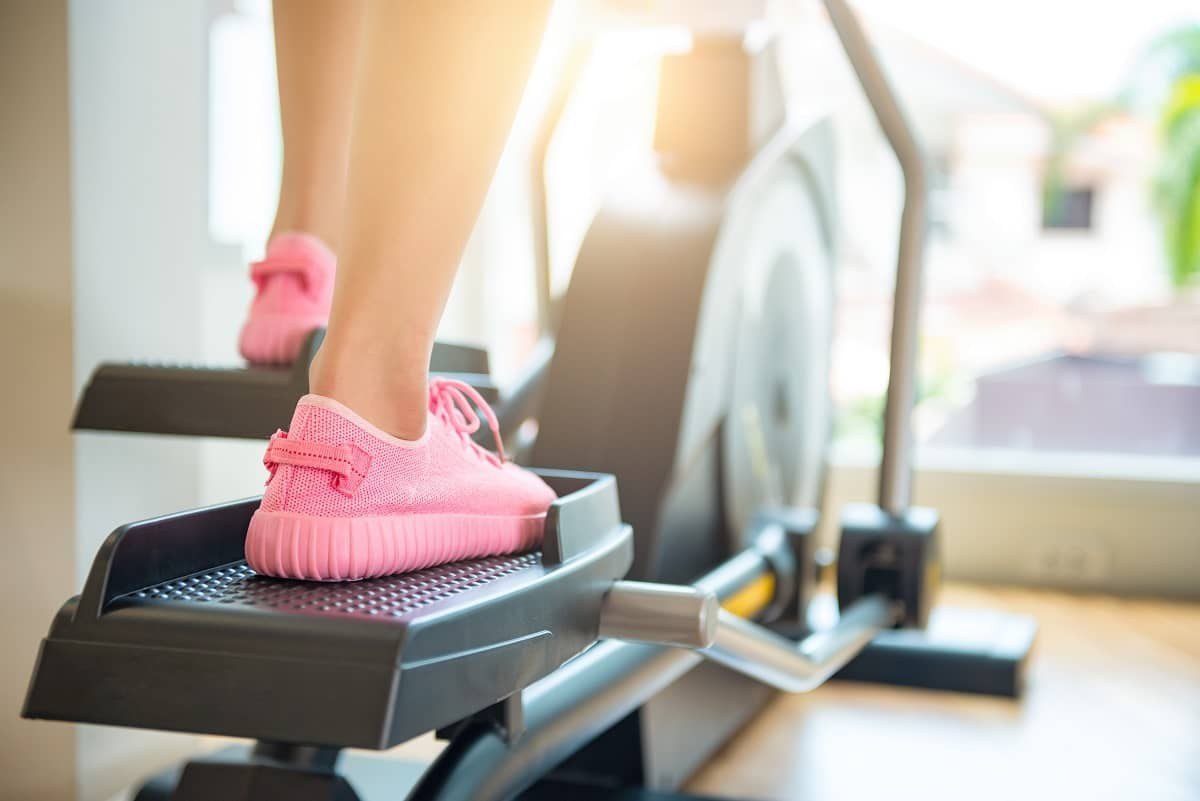
Sweat contains salts and ammonia that slowly damage plastics, paint and metal parts. After each session, wipe the elliptical with a damp cloth, paying special attention to the console, grips and pedals, then dry it off.
Clean the display with a barely damp cloth only: water must not seep into the electronics.
Step 2
Deep clean two or three times a year
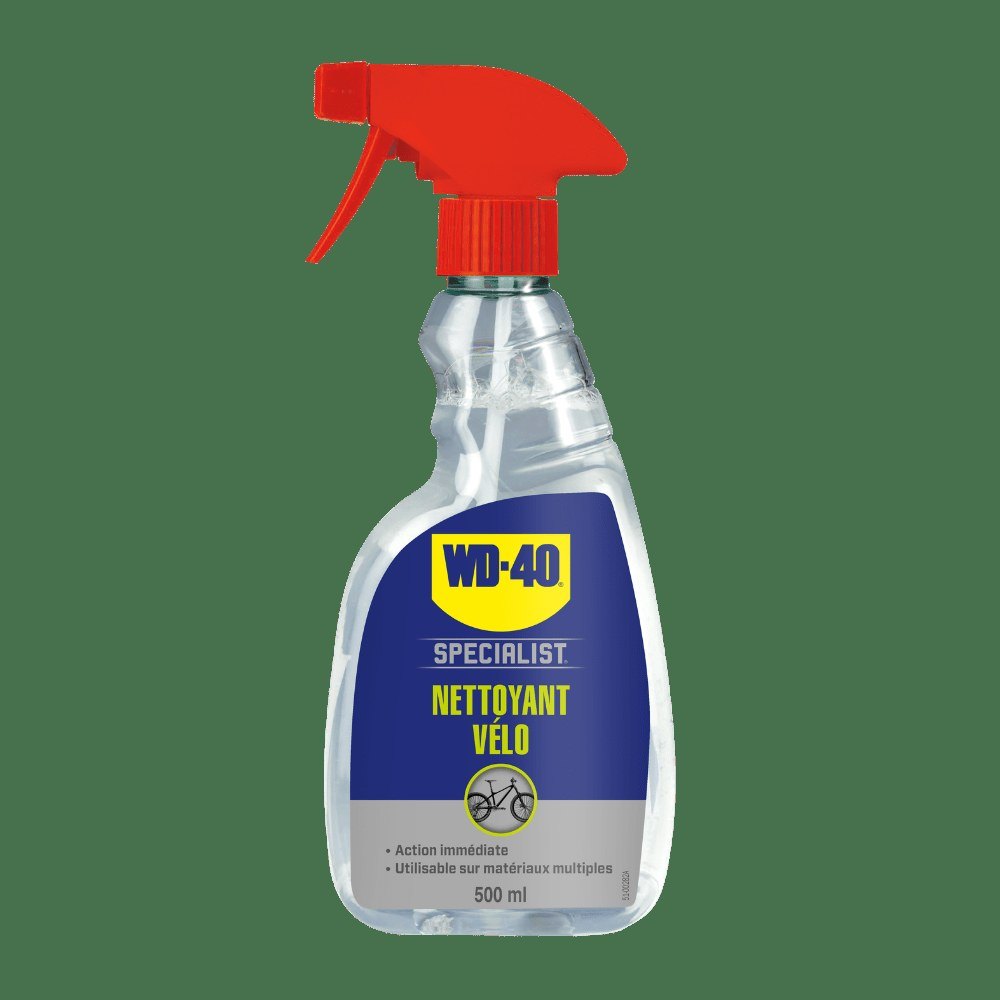
How often depends on how much you train. Apply a mild detergent solution to the housing and frames, leave it for a few minutes, work over every surface with a sponge or cloth, then remove the residue with a damp cloth and dry thoroughly.
Also clear dust and pet hair from under the machine and around the flywheel: they get drawn into the mechanism and speed up wear.

Step 3
Check stability and tighten the fixings
Before each session, make sure the elliptical stands level and does not rock. Adjust the levelling feet if needed.
Once or twice a year, go over every bolt and screw with a spanner and Allen key. Vibration gradually loosens them, and any play causes knocking and a risk of injury. If a bolt is seized, apply WD-40 Multi-Use, wait a few minutes and then undo it.
Step 4
Lubricate the moving joints
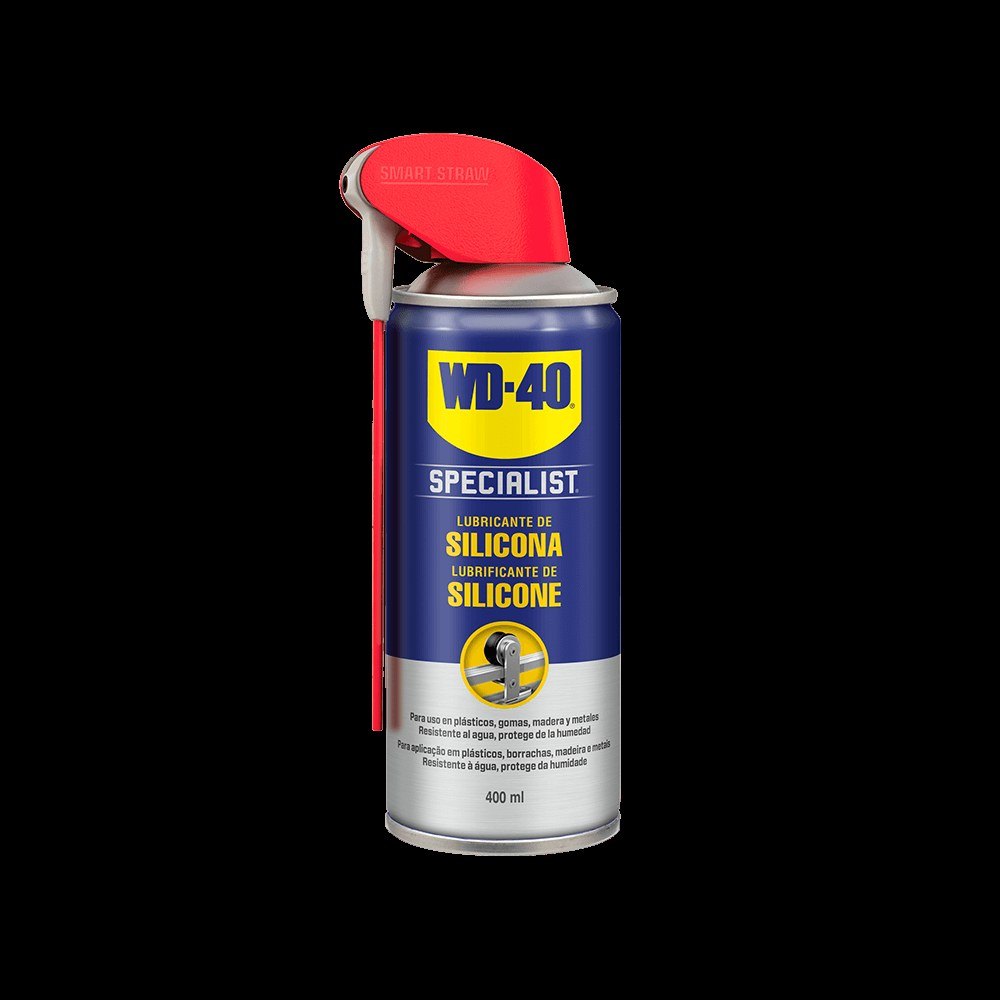
For a smooth, squeak-free stride, treat the pivots, rails and pedal mountings with WD-40 Specialist Silicone lubricant. It does not attract dust, is safe on most plastics and rubber, and leaves a thin slippery film.
One short spray per point is enough. Wipe off any excess straight away so it does not reach the floor or pedals. Check the manual first to confirm the manufacturer allows silicone products.
Tip: If the trainer lives on a balcony, in a garage or in an unheated room that gets damp in winter, lightly treat exposed metal bolts and threaded joints with
WD-40 Multi-Use every few months: it keeps rust away and makes the next service easier.
What next
Lubricate the elliptical about once a year or whenever you hear a squeak, and check the fixings every six months. The same logic applies to a treadmill or exercise bike: use WD-40 Specialist Silicone for belts and rails and WD-40 Multi-Use for metal joints and bolts.
These uses come from the experience of WD-40 users in many countries. Always follow the instructions and warnings on the product label.
More guides in «How to use».