Looking after your saw properly saves money on repairs and replacement blades. Many people think it is a long and complicated job, but in reality it comes down to a few simple steps after each use.
The main enemies of a saw are wood resin, dust, humidity and dull teeth. This guide covers hand saws and bow saws as well as jigsaw and circular saw blades.
What you will need
Important: Wear thick gloves: the teeth are sharp even on an old blade. Always unplug a power saw or remove its battery before cleaning.
Step 1
Clean the saw after every use
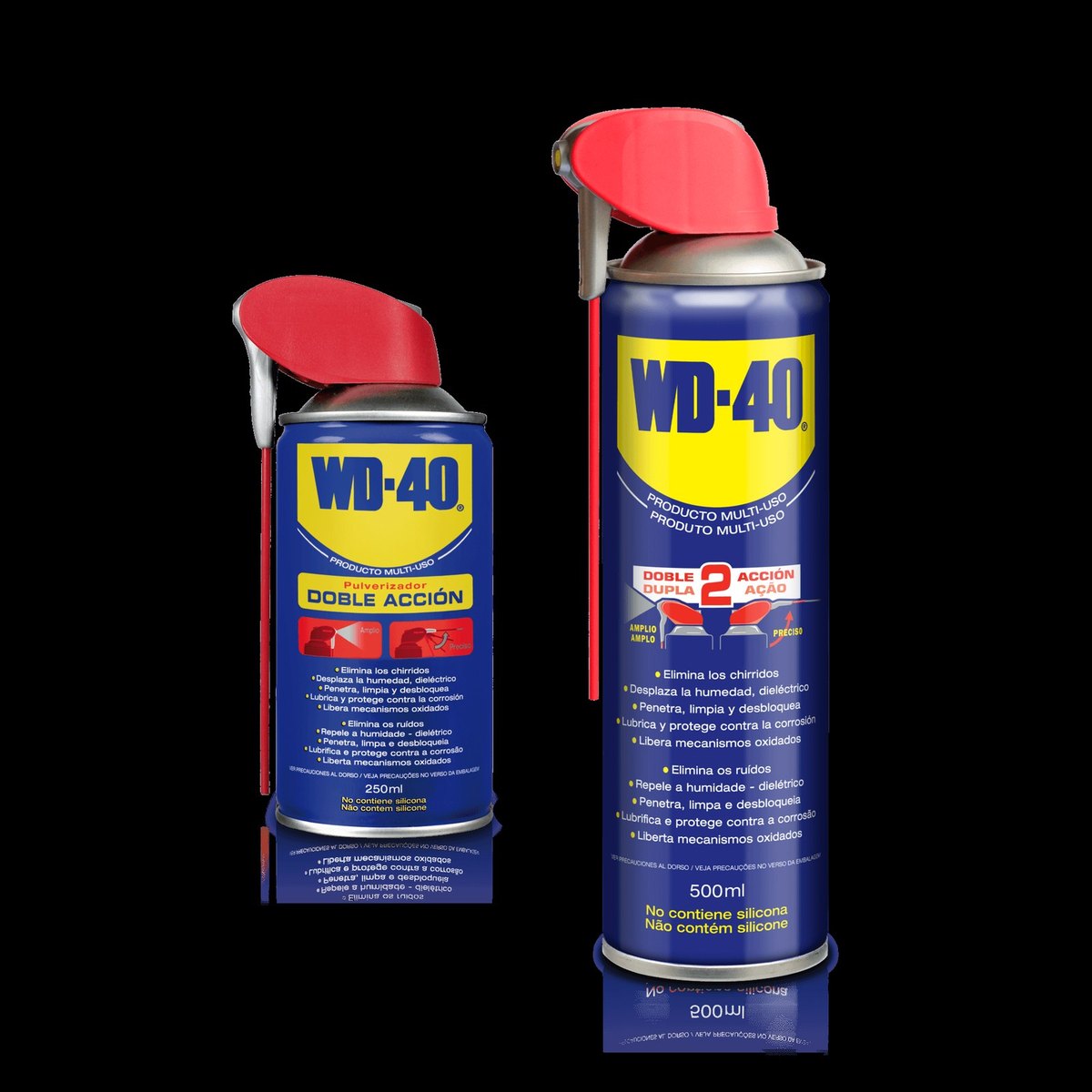
After work the blade is left with sawdust, resin and dirt that harden over time and slow the cut. Spray WD-40 Multi-Use onto the blade and body, wait a couple of minutes and wipe off the softened deposits with a rag.
Build-up between the teeth is often stubborn. Use a nylon brush: it removes resin without scratching the metal or affecting the tooth set, unlike a steel brush.
Step 2
Protect against moisture and rust
Over time dust and humidity cause rust, especially in unheated sheds and garages where condensation forms every autumn and spring. Store the saw somewhere dry, ideally in a sleeve or on a wall rather than on the floor.
Every few weeks, and always before winter storage, wipe the blade with WD-40 Multi-Use. It displaces moisture and leaves a thin protective film. The compact WD-40 200 ml can fits easily in a toolbox.
Step 3
Lubricate the blade for a smooth cut
A clean blade treated with a thin coat of WD-40 Specialist Silicone passes through timber more easily, runs cooler and collects less resin and dust, because silicone is not tacky.
Spray from 15-20 cm, let it dry for a minute and wipe off any excess so the workpiece is not marked before painting or varnishing.
Step 4
Keep the teeth sharp
A dull saw tears fibres, wanders off line and takes more effort. Clamp the blade in a vice so it cannot move, with the teeth at a right angle to the supporting surface.
File each tooth with the same number of strokes, keeping the original angle. Carbide-tipped blades and circular saw discs are best sent for machine sharpening.
Tip: Before cutting metal with a hacksaw, put a little
WD-40 Multi-Use on the cutting line: the blade runs cooler and stays sharp for longer.
What next
Clean the saw after every job, apply protection once a month and before seasonal storage, and sharpen as needed. Your saw will then last for years without rust or sticking.
These uses come from the experience of WD-40 users in many countries. Always follow the instructions and warnings on the product label.
More guides in «How to use».