Alloy wheels are the first to collect brake dust, road grime, tar and the de-icing salt spread on roads in winter. Left alone, the dust etches into the lacquer, stains and corrosion appear on the rims, and the wheel loses its looks far sooner than it should.
Regular care takes only a few minutes per wheel during a normal car wash. Here is how to remove stubborn deposits step by step without affecting the brakes or tyres.
What you will need
Important: Keep WD-40 off brake discs, pads and tyre treads. Apply the product to a cloth only, never spray it at the wheel. Work on cool wheels, not straight after a drive.
Step 1
Let the wheels cool down
After a drive the brakes and wheels are hot, so cleaners dry quickly and leave streaks. Park in the shade and wait 20-30 minutes. In winter it is best to work in a garage or a heated wash bay.
Step 2
Pre-wash the wheels
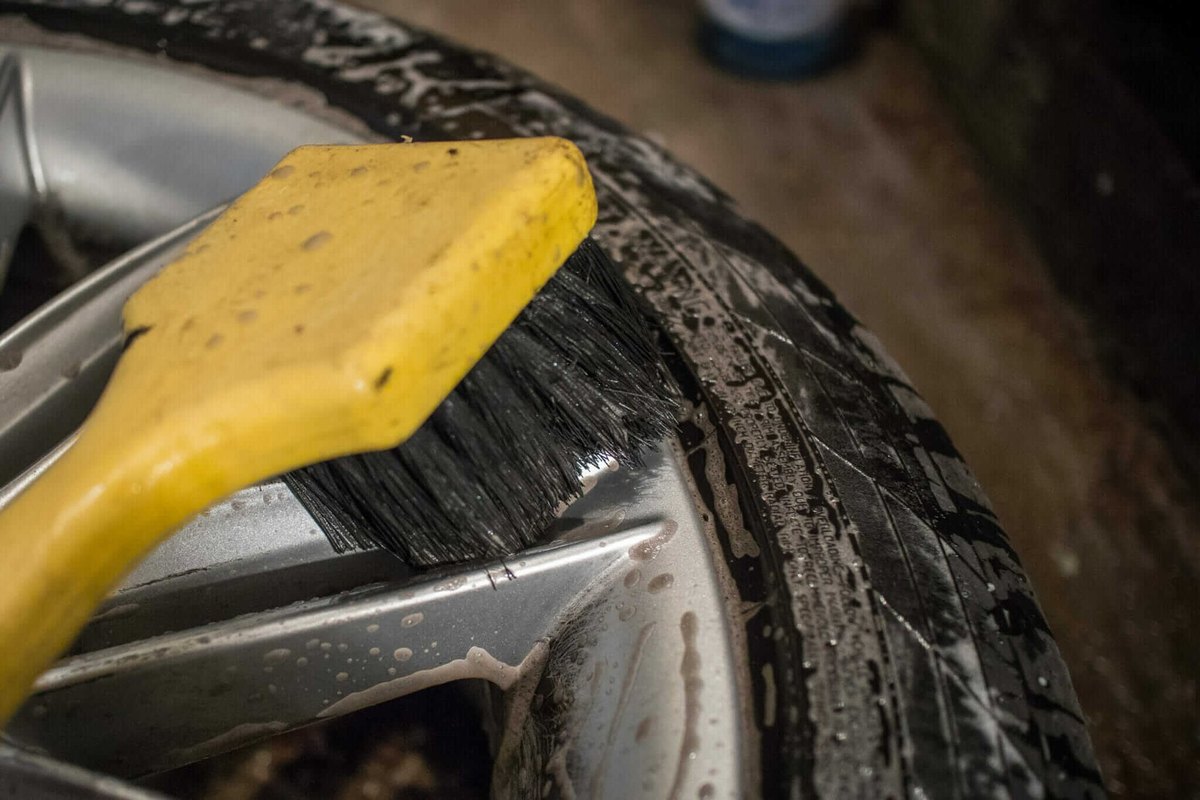
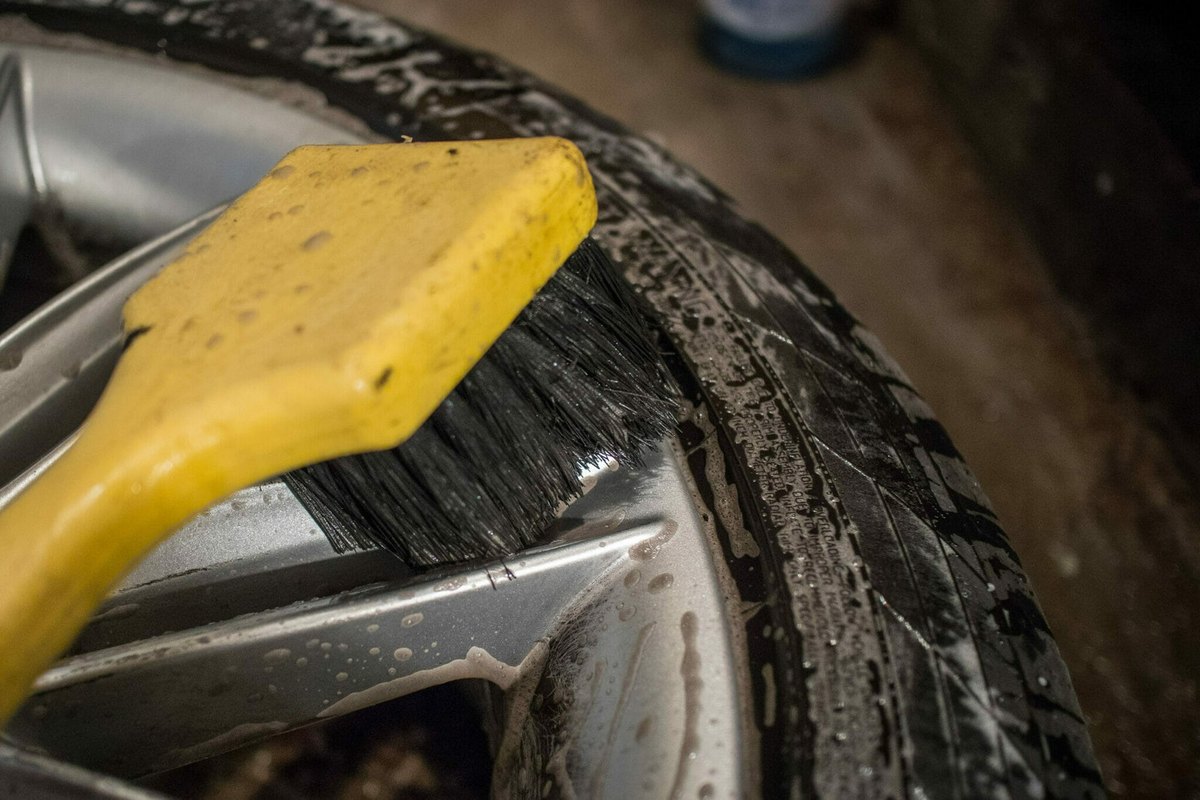
Rinse off sand and loose dirt with water. Then use warm soapy water and a soft brush over the whole surface, especially around the spokes, the hub and the inner barrel. Soft bristles will not scratch lacquer or chrome finishes.
After winter pay extra attention to the rim edges and the area around the balance weights, where most salt builds up.
Step 3
Remove stubborn grime and brake dust
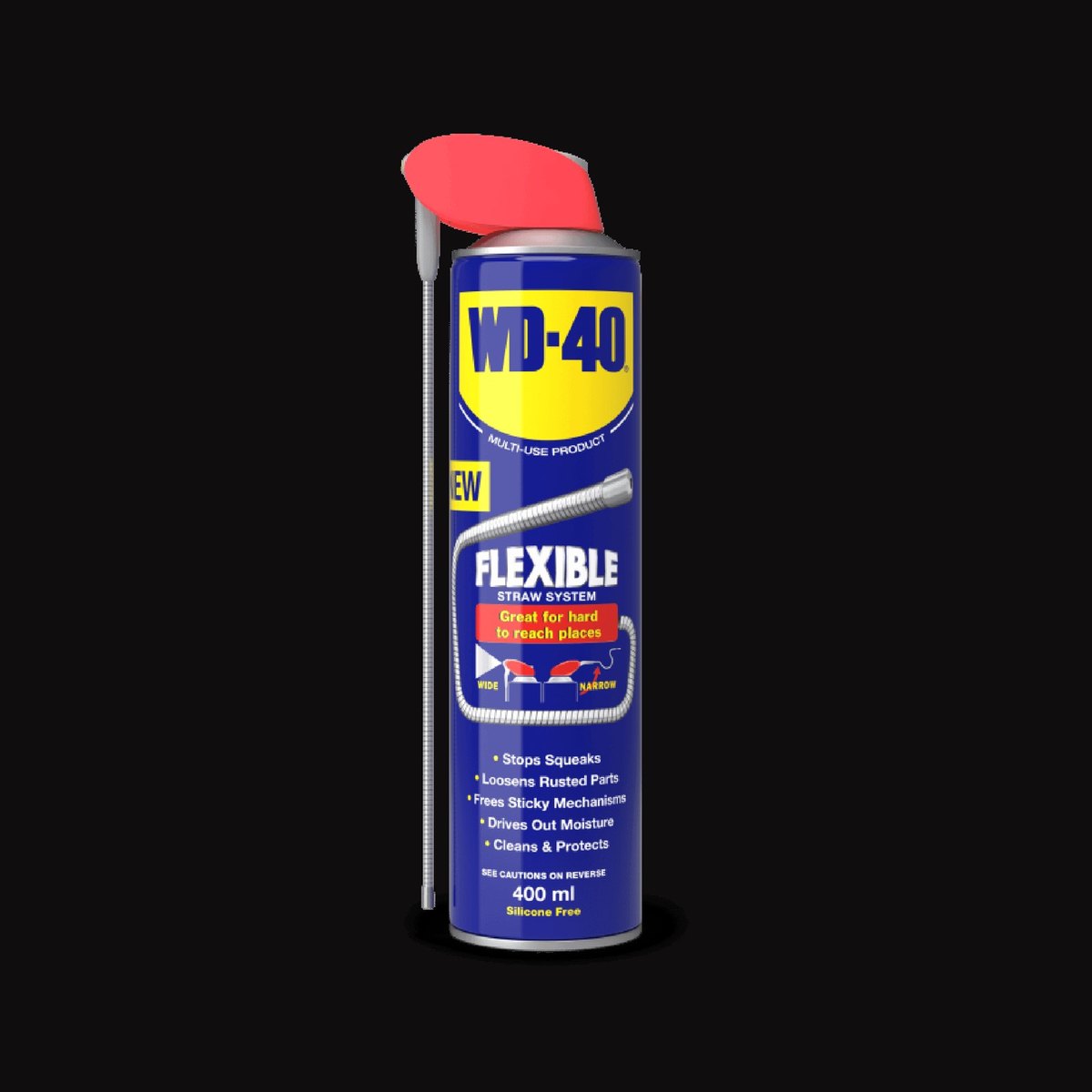
Apply WD-40 Multi-Use to a clean cloth and wipe the wheel, lingering on dark brake dust marks, tar spots and salt residue. The product loosens the dirt and drives moisture out of tiny pores. For tight spots between spokes, WD-40 Smart Straw is handy: aim the fine jet onto the cloth.
Step 4
Rinse and dry
Wash away the loosened dirt and remaining product with water until the surface feels smooth. Dry the wheel with a clean microfibre cloth to avoid hard water spots.

Step 5
Repeat on the other wheels and inspect them
Treat the remaining wheels the same way. While you are at it, check the rims for kerb scuffs and cracked lacquer: water and salt get in there first, so touch them up in good time or have a specialist look at them.
Tip: Before winter, after washing, wipe the dry outer face of each wheel with a cloth lightly dampened with WD-40 and buff it dry. The thin film repels water, so salt and dust rinse off much more easily later. Keep the tyres and brakes clear.
What next
Clean the wheels every time you wash the car, and in winter at least once a fortnight. For car washes and fleets that treat lots of wheels, WD-40 Trigger Pro with its trigger spray is more convenient.
These uses come from the experience of WD-40 users in many countries. Always follow the instructions and warnings on the product label.
More guides in «How to use».